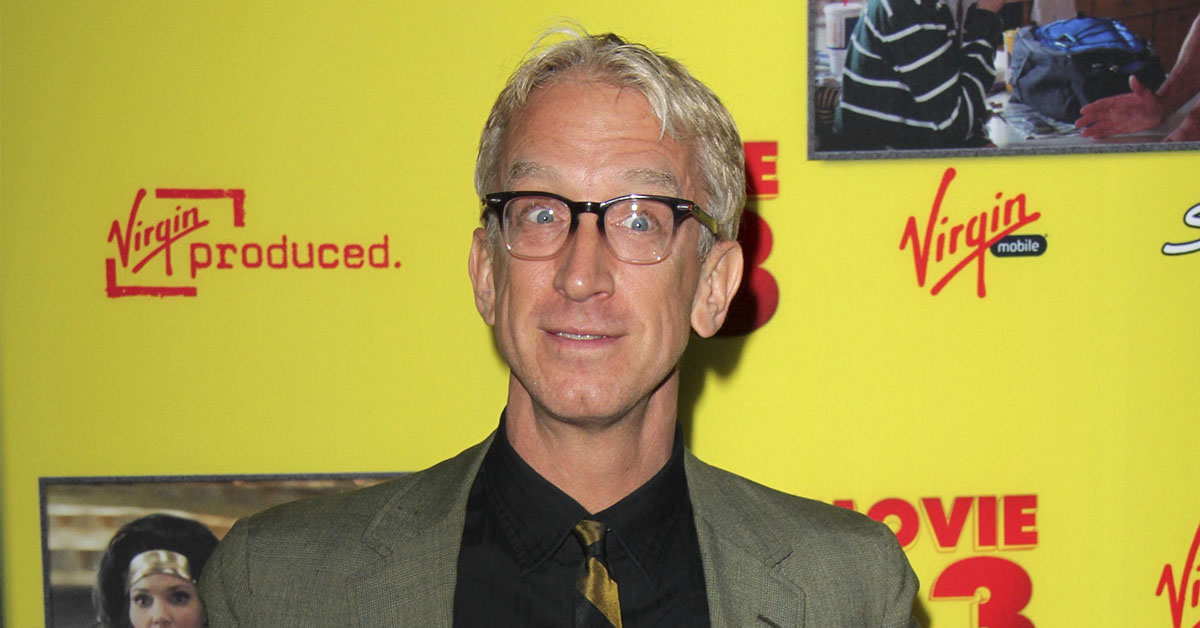

Andy Dick’s name has been trending after a troubling video spread online this week of him overdosing. The photos showed the comedian slumped on a Hollywood street while strangers tried to help. For many people, it was shocking. For others, it felt sadly familiar. The situation unfolded fast, and it quickly became more than just another celebrity headline. It opened up old conversations about addiction, public collapse, and what happens when help is offered but not taken.
The video felt raw and uncomfortable to look at. They showed a man whom many viewers grew up watching, now struggling in full view of the public.
The Video That Sparked Widespread Concern
The video and images of the incident first appeared through tabloid outlets and social media. They showed Andy Dick slumped on concrete steps along a Hollywood street. His glasses sat on the ground nearby. A few people stood around him, unsure what to do and clearly worried.
Witnesses said he appeared unresponsive for a short time. Someone nearby called for Narcan, which is commonly used to reverse opioid overdoses. Reports say the medication was given before emergency crews arrived. Not long after that, Dick appeared to regain consciousness.
Los Angeles emergency services responded to the scene. They treated him there and did not take him to a hospital. Officials later confirmed they responded to an overdose-related call, and no arrest followed.
The video spread quickly, and many people reacted with shock. Others responded with sadness instead. For longtime observers, the scene felt like part of a long pattern.
What Witnesses and First Responders Described
People who were nearby described a tense and confusing scene. Some said Dick looked weak and disoriented. Others mentioned changes in his skin color before help arrived. These details raised fears that the situation could have ended much worse.
Narcan has become more common in public spaces as overdoses rise. It works by blocking opioid receptors in the brain. This can quickly restore breathing, but only if opioids are involved.
Emergency responders stabilized Dick after the medication was used. Once he was alert, he declined further medical treatment. That choice surprised many, given how serious the moment looked.
Doctors often warn that refusing follow-up care can be risky. Narcan wears off, and symptoms can return. Still, patients are allowed to refuse care if they appear alert and aware.
Andy Dick Breaks His Silence on His Overdose
Soon after the video and images went viral, Andy Dick spoke with TMZ. He confirmed he was alive and said he was okay. His tone felt casual, almost dismissive, which stood out to viewers.
In the interview, Dick admitted he used drugs with someone he barely knew, who was living on the streets. At first, he mentioned crack cocaine. Later, he suggested fentanyl might have been involved instead. That detail alarmed many people watching.
Fentanyl is extremely powerful. It is far stronger than heroin or morphine. Even tiny amounts can be deadly. It has increasingly shown up in street drugs without users knowing.
Dick did not sound shaken during the interview. He joked at times. For some people, that reaction felt unsettling. It suggested the danger had not fully sunk in.
Rejecting Rehab Once Again
During the same interview, Dick was asked about entering rehab. His response was blunt and angry. He shut the idea down immediately and used profanity to make his point. That refusal became a major part of the story. Over the years, Dick has gone to rehab multiple times. Each stay brought hope that this time might be different.
Addiction experts often say relapse is common and recovery is rarely clean or simple. Still, repeated refusals of treatment worry those who follow his story. Saying no to rehab now does not mean he will never accept help, but it does suggest denial or burnout. When this plays out publicly, the pressure only grows.
A Long History With Addiction
To understand the incident of Andy Dick overdosing, history matters. His struggles with drugs and alcohol go back decades. They have been well documented through arrests, interviews, and reality television.
Dick rose to fame in the 1990s through shows like NewsRadio. His comedy style was wild and unpredictable. Off-screen, that same chaos followed him.
He has spoken openly about drug use during his career peak. Over time, substance abuse led to legal trouble. Arrests for public intoxication and other offenses followed. Friends have said addiction changed him. Some tried to help, others stepped away for their own safety. His life became a public warning story.
Fame and Addiction Colliding
Fame often makes addiction worse instead of better. Easy access to substances and constant attention remove normal limits. For Andy Dick, success arrived quickly in the 1990s. Structure disappeared just as fast. People around him laughed at his risky behavior rather than stopping it. Over time, that reaction became normal.

Dick has said before that Hollywood encouraged his chaos. When bad behavior gets applause, it rarely slows down. Psychologists often point out that comedians face higher addiction risks. Long hours, travel, and pressure all play a role. Childhood trauma also often appears in addiction histories. Dick has hinted at deeper pain in past interviews, but he rarely stays with it. Humor becomes a shield, even when things are clearly falling apart.
Public Reaction to the Photos
Public reaction to the video was sharply divided. Some people felt deep sympathy and worry. Others expressed anger and exhaustion. Many comments focused on how often this has happened before. For some viewers, compassion felt automatic. For others, patience felt gone.
Social media amplified both sides. Supporters urged kindness and reminded others that addiction is an illness. Critics pushed back, saying repeated refusal of help changes the conversation. This split reflects a larger struggle. People want to care, but they also want accountability. Watching the same story unfold again can feel draining. The video forced many to confront uncomfortable feelings about where empathy ends, and responsibility begins.
Media Coverage and Ethical Concerns
The publication of the photos raised ethical concerns almost immediately. Some questioned whether videos of a medical emergency should be shared at all. Others argued that public figures live with fewer privacy protections.
Tabloid outlets defended the coverage by calling it newsworthy. They said it showed the real impact of addiction. Critics disagreed and said it crossed a line into exploitation. Media ethicists often talk about minimizing harm. In real emergencies, those standards are harder to apply. Andy Dick did not consent to the video. Still, once they were public, they could not be taken back. The debate highlights how quickly dignity can disappear in the digital age.
Addiction, Relapse, and Medical Reality
Addiction is a chronic brain disorder, not a personal flaw. It changes how reward, impulse control, and decision-making work. This makes stopping extremely difficult without consistent support.
Relapse is common, even after treatment. It does not mean recovery is impossible. However, refusing care after an overdose increases the risk significantly. Doctors warn that each overdose raises the chance of death. Tolerance levels shift, especially after periods of reduced use. That makes later drug use unpredictable. The incident fits this medical reality. Even accidental exposure, especially involving fentanyl, can turn fatal very fast.
What Narcan Can Do and Cannot Do
Narcan likely prevented a tragedy in this case. It reverses opioid effects by blocking receptors in the brain. Breathing can return within minutes. But the medication only works temporarily.
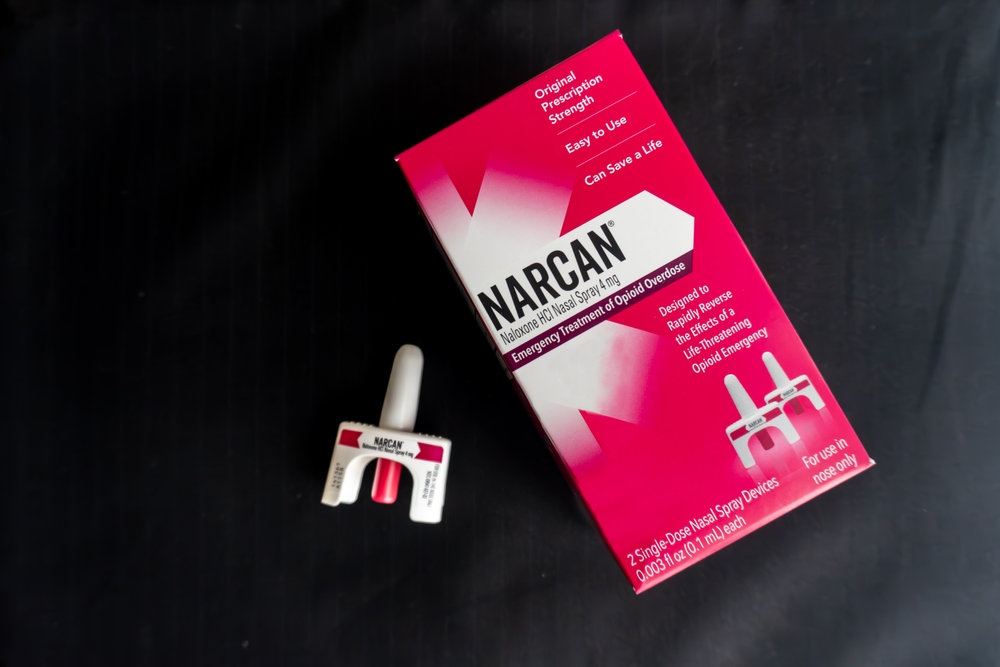
Once Narcan wears off, overdose symptoms can return. That is why doctors recommend medical observation afterward. Declining further care increases danger. Public health experts stress that Narcan is not a solution by itself. It is an emergency tool, not a treatment. Its growing presence in public spaces shows how widespread overdoses have become. While it saves lives, it also highlights how fragile those moments of survival really are.
Isolation and Broken Relationships
Over time, Andy Dick’s support circle has grown smaller. Some friends stepped away after repeated incidents. Others said they feared for their own safety. These decisions often come after years of trying to help.
Isolation can worsen addiction. Without stable relationships, accountability fades. Loneliness also feeds substance use. Several people close to Dick have said they would help if he accepted treatment. Still, boundaries remain firm. This balance between care and distance is common in long-term addiction cases. Loved ones often feel torn between hope and self-preservation. It is an exhausting position to stay in.
Read More: How Jelly Roll Is Giving Back With a Massive Rehab Facility in Tennessee
A Cycle That Keeps Repeating
Many observers see a familiar cycle play out. A public crisis happens. Videos, images, or arrests follow. Dick either brushes it off or jokes about it. Time passes, and then another incident occurs.
Breaking that cycle requires sustained commitment and support. Neither is guaranteed, especially when help is refused. Each incident lowers the margin for survival. Andy Dick’s overdose feels unfinished because there is no clear turning point yet. There is only another close call.
A Bigger Cultural Issue
This incident reflects a much larger crisis. Overdose deaths continue to rise across the United States. Fentanyl drives a large share of those numbers.
Hollywood streets now show the same struggles seen in small towns and big cities alike. Addiction does not stay hidden anymore. Public figures make the issue visible, whether they want to or not. Their pain mirrors private suffering happening everywhere. When someone collapses in public, it forces attention. These moments expose how unprepared society still is to respond with both urgency and compassion.
Can Refusal Change Over Time
Some people refuse help many times before accepting it. Others never reach that point. Outcomes are unpredictable. Recovery often begins when denial finally cracks.
That moment can arrive quietly or after a public scare. Dick’s refusal of rehab now does not close the door forever. Still, every incident increases risk. Experts say hope remains, but urgency matters. The window for safe recovery can narrow quickly. Change is possible, but time is not endless.
Closing Thoughts
The video from that Hollywood street captured a painful moment that many cannot forget. They showed vulnerability, confusion, and missed chances. Andy Dick’s overdose is not just about disturbing photos. It is about addiction, choice, and consequences.
His history explains how he arrived there. His interview shows where his mindset stands today. Refusal of rehab raises the stakes even higher. Whether this moment leads to change remains unknown. For now, it serves as a stark reminder. Addiction is relentless. Compassion has limits, and sometimes survival depends on what happens after the cameras are gone.
Read More: Brad Pitt Once Tried to Spend $120K for a Night with Emilia Clarke