

Most home repair warning signs start out easy to overlook because you’re busy and the house feels familiar. A noise pops up and blends into the background. A mark sits on the ceiling and becomes part of the room. An outlet feels warm and you tell yourself you’ll check it later. None of it feels urgent in the moment, so it falls to the bottom of the list. The problem is that these early signals keep building while your attention is somewhere else. When you notice the changes as they happen, you catch issues before they turn into expensive headaches.
1. One Wall Always Feels Off
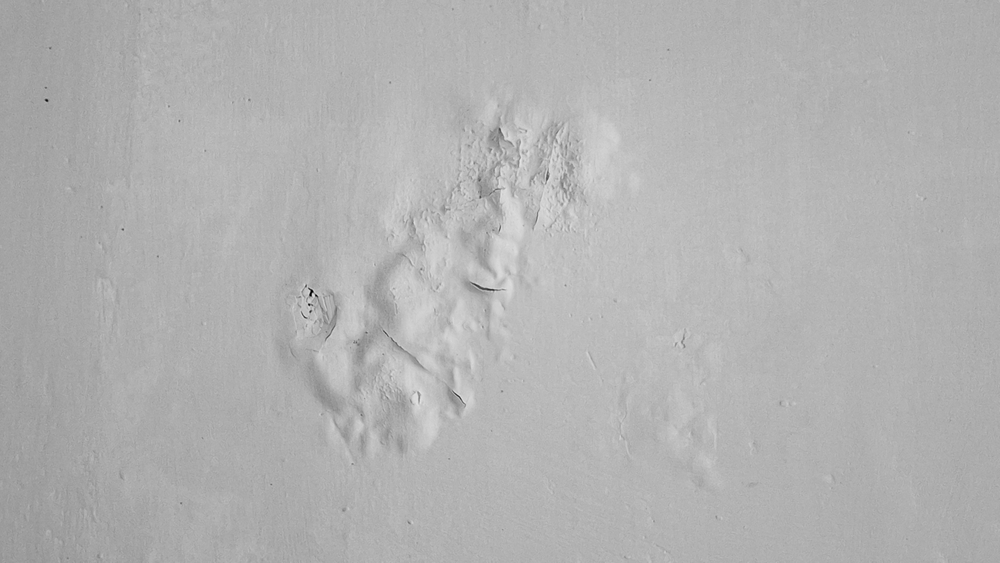
You’re in the living room, and something’s different near the window. It’s not just colder, it feels damp or kind of musty. That’s usually a sign moisture is seeping in from outside. It could be bad caulking, worn siding, or something deeper. If paint keeps bubbling or cracking in that one area, don’t ignore it. Water damage starts slow and gets worse every season.
2. Outlets That Smell Like Trouble
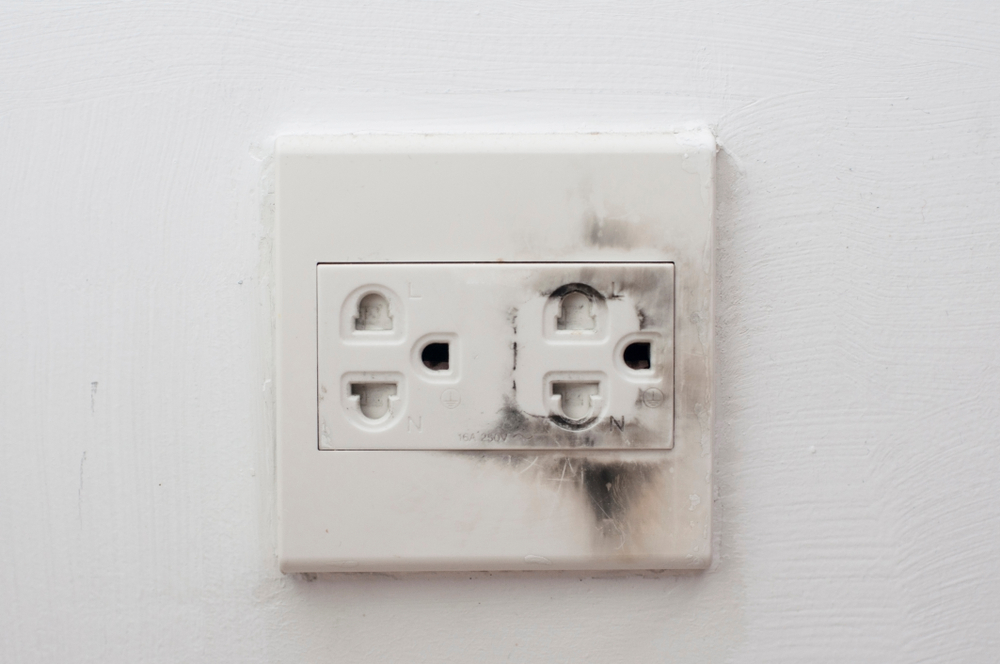
It still works, but every time you plug something in, there’s that burnt smell. Like a space heater was just running. That’s a sign the wiring behind the outlet is loose or overheating. It doesn’t have to spark or go dark to be dangerous. If you smell anything odd coming from an outlet, stop using it and get someone to check it. That kind of heat is never harmless.
3. One Room Is Dustier Than It Should Be
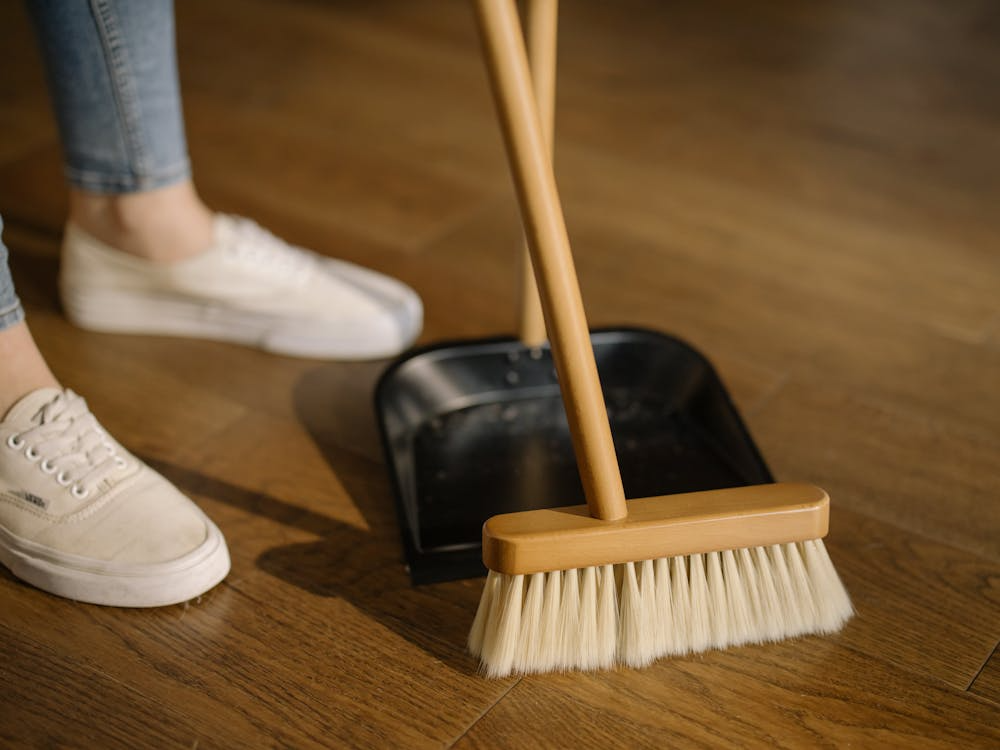
You clean it, and by the next day it looks like you didn’t. If it’s just that one room, especially near a vent, your air system could be pulling in debris from the attic or crawl space. That usually means the duct is cracked or unsealed. It’s not just annoying, it messes with your air quality and energy bill. A quick inspection can tell you if air’s leaking where it shouldn’t. It’s cheaper to patch a duct than replace a system.
4. Your Toilet Refills Itself When No One’s Around
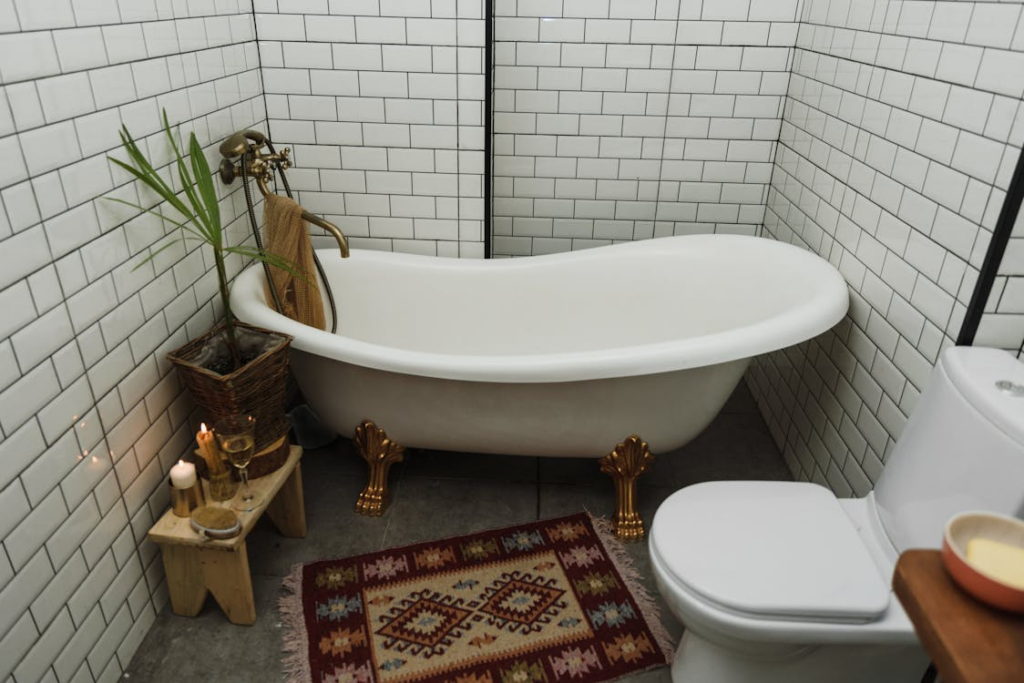
Middle of the night, total silence, then you hear water running for a few seconds. That’s not nothing. It means water is leaking from the tank into the bowl, triggering the refill valve. It’s often a worn flapper or a poorly sealed chain, both easy fixes. But over time, the constant leak can warp your floor or run up your water bill. Drop some food coloring in the tank and wait- if it shows up in the bowl without a flush, you’ve got a leak.
5. A Door That Keeps Swinging Open
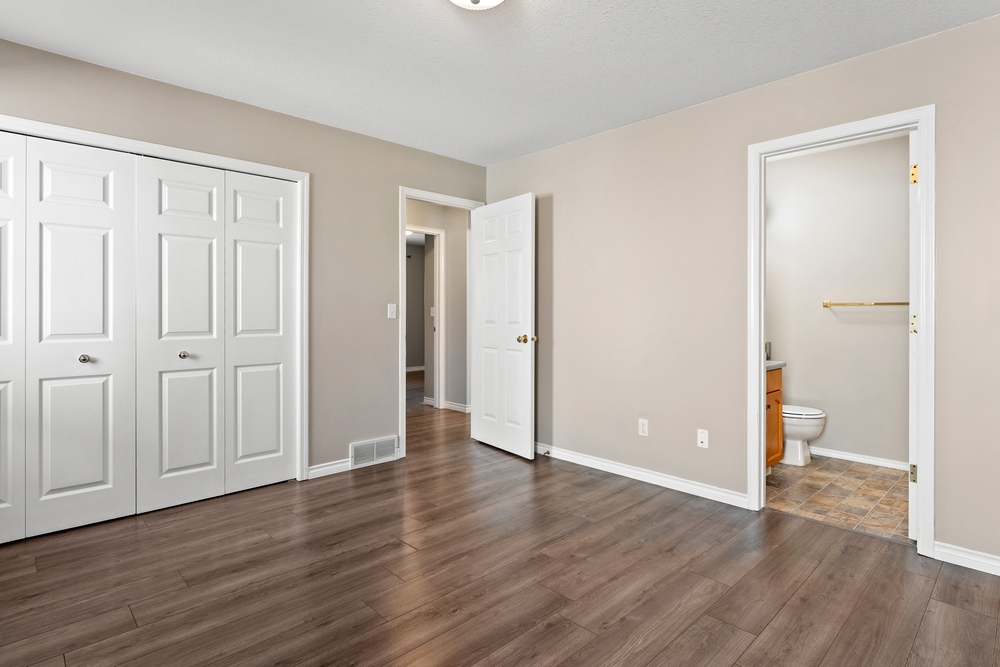
You close it like normal, and it just drifts open behind you. It’s not a breeze. That’s usually a sign your door frame has shifted a bit. Could be from changes in humidity, or the house settling unevenly. Look at the top corners and the latch alignment. If it’s not lining up like it used to, something has moved. That’s worth paying attention to before it affects more than just one door.
6. Window Frames That Feel Soft When You Press Them
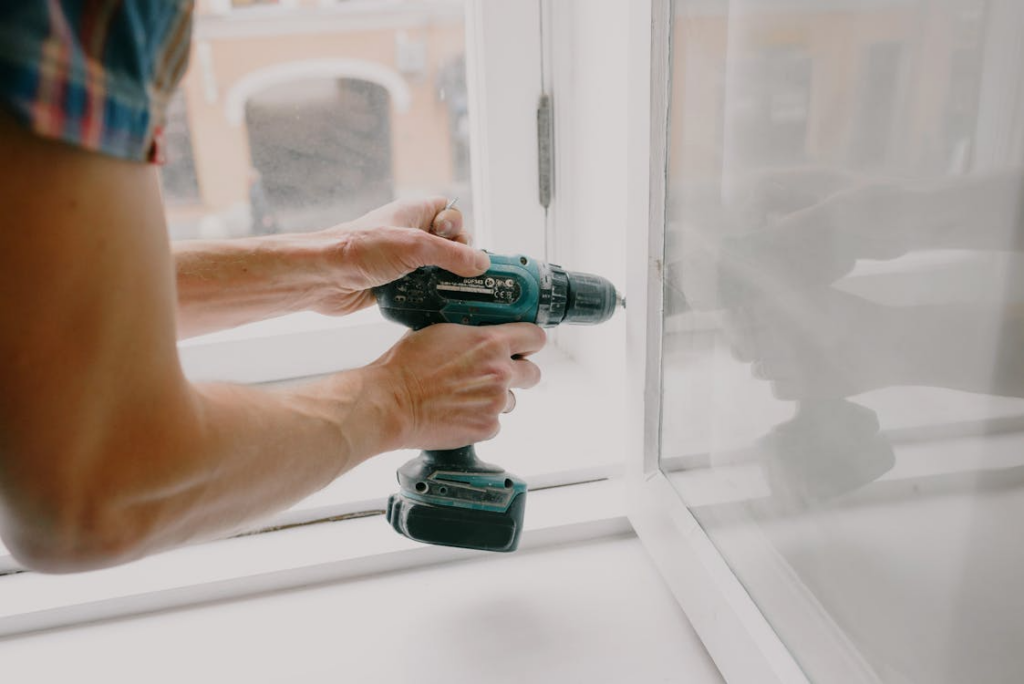
You’re opening a window and notice the wood feels a bit spongy. That’s not wear and tear, that’s rot. Even painted frames can start to break down if water sneaks in through old caulking or cracks. Press around the edges with your thumb- if it gives at all, you’ve got damage. It often starts at the corners and spreads inward. Fixing it early keeps the repair small and keeps your window sealed tight.
7. Cabinet Doors That Stop Closing Naturally
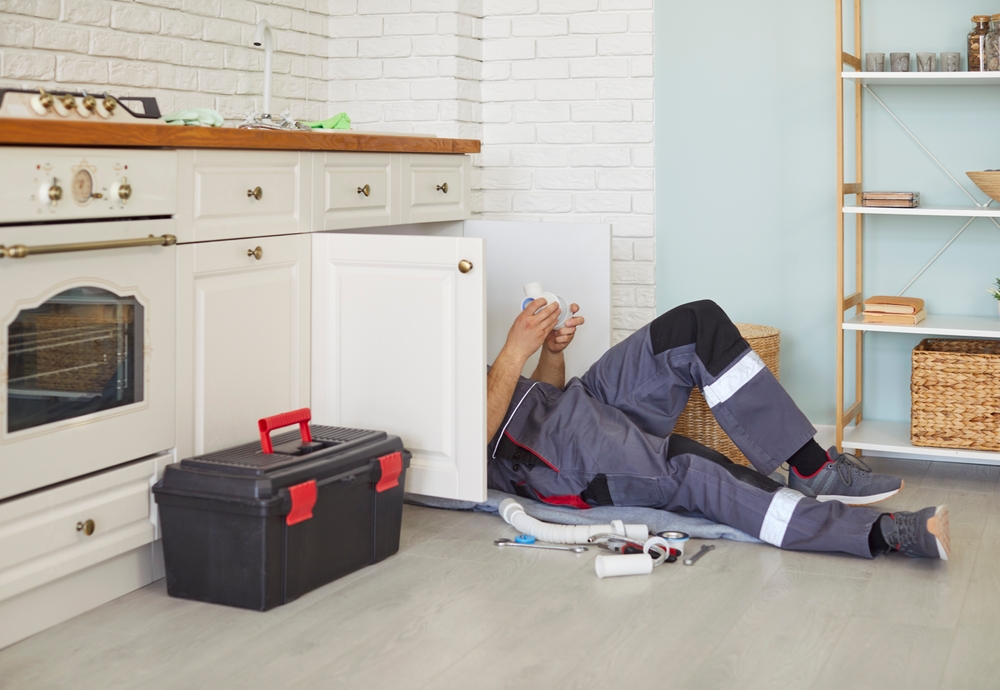
You open the cabinet and it suddenly feels off. The door doesn’t shut without force or it scrapes the edge. That shift usually comes from swelling inside the frame or movement underneath. In kitchens and bathrooms, that often means water is creeping into places it shouldn’t. Open the cabinets below the sink and look for bubbling wood or warped edges. When fixtures stop lining up, it’s rarely just a loose hinge.
8. A Light That Flickers Even After You Change the Bulb

You’ve already replaced the bulb and maybe even the whole fixture, but the flicker’s still there. That usually means a wiring issue or a worn-out switch. If it happens when you run other appliances, your circuit may be overloaded. Flickering is the kind of thing people learn to live with, but it’s not harmless. Bad wiring leads to overheating and even fire in the worst cases. If it’s happening more than once, it’s time to get it checked.
9. Cracks That Follow a Zigzag Pattern
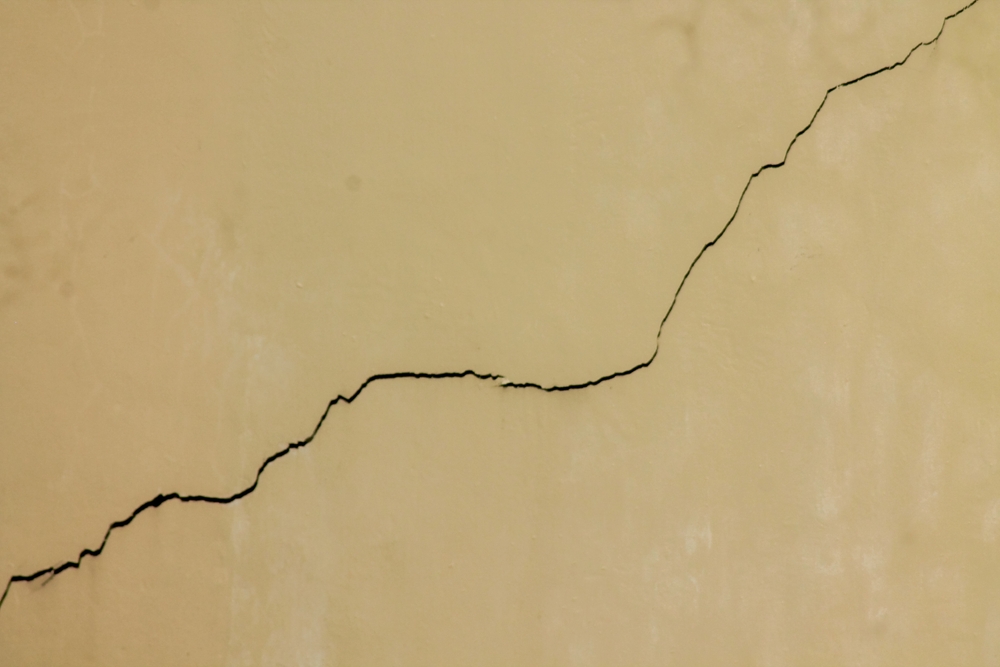
Most straight cracks in paint or drywall are no big deal. But when you see a jagged, stair-step crack moving through brick or concrete, that’s different. That kind of crack usually forms when your foundation is shifting unevenly. You’ll see them near corners, windows, or basement walls. Don’t just patch over it. Measure the length and check it again in a few weeks. If it grows, the structure underneath is moving.
10. Floors That Sound Hollow in One Spot
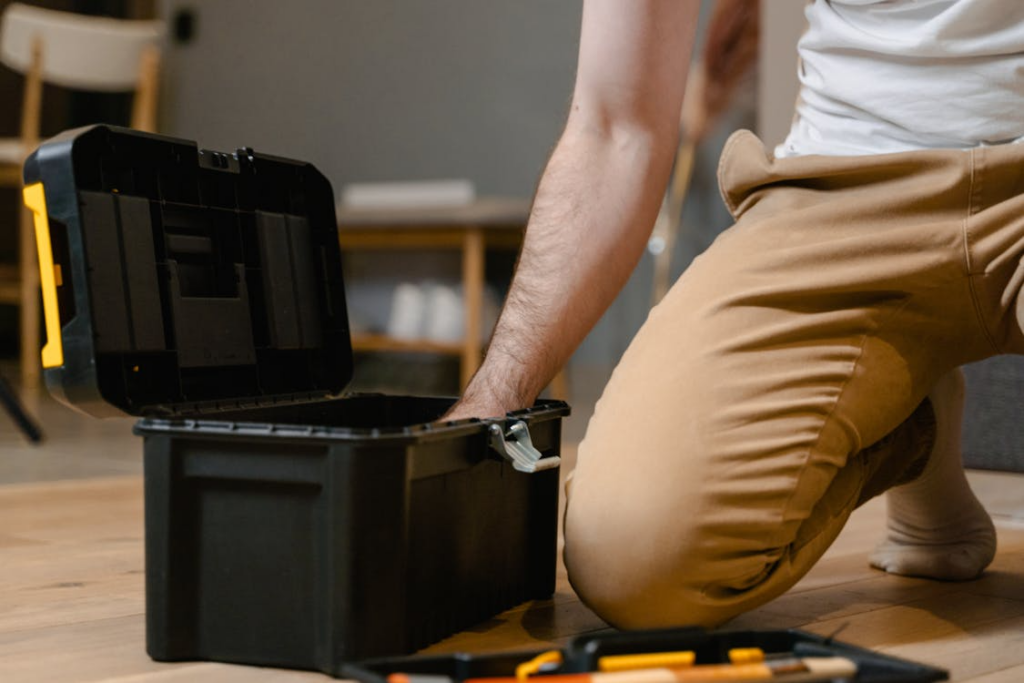
You step across the room and suddenly one board sounds different. Not louder, just emptier. That can mean the subfloor has pulled away or weakened underneath. You might also feel a little bounce when you walk over that area. These issues usually start near places where water is used or where pests have chewed through support. Get someone to take a look before that soft spot turns into a full repair job.
11. You’re Refilling the Dehumidifier Way Too Often
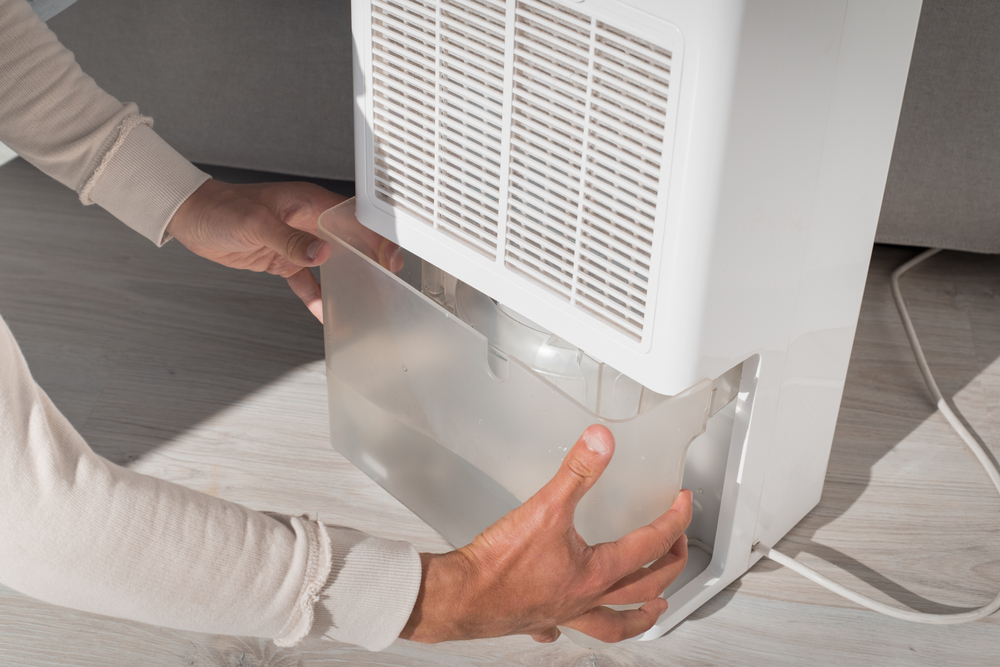
It used to take a couple of days to fill the tank, now it’s full every morning. That kind of change usually means something shifted with airflow or insulation. Moisture might be creeping up from the crawl space, or sneaking in through a crack near the foundation. Basements and laundry rooms are common trouble spots, but this can happen anywhere with poor circulation. If your dehumidifier is working nonstop, the house is trying to manage something it shouldn’t have to. Find the source before mold or wood damage shows up.
12. The Water Heater Starts Making Popping Sounds
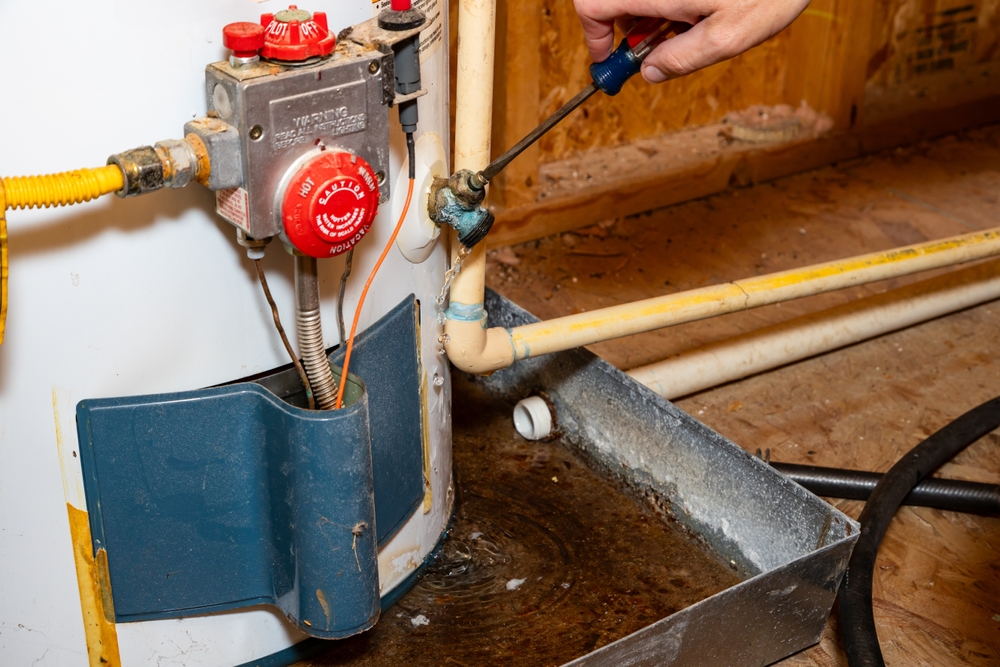
You walk past the utility room and hear popping or ticking from the tank. That noise shows up when minerals settle inside and trap pockets of water under the buildup. When the heat kicks in, those bubbles force their way out, and that’s where the sound comes from. It’s common in homes with hard water, and it doesn’t fix itself. If you leave it, the pressure wears down the tank faster and can cause cracks or leaks. Flushing it out usually solves the problem if you do it early enough.
13. Your Front Steps Are Tilting Slightly
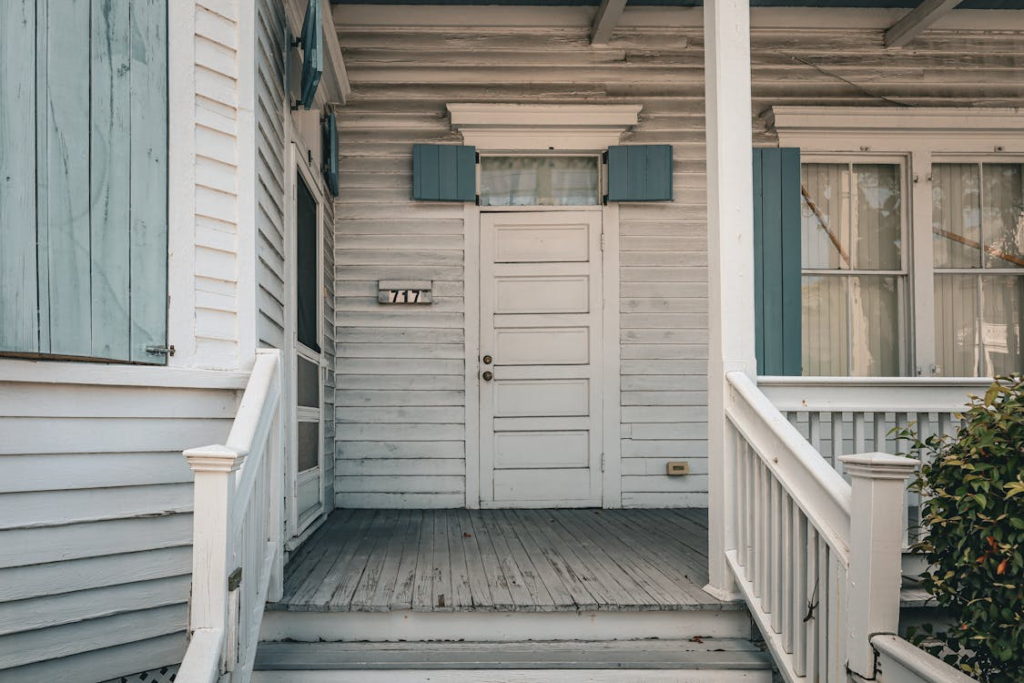
Even a mild lean can mean the ground underneath is shifting. It might come from water washing out the soil, poor drainage, or footings that weren’t installed well to begin with. People tend to brush it off as settling, but if the lean continues, you’ll start to see separation from the foundation. That gap lets in moisture and pests, and it puts more stress on the structure. You don’t need major cracks for it to be a concern. Catch it now, and the fix stays simple.
14. Random Drafts in the Middle of a Room

You’re sitting down, and suddenly there’s cold air around your ankle for no reason. The windows are shut, nothing’s obvious, but the room still feels off. That usually means air is leaking in through a floor gap, disconnected duct, or failed insulation. It might be coming from inside a wall or underneath the house. These leaks force your system to work harder and still leave you uncomfortable. A draft like that always has a source, and the longer you leave it, the more it costs you.
15. A Sudden Spike in the Water Bill

Image credit: Pexels
If you’re not using more water but your bill jumps, something’s leaking where you can’t see it. Toilets and irrigation systems are usually first to check, but underground pipes and wall plumbing break down too. A slow leak won’t always leave puddles, but it will show up on the meter. Shut everything off, wait a few minutes, and see if the dial is still moving. If it is, you’ve got a hidden problem that needs fixing before the damage spreads. The bill is just the warning.
16. Your Garage Door Starts Jerking Instead of Gliding

You hit the button and it opens like it’s struggling to move. It jerks, hesitates, or makes a clunking sound at certain points. That’s usually a track issue or worn rollers, but sometimes it signals uneven tension in the springs. If the door feels heavier than usual or sounds rough when moving, the system is wearing down. A misaligned track can also make the opener work harder, which shortens its lifespan. Don’t wait until it gets stuck halfway open.
17. Your House Smells Musty After It Rains
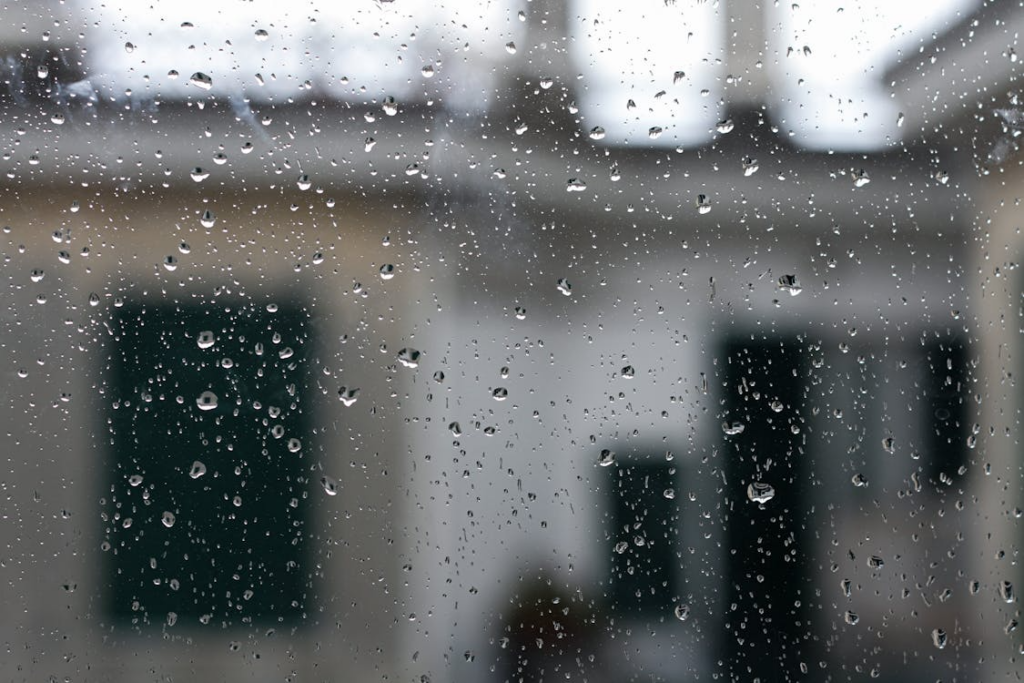
You walk in after a storm and notice that damp, earthy smell. That’s often a sign that water is pooling somewhere it shouldn’t. It might be seeping into the basement, collecting in the attic, or soaking into crawl space insulation. The smell shows up first, then comes mold, and then repairs that could’ve been avoided. Use your nose – if the scent is stronger in one room or near a vent, that’s where to start looking. Even a small leak can spread fast in wet weather.
18. Peeling Caulk Around Tubs or Sinks
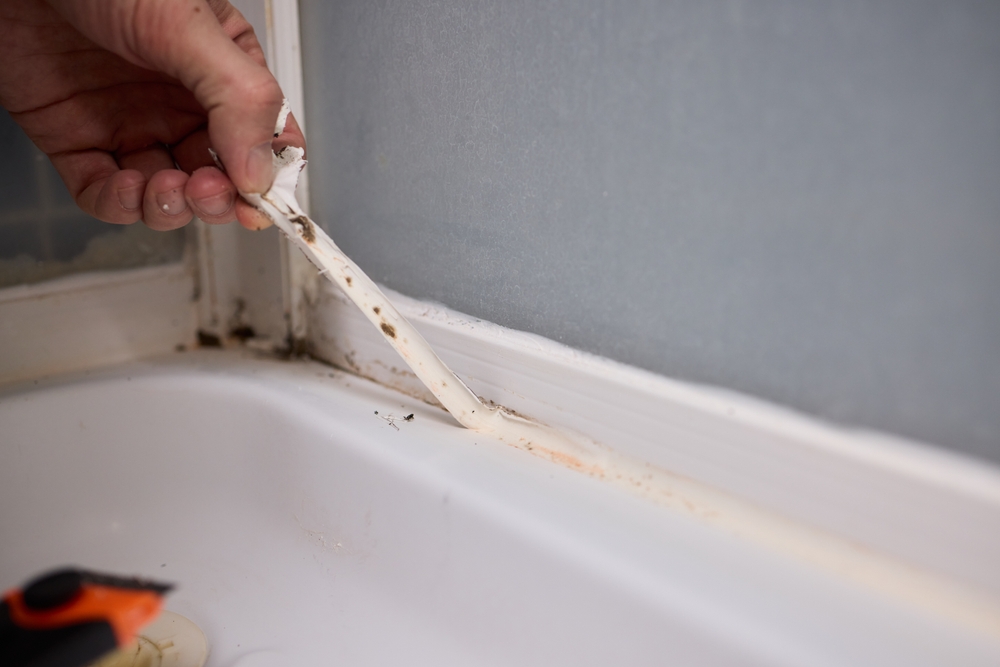
You spot a crack or a gap where the edge used to be sealed, and water starts slipping in. It’s easy to ignore when it’s just a line or two, but even a tiny opening can let moisture into the wall. Once that happens, mold builds behind the surface and weakens the board underneath. You’ll notice soft spots or musty smells before you see major damage. Replacing caulk is simple, but ignoring it invites a bigger problem. The earlier you catch it, the cleaner the fix.
19. Lights Dim Briefly When the AC Kicks On

You’re watching TV and notice the lights dip for a second when the air conditioner starts. That blink is easy to shrug off, but it’s usually a sign of strain in your electrical system. The compressor draws a lot of power at once, and if the wiring or breakers aren’t handling it well, you’ll see that dip more often. It could mean the load is too high or that a circuit is close to its limit. Either way, it’s worth having someone take a look before it becomes a bigger issue.
20. Water Pooling Near the Foundation After Rain
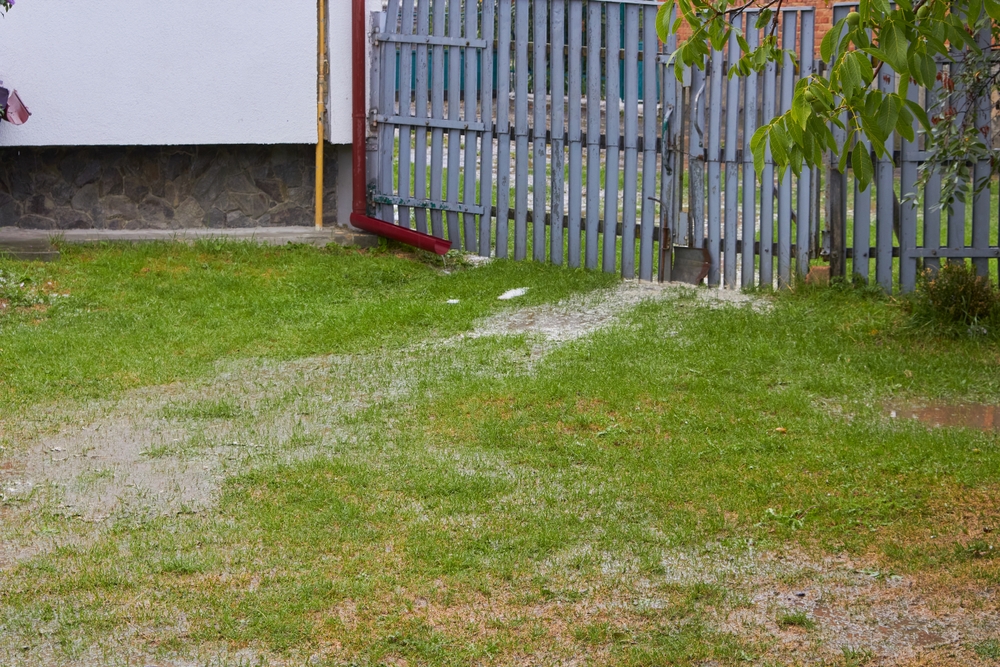
After a heavy rain, take a look at how water drains around your home. If it’s sitting near the foundation or soaking into one spot, that’s a problem. Over time, that water can break down concrete, shift soil, and create foundation cracks. Sometimes it’s as simple as bad grading or a disconnected downspout. Either way, water should move away from the house, not settle beside it. Catching this early can save you from major structural repairs later.
21. Your Attic Fan Runs Constantly or Not at All
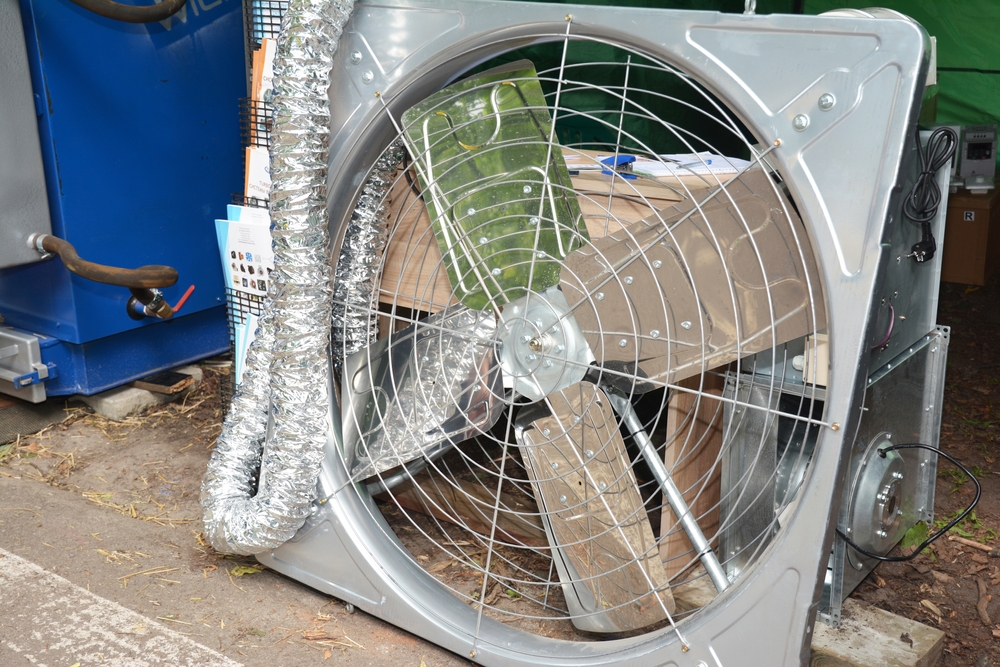
Most people forget they even have one until it starts acting weird. If your attic fan runs nonstop, shuts off too quickly, or doesn’t turn on at all, that’s a sign something’s off with the sensor or motor. It’s supposed to regulate attic temperature, especially in summer, and protect your roof and insulation from heat damage. When it fails, heat builds up fast and can warp wood, overwork your AC, or shorten shingle lifespan. A fan that never runs might be burnt out, while one that never stops might have a stuck switch. Either way, ignoring it can lead to bigger, costlier problems up top.
22. Gurgling Sounds Coming From a Sink or Shower

You’re not using the water, but you hear gurgling from the drain. That usually means the venting system in your plumbing isn’t doing its job. Air gets trapped, and water has to push through it, which makes those odd noises. It could be a clogged vent pipe, or a problem further down the line like partial blockage. Left alone, it can lead to slow drains, foul smells, or even backups. If your pipes sound like they’re talking, it’s time to investigate.
23. Siding That Looks Wavy or Buckled
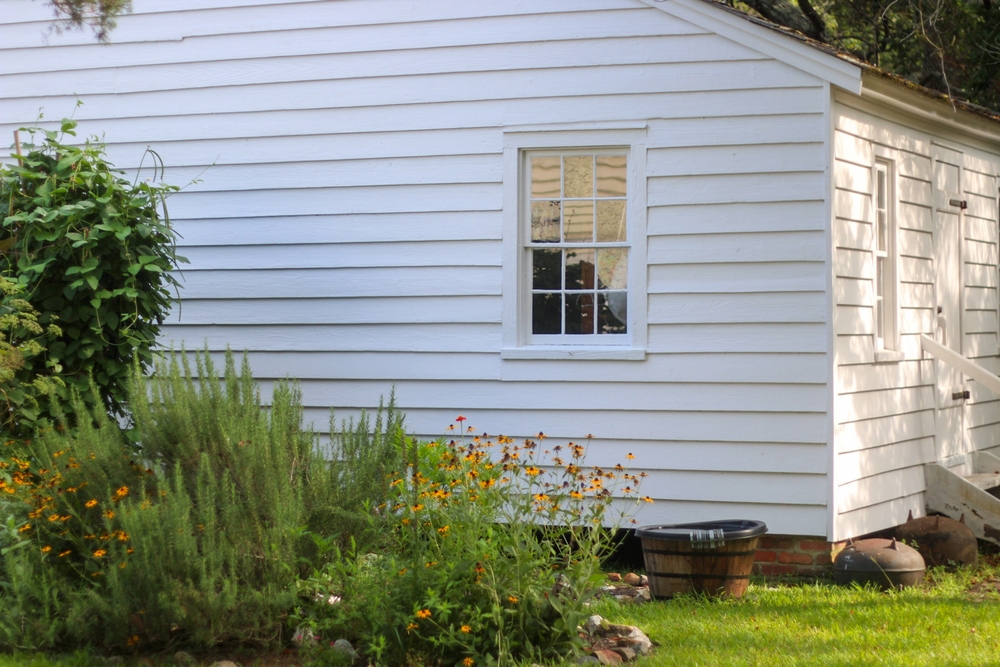
It looks smooth from the street, but get closer and the panels seem to bulge or ripple. That can happen when siding is nailed too tight or when moisture builds up underneath. Sometimes the wall behind it is shifting slightly or swelling from hidden damage. Wavy siding no longer seals out water or wind the way it should. Letting it sit only makes the gap worse and pulls more water in. Catching it now means less to repair later.
A House Always Leaves Clues

Image credit: Pexels
A home feels easier to manage when you deal with repairs on your schedule instead of waiting for something to break. Home repair warning signs help you stay in front of problems without turning them into a crisis. When you respond with simple, practical steps, the space stays predictable and you avoid disruptions that throw off your routine. Looking after the place you live keeps everything running smoothly and supports the way you want to move through your day.
Disclaimer: This article was written by the author with the assistance of AI and reviewed by an editor for accuracy and clarity.
Read More: 9 Signs Your Home Is Dirtier Than You Think