

Children carry the emotional imprint of their parents long after childhood ends, and that imprint is shaped by daily actions rather than grand moments. When people talk about how children remember parents, they often imagine milestones, holidays, or family photos, yet research in child development shows that repeated interactions form the most lasting memories. The tone you use when you speak, the consistency of your attention, and the way you manage stress around your child build the framework they will one day look back on.
These influences shape a child’s sense of safety, identity, and belonging, and they do it in ways that feel ordinary at the time but powerful in hindsight. This article explores ten overlooked behaviors that shape your child’s long term memories of you, followed by expanded guidance that can help you build a relationship your child will remember with warmth and trust.
1. The Way You Handle Daily Stress
Children watch how you navigate everyday stress, and they record your reactions with surprising precision. If your tone tightens whenever you are pressed for time, or you snap when situations feel out of control, your child begins to associate you with tension. If you stay calm and model self regulation, your child stores a sense of stability linked to your face, your voice, and the way you move through the moment. This becomes part of their internal guide for managing their own stress later in life. Moments of composure create lasting emotional memories because children absorb the emotional climate around them.

2. How You Apologize and Repair
Every parent messes up, and that is completely normal, but what happens next is what your child remembers. When you take a breath, apologize clearly, and own your behavior, your child learns that relationships can recover and that love does not disappear when things get hard. If apologies are skipped or rushed, the child often fills in the blanks by blaming themselves or feeling scared of conflict. That response follows them into adulthood because they use your example as their guide for handling tough moments with other people. This is a powerful part of child development because your willingness to repair becomes part of the emotional story they carry with them. These moments shape how children remember parents as warm, real, and safe to talk to instead of distant or unpredictable.
3. Your Consistency and Predictability
A child’s nervous system responds strongly to consistency. When they know how you will react, a sense of safety forms around your presence. Predictable routines like bedtime, mealtimes, or school mornings act as emotional anchors that help them feel secure. If your reactions shift dramatically from one day to another, or if promises are not kept, children experience confusion because they cannot reliably gauge what will happen next. This shapes their long term memories of home. The feeling of stability is central to how children remember parents, and consistent actions strengthen that sense of reliability.
4. How You Speak About Yourself
The way you talk about your body, your abilities, or your worth becomes part of your child’s mental soundtrack. If you criticize yourself or express constant doubt, your child internalizes those messages as normal. Positive self talk teaches them emotional resilience and helps them feel proud of who they are. Children link your self view to their developing identity because they learn emotional patterns by observing you. These impressions influence the way they remember your presence later in life, and they shape their own self image well into adulthood.
5. Your Engagement During Everyday Moments
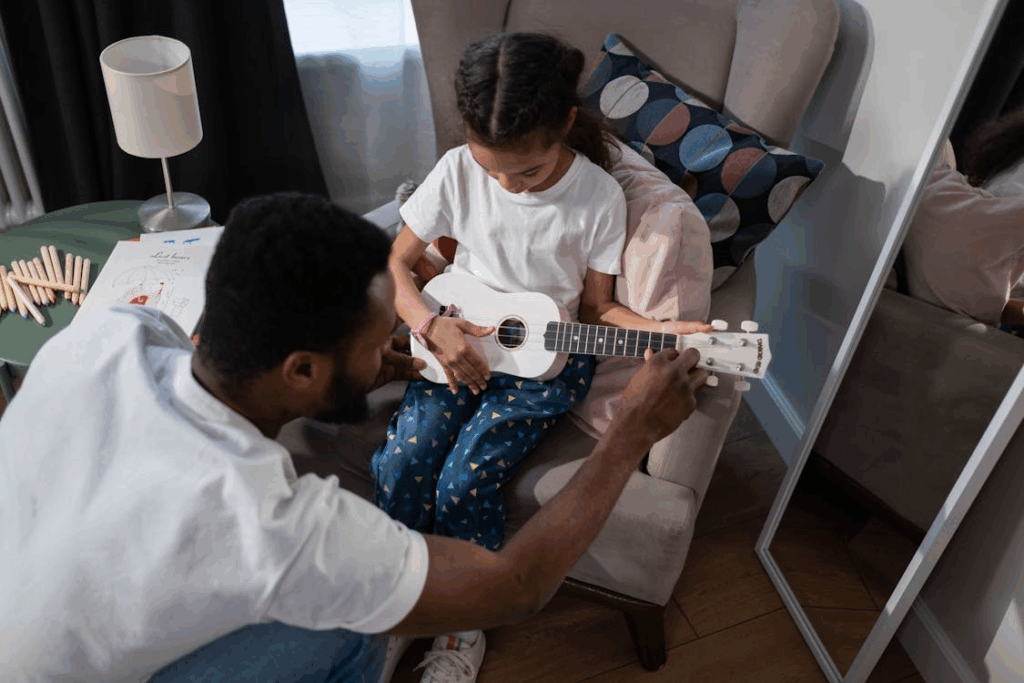
Children do not remember the day you answered emails or scrolled through your phone. They remember the times you looked at them with full attention. Eye contact, shared laughter, gentle physical reassurance, and genuine interest in their stories create deep emotional imprints. These investments build trust and connection, which are powerful factors in child development. When children remember you later in life, they recall how you made them feel during ordinary moments rather than the big events. This is one of the strongest predictors of how children remember parents across time.
6. How You Manage Conflict in the Home
Children notice how adults address disagreements, even when those disagreements do not involve them. Calm voices, clear communication, and respect form part of the emotional foundation they associate with you. Loud arguments or passive hostility create tension your child absorbs even if no one raises their voice. These patterns guide their long term emotional memories because home becomes the backdrop of their internal world. The way conflict is handled becomes a major part of how children remember parents and how safe or unsafe they felt during early development.
7. Your Ability to Listen Without Judgment
Children remember the moments when you listened to them with patience, even if their feelings seemed insignificant to an adult. Listening without judgment helps them form emotional safety and the belief that their voice matters. If their concerns are dismissed or minimized, they may learn to hide their emotions or downplay their needs. This affects their self expression as they grow. Supportive listening builds a relationship that will be remembered as warm and compassionate, and it plays a major role in healthy child development.
8. The Emotional Tone You Bring Into the Home
Every home has an emotional climate shaped by the adults who live there. Children absorb this environment daily and store it as part of the emotional memory associated with their parents. If your general tone is warm and steady, your child remembers your presence as comforting. If your tone is sharp or unpredictable, they may associate you with anxiety. Emotional tone does not require perfection. It requires awareness, because even shifts in your greeting or your responses throughout the day become part of their long term memory network.
9. The Way You Encourage Curiosity

When parents support curiosity, children remember feeling safe to explore and ask questions. Encouragement helps shape intellectual openness and emotional confidence. If curiosity is met with irritation or dismissal, children may learn to avoid asking questions or sharing ideas. These interactions influence their belief in their own abilities and shape how they approach learning as they grow. Because curiosity plays a central role in child development, children remember whether their parents nurtured or restricted their natural sense of wonder.
10. How You Handle Their Mistakes
Children pay close attention to how adults respond when they make errors. A gentle and constructive response helps them build resilience and self trust. A harsh or punitive response teaches them to fear making mistakes or hide their challenges. These exchanges strongly influence how children remember parents because mistake related memories carry emotional weight. Supportive guidance builds confidence and reduces shame, and it helps create a relationship your child will appreciate well into adulthood.
How These Influences Shape Long Term Memory
Scientists studying memory formation in children explain that emotional intensity, repetition, and relational safety influence which moments become fixed in a child’s long term memory. Children remember repeated emotional patterns because these patterns form the structure around which their view of the world develops. This includes the tone of your voice, the steadiness of your reactions, and the emotional environment you maintain. These influences guide how children remember parents across their lives.
Connecting Actions to Emotional Imprints
Children store memories in ways adults often forget. They remember the feeling of sitting beside you while you worked. They remember how you responded when they were scared or embarrassed. They remember whether your attention felt reachable or distant. These memory threads form a larger story about who you were to them and how safe they felt in your presence. Emotional safety is one of the most influential factors in child development, and it depends on the consistency of your reactions rather than dramatic events.
Why Ordinary Moments Become the Most Powerful
Parents often think the big moments matter most, but it is the everyday stuff that sticks with kids the longest. Watching you cook, sitting together in the car, getting ready for school, or curling up on the couch becomes the real heart of their childhood. These moments happen again and again, so they turn into the emotional backdrop your child connects with home. That steady rhythm becomes what they look back on years later, and it shapes the way they remember the kind of childhood they had.
Building Positive Emotional Memories With Intention

Once parents understand how strong these influences are, they often become more intentional about their daily behavior. This does not mean forcing perfection. It means noticing your tone, slowing down long enough to look your child in the eyes, and repairing conflict rather than rushing past it. These choices create powerful memories of connection. When you respond with patience or humor during stressful moments, you teach your child that home is a secure place. These interactions create the emotional story your child will carry into adulthood.
The Role of Emotional Regulation
Children rely on parents to help regulate emotional storms, especially in early development. When you respond with calm guidance, your child feels supported enough to learn self regulation. When you react with frustration or anger, they may internalize anxiety. Because children mirror the emotional cues around them, your ability to regulate yourself becomes part of their emotional blueprint. This influences how children remember parents during moments of stress, fear, or confusion. It also impacts their ability to recover from emotional challenges later in life.
Teaching Through Your Behavior
Children watch everything. They imitate how you speak to others, how you handle frustration, and how you treat yourself. This form of learning is one of the strongest influences in child development because children internalize modeled behavior without deliberate instruction. When your actions match your words, your child feels grounded. When your actions contradict your teaching, your child remembers the inconsistency more than the lesson. These observations influence how children remember parents as either trustworthy or confusing influences.
Read More: Study Identifies the Ideal Number of Children for Minimizing Parental Stress
Creating an Emotionally Safe Environment
An emotionally safe environment does not mean avoiding conflict. It means expressing emotions with respect, talking through challenges, and showing your child that emotions do not threaten the relationship. Children form long lasting memories around the question of whether they felt safe expressing themselves at home. If your responses are supportive even when your child struggles, they store those moments as evidence that you were someone they could rely on. This guides how children remember parents across many years of reflection.
Strengthening Memories Through Rituals
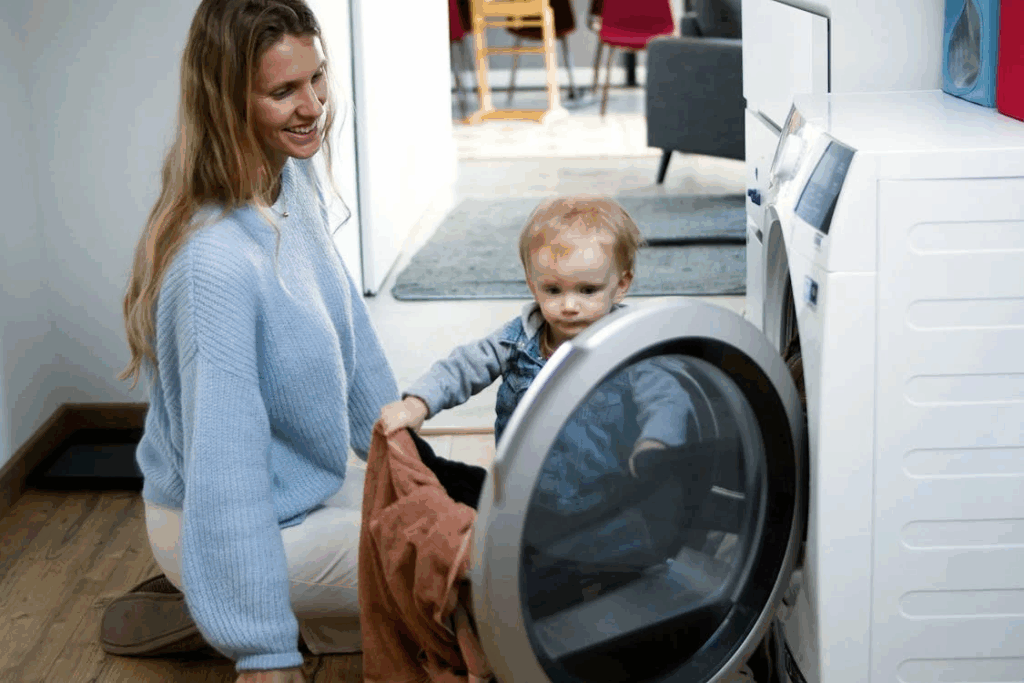
Family rituals are powerful tools for building lasting emotional memories. These can be weekly routines, bedtime stories, shared hobbies, or personal traditions that repeat regularly. Rituals create structure and belonging, and they help children feel grounded in your presence. These routines play a major role in how children remember parents because they represent repeated moments of connection that stand out in the flow of daily life.
Helping Your Child Build Healthy Internal Narratives
Children create internal stories about who they are and how relationships work. Your behavior becomes part of that story. When you validate their feelings, teach problem solving skills, and show unconditional care, they form a positive internal narrative. If you dismiss their emotions or respond unpredictably, the story they create may involve fear, confusion, or self blame. Because narratives form early, they influence adult self worth. This is another reason why understanding how children remember parents is essential for building lifelong emotional health.
What Your Child Carries Forward
You shape your child’s memories of you through hundreds of daily choices rather than a handful of major events. The tone you use, the patience you show, the way you repair conflicts, and the emotional climate you build determine how your child will remember your influence. Being mindful of these subtle yet powerful behaviors helps you create memories grounded in connection, safety, and trust. Understanding how children remember parents gives you the insight to build a relationship that continues to support them long after childhood ends.
Disclaimer: This article was written by the author with the assistance of AI and reviewed by an editor for accuracy and clarity.
Read More: Understanding Why Some Adult Children Don’t Visit Their Parents