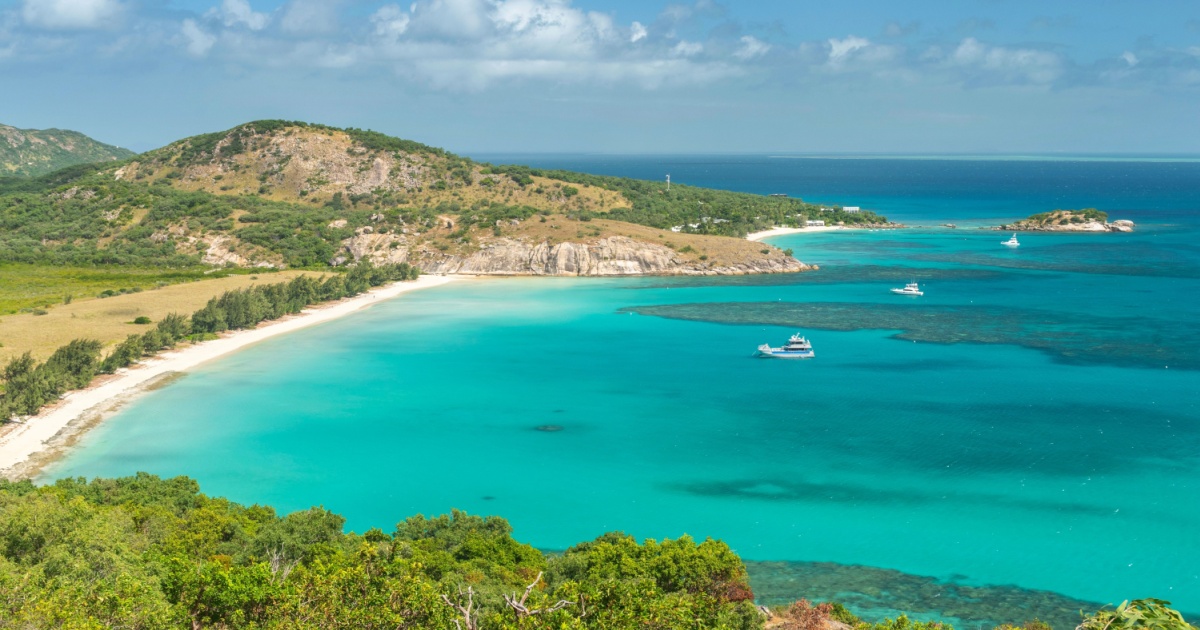

When an 80-year-old woman was found dead on a remote island off Australia, her daughter’s heartbreak turned to anger. Suzanne Rees, a devoted mother and traveler, was discovered lifeless on Lizard Island after being left behind by the Coral Adventurer cruise. This incident of a cruise passenger left behind has shocked the passengers and raised serious questions about safety on luxury voyages.
The story has drawn global attention, as investigators search for answers to a tragedy that may have been preventable.
A Luxury Cruise Turns into a Nightmare
What began as a dream trip became a nightmare. Rees, from New South Wales, had joined the Coral Adventurer for a 60-day voyage around Australia. The cruise, which cost about $52,000 per person, promised breathtaking views and island stops across the Great Barrier Reef.
At the first stop, Lizard Island, Rees joined other passengers on a guided hike under the blazing tropical sun. Witnesses said the climb was tough and the heat was intense. Midway through, Rees began to feel unwell. She was told to return to the ship alone while the group continued up the hill.
Tragically, Rees never made it back to the ship. The Coral Adventurer later departed the island without confirming that every passenger had returned. Hours passed before the crew realized she was missing.
The Shocking Discovery on Lizard Island
The crew finally raised the alarm at 10 p.m. on Saturday night. By that time, the ship had been sailing for hours. They contacted Australia’s Maritime Safety Authority (AMSA), which launched a search and rescue operation.
A helicopter took off shortly after midnight. The next day, rescuers found Rees’ body on the island. Police later said her death was sudden and non-suspicious, suggesting she collapsed in the heat while trying to make her way back alone.
The terrain on Lizard Island is steep and isolated, with few shaded areas. In such conditions, dehydration and exhaustion can turn deadly within hours. Authorities are now investigating whether the cruise line followed proper safety procedures before leaving the island.
A Daughter’s Pain and Outrage
For Rees’ daughter, Katherine, grief quickly became disbelief. She could not understand how a professional cruise company failed to notice that her mother was missing before leaving shore.
“From the little we have been told, it seems there was a failure of care and common sense,” Katherine told The Australian. “It was a very hot day, and Mum fell ill on the climb. She was asked to head down unescorted. Then the ship left, apparently without doing a passenger count. At some stage in that sequence, or shortly after, Mum died, alone.”
Her words captured her heartbreak and anger. She hopes the coronial inquiry will reveal exactly what went wrong and how her mother’s life might have been saved.
To her, this wasn’t a random tragedy. It was a failure of duty, a result of basic safety checks being ignored.
The Cruise Line’s Response
In a public statement, Coral Expeditions, which operates the Coral Adventurer, expressed sorrow over the incident. Chief executive Mark Fifield confirmed that the crew contacted authorities on Saturday evening when they noticed Rees was missing.
“We are deeply sorry that this has occurred,” he said. “We have contacted the woman’s family and will continue to support them through this difficult process.”
Despite the apology, the company’s statement left many questions unanswered. Critics are demanding to know how a cruise passenger was left behind and why staff failed to perform a final headcount before departure. Investigations are now focusing on communication lapses between the hiking guides and ship crew.
Questions About Safety Protocols
This tragedy has exposed weaknesses in the cruise industry’s safety systems. On most cruises, staff must perform a roll call or scan passengers’ cards before leaving any stop.
In this case, that simple but vital step may have been skipped. AMSA confirmed it is investigating whether the ship breached any passenger safety rules.
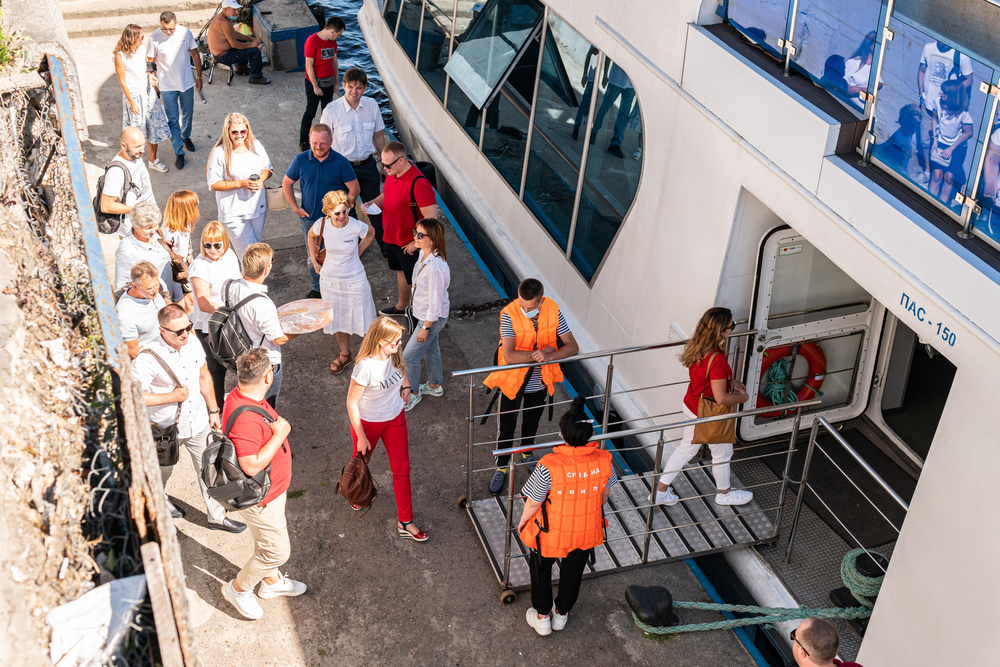
Image credit: Shutterstock
Maritime safety experts say one missed headcount can mean the difference between life and death. When traveling through remote areas with limited communication, mistakes can quickly become fatal.
The cruise passenger left behind on Lizard Island has forced many to question whether the industry is doing enough to protect older travelers during excursions.
The Dangers of Isolation in Harsh Environments
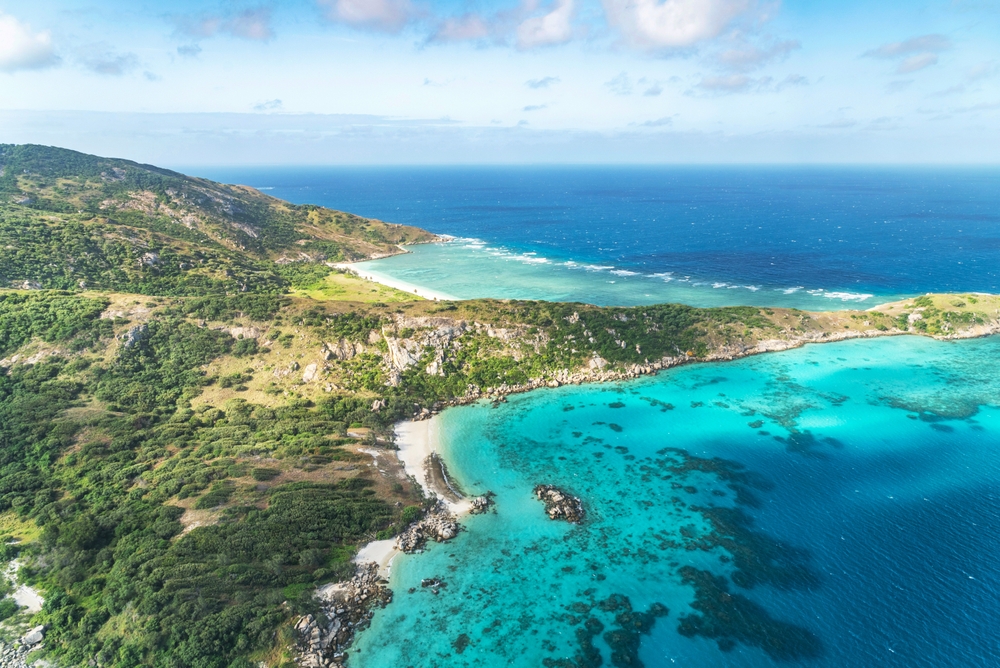
Lizard Island sits about 240 kilometers north of Cairns. Known for its beauty and isolation, it can also be dangerous. The region’s heat often exceeds 35°C, and the rugged terrain provides little shade or water.
For an elderly person, heat exhaustion and dehydration can set in fast. If Rees felt weak and turned back alone, she may have collapsed before reaching safety.
Experts say she might have survived if she’d received proper help. A staff escort, a buddy system, or even portable radios for communication could have saved her life.
The tragedy shows that adventure travel requires more than excitement. It demands careful planning and respect for human limits.
The Broader Industry Concern
Incidents like this are rare, but not unheard of. In past years, several cruise passengers have been left behind after shore excursions. Most are rescued quickly, but the risks remain high in remote locations.
Modern ships use advanced tracking systems, but many excursions rely on manual headcounts conducted by tour guides. A single mistake or miscommunication can have devastating consequences.
Experts now call for better technology, such as GPS wristbands or digital check-ins, to ensure no one is overlooked. Others suggest mandatory fitness checks for passengers joining physically demanding activities.
Read More: Reasons Why People Get Left Behind By Cruise Ships At The Port
Calls for Accountability and Reform
Katherine Rees believes her mother’s death must lead to change. “I hope the coronial inquiry will find out what the company should have done that might have saved Mum’s life,” she said.
Her plea has resonated with other families who trust travel companies to care for their loved ones. When people board a cruise, they expect proper supervision and accountability.
Safety advocates argue that every passenger must be counted and confirmed before departure, especially in remote regions. Clear communication and strict adherence to safety procedures could prevent future tragedies.
As one maritime safety expert told the Sydney Morning Herald, “If this can happen once, it can happen again. That’s why every failure must be examined closely.”
The Human Cost of Negligence
Behind the investigation is a family grieving an irreplaceable loss. Suzanne Rees wasn’t just another passenger. She was a mother, a friend, and a woman who embraced adventure into her eighties.
Her story highlights the fragile trust between travelers and the companies that guide them. A cruise should be a safe and joyful journey, not one that ends in preventable loss.
The image of an elderly passenger left behind by a cruise ship on a remote island lingers painfully. It forces the industry to rethink its definition of adventure and the responsibilities that come with it.
Lessons for Future Travelers
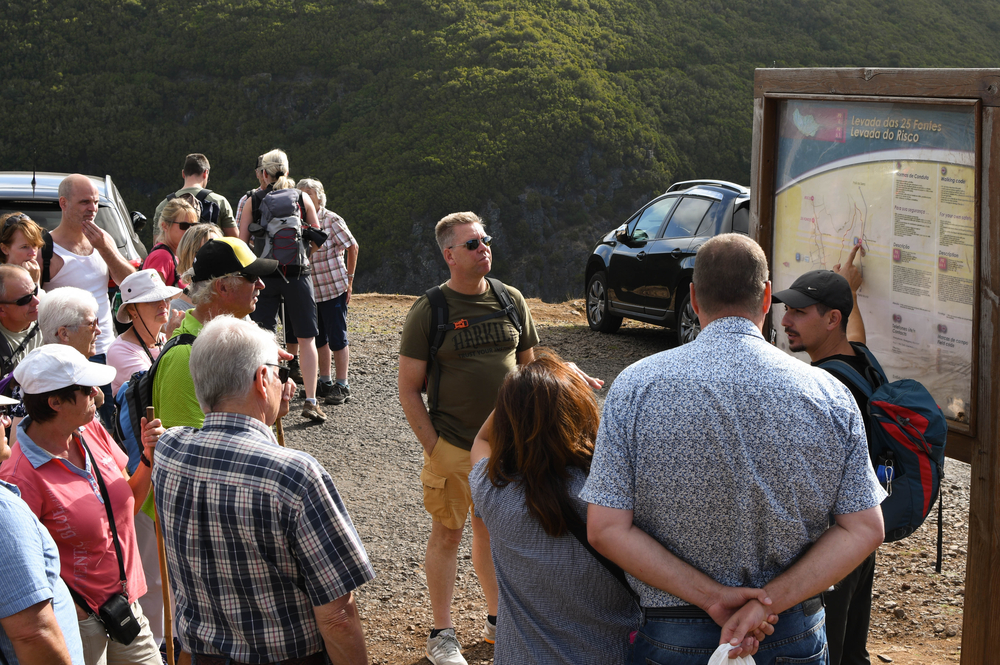
Rees’ death carries important lessons for travelers. Before joining excursions, passengers should confirm that safety procedures, including headcounts and escorts, are in place. Older travelers should also discuss health concerns with staff and avoid physically demanding hikes in extreme heat.
Traveling with a buddy and carrying basic communication tools can make a critical difference in emergencies. Small precautions save lives.
Although this story is heartbreaking, it may inspire stronger safety rules and greater awareness. Perhaps Suzanne Rees’ legacy will be protecting others from similar tragedy.
Closing Thoughts
The death of Suzanne Rees has sparked a wider conversation about accountability at sea. For her daughter, justice is not only about blame but about change.
Investigators will take time to reach conclusions that no passenger should ever be forgotten. Every life deserves to be counted and every traveler deserves to come home.
Katherine’s words continue to echo in the wake of loss. Her message is that care and vigilance save lives, and no mistake should ever cost a person their future.