

Staying healthy and happy in later life is possible even without day-to-day family help. You have the ability to create contentment through practical steps that focus on your independence. Helpful guidance is available from trusted organizations for everything from community resources to harm prevention. Today, we will find out how regular movement, a healthy diet, proper sleep, and regular checkups all help form a dependable base in your life. Additionally, social connection offers support and joy, even when relatives live far away. There are also various programmes that aim to reduce costs for food, medicines, transport, and housing. This article aims to help support senior health and happiness on your terms.
You will see how small habits shape your daily comfort and confidence. Ageing well also includes purpose, creativity, and choice, which thrive in community settings. You can try taking classes or participating in certain volunteer roles that fit your energy level. These options help improve your mood and resilience during the week. This is all about aging well independently with tools that fit your personal routine. You can start with one change this week and build from there. Each improvement supports the next, which helps keep your motivation steady. So, let’s dive right in and discuss the various practical ways you can take your life into your own hands in your senior years.
Build a Supportive Social Circle

Strong social ties improve health, mood, and resilience as you age. It has been proven that loneliness and isolation actually raise risks for everything from heart disease to depression, so addressing social connection early on is wise. Start by noting friends, neighbors, clubs, congregations, and interest groups that suit your energy levels and interests. A weekly plan can help turn these social ties into weekly routine visits and gatherings. Additionally, local councils on ageing and senior centers often run walking groups and meal programs.
These can become regular social events that help build confidence and connection. If you feel stuck, the Eldercare Locator connects you with nearby services by phone, chat, or email. Furthermore, national initiatives also help people find groups that reduce isolation and improve well-being. The National Council on Aging hosts practical articles and checklists about staying connected. MedlinePlus highlights the health impact of isolation, in addition to ways to reach out safely. You can mix in online options when travel is not an option. Start small, but keep the interactions regular.
Moving Your Body Safely and Consistently
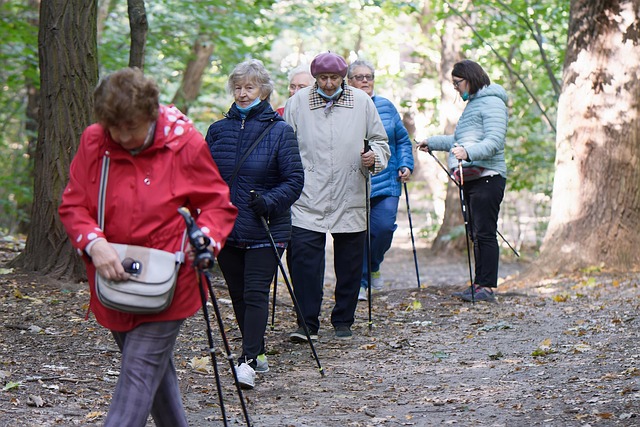
Regular activity supports everything from your heart and muscles to your independence. Health agencies advise that older adults aim for approximately 150 minutes of moderate activity each week, along with some strengthening and balance exercises. Brisk walking, comfortable cycling, gentle laps, and chair routines all count, especially when done on a regular schedule. If pain or fear of falling holds you back, begin with shorter bouts, then add more minutes when you feel ready. Balance drills, such as heel-to-toe walking or Tai Chi, help build your stability and confidence.
Your plan should feel realistic and kind to your joints, so don’t over-exert yourself. If you are restarting after an illness, talk with a clinician about safe starting points. Many communities offer senior-friendly classes at parks, faith centers, and public pools. You can also use free videos from reputable groups that help you better understand how the body ages and what to expect. Keep your shoes supportive and floors tidy to lessen the risk of falling during home exercises. You will find that your momentum starts to build as your routines become more familiar and enjoyable.
Eating for Strength and Immune Support on any Budget
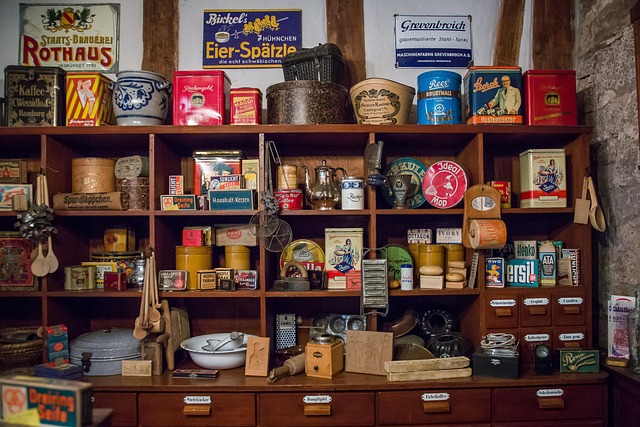
Image Credit: Pixabay
Your food choices shape your muscles, bones, and even your mood. As people age, protein, fiber, calcium, vitamin D, and B12 all start deserving more attention. Government dietary guidance for older adults explains how to create simple meals that cover these needs without fuss. It suggests varied protein sources, colorful produce, and whole grains, plus dairy or fortified alternatives for bone health. Hydration also keeps thinking clearer and digestion calmer, so keep water visible and handy. If groceries strain your budget, check proven benefit programs that help with food, utilities, and medicines. Many older adults qualify but do not apply, even though the process is confidential and free. A brief online screening can match you to local support within minutes. Senior nutrition programs also combine meals with social connection, which supports body and mind. Small improvements add up, so change one plate, one snack, and one habit at a time.
Sleep, Stress, and Emotional Stability

Good sleep helps improve your memory, blood pressure, mood, and balance. Most adults need at least seven hours every night, but patterns can often change with age, medications, and light exposure. Taking certain simple steps makes nights easier, including regular bedtimes, daylight in the morning, and some movement during the day. Try saving screens for earlier hours because late blue light can delay sleep. Keep the bedroom dark, cool, and quiet, and note naps in a brief diary if problems persist. Stress also improves with gentle practices that focus on attention and calm breathing.
Research from NIH’s integrative health institute describes potential benefits from mindfulness, Tai Chi, and related programs for anxiety, mood, and balance. These options fit well with stretching and walking plans, so you can weave them into one routine. If depression or anxiety continues, reach out to a clinician or counselor. Emotional health is part of senior health and happiness, and it deserves proper care.
Preventing Falls
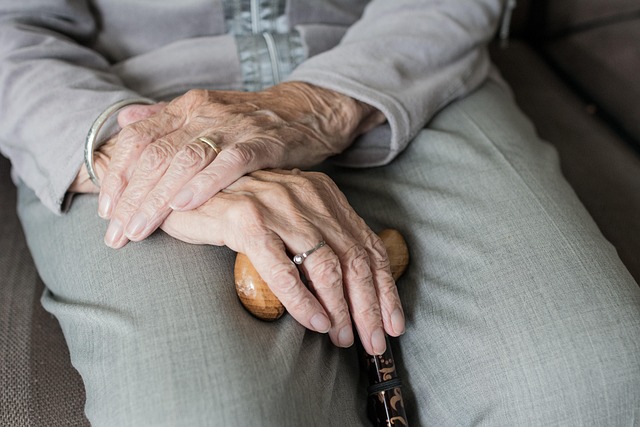
Image Credit: Pixabay
Falls can lead to fractures, pain, and long recovery times, so prevention is worth attention. The U.S. Preventive Services Task Force recommends exercise programs for adults at increased risk, since balance and strength training reduce falls. Your clinician can also review medicines, vision, footwear, and home hazards to lower risk. Simple changes help, including brighter lights, cleared walkways, and railings that match your grip. Assistive devices, when fitted correctly, improve safety and confidence during outdoor errands. Eye and hearing checks matter too because even small changes affect stability. If you have already fallen, ask about tailored physical therapy focused on gait and balance. Combining classes with home adjustments works well when started early. Many communities offer fall-prevention workshops that include practice and coaching. These steps protect mobility and help you continue your favorite activities with fewer worries. That confidence supports daily joy and social life.
Protecting Your Brain and Senses

Hearing and vision influence everything from your safety to your confidence and cognition. Hearing loss can increase feelings of isolation and lower your activity levels, which may affect your physical function. Newer studies suggest that hearing aids may slow cognitive decline in people at higher risk when used consistently. Regular checks catch changes early so you can adjust quickly. Vision exams also support safe mobility and reading, which reduces strain and worry. Brain health benefits from movement, learning new skills, and managing blood pressure and diabetes with support.
The NIA’s cognitive health guidance points to everyday actions, like staying active and staying socially engaged, that keep your mind working well. You can learn a craft, follow a language app, or join a book discussion by phone. Mix social time and learning experiences to get a double benefit. Ultimately, the goal is quite simple. Keep your senses sharp and the brain stimulated in ways that feel enjoyable.
Keep Your Vaccines and Preventive Care Up to Date

Prevention becomes easier with a clear checklist. Adult vaccine schedules outline shingles, flu, tetanus boosters, and other shots that lower serious illness risk. Your clinician can help you decide timing and options based on your health profile. The National Institute on Aging also explains vaccines for older adults in easy-to-understand language, including how to plan visits and track records. Screening and routine checkups help you stay ahead of common conditions. Bring a medication list, hearing notes, sleep diary, and any blood pressure records you keep at home. If transport is a barrier, ask about mobile clinics, ride vouchers, or pharmacy appointments. Many pharmacies now provide walk-in vaccines and reminders. Consider a simple folder or phone note for dates and results. This small system reduces stress, saves repeat calls, and supports senior health and happiness throughout the year.
Find Purpose Through Volunteering and Learning in Age-Friendly Places

Living a life of meaning and purpose supports your mental health and lowers feelings of loneliness. You can volunteer in libraries, parks, clinics, or food programs, often with flexible roles. Learning keeps your mind engaged, whether you join lectures at a community college, take online classes, or meet weekly with a hobby group. Cities and towns that follow age-friendly design principles make participation easier with safer crossings, benches, and accessible buildings.
The World Health Organization’s age-friendly framework describes practical steps that local leaders and citizens can champion. This approach respects diverse abilities and preferences while removing barriers that keep people home. Ask your council or neighborhood association how to join existing efforts. Each small improvement helps more people connect. You also gain friends and a sense of agency, which strengthens peace of mind. All of these pieces work together to support health, happiness, and the freedom to live on your terms.
How to Use Benefits and Hotlines

Image Credit: Pixabay
Financial strain can undermine health choices, so it helps to have access to support. The National Council on Aging runs BenefitsCheckUp, a free tool that screens for food, utility, medicine, and housing programs. All you need to do is answer a few simple questions, then receive a personalized list with application steps. The Administration for Community Living funds services across the country, including the Eldercare Locator, which connects you to local agencies by phone, chat, or email. Senior nutrition programs also tackle loneliness through shared meals, which strengthen social ties. These resources exist because ageing well should not depend on family income or proximity. They are private, credible, and built to help you act quickly. Use them when budgets feel tight or choices feel confusing. Getting help with costs frees up more time and energy for things like walking, cooking, and social time.
Read More: Over 60? It’s Time to Break These 16 Old-School Rules
The Benefits of a Weekly Plan

Image Credit: Pixabay
A single page can steady your whole week and reduce decision fatigue. Start by writing two movement blocks that fit your current energy. These could be a neighborhood walk or a gentle class at the community center. Add two planned social contacts that feel comfortable and easy to keep. A phone call with a friend or a tea visit with a neighbor both count. Include two small food goals that support strength and steady energy. You might add a serving of vegetables at lunch, or plan protein for breakfast. Now add one clear sleep improvement that you can practice nightly. You could set a consistent bedtime or dim lights earlier in the evening. Place a simple reminder to drink water with lunch so hydration becomes routine.
Note any appointments you should schedule, including vaccines, hearing checks, or vision exams. Keep the page somewhere visible, such as the fridge door or by the exit. When energy dips, shrink your targets but keep the rhythm alive. When your energy dips, reduce your targets while keeping the routine going. When your energy level rises, add a few minutes or one extra class. Over time, the pattern becomes friendly and familiar, which lowers stress. If you have any issues, call your clinic or the Eldercare Locator for guidance. Most plans only need small adjustments, not dramatic changes that feel overwhelming. This approach protects independence while making daily life more predictable. Senior health and happiness grow steadily when actions remain small, specific, and consistent.
The Bottom Line
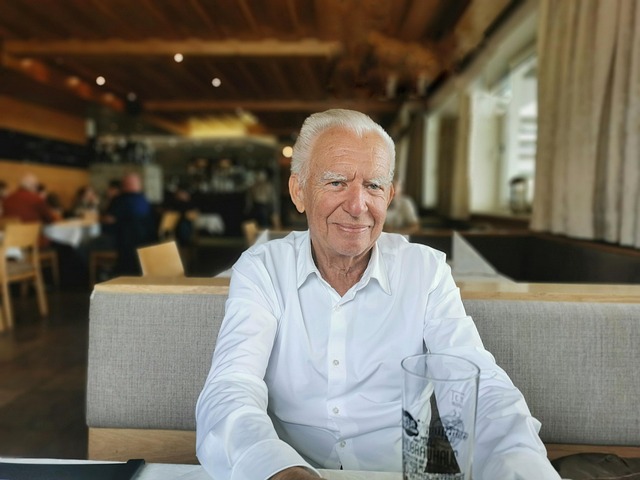
Image Credit: Pixabay
You have many practical ways to sustain health, calm, and purpose without leaning on family support. Move your body often, and pair that effort with nourishing meals. Protect your sleep with a routine that feels predictable and kind. Build connections with neighbors, clubs, or volunteers who value your time and stories. Keep medical checkups current, and schedule vaccines before busy seasons arrive. Walk through your home and fix hazards that could cause a fall. Use public programs that lower costs and widen choices, because they exist for everyone. This is senior health and happiness practiced on your terms, and it works today.
You are aging well independently when you guide your plan with patience and care. You also end up finding joy and health as a senior when these habits feel good. Trusted resources can answer questions quickly, so you do not feel alone. Give yourself permission to begin small, then build as confidence grows. Track wins in a simple notebook so progress stays visible. Celebrate steady weeks, and forgive the uneven ones without guilt. Ask for professional help when you need clarity or reassurance. Your life still holds many chapters, and each chapter can feel calm and strong. With deliberate choices and friendly routines, those chapters can also shine bright.
Disclaimer: This article was created with AI assistance and edited by a human for accuracy and clarity.
Read More: 98-year-old Senior put in pool for neighborhood kids after wife passes away