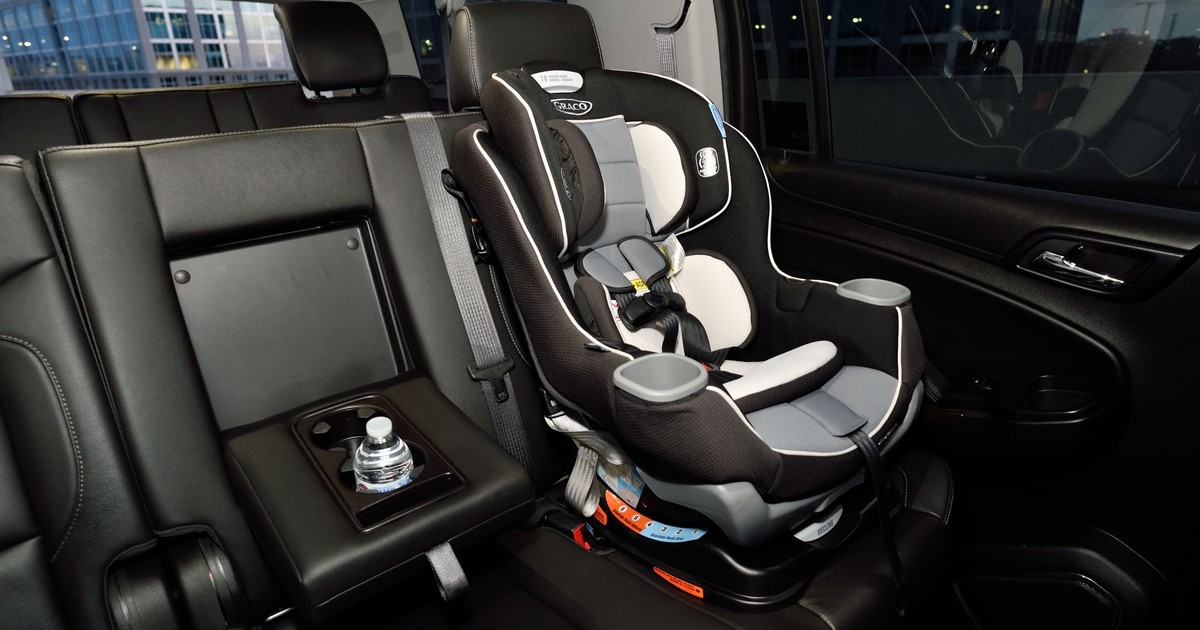

December 5, 2026, is not the day the government decided your child’s car seat needed to do more. That decision came four years ago. What happens on December 5 is simpler. And more concrete. It becomes the date after which every covered car seat manufactured must actually prove it can protect a child from the side.
For most families, the distinction between a rule being issued and a rule being enforced matters a lot. Parents have spent the last few months fielding panicked headlines about new car seat requirements without a clear answer to the only question they actually need answered. Does this affect the seat already in my car? In most cases, the answer is no.
The confusion is understandable. Federal safety regulations don’t typically announce themselves with friendly explainers. They move through the Federal Register in dense procedural language. Get picked up by news outlets in waves of compressed summaries. Land in parenting group chats as half-understood warnings. Here is what the rule actually says.
What Changes on December 5
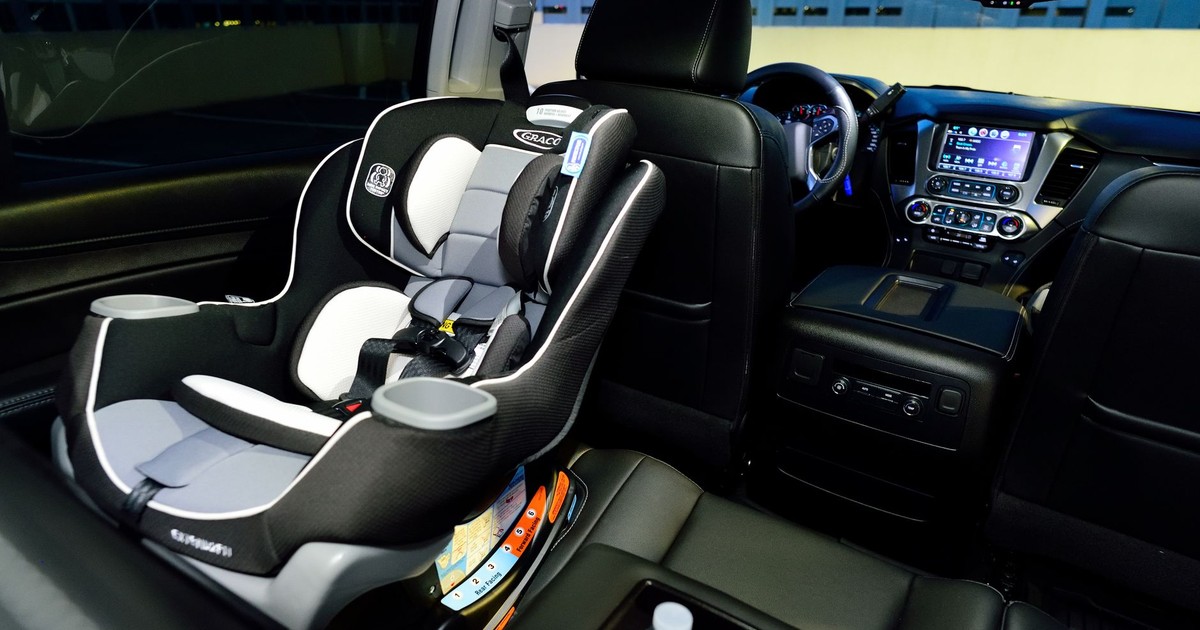
Starting December 5, 2026, updated federal testing standards affect how covered car seats are tested for side-impact crashes and how child restraints are tested for frontal crashes. There are two standards involved, and they work together.
The first is FMVSS 213a, which covers side-impact protection. NHTSA established FMVSS 213a in June 2022, setting forth side-impact protection requirements for child restraint systems. NHTSA issued the side-impact rule in 2022; December 5, 2026, is its mandatory compliance date.
The second is FMVSS 213b, which updates the frontal-crash testing standard. The September 2026 Federal Register confirms that the existing standard, FMVSS 213. Applies to child restraint systems manufactured before December 5, 2026. FMVSS 213b applies to child restraint systems manufactured on or after that date.
What the Side-Impact Test Actually Does
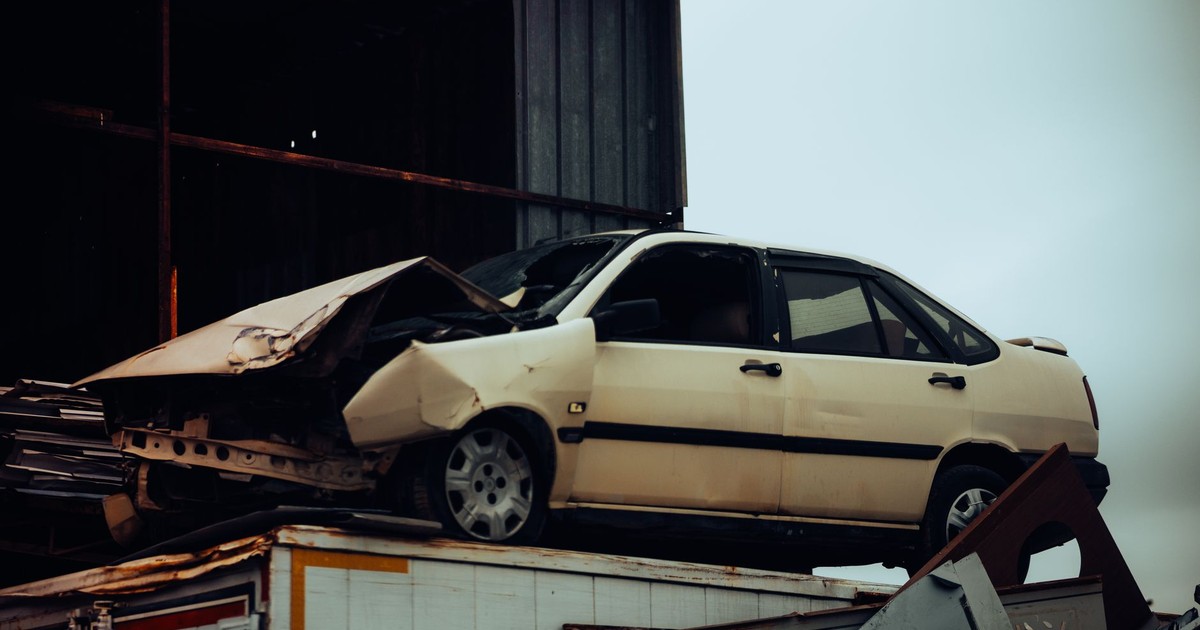
Before this rule, there was no federal requirement for car seats to pass a side-impact crash test. Manufacturers could include side-impact protection features, but nothing in federal law required them to prove those features worked in a standardized test. FMVSS 213a adds a new sled test for child seats simulating a 30 mph side-impact crash involving two vehicles.
The test is specific about what it’s measuring. According to NHTSA. The new standard “ensures that child seats can restrain the child, prevent harmful head contact with a vehicle door or seat structure and reduce crash forces to the chest.” The test equipment itself includes a simulated vehicle seat and door panel designed to replicate the physics of a real T-bone collision.
Read More: Parents warned over dangers of your children wearing winter coat inside cars
NHTSA estimates the final rule will reduce 3.7 fatalities and 41 non-fatal injuries annually. That number is not enormous in absolute terms, but in context, these are children, and these are preventable.
Which Seats Are Covered

The standard does not apply to every child restraint on the market. FMVSS 213a introduces new side-impact testing for car seats designed for children who weigh up to 40 pounds or are up to 43.3 inches tall. This covers the most common types. Infant carriers, convertible seats, combination seats, all-in-one seats, and booster seats used in that weight and height range.
Exemptions from the side-impact requirements include harnesses, school bus child restraint systems, and car beds. The school-bus exemption is particularly worth understanding. NHTSA recognized that the side-impact crash environment of a school bus differs significantly from the simulated side-impact test in FMVSS 213a. Is why school-bus-specific restraints were carved out. The test was designed for private vehicle crashes, not bus crashes.
One additional update in the September 2026 Federal Register amends FMVSS 213a so that a specific infant crash test dummy is no longer used to test certain forward-facing child restraint systems. Aligning the test dummy sizes used in both frontal and side-impact evaluations.
What This Means for Your Existing Seat

These regulatory updates apply only to newly manufactured car seats made on or after December 5, 2026. The manufacture date stamped on your seat is the number that governs which standard applies, not the date you bought it. Not December 5 itself.
If your seat was made before December 5, 2026, it was manufactured under the previous standard. FMVSS 213, and it remains legal, valid. Compliant with the standard it was built to meet. You are not required to replace it. A seat that passed the old tests did not suddenly fail them when the calendar changed.
The updated standards include labeling rules specifying that manufacturers must indicate a minimum booster-seat weight of at least 40 pounds. This is a labeling requirement for new seats, not a signal about when your individual child should transition out of a harnessed seat. Your child’s readiness to move to a booster depends on their size and the specific limits of the seat they’re currently in.
If You Are Buying a New Seat After December 5

Seats manufactured on or after December 5 will be built to the new standard. Many manufacturers had already updated their products to meet the new side-impact requirements ahead of the mandatory date, according to ABC News.
If you’re buying and want to confirm compliance, contact the manufacturer directly and ask whether the seat meets FMVSS 213a. Not all packaging will immediately reflect the new compliance language, particularly for seats that were manufactured or packaged close to the transition date.
The new frontal-crash standard, FMVSS 213b, also updates the test bench used to evaluate how seats perform in a front-end collision. The updated test seat is designed to better represent a modern vehicle’s rear seat. The standard uses a simulated lap-and-shoulder belt during testing rather than the lap belt that was used for many seats under the older standard.
A Note on What “Safer” Means Here
It would be easy to read this rule and conclude that any seat made before December 5 is somehow compromised. That’s not what the rule says and it’s not what the evidence shows. The seats your child is riding in right now were tested against a federal standard. They passed it. The new standard raises the floor by adding a side-impact requirement that didn’t exist before.
What the rule does is ensure that going forward, every manufacturer selling a covered car seat in the United States has demonstrated. Under a standardized test, that the seat can handle a side-impact crash within defined injury thresholds. Before 2022, there was no federal side-impact test at all. Side-impact collisions, also known as T-bone crashes, can be particularly deadly for children because there is less space and structure between them and the point of impact.
The rule also matters as a floor, not a ceiling. Manufacturers can and do exceed minimum standards. The winter coat warning is a useful reminder that how you use a seat matters as much as which seat you have. A correctly installed seat with straps that fit correctly will outperform a technically superior seat with an inch of slack in the harness every time.
Where This Leaves You

Federal safety rules do not arrive with emotional reassurance. Is probably why they generate so much anxiety when they finally surface in the news. The framing tends toward urgency because urgency gets clicks, and “your seat is probably fine, here’s the nuance” does not.
Child car seat standards in the United States are more rigorous now than they were four years ago. They will be more rigorous still for every seat manufactured from December 5 onward. The gap that existed, no federal requirement to prove a seat can protect a child in a side-impact crash, has been closed. That is a genuine improvement.
What it is not is a reason to panic, to discard a seat that’s otherwise within its useful life. Or to interpret any transition date as a verdict on the seat your child is in right now. The manufacture date on your seat tells you which standard it was built to meet. If the seat is not expired, not recalled, not damaged, and installed correctly, it is doing its job. The new child car seat standards change what comes next, not what’s already in your back seat.
Editor’s note: The December 5, 2026, date applies to covered car seats manufactured on or after that day. Parents are not required to replace seats they already own. The manufacture date on the label, not the purchase date, is what matters.
Disclaimer: The author is not a licensed medical professional. The information provided is for general informational and educational purposes only and is based on research from publicly available, reputable sources. It is not intended to constitute, and should not be relied upon as, medical advice, diagnosis, or treatment. Always consult a licensed physician or other qualified healthcare provider regarding any medical condition, symptoms, or medications. Do not disregard, avoid, or delay seeking professional medical advice or treatment because of information contained herein.
AI Disclaimer: This article was created with the assistance of AI tools and reviewed by a human editor.