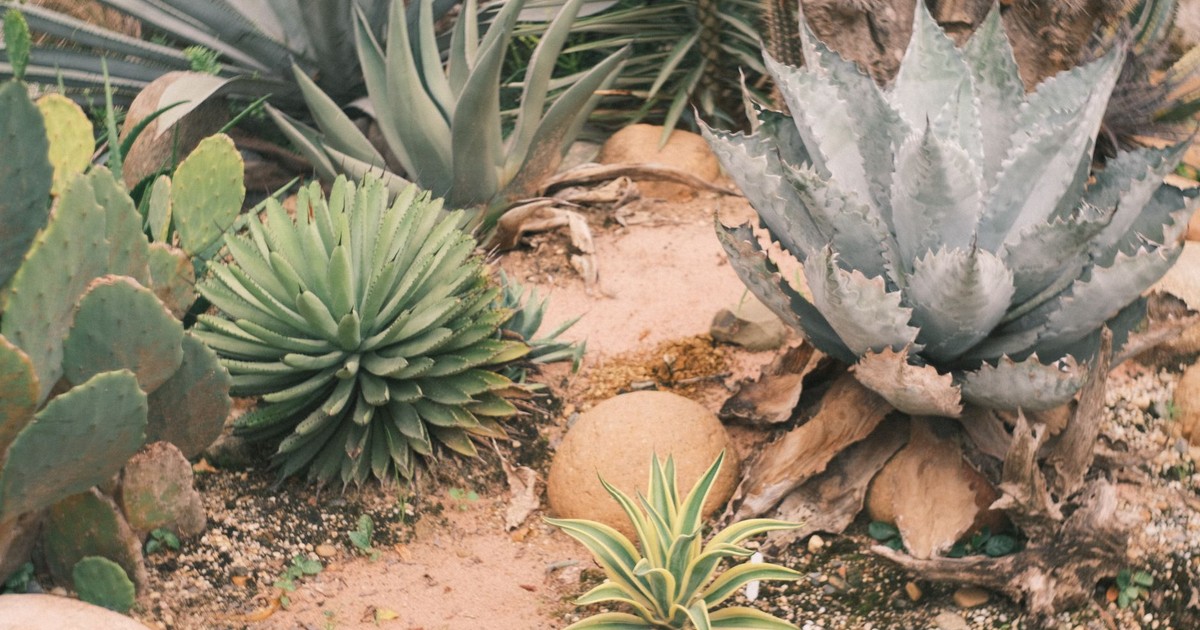

Lavender, sedum, and agave are among the most reliably killed plants in American home gardens, and the culprit almost never is a dry summer. It’s a well-meaning gardener who waters too often because she assumes every plant needs the same care her hydrangeas do. The whole category of drought tolerant plants operates on a philosophy that runs counter to everything we’ve been taught about keeping things alive: they do better when you leave them alone.
Most of us are not forgetting to water our gardens out of neglect. We’re forgetting because we have approximately nine hundred other things going on, and the garden keeps finishing last on the list. There’s an entire world of plants specifically built for exactly that situation, and they happen to be beautiful.
The trick is knowing which ones actually belong in this category, what they need during the establishment phase before you can start ignoring them, and how to combine them so your yard looks intentional rather than abandoned.
Why Your Garden Drinks More Water Than You Think
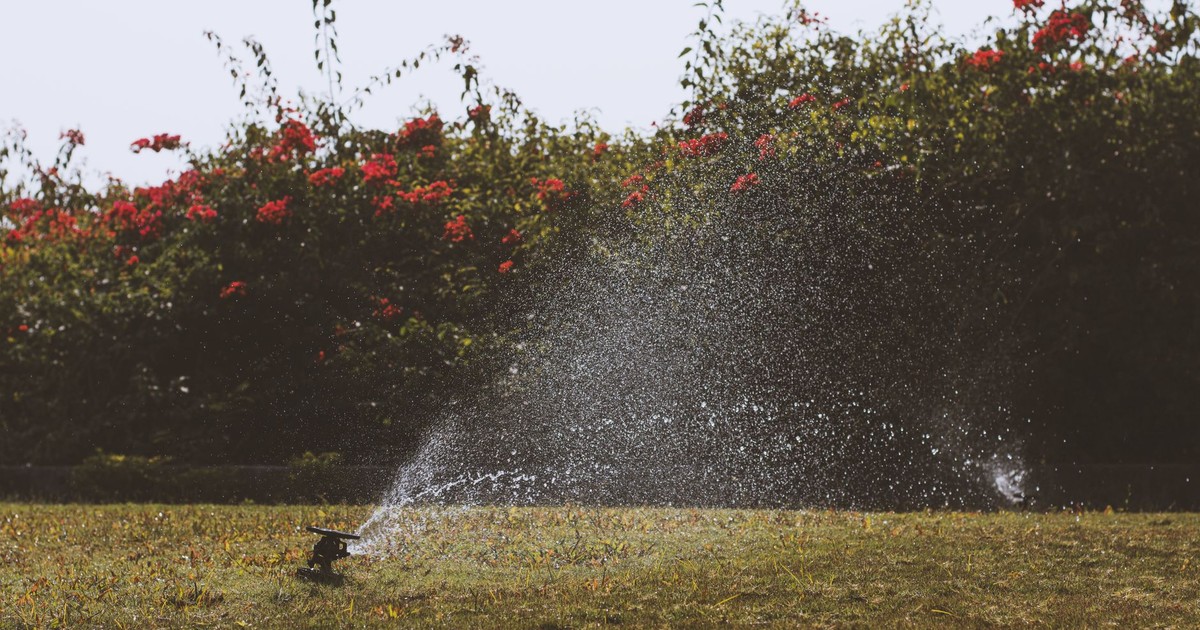
Residential outdoor water use across the United States accounts for nearly 8 billion gallons of water each day, almost all of it going toward landscape irrigation. According to the EPA, roughly 70 percent of household water use occurs indoors — showers, toilets, faucets, and washing machines — while outdoor use accounts for about 30 percent nationally, though that figure climbs significantly in arid regions.
Depending on where a home is located, maintaining its outdoor landscape can account for anywhere from 30 to 70 percent of the home’s total water use. In the Southwest, that figure skews toward the top of that range. The plants most homeowners default to – thirsty lawn grass, impatiens, petunias – need constant irrigation to survive. Swapping them out for drought tolerant plants is not a compromise; it’s a recalibration.
Drought tolerant plants are species that thrive with minimal supplemental water once established. Many feature water-storing leaves or stems, deep or fibrous root systems, reflective or fuzzy foliage, and aromatic oils that reduce moisture loss. They’re not “no-water,” but are reliably resilient with smart siting, proper soil prep, and deep, infrequent watering. The establishment period – typically the first growing season – is where most people either succeed or give up. After that, the whole calculus changes.
The Establishment Window (Don’t Skip This Part)
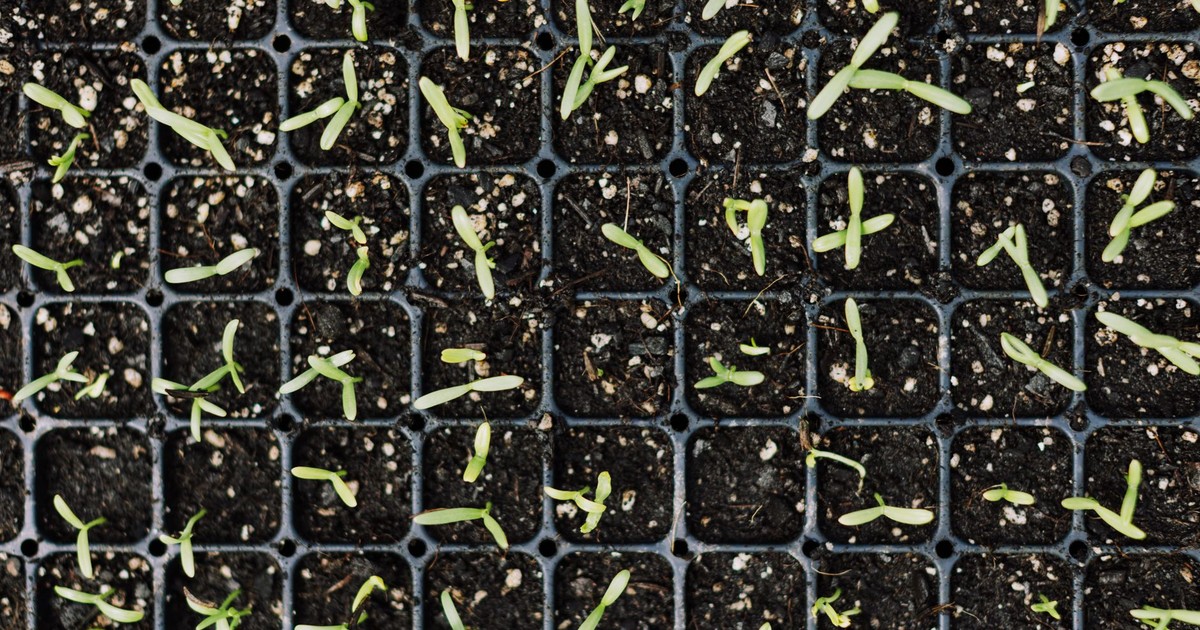
Most drought tolerant plants need regular deep watering for at least the first one to two years after planting. Once their roots grow deep, they can thrive on rainfall or very occasional soaks. This is the phase where people either give a new plant the start it needs or assume it should already be tough and let it struggle. Deep, infrequent watering during establishment trains the roots to go downward seeking moisture rather than staying shallow and dependent.
After that window closes, the rules flip. Overwatering is the actual danger. Lavender sitting in waterlogged soil will rot at the crown long before a drought will touch it. Agave planted in heavy clay that doesn’t drain will decline not from thirst but from suffocation. The plants themselves are not difficult; the adjustment is learning to trust them.
Lavender: The Overachiever
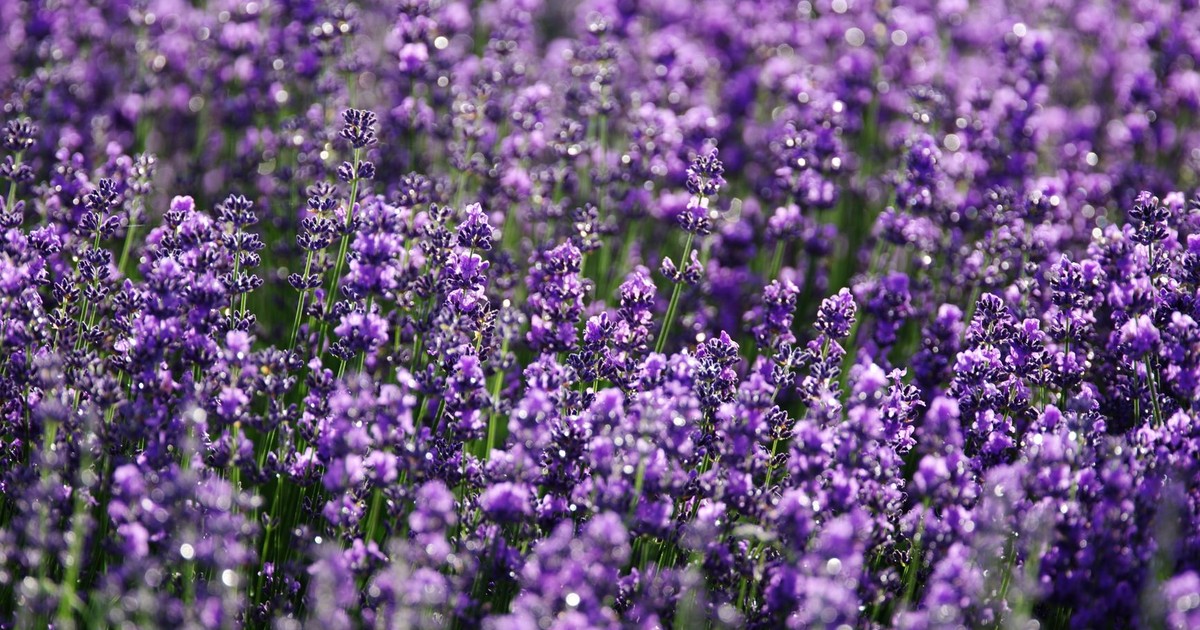
Lavender is highly drought tolerant, thriving in full sun and well-draining soil. Its fragrant flowers attract pollinators and its silver foliage adds beauty to any garden in every season. It also happens to be one of the most useful plants you can grow – harvestable for sachets, cooking, homemade oils, or simply cutting and putting in a jar on the kitchen counter.
The silver-gray foliage is not just decorative. That coloring is an adaptation: light-reflecting leaves lose less moisture to evaporation in intense heat. What reads as a design choice is actually a survival strategy, which is true of many Mediterranean plants. Lavender is rich in nectar and pollen, supporting bees, butterflies, and other beneficial insects – one of the rare plants that works hard on multiple fronts without requiring anything complicated in return.
Plant it in the sunniest, driest spot you have. Give it gritty or sandy soil and, after the first season, essentially leave it alone. If you’re also trying to make your outdoor space less hospitable to mosquitoes, lavender pulls double duty – its aromatic oils disrupt mosquitoes’ ability to locate hosts.
Echinacea (Coneflower): Built for the Midwest
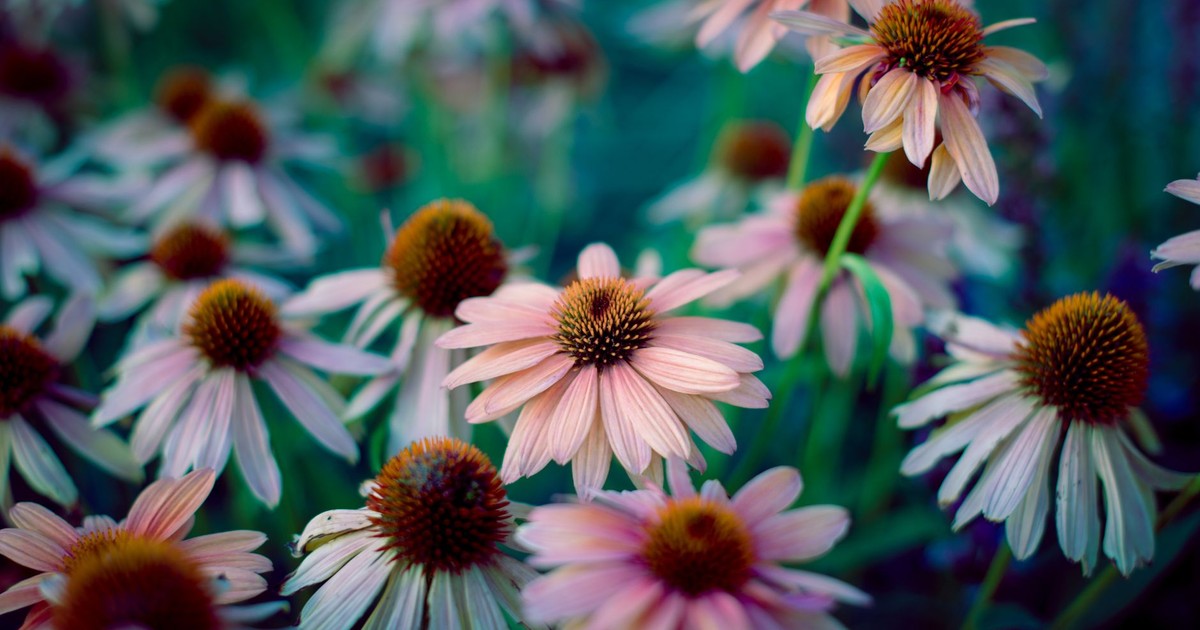
Coneflowers are bold, hardy, and colorful. These full-sun perennials are native to the North American prairies, which means they evolved specifically to handle alternating wet springs and scorching, rain-scarce summers. A plant that came up in that environment doesn’t need coddling.
Echinacea is native to North American prairies, making it heat and drought tolerant, easy to grow, and virtually maintenance-free. The roots can go several feet down, pulling moisture from levels that a shallow-rooted annual could never reach. They self-sow readily, which means a patch planted this fall could become a substantially larger colony by the summer after next, all without any intervention on your part.
In the Great Plains and Midwest, echinacea pairs well with black-eyed Susan, switchgrass, little bluestem, butterfly weed, and prairie smoke for a garden that reads as a cohesive native planting rather than a haphazard collection of survivors. The birds come for the seed heads in late fall, which is reason enough to skip deadheading.
Russian Sage: The Most Underrated Plant in This Category
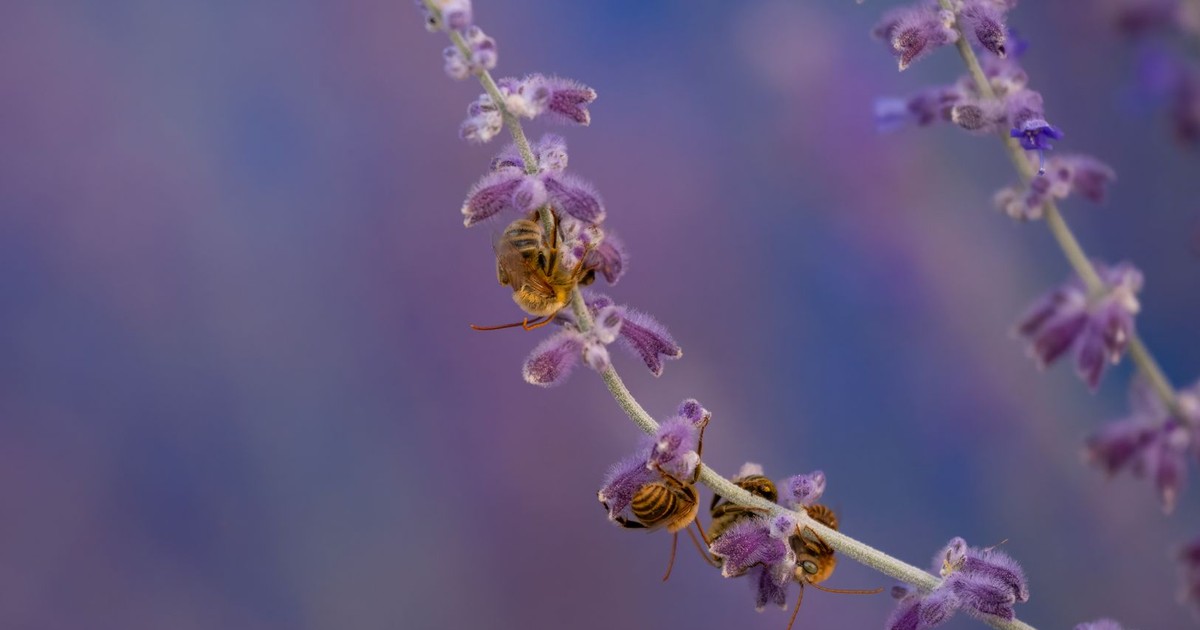
Russian sage is a hardy perennial that brings genuine elegance to drought-tolerant gardens. Its tall, airy spikes of lavender-blue flowers and silvery-gray foliage create a striking contrast that adds depth and texture to any landscape. It blooms for an extraordinarily long stretch – midsummer through early fall – in that particular shade of hazy purple-blue that photographs beautifully and works with almost any color scheme.
In the Mountain West, Russian sage pairs well with yarrow, blanket flower, little bluestem, and native penstemon for a planting that can handle altitude, cold winters, and blazing dry summers in equal measure. It asks for full sun, good drainage, and patience: the first year it sits and thinks. The second year, it starts to do something. By the third year, it’s the thing your neighbors ask about.
Agave: Architecture That Doesn’t Drink
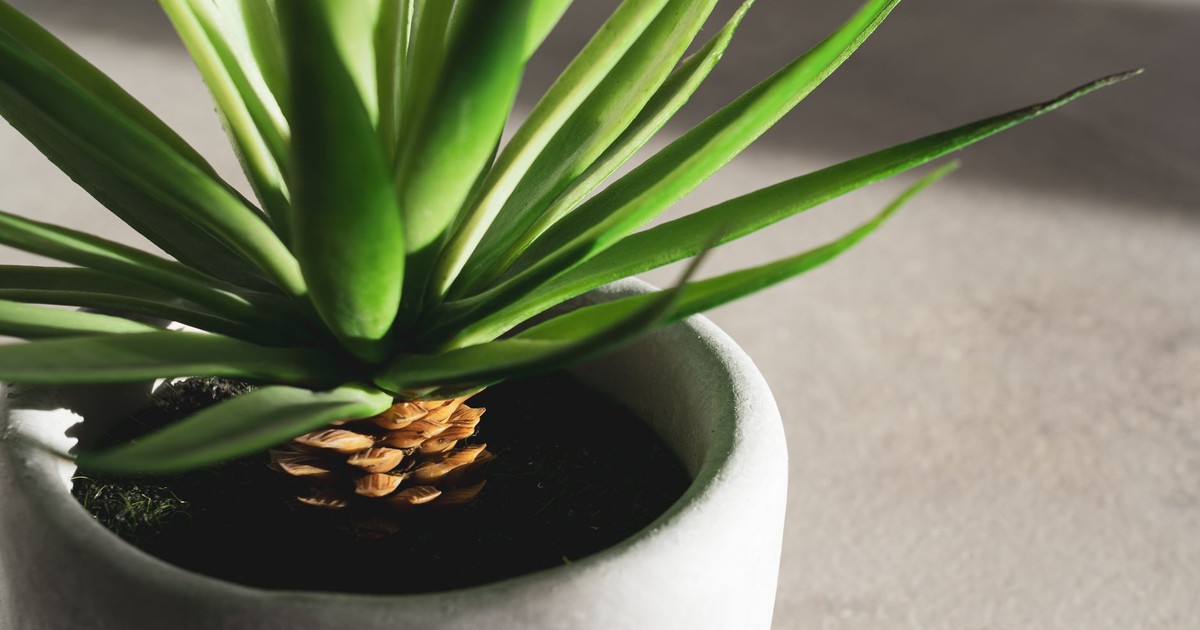
Agave plants are succulents with thick, fleshy leaves that store water, making them perfect for arid environments. Their ability to store water and withstand extreme heat makes them a hardy choice for dry landscapes. No other plant makes as strong a visual statement with as little effort. An agave planted in the right spot looks like someone made a deliberate design choice, which they did – the choice being to plant something that doesn’t require constant supervision.
Agave is exceptionally resilient to pests and diseases. With varieties ranging from the small Agave parviflora to the grand Agave americana, this plant suits many different spaces – from a large backyard focal point down to a statement container on a sunny patio. The primary requirement is drainage. Plant it anywhere that water pools after rain and it will struggle. Plant it in rocky, gritty, fast-draining soil and leave it entirely alone, and it will reward you with decades of structural interest.
Sedum: The Groundcover That Remembers Nothing Bad About Being Ignored
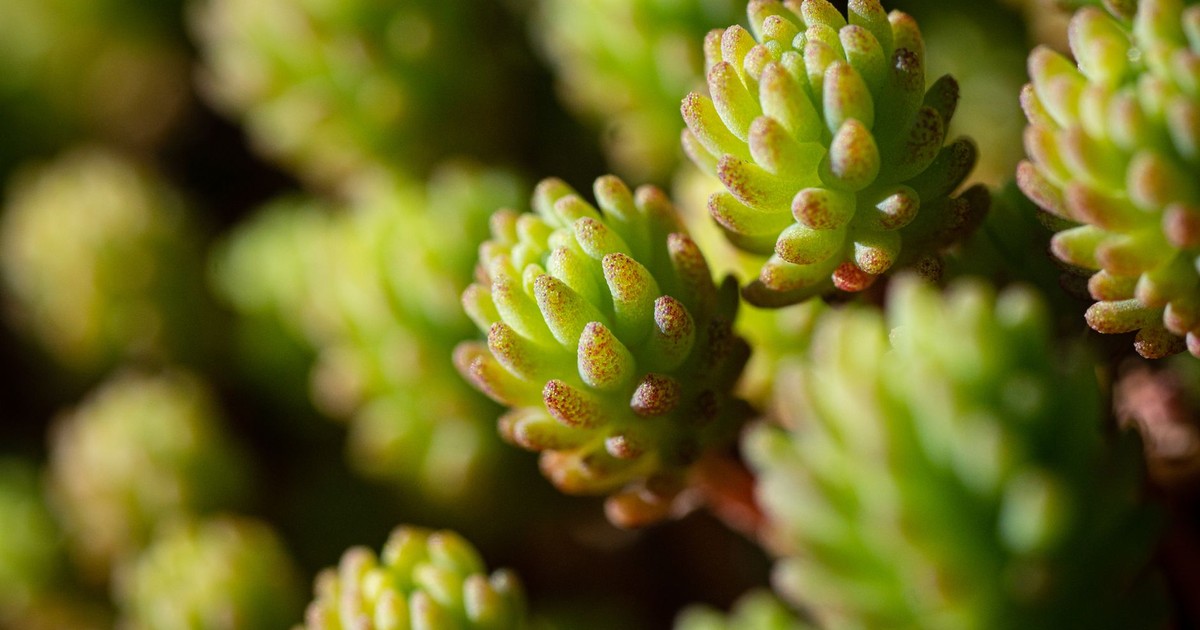
Sedum, sometimes called stonecrop, is a broad category of succulent groundcovers and upright perennials that share one defining quality: they store water in their thick, fleshy leaves and draw on those reserves when rain doesn’t come. The Autumn Joy variety, for example, offers vibrant pink blooms that transition to a copper hue in the fall, creating year-round visual interest. Incorporating sedum into a garden reduces maintenance efforts and creates textural contrast that complements other drought tolerant plants, such as agave or lavender.
Low-growing sedum varieties are particularly useful for problem spots: dry slopes that erode, rocky areas where nothing else wants to grow, the strip between a driveway and a wall that gets full afternoon sun and dries out in about an hour. They knit together into a mat that outcompetes weeds, doesn’t need dividing for years, and never once protests a skipped watering.
Yarrow: The Workhorse Nobody Talks About Enough
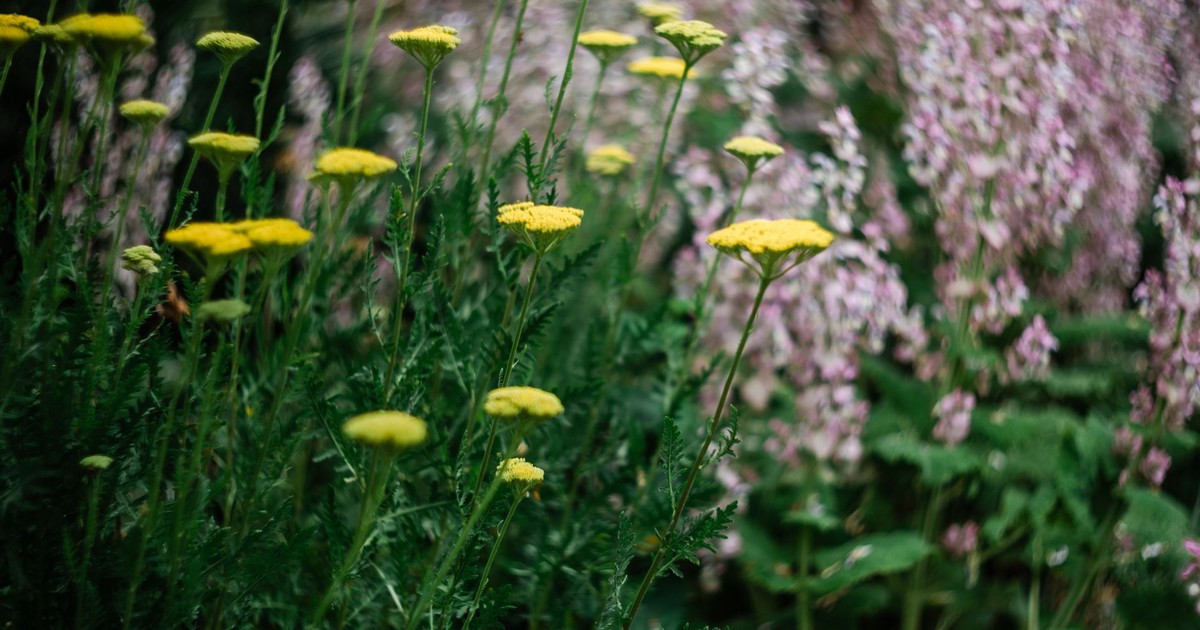
Yarrow (Achillea millefolium) has been growing in dry meadows and disturbed roadsides across North America for so long that it barely registers as a garden plant anymore, which is exactly why it belongs in your garden. Native to western U.S. prairies, dry meadows, and grasslands, yarrow thrives in dry sunny conditions and lean soil. Its flowers attract bees and other pollinators, while seed heads provide food for songbirds and other wildlife.
Yarrow grows in flat-topped clusters of tiny flowers in colors ranging from white and cream through yellow, gold, salmon, and deep rose. It tolerates poor soil, drought, heat, and cold, and it spreads slowly by rhizome – meaning it will gradually fill in a space without becoming invasive. Cut it back hard after the first flush of bloom and it will come back with a second round. Divide it every few years and you have more plants to put elsewhere.
Ornamental Grasses: The Structure You Didn’t Know You Needed
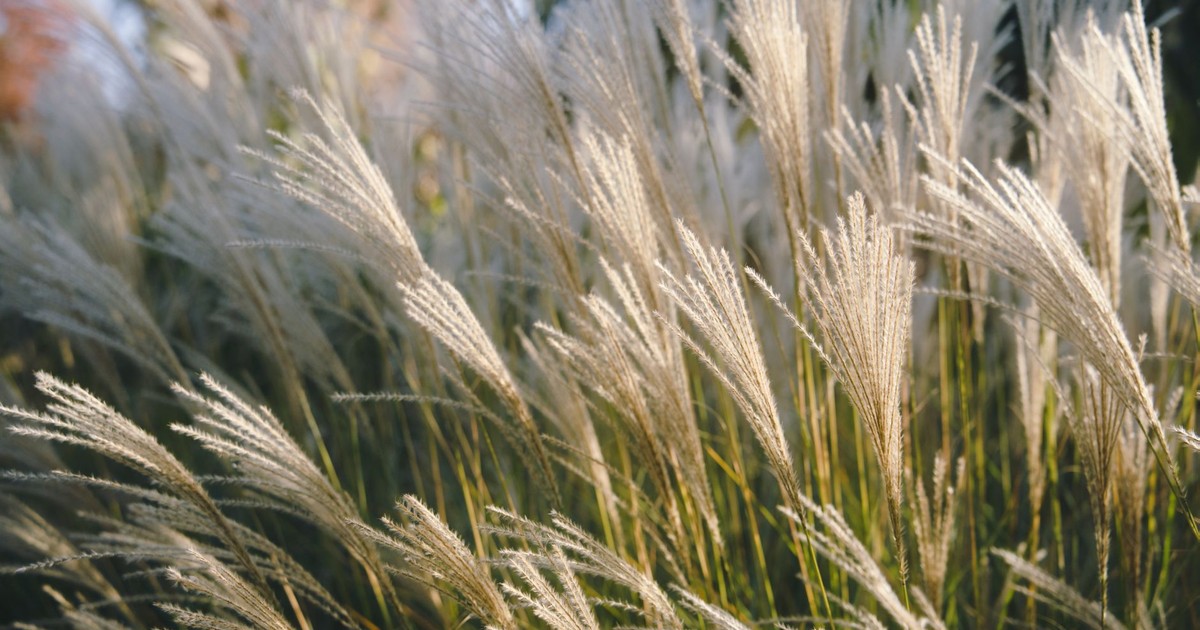
Many ornamental grasses are drought tolerant, requiring little supplemental water once established. Blue fescue, for example, provides multi-seasonal interest, with evergreen foliage and elegant wheat-colored seed heads that hold all summer long. Grasses also do something that flowering perennials can’t: they move. A breeze catches ornamental grass and the whole clump bends and ripples, and suddenly the garden feels alive in a way no static planting can replicate.
Karl Foerster feather reed grass is one of the most reliably drought tolerant of the upright grasses – it goes from a tightly architectural clump in spring to a six-foot column of feathery plumes by midsummer, and it holds that structure through winter, giving the garden bones when everything else has gone dormant. Little bluestem turns a fiery copper-orange in fall that is genuinely difficult to replicate with any other plant.
Among the most consistent performers across U.S. regions are lavender, salvia, yarrow, sedum, agastache, echinacea, Russian sage, black-eyed Susan, coreopsis, and gaura, according to the Farmers’ Almanac. This is a useful shortlist for anyone building a drought-tolerant planting from scratch: most of these are available at any good nursery, most bloom at slightly different times, and together they provide color and structure from late spring through first frost.
Getting the Conditions Right
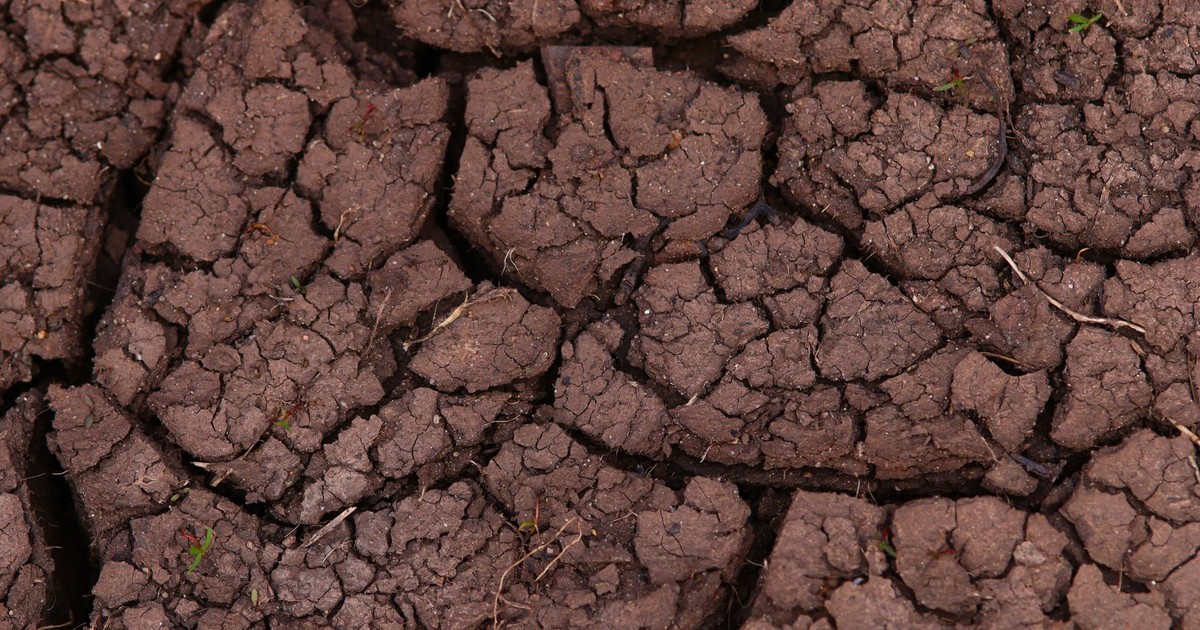
One reason drought tolerant plants fail in home gardens has nothing to do with watering frequency. It’s soil. Most of these plants evolved in lean, fast-draining ground – sandy soil, rocky hillsides, thin prairie clay – and when you plant them into rich, amended garden beds that hold moisture, you’re giving them conditions they were never designed for.
If you have heavy clay, work in coarse grit before planting, or build a raised bed and fill it with a leaner mix. A two-inch layer of gravel mulch rather than bark mulch will also help: it keeps the crown of the plant dry while still moderating soil temperature. Building structure from drought-tolerant shrubs, weaving in long-blooming perennials and grasses, and filling gaps with succulent groundcovers is the reliable approach. Choosing plants suited to your USDA zone, soil, and sun, grouping them by water needs, and mulching well ties the whole system together.
The Part Nobody Warns You About
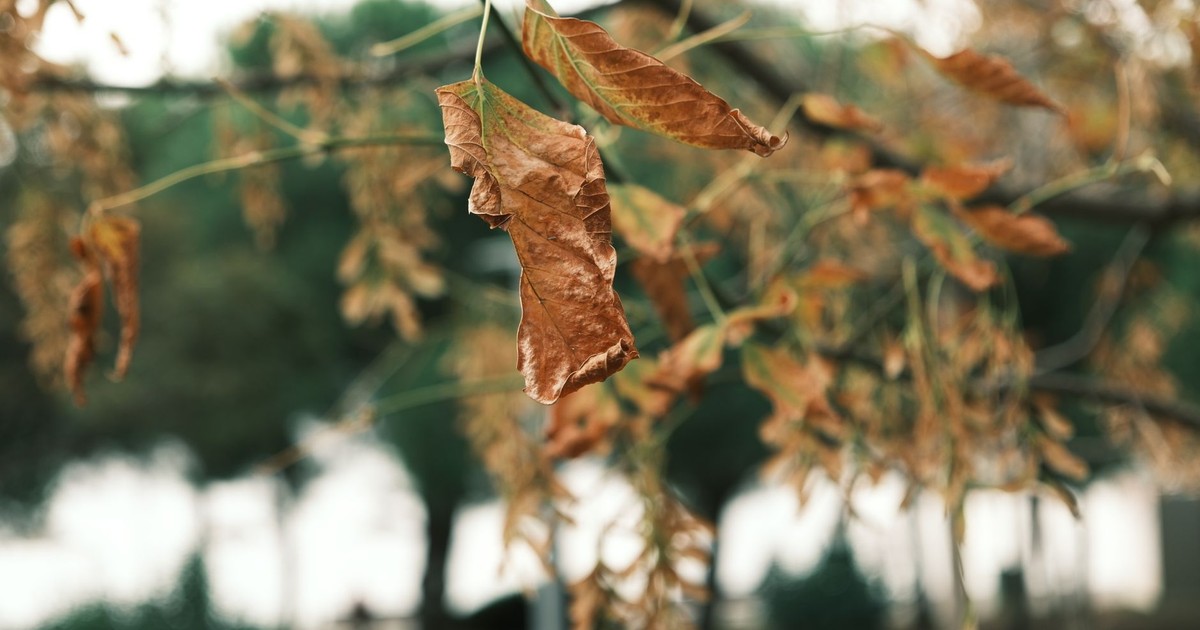
The hardest adjustment for most gardeners isn’t remembering to water. It’s forgetting to. Drought tolerant plants require a genuine change in habit – a willingness to walk past the garden on a hot July afternoon and do nothing, even when every instinct says something must need attention. They don’t. Or rather, what they need is the opposite of attention: they need to be left alone to do what they were built to do.
“Drought tolerant” doesn’t mean “works anywhere with no thought.” Regional fit matters enormously. In the Southwest – Arizona, New Mexico, Nevada, and west Texas – agave, ocotillo, penstemon, desert marigold, Mexican feather grass, yucca, agastache, salvia, and lavender are the most reliable choices, planted fall through early spring. In the Southeast, lantana, salvia, gaura, coreopsis, beautyberry, and gaillardia handle the heat, with drought tolerance proving its value especially in August, when the region dries out in ways that surprise people who assume it’s always humid.
The plant that thrives effortlessly in one corner of the country may struggle in another, not because it’s fragile but because it’s simply in the wrong place. Pick for your region, amend for drainage, water deeply through the first season, and then step back. The garden will figure out the rest. Some of these plants will outlive the garden plan you put them in.
Disclaimer: This information is not intended to be a substitute for professional medical advice, diagnosis, or treatment and is for information only. Always seek the advice of your physician or another qualified health provider with any questions about your medical condition and/or current medication. Do not disregard professional medical advice or delay seeking advice or treatment because of something you have read here.
AI Disclaimer: This article was created with the assistance of AI tools and reviewed by a human editor.