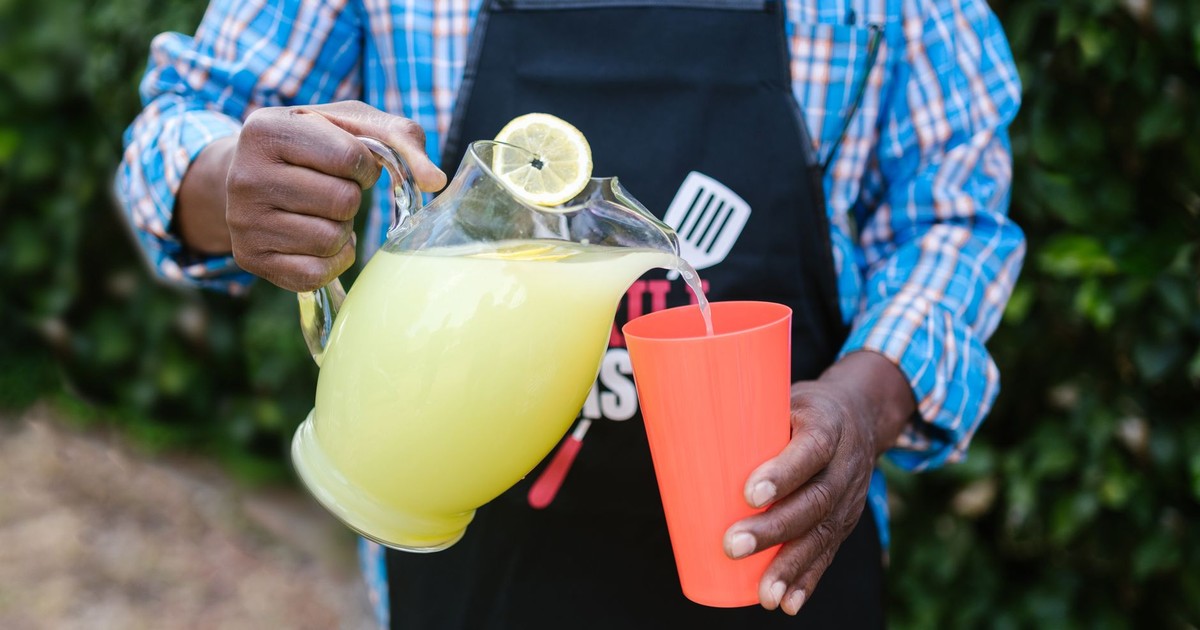

Grilling is usually what happens to the chicken, the corn, or the portobello mushrooms someone always brings “just in case.” The lemons are supposed to be a garnish – halved and set out on the counter, ready to squeeze over fish or wedge into a water glass. At most, they get a moment in the sun. They do not get a turn on the grill.
The ones that do get that turn come out of the heat fundamentally changed. Not dramatically, not in a way that calls attention to itself, but in a way that builds a depth of flavor that no amount of stirring sugar into cold water has ever produced. The grill rounds out the tartness, coaxes out something richer and more caramelized, and turns a perfectly ordinary pitcher of lemonade into the drink people ask about at the end of the afternoon.
This is not a cooking gimmick. The extra step takes under ten minutes, can be done while the rest of the food is cooking anyway, and produces a lemonade with a richer, slightly caramelized quality that makes the standard version taste thin by comparison. If you have a grill, you have already done harder things today.
What Actually Happens to the Lemon
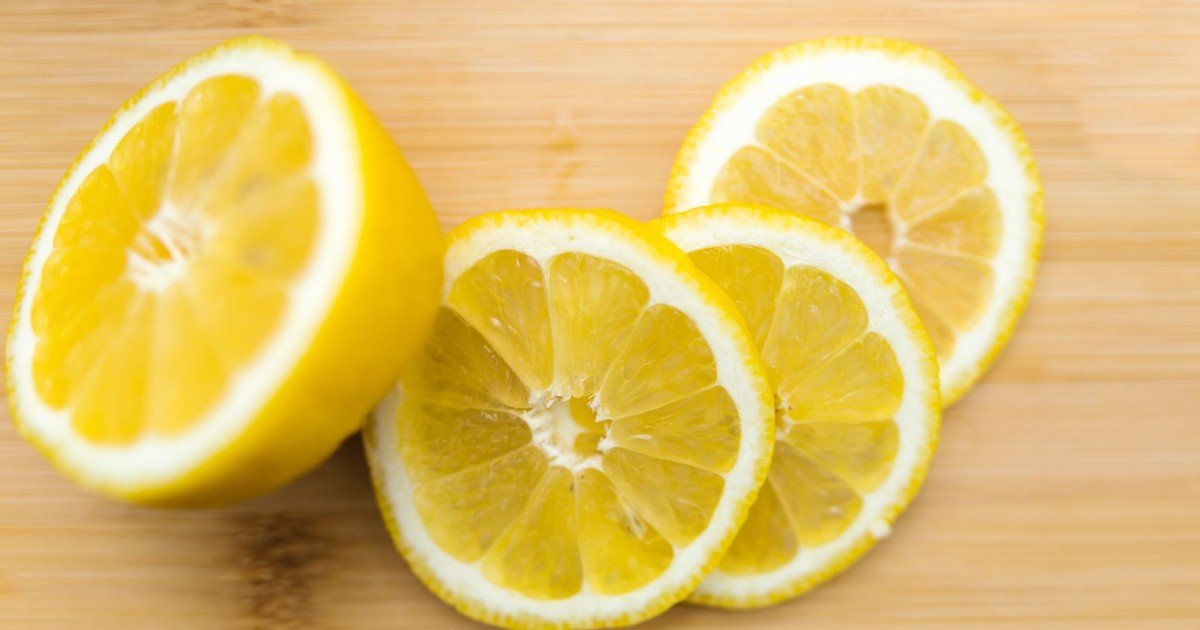
When you cut a lemon in half, dip the cut face in sugar, and set it on a hot grill, you set off caramelization – the process where heat breaks down sugar molecules into hundreds of smaller compounds, creating that deep, slightly sweet, slightly nutty flavor that is so distinct from plain sugar. When sugar caramelizes, the water cooks off and the sugar breaks down, creating a sweet and sometimes nutty flavor and a brown color.
The lemon’s own natural sugars participate in this, not just the granulated sugar you’ve added. The acid in the fruit, meanwhile, is doing something different: it is mellowing. Raw lemon juice is bright and very aggressive in its tartness. Heat softens that edge, rounding out the flavor without eliminating it. What comes out of a grilled lemon is juice that is still unmistakably lemon but warmer, richer, and easier on the palate than what you’d squeeze cold.
According to MasterClass, the Maillard reaction occurs when the appropriate foods are cooked at roughly 280 to 330 degrees Fahrenheit, with caramelization beginning at around 320 degrees Fahrenheit — meaning the two reactions can overlap at the upper end of that range. With citrus, which is low in protein but high in sugar, caramelization is the dominant process. Those brown grill marks are not incidental – they are where the flavor is.
Before You Start: The Setup
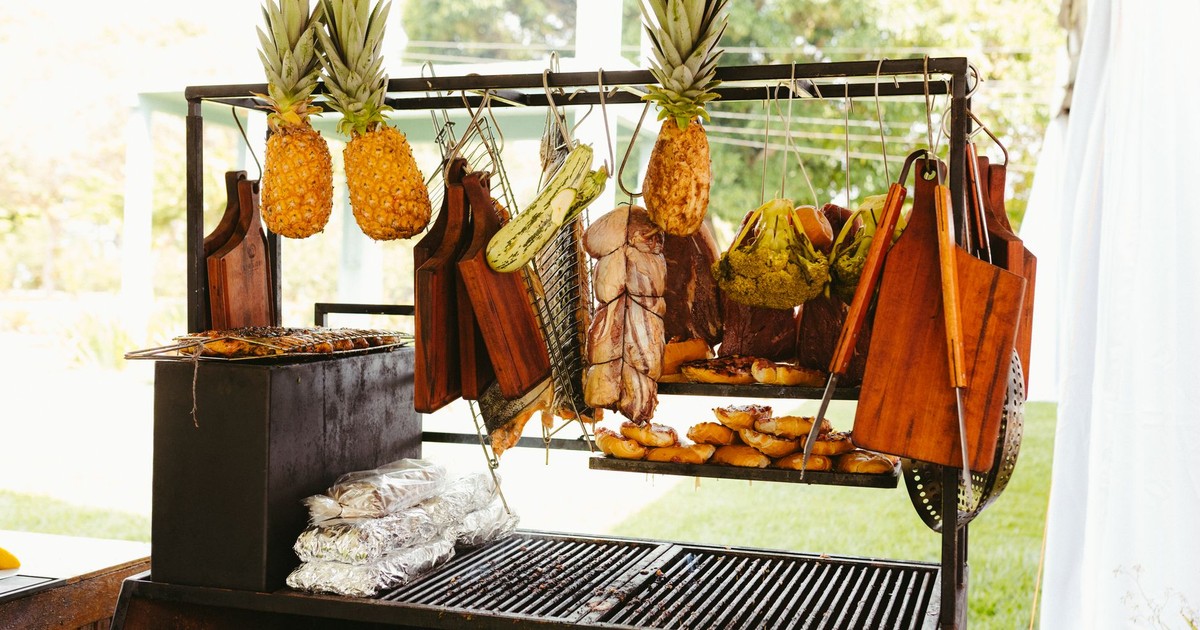
You do not need a fancy setup. A gas grill, a charcoal grill, or even a cast-iron grill pan on your stovetop will all do the job. What you need is heat – real, consistent, medium-high heat – and a clean surface. AmazingRibs.com recommends making sure the grates are really clean, with no traces of grease on them. A surface that last saw a burger and hasn’t been scraped since will interfere with browning and may cause the lemons to stick.
The Stay At Home Chef recommends preheating an outdoor gas or charcoal grill to medium-high heat, about 400 degrees Fahrenheit. While the grill heats, make your simple syrup: combine equal parts sugar and water in a small saucepan, bring it to a simmer, stir until the sugar dissolves completely, and let it cool to room temperature. You can do this in a disposable aluminum pan on the grill itself if you want to keep everything outside, but the stovetop works just as well and gives you more control over the sugar situation.
For the lemons, count on using roughly eight to ten medium-sized ones for a standard pitcher. You will lose some juice to the grill during cooking, which is a reasonable trade given what you gain in flavor. Some cooks add a thin dusting of granulated sugar to the cut side of each lemon before it goes down on the grates, which accelerates the caramelization and intensifies the browning. It is worth doing. Put some sugar in a bowl or on a plate and rub the open side of each lemon half in the sugar – the sugar helps the lemons caramelize on the grill and gives them a stronger flavor.
The Grilling Process
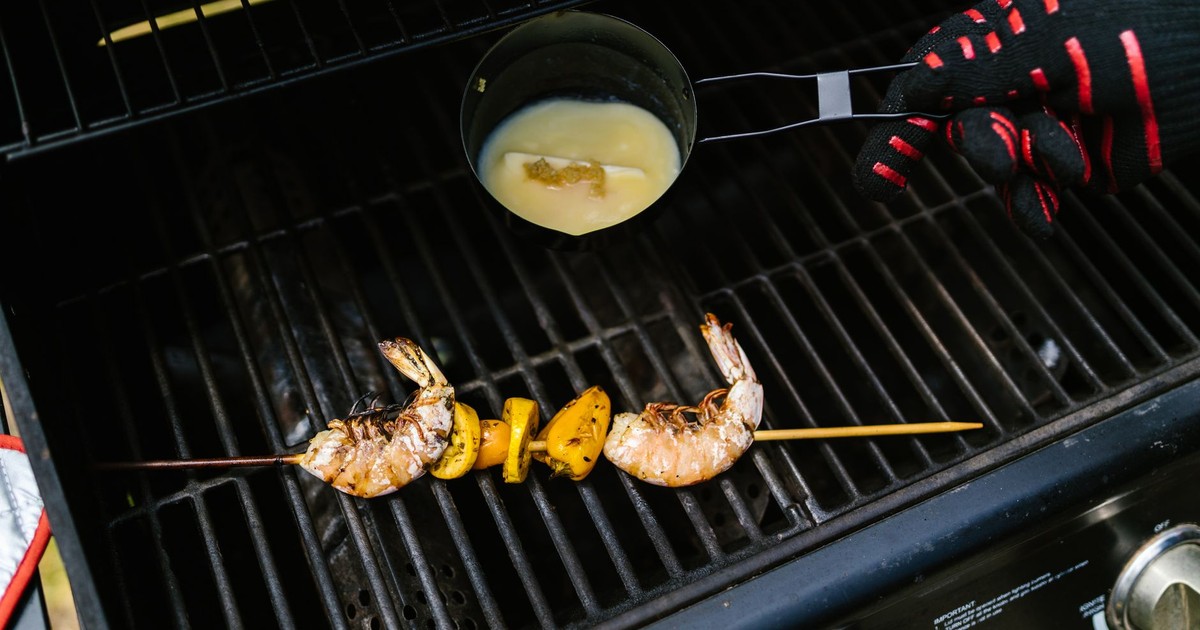
Place the lemons cut-side down on the hot grates. Do not hover. Do not move them every thirty seconds to check. Place them cut-side down and cook for six to eight minutes until caramelized, then remove from the grill and let them cool for five to ten minutes. You are looking for a deep golden color with visible grill marks – not char, not blackening, not what happens when you get distracted by a conversation and forget them entirely. The line between perfectly caramelized and scorched is not huge, so keep half an eye on them.
Remove the lemons with a spatula rather than tongs, as the citrus is extremely soft at this point and will lose its juice with even a light squeeze. Let them rest for a few minutes before you juice them. Trying to juice a scorching-hot lemon is both painful and inefficient; a lemon that has cooled just enough to handle gives up its juice much more easily. Run the juice through a fine-mesh strainer to catch seeds and any pulp, then measure out about a cup and a quarter of strained juice for a standard pitcher.
Combine the grilled lemon juice with your cooled simple syrup and cold water, taste, and adjust. The ratio will depend on how tart your lemons were and how sweet you prefer your lemonade. Start with a conservative amount of water and syrup and work your way outward. Chilling the finished lemonade for at least thirty minutes before serving deepens the flavor noticeably.
Variations Worth Trying
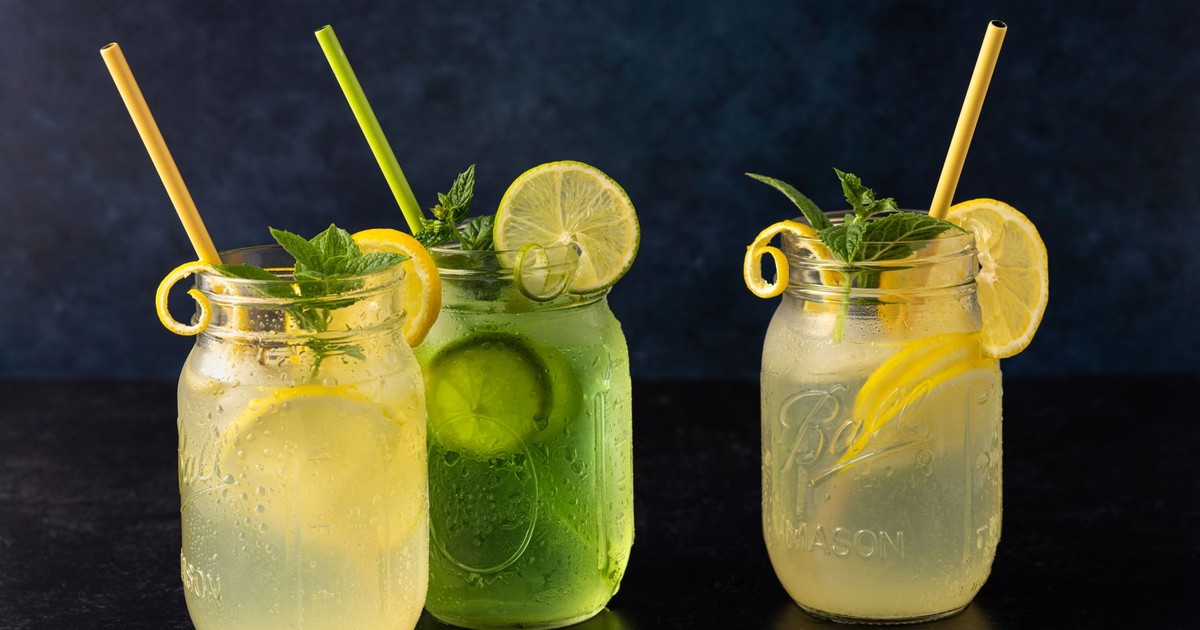
The base grilled lemonade recipe is honest and complete on its own, but it also accepts company graciously. A handful of fresh herbs in the simple syrup – rosemary, mint, or basil simmered for five minutes and then strained out – add a botanical note that plays well against the caramelized lemon. Good lemonade is usually sweetened with simple syrup, and flavored simple syrup works beautifully here – add equal parts sugar and water to a pan and flavor it with the herb of your choice, whether rosemary, mint, or basil.
Honey makes an excellent substitute for granulated sugar in the syrup, bringing its own depth to the drink without overpowering the lemon. Sparkling water in place of still water turns the whole thing into something that feels more celebratory, which is relevant if this is appearing at a backyard gathering where you’d like to look as though you went to some effort. You did, technically. Nobody needs to know it was ten minutes on the grill.
For a crowd, grilled lemonade scales up easily. The Stay At Home Chef notes that you can place the grilled lemon concentrate in a freezer-safe bag and freeze it flat, where it will keep for three to four months. This means you can grill lemons when you happen to have the grill out for something else and save the concentrate for a hot afternoon when you want cold lemonade without firing anything up again.
The Science You Can Actually Taste
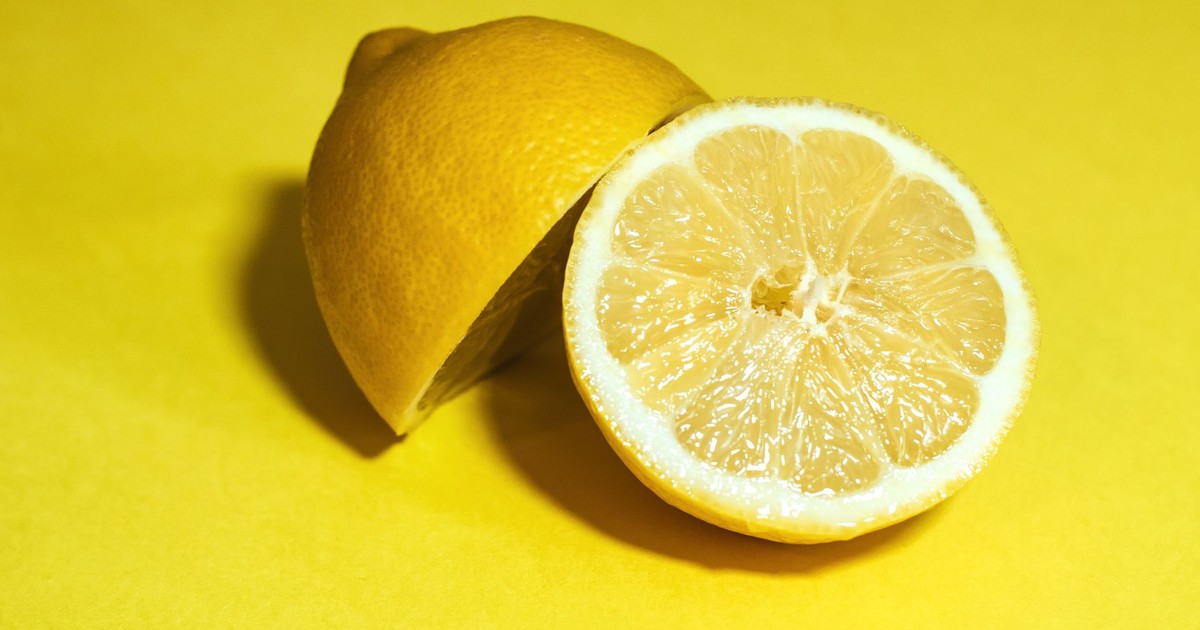
Lemons are worth the attention beyond what they do on the grill. According to the Cleveland Clinic, citric acid and vitamin C in lemons work together to change urine chemistry and may help prevent kidney stones. Fresh lemon juice also contains potassium, vitamin B6, and other antioxidants, all in just six calories per ounce, according to the USDA.
None of this means lemonade is a health elixir. You are adding sugar. That is the point, and it is a fine point. But there is something genuinely pleasant about knowing that the base ingredient – even after it’s been introduced to a hot grill and a cup of simple syrup – is bringing some real nutritional substance to the glass.
A Drink That Earns Its Extra Step
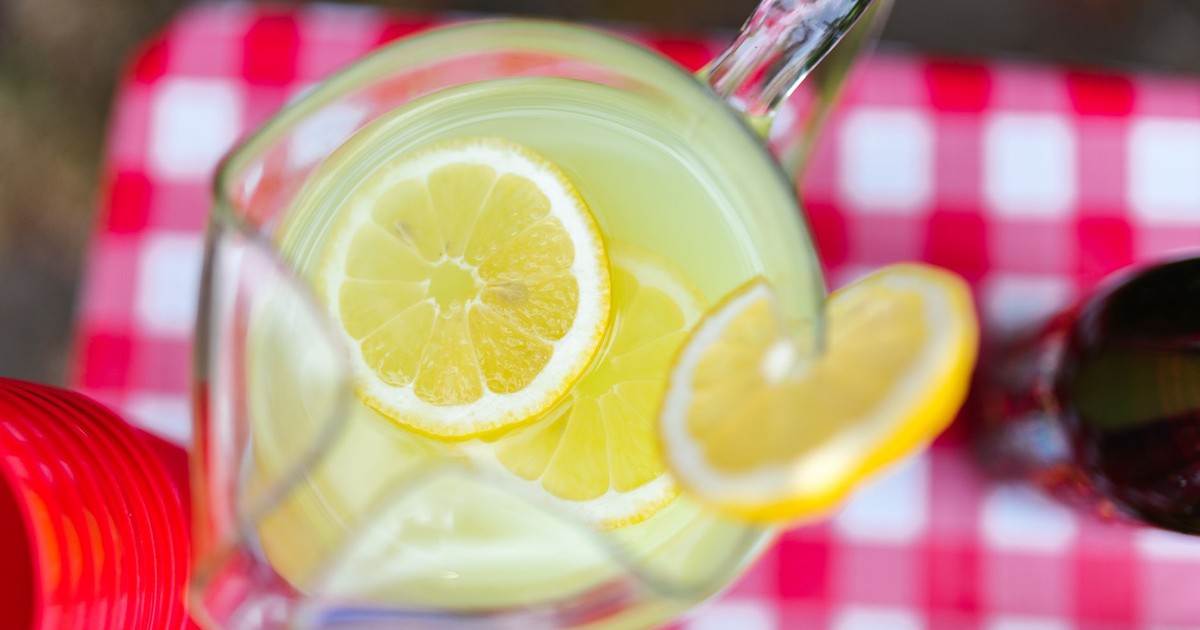
The caramelization adds a layer of flavor that regular lemonade doesn’t have room for. The heat-mellowed tartness makes the whole drink feel rounder and more intentional than something squeezed into a pitcher ten minutes before the guests arrive.
There is also something satisfying about making a drink from almost nothing – lemons, sugar, water, fire – and having it turn out to be the thing people ask about. Not the elaborate cocktail, not the specialty soda you drove across town to find. The lemonade. Because you grilled the lemons first, and it turned out that made all the difference.
Disclaimer: This information is not intended to be a substitute for professional medical advice, diagnosis, or treatment and is for information only. Always seek the advice of your physician or another qualified health provider with any questions about your medical condition and/or current medication. Do not disregard professional medical advice or delay seeking advice or treatment because of something you have read here.
AI Disclaimer: This article was created with the assistance of AI tools and reviewed by a human editor.