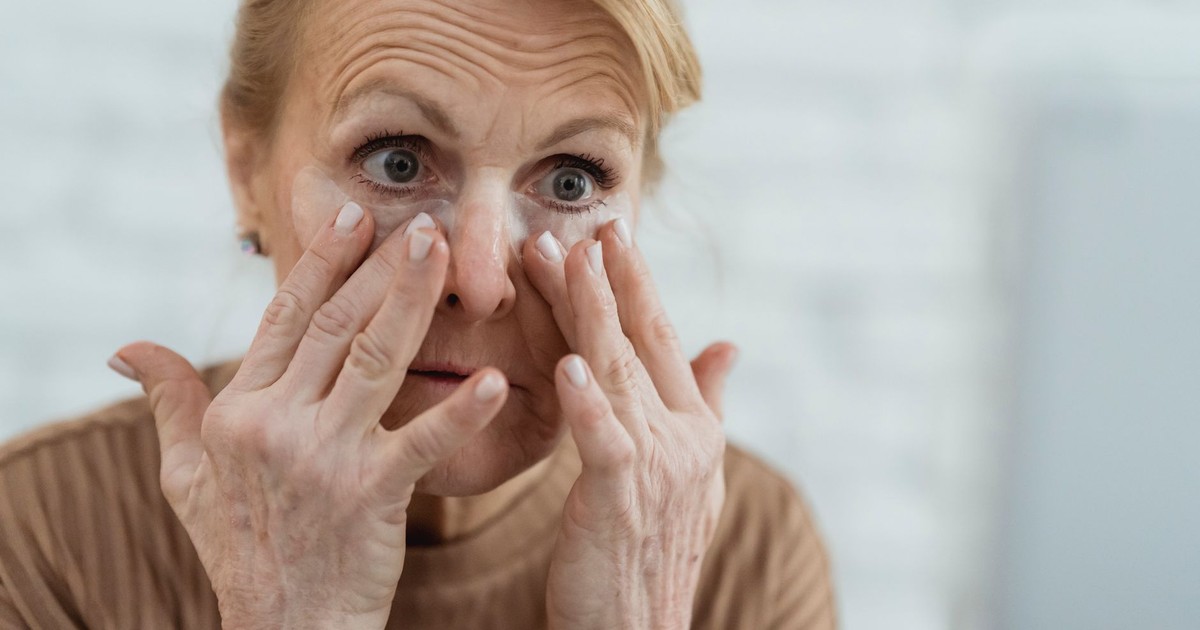

Most people don’t blow up their health with one dramatic decision. They lose it gradually, through a dozen small choices that feel entirely unremarkable – the nap that became an all-afternoon retreat from movement, the social event that seemed like too much effort, the doctor’s appointment postponed until next month and then the month after that. The habits that age us fastest rarely feel like habits at all. They feel like rest, or preference, or just the way things are now.
Longevity isn’t just about staying alive as long as possible; researchers are increasingly focused on “healthspan,” the number of years spent living in genuinely good health. It isn’t about adding years to a calendar. It’s about whether the years you have are ones where you’re still curious, still moving, still choosing what you do with your Tuesday.
About 80 percent of adults over 65 in the United States are living with two or more chronic conditions, such as cardiovascular disease, Type 2 diabetes, and cancer. Most of those conditions don’t arrive overnight.
The aging research is remarkably consistent on one point: it’s not the dramatic interventions that produce the best outcomes – it’s the unremarkable ones, maintained with some regularity, across a long stretch of time.
1. Letting Exercise Become Optional
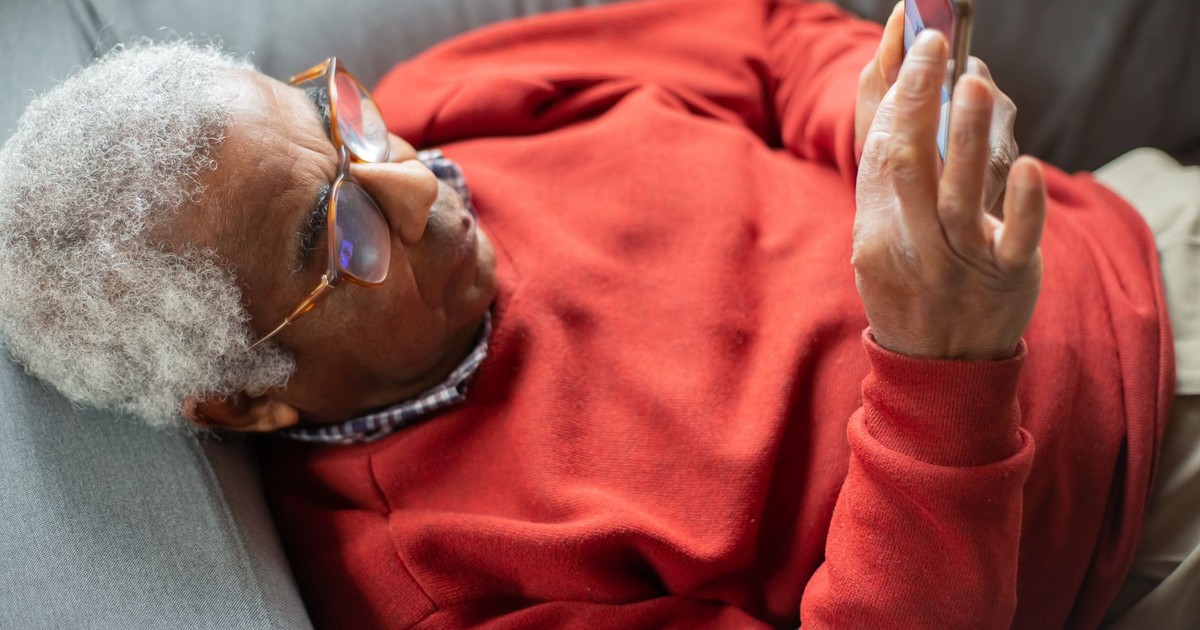
When movement drops off the daily agenda, it slips first from the regular morning walk to the occasional one, and then from occasional to “when things settle down,” and then things never settle down, and somehow a year has passed. A lack of exercise not only weakens muscles and bones but also undermines heart and brain health, making it the top healthy aging mistake – identified by 57 percent of health experts in a 2025 U.S. News survey.
Sarcopenia – the medical term for age-related muscle loss – begins gradually in your 30s and accelerates after 60. It’s one of the primary drivers behind falls, which are a leading cause of injury and loss of independence in older adults. You don’t need a gym membership or a program that feels like a second job. Walking counts. Swimming counts. The point is consistency over intensity.
Movement improves sleep quality, reduces anxiety, and supports cognitive function. The body doesn’t know you’re “just going for a walk.” It reads it as a signal that you are still active in the world, and it responds accordingly.
2. Withdrawing from Social Connection

Pulling back from people is understandable. Schedules get harder, energy dips, and the social infrastructure that kept friendships intact – the workplace, the school run, the neighborhood block party – quietly disappears. But the health cost of that withdrawal is steeper than most people realize.
Social isolation and loneliness are linked to higher risks for a variety of physical and mental conditions, including high blood pressure, heart disease, obesity, a weakened immune system, anxiety, depression, and cognitive decline, according to the National Institute on Aging. In 2018, about 34 percent of adults aged 50 to 80 reported feeling a lack of companionship “some of the time” or “often,” a figure that climbed to over 41 percent during the early pandemic years.
The distinction between being alone and feeling lonely matters here. Plenty of people live alone without experiencing loneliness; others feel profoundly disconnected in a full house. What researchers track is the subjective experience of disconnection, and it’s that experience – not the headcount of people around you – that carries the health risk. Research consistently finds that maintaining a social circle and staying involved in one’s community are among the most protective behaviors for long-term health and cognitive function.
3. Skimping on Sleep
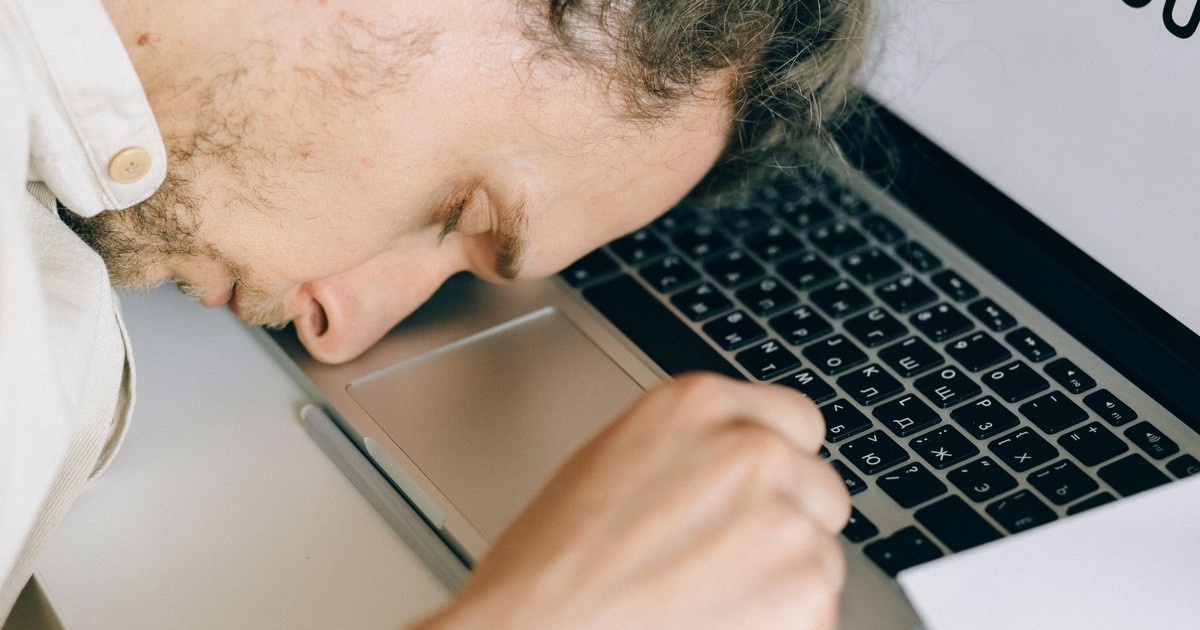
There is a widespread cultural assumption that needing less sleep is somehow a sign of efficiency, as if the body’s demand for rest is an inconvenient design flaw to be managed around. It is not. Poor sleep hygiene disrupts hormone regulation, decreases immunity, and reduces cognitive function, and it was identified by 30 percent of health experts as a key healthy aging mistake in the 2025 U.S. News survey.
During deep, restorative sleep, the brain’s glymphatic system – essentially the brain’s overnight cleaning crew – flushes out toxic proteins that accumulate throughout the day. When sleep is routinely cut short, that process is interrupted. The accumulation of those proteins, left unchecked across months and years, has been associated with increased risk of cognitive decline. Seven hours is the general threshold most researchers use as a minimum for adults.
Sleep patterns do shift with age. Falling asleep earlier, waking earlier, and spending less time in deep sleep are all normal parts of getting older – which makes intentional sleep hygiene more important, not less. A cool, dark room, limiting alcohol in the evenings (which disrupts sleep architecture even when it seems to help you fall asleep), and keeping the bedroom screen-free are straightforward adjustments with measurable results.
4. Eating Too Many Processed Foods
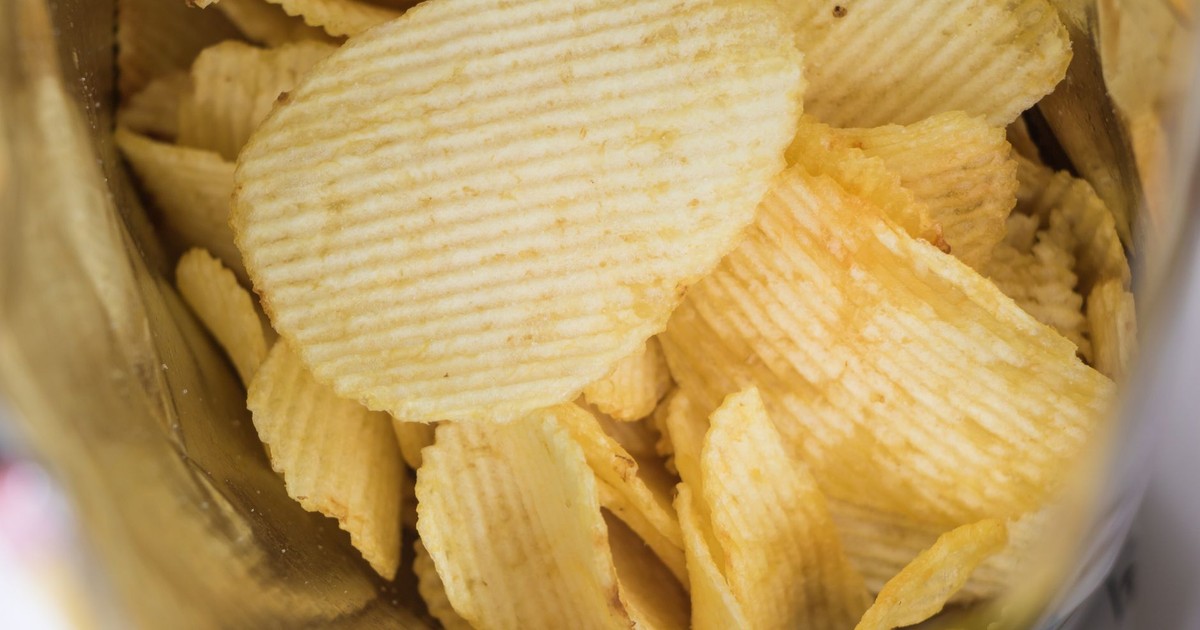
The packaging is bright and the portions are convenient and the ingredients are engineered to be exactly as appealing as possible. Ultra-processed food is designed to win, and it largely does – until you look at what it does to the body across decades. A 2025 study published in the American Journal of Preventive Medicine found a linear relationship between the proportion of ultra-processed foods in someone’s diet and their risk of death from all causes, with risk rising measurably at every increment of increased consumption.
Inflammation is the process driving most of that risk. Processed foods – packaged snacks, frozen convenience meals, sodas, refined grains – trigger chronic, low-grade inflammation in the body. Background inflammation of this kind is implicated in cardiovascular disease, Type 2 diabetes, cognitive decline, and several cancers. It doesn’t produce obvious symptoms in the short term, which is precisely why it’s so easy to underestimate.
The alternative doesn’t require a dramatic overhaul. Researchers consistently point toward eating patterns built around vegetables, whole grains, healthy fats, and lean protein – what the Mediterranean diet looks like in practice. That means fewer decisions about superfoods and more attention to the ratio of whole to processed food in an ordinary week.
5. Ignoring Preventive Healthcare
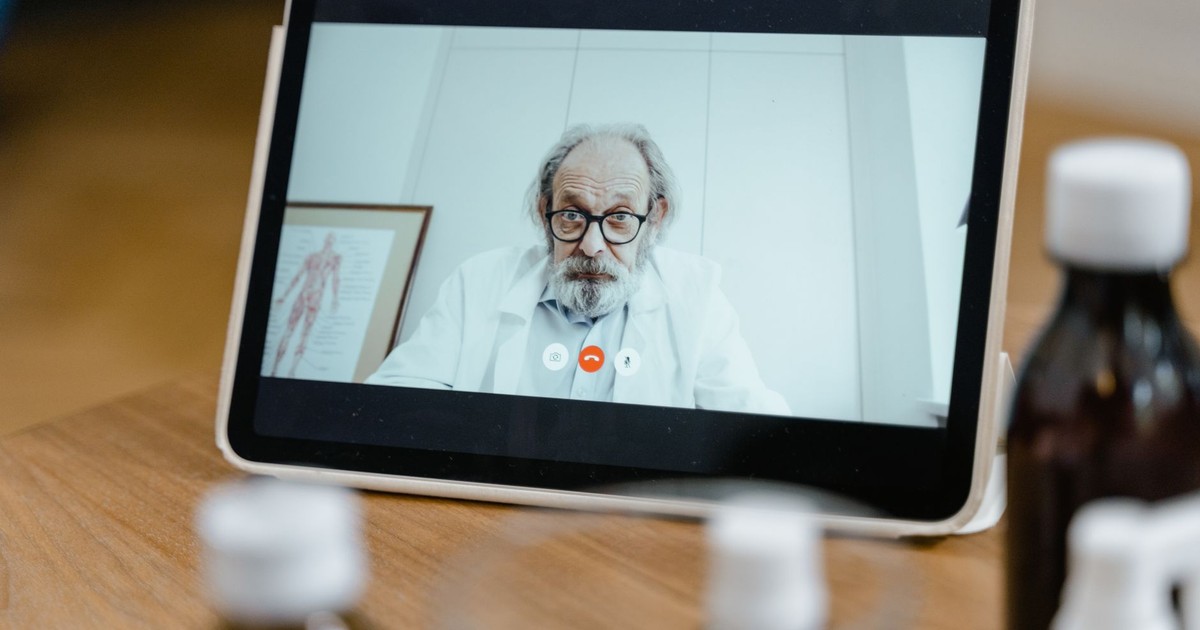
The healthcare system is not designed to make preventive visits feel urgent. There’s no flashing alert when a mammogram is overdue, no audible countdown on a colonoscopy. And for people who feel basically fine, the calculus often goes: why sit in a waiting room for an appointment about a problem that doesn’t seem to exist? The answer, of course, is that screenings exist to catch the problems that don’t announce themselves until they’re much harder to address.
Most age-related chronic conditions develop slowly across many years, sometimes without obvious symptoms. Hypertension earns its reputation as the “silent killer” because it typically produces no symptoms at all, even while it’s steadily damaging the heart and blood vessels. The same is true of prediabetes, certain cancers, and early-stage cognitive changes.
Skipping annual checkups, avoiding follow-up appointments, and letting prescriptions lapse are all forms of passive disengagement from your own health that build on each other. Individually each one feels like a minor postponement. Collectively, they change the trajectory of a condition that could have been caught while it was still manageable.
6. Smoking (or Not Quitting)

This one is not a secret, but it bears saying plainly: smoking is not primarily a cosmetic concern or a lung issue. It is a full-body accelerant of the aging process. Smoking increases the risk of numerous diseases and health problems, and damages skin elasticity in ways that accelerate visible aging.
The calculus changes when you look at what stopping actually accomplishes, even late in the game. A 2024 study in the American Journal of Preventive Medicine found that people who quit smoking, even as late as age 65 or 75, could still gain extra years of life compared to those who continued smoking. The body begins to repair itself relatively quickly after quitting – cardiovascular risk drops within months, and lung function begins to improve.
The framing of “it’s too late to quit” is one of the more damaging myths in this area, because it’s the one most likely to remove the motivation to try. It is not too late. The gains are real, they are measurable, and they begin sooner than most people expect.
7. Losing Intellectual Curiosity
This one is harder to track than a skipped workout or a missed checkup, because it happens so gradually and so comfortably. The routine solidifies. The same news programs, the same conversations, the same sequence of evenings. New things require effort, and the gap between trying something unfamiliar and sticking to what’s familiar widens. Ease starts winning by default.
Cognitive reserve – the brain’s capacity to function well in the face of age-related changes – is built over a lifetime, but it continues to be either grown or depleted by how much you challenge your mind. Learning a new language, taking up an instrument, engaging with unfamiliar ideas, reading outside your usual categories, taking a class in something you know nothing about: these are not just pleasant pastimes. They are neurological exercise.
Adults over 50 who carry a strong sense of purpose tend to have better physical and mental health outcomes, and the findings on social connection echo this: isolation accelerates aging in measurable ways, and the reverse is also true. Curiosity – the genuine, ongoing interest in the world – is not a personality trait you either have or don’t. It’s something you either exercise or let atrophy, like any other muscle.
8. Drinking More Than You Think You Are
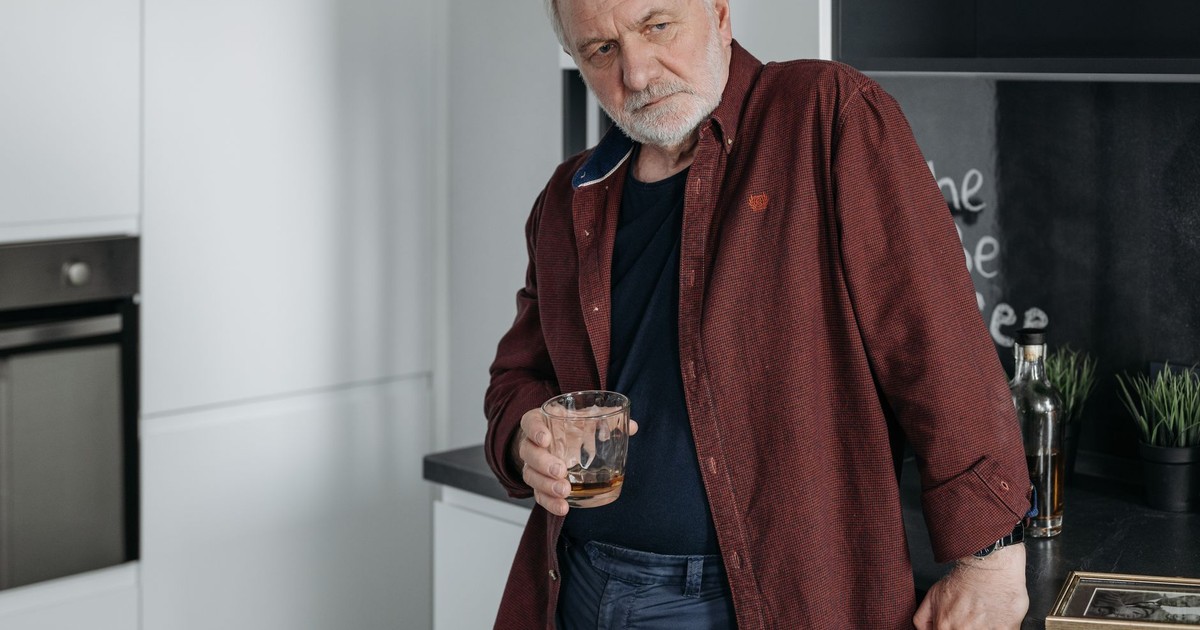
Alcohol is one of those areas where the gap between perception and reality tends to be wide, and consistently in the same direction. Most people undercount. A glass of wine poured generously at home is frequently closer to two standard drinks than one. A daily habit of two or three drinks that feels moderate is, by clinical standards, not moderate at all.
The research on alcohol and aging has shifted considerably in recent years. The old “a glass of red wine is good for your heart” framing has been substantially revised as better study designs have emerged. Alcohol is classified by the World Health Organization as a Group 1 carcinogen, the same category as tobacco. Its effects on the liver, cardiovascular system, brain, and cancer risk are particularly pronounced as the body’s ability to metabolize it slows with age.
Beyond the long-term disease risk, alcohol disrupts sleep architecture – reducing time in REM sleep even when it helps with falling asleep initially – interferes with balance and coordination, interacts with a long list of commonly prescribed medications, and accelerates cognitive decline at higher consumption levels. None of this requires abstinence. It requires honesty about what the actual intake is.
9. Treating Stress as Background Noise
Stress is so normalized in American adult life that the word barely registers anymore. Of course you’re stressed. Everyone is stressed. The commute, the family logistics, the financial pressure, the general hum of managing a life – it all blurs into something that feels less like a medical concern and more like just what being a grown-up feels like. But chronic, unmanaged stress is not benign background noise. It’s a sustained physiological event.
When the body perceives stress, it releases cortisol – a hormone that is genuinely useful in short bursts, designed to mobilize a response to immediate threat. Chronically elevated cortisol, however, suppresses the immune system, increases inflammation, disrupts sleep, raises blood pressure, and impairs the formation of new memories.
Staying connected with others can help reduce stress and foster a sense of purpose – which is one reason social connection is such a consistent finding in longevity research, because it’s doing multiple jobs at once. Beyond that, the approaches with the strongest evidence for managing chronic stress are straightforward: regular physical activity, adequate sleep, time in nature, and honest conversations with people you trust. None of them require a wellness program or a subscription.
Read More: Harvard’s Dr. Arthur Brooks Reveals the Real Secret to Happiness After 50
The Part Nobody Wants to Say Out Loud
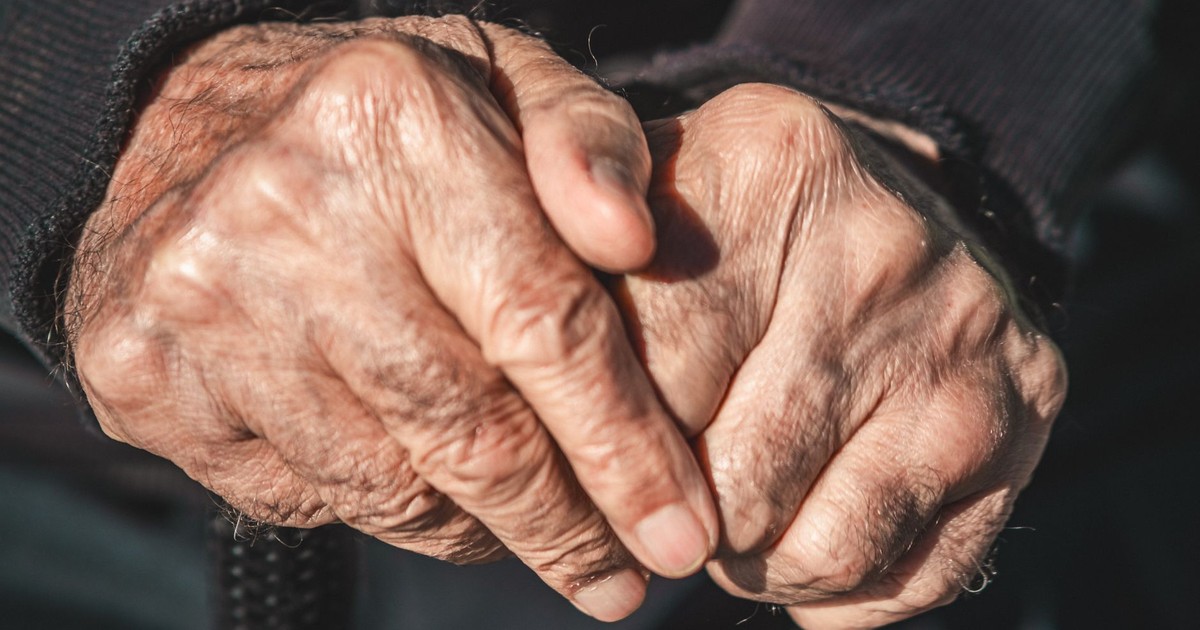
The habits on this list have something in common that doesn’t usually get said plainly: they tend to accelerate when people feel like they don’t matter as much anymore. When the calendar empties out after retirement, when the kids are gone, when the social scaffolding of a working life disappears, when a marriage ends or a long friendship fades – these losses don’t just hurt emotionally. They change behavior in ways that compound quietly.
Withdrawal, inactivity, poor eating, foregone appointments, a few more drinks in the evening: these are often grief responses in disguise, or responses to loneliness, or simply what happens when the external structures that kept someone moving and connected are no longer there. Recognizing that is not the same as excusing it – it’s more useful than that. It’s knowing where to actually look.
None of these patterns require a complete reinvention to address. A walk. A phone call. An appointment kept. A new thing tried. The list is ordinary, which is exactly what makes it possible – and exactly why the absence of those things, compounded across months and years, is harder to see than it should be. You don’t have to have it all figured out. You just have to notice what you’ve stopped doing, and pick one thing back up.
Disclaimer: This information is not intended to be a substitute for professional medical advice, diagnosis, or treatment and is for information only. Always seek the advice of your physician or another qualified health provider with any questions about your medical condition and/or current medication. Do not disregard professional medical advice or delay seeking advice or treatment because of something you have read here.
AI Disclaimer: This article was created with the assistance of AI tools and reviewed by a human editor.