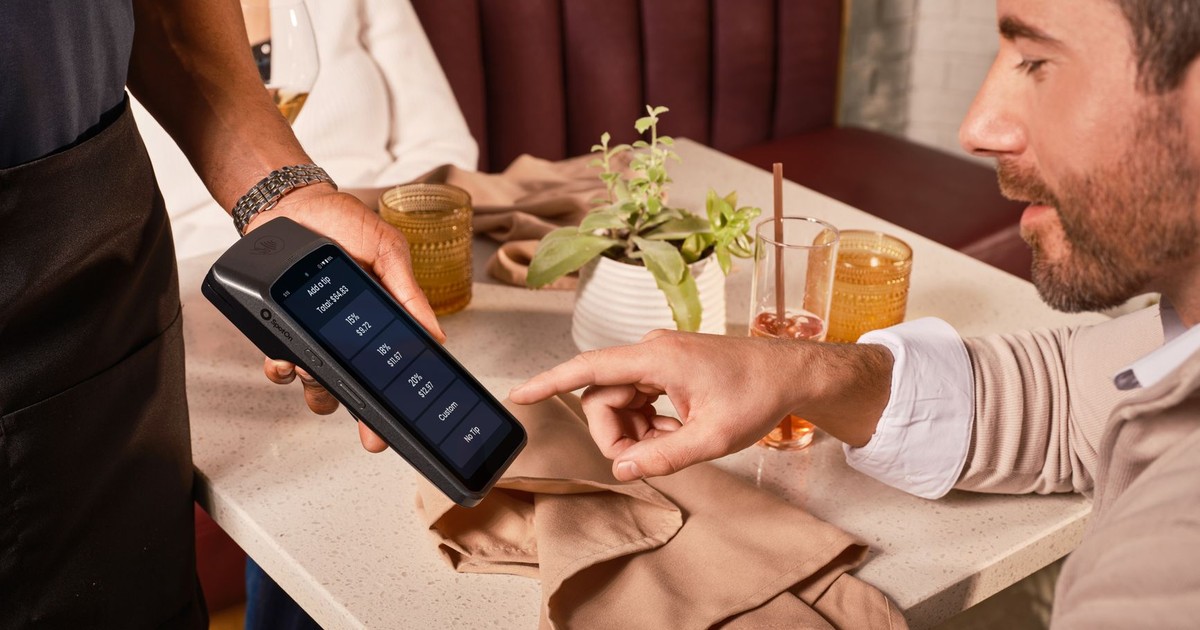

Spend enough time waiting tables and you stop being surprised by the food. The kitchen’s behind, the special ran out, the couple at table six is celebrating something and ordered the whole left side of the menu. None of that catches you off guard anymore. What does catch you off guard, consistently and without fail, is who leaves twenty percent and who leaves four dollars on a ninety-dollar bill and makes intense eye contact while doing it. After years of carrying plates and reading rooms, the patterns are so reliable you could practically write them down. So here we are.
The conversation around server tipping etiquette tends to get framed as a debate between diners and the industry, with a lot of hand-wringing about tip fatigue and digital kiosks and whether 20 percent is a reasonable expectation. The polished table with the expensive wine order is not a guaranteed win. The family with four kids who ordered off the dollar menu sometimes leaves the best tip of the night.
Some of these patterns will sting a little. Most of them will make you think twice before you next reach for that pen.
1. The People Who Have Worked in Restaurants Themselves
Industry workers tip like it’s personal, because it is. When restaurant workers dine out themselves, nearly half leave 20 percent or more. There’s a coded recognition that happens when someone has carried a tray or run food or managed a section. They read the room the way servers read it. They don’t flag you down to ask if the kitchen can make a dish that isn’t on the menu. They don’t linger at the table for forty minutes after paying the bill. And when they leave, the math is right.
People who understand the job understand that tips make up 58.5 percent of a server’s hourly earnings, not a nice bonus on top of a living wage. Former servers, bartenders, food runners, and line cooks tip because they remember what it felt like to be stiffed on a $200 check by someone who was perfectly pleasant the entire meal.
2. People Using Coupons or Gift Cards
A couple comes in, orders enthusiastically, has a lovely dinner, and then presents a gift card that covers most of the bill. The check drops to forty dollars. The tip is eight dollars, calculated on the discounted total. The server did exactly the same amount of work they would have done on the full bill. The kitchen fired the same dishes. The server made less than half what they would have otherwise.
When you choose a restaurant because you have a coupon or gift card that knocks a serious chunk off your bill, your server is still doing the same work they would have done without that discount, which means the tip should be calculated based on what the total would have been at full price. The coupon is not a discount on labor. It’s a discount on the food.
3. Large Groups
Large parties are complicated enough that most restaurants address them directly in their pricing policy. Some restaurants have found that big groups with a bigger bill tend to tip very little, and in an effort to avoid this issue, many restaurants add an automatic gratuity to parties of six or more, often set at 18 percent. The logic is straightforward: the more people at the table, the more diffuse the sense of individual responsibility for the tip. Everyone assumes someone else is calculating it, and the result is often a tip that, divided across a table of ten, represents each person contributing roughly two dollars.
There’s also the matter of complexity. A large group typically involves split checks, substitution requests, separate dietary needs, and rounds of drinks that come in waves rather than all at once. The labor per cover is often higher than at a two-top. Research in the International Hospitality Review found that servers actively adapt their style of service for groups of eight or more people, adjusting their approach specifically to manage the demands of a large party. That adjustment costs time and effort. When the automatic gratuity isn’t added, those tables often underperform badly.
4. The Birthday Table
The birthday dinner is a thing servers approach with a specific kind of energy, equal parts genuine warmth and quiet dread. A birthday typically means a larger group, which means the large-group dynamic applies. It can also mean someone at the table who is celebrating and therefore expects extra attention, a free dessert with a candle, and ideally a moment that will photograph well.
Some restaurants offer a free drink or dessert for birthdays or as a gesture of appreciation, and it’s generally expected that the normal price of the free item is still factored in when tipping. The server brought it. The kitchen made it. The gesture came from the house, not from the labor costs. Tipping on the bill minus the comped items is a habit that quietly costs servers more than most diners realize.
5. People Who Tip on the Pre-Tax Amount
The pre-tax tip is one of those habits that feels principled from the outside (“I’m tipping on what I actually owe”) but reads as something considerably less principled from the server’s side of the equation. The difference between tipping on the pre-tax and post-tax total on a $90 dinner in a high-tax state can be five or six dollars. Multiplied across a full section over a busy weekend, that gap is real money.
According to Bankrate, Cortney Norris, an assistant professor of hospitality and tourism management at Oklahoma State University who studies tipping habits, puts the floor for waitstaff at sit-down restaurants at 18 percent of the pretax bill, and that 18 percent is the minimum, not the target. The current standard that most servers work from is closer to 20, a number that reflects the reality that the expected tip percentage has moved up with inflation and cost of living, while the federal tipped minimum wage of $2.13 has remained unchanged since 1991. Tipping on the pre-tax amount on top of that floor is, from a server’s vantage point, compounding an already thin margin.
6. Breakfast and Brunch Diners
The brunch shift carries a specific reputation that its tippers have not fully earned their way out of. Breakfast checks are lower by nature, which means even a technically correct 20 percent tip generates less income per table than the same percentage on a dinner bill. As Salar Sheik, a Los Angeles-based restaurant consultant, told Fox News Digital, “Breakfast menus often involve a high volume of modifications, faster table turns and constant guest interaction,” making those morning stretches just as demanding as dinner service in a different way, while most servers don’t expect a higher percentage for dinner, only a higher total check.
Sheik was direct about the outcome: “Breakfast is often the most undertipped meal when you compare the effort involved.” Two eggs and a coffee seems like a simple order. The server who brings it has probably already taken twelve others exactly like it and is running on a different clock than the dinner crowd. When the check is eleven dollars and the tip is two, the table has technically hit 18 percent, but the server has earned less in forty-five minutes of work than they would in ten minutes at a dinner table. That math doesn’t improve anyone’s morning.
7. Regulars
The regular is one of the most beloved people in any restaurant, which is exactly why the tipping conversation around them is worth having. Regulars get remembered. Their usual order is started before they sit down. The server knows their name, their preferences, whether they want lemon in their water, and whether they’re the type to want to chat or be left alone. Research on the server experience found that servers invest significant extra effort in connection, personal attention, and expertise, deliberately adjusting their service style for regular customers who dine at least once per week.
The relationship becomes so warm that the transactional element disappears from view for some regulars. Being remembered and genuinely welcomed is a real thing a good server gives you. Treating that warmth as a reason to tip fifteen percent on a complicated order is a misread of what’s actually happening at the table.
8. People Who Stay Long After the Table Is Cleared
Time is inventory in a restaurant. When a table turns over, the server earns again. When a party of four sits for three hours over two courses and split dessert, the server has effectively given those guests a private dining room for the evening while the tables on either side cycled through multiple covers. The lingerers aren’t doing anything wrong, exactly, but the tip should acknowledge what happened.
This is one of those server tipping etiquette points that never quite makes it into formal guides but lives firmly in industry common sense. If you close the place down on a Friday night because you and your friends got into it about something that happened at a family dinner in March, the tip line is where you account for that. The server who refilled your water glass eight times and pretended not to notice that you were the last table standing at 10:45 PM has a very specific hope for what that folder contains.
9. The People Who Assume Kitchen Problems Are Server Problems
A table sends back a dish, the steak comes out wrong, the fish takes forty-five minutes because the line is backed up. These are real problems that warrant real responses. What they do not warrant is a tip reduction aimed at the server who carried the plate. Servers do not cook the food. They communicate orders, advocate for tables, and absorb the frustration when things go sideways. There are many factors completely unrelated to the server that can cause a bad overall experience.
When a kitchen issue tanks a tip, the server is paying for something that happened forty feet away behind a door they can’t open. It’s the restaurant equivalent of docking your assistant’s pay because the Wi-Fi went down. If the service itself was attentive, if the server communicated delays and checked in, that deserves to be separated from the outcome of whatever happened in the kitchen. The distinction matters to a person whose hourly wage requires a tip to reach a living number.
What Actually Happens When You Leave Nothing
The no-tip is its own statement. As of 2025, 70 percent of American restaurant-goers always tip sit-down restaurant servers, which means roughly 30 percent do not always do so. Some of those are cases of genuine financial hardship, which is a different conversation entirely. But many are not. Many are a comment, whether on the service, on tipping culture generally, or on a principle the diner holds about wages and employer responsibility.
The conversation about whether restaurants should pay servers a full minimum wage without tips is a legitimate one, and the underlying frustration about creeping tip requests across every category of transaction is legitimate too. A 2025 survey found that 65 percent of consumers feel weary of frequent tipping requests, and 66 percent feel pressured by digital payment screens suggesting gratuities. That fatigue is real. But a server working a Friday dinner shift in a state where the tipped minimum wage still sits at $2.13 an hour is not the right place to protest the structure. They didn’t design it. They’re just living inside it.
The average tip at a full-service restaurant in the U.S. is 19.3 percent as of Q1 2026, according to Toast tipping data, which sounds reasonable until you realize that number includes cash tips that never get recorded, tables that left nothing, and every party that split the check unevenly and let the math fall wherever it landed. The actual earnings behind that average are uneven in ways the number doesn’t capture.
Read More: Can’t Tip 20%? This Server Says You ‘Don’t Deserve To Eat Out’
The Number on the Check Is Not the Only Number That Matters
Server tipping etiquette, at its core, is not a complicated subject. You ate a meal. Someone brought it to you, refilled your drinks, managed your requests, and stood between you and whatever was going wrong in the kitchen. That is worth twenty percent. The rest of this list is just the texture of what happens when people lose the thread of that basic exchange, usually not out of malice but out of habit, assumption, or the unexamined sense that the number on the check is the number that actually matters.
There’s a second number, though, the one the server is doing math on at the end of every table. It’s not the food total. It’s what they’re taking home after tip-out, after taxes on assumed gratuity, after the table that camped for two hours on a $40 bill. That number is what every item on this list is actually about. The diners who understand it, even loosely, are the ones servers remember. And the ones who don’t tend to confirm every suspicion servers already had by the time the appetizers arrived.
AI Disclaimer: This article was created with the assistance of AI tools and reviewed by a human editor.