

Fiber is one of those nutrients that everyone agrees you should be eating more of, right up until the day you eat a lentil soup, a handful of almonds, a fiber-fortified granola bar, and a psyllium capsule before noon and spend the rest of the afternoon regretting every single decision you made before lunch. The push to eat more fiber is well-founded – it supports digestion, steadies blood sugar, and is linked to lower cardiovascular risk. But “more fiber is good” has quietly morphed into a kind of wellness absolutism, where more is always better and the only possible problem is that you haven’t added enough chia seeds yet.
Fiber is genuinely having a moment on social media, with a trend called “fibermaxxing” encouraging people to aggressively ramp up their intake in pursuit of gut health benefits. The problem is that your body has to actually process all of that. Over 90 percent of females and 97 percent of males do not eat enough fiber, according to the Dietary Guidelines for Americans 2020-2025. But the solution is not to overcorrect in a single week. Fiber side effects are real, they are uncomfortable, and a few of them are genuinely surprising.
Here is what actually happens when you ramp up too fast, eat too much, or combine fiber with the wrong things.
1. Your Gut Turns Into a Fermentation Chamber

Gas is a common side effect of eating a lot of fiber, because fiber isn’t fully digested in the small intestine – it passes into the colon, where bacteria break it down through a process called fermentation. That fermentation is not a malfunction. It is exactly what is supposed to happen. The bacteria in your colon are doing their jobs, and fiber is their food. The byproduct of that job, unfortunately, is gas.
The amount of gas you produce depends on what kind of fiber you are eating, how much of it you are eating at once, and what your particular gut microbiome looks like. Different types of fiber ferment at different rates, which means fiber type affects how much gas is produced. Increasing total fiber intake rapidly – regardless of source – gives the colon’s bacterial population more to process than it is accustomed to handling.
According to University of Utah Health, some fibermaxxing content promotes extreme high-fiber intakes of upwards of 50 grams per day, which can lead to significant discomfort – and eating more than the daily recommendation can cause uncomfortable side effects, especially if you are not drinking enough water. The fix is to slow down. Add a few grams per week rather than doubling your intake overnight, and drink more water than you think you need. The fermentation does settle as your gut bacteria adapt, but they need time to do it.
2. It Can Cause Both Constipation and Diarrhea (Sometimes in the Same Week)

Fiber is famous for keeping things moving, but the relationship between fiber and bowel habits is more complicated than the packaging on your bran cereal suggests. When fiber absorbs water but you do not drink enough, stool can harden and become difficult to pass. Insoluble fiber, the kind in wheat bran and vegetable skins, adds bulk to stool. Without adequate fluid, all that bulk just sits there. The result is constipation that can feel counterintuitive – you ate more fiber, wasn’t that supposed to help?
On the other end, soluble fiber helps keep stools soft, and a sudden large increase in intake can lead to loose stools. According to Medical News Today, eating more than the recommended 14 grams of fiber per 1,000 calories may lead to gastrointestinal side effects including loose stools, and boosting fiber intake suddenly may also lead to these side effects. What determines which direction you go often comes down to fiber type, hydration, and how abrupt the change was. Someone eating mostly insoluble fiber without enough water gets constipated. Someone adding a soluble fiber supplement like psyllium all at once may find themselves in the opposite situation.
The key is to increase fiber intake gradually, starting by adding just 2-3 grams per day and slowly working toward the recommended amount. Spacing fiber intake across meals rather than loading it all into one helps too. Your colon can handle a lot, but it prefers not to be surprised.
3. It Can Block Your Body From Absorbing Minerals It Actually Needs

This is probably the least-discussed fiber side effect, and it matters particularly for women who are already monitoring their iron levels, bone density, or zinc intake. Very high fiber intakes can interfere with the body’s ability to absorb essential minerals – not because fiber acts directly as a blocker in all cases, but because many high-fiber plant foods also contain compounds that bind minerals in the digestive tract.
The culprit behind this is largely phytates, which are compounds found naturally in many high-fiber plant foods like whole grains, legumes, and seeds. Phytates bind to minerals like zinc, iron, calcium, and magnesium in the digestive tract, forming compounds that are not absorbable by the body – and even if you are consuming enough zinc in your diet, if much of it is binding to phytates, significantly less of it is actually being absorbed.
This does not mean you should stop eating beans or whole grains. It means that people who rely heavily on plant-based sources for their mineral intake – and who are simultaneously eating very high-fiber diets – may be at greater risk for subtle deficiencies than they realize. Soaking and cooking legumes, eating a variety of fiber sources rather than doubling down on a single one, and including some animal-sourced minerals alongside plant sources can all help. If you have been eating a high-fiber diet for a while and feel persistently fatigued or notice slow-healing skin, it may be worth asking your doctor about iron or zinc levels.
4. It Can Interfere With How Your Medications Work

If you take any prescription medication regularly, this is the one to pay attention to. According to Biology Insights, thyroid replacement hormones, specifically levothyroxine, are highly susceptible to fiber interference – fiber intake, especially from supplements, can significantly decrease levothyroxine absorption, potentially leading to inadequate thyroid function. Levothyroxine is one of the most commonly prescribed medications in the United States, and the margin for error in dosing is narrow. Someone who has had stable thyroid levels for years can find them shifting simply because they started adding a fiber supplement to their morning routine – taken at roughly the same time as their thyroid medication.
Medications used to manage diabetes, such as sulfonylureas and metformin, can also be affected, as the viscous gel formed by soluble fiber can delay or reduce the absorption of these oral agents. The gel that soluble fiber forms in the gut – which is helpful for slowing glucose absorption from food – does not distinguish between the carbohydrates in your breakfast and the medication sitting next to it. It slows everything.
High-dose fiber-based supplements like psyllium and glucomannan may need a 2-4 hour gap from drugs like levothyroxine to avoid absorption interference. The practical advice is straightforward: if you take any medication in the morning, take it first, wait at least two hours, and then eat your high-fiber meal or take your fiber supplement. It is a small adjustment with a potentially significant payoff, and it is the kind of thing a prescribing doctor may not think to mention unless you ask.
5. Going Too Fast Can Trigger Symptoms That Look Like a Gut Condition

Aggressive and rapid fiber increases can produce symptoms that look a lot like irritable bowel syndrome (IBS), inflammatory bowel flares, or food intolerances – complete with cramping, bloating, alternating constipation and diarrhea, and abdominal discomfort that lasts for days. If you have just done a “gut health reset” based on something you saw online and now feel worse than you did before, the reset itself may be the problem.
According to GoodRx, the type of fiber matters as much as the amount – and overconsuming fiber can lead to bloating and digestive issues even in people who don’t have a diagnosed gut condition. Someone who already has a sensitive gut, or who has undiagnosed IBS, can find that a high-fiber push makes their symptoms dramatically worse rather than better. High-fiber vegetables like Brussels sprouts, onions, and garlic are also high in FODMAPs – fermentable carbohydrates that feed gut bacteria but can cause significant distress in people whose guts react poorly to fermentation.
Spreading fiber intake throughout the day, rather than concentrating it in one or two meals, is easier on the digestive system and helps maintain steadier digestion overall. If you are also a regular cereal eater, it helps to know that unhealthy cereals often deliver a big fiber hit alongside significant added sugar, which can compound gut irritation when you are already eating more fiber than your system is used to. If symptoms have persisted for more than two or three weeks after a fiber increase, a conversation with your doctor is worth having – not to confirm that fiber is bad, but to rule out whether the rapid increase has revealed an underlying sensitivity that was already there.
Read More: A Dietitian Says These 6 Veggies Are Better Frozen Than Fresh
The Part Nobody Puts on the Packaging
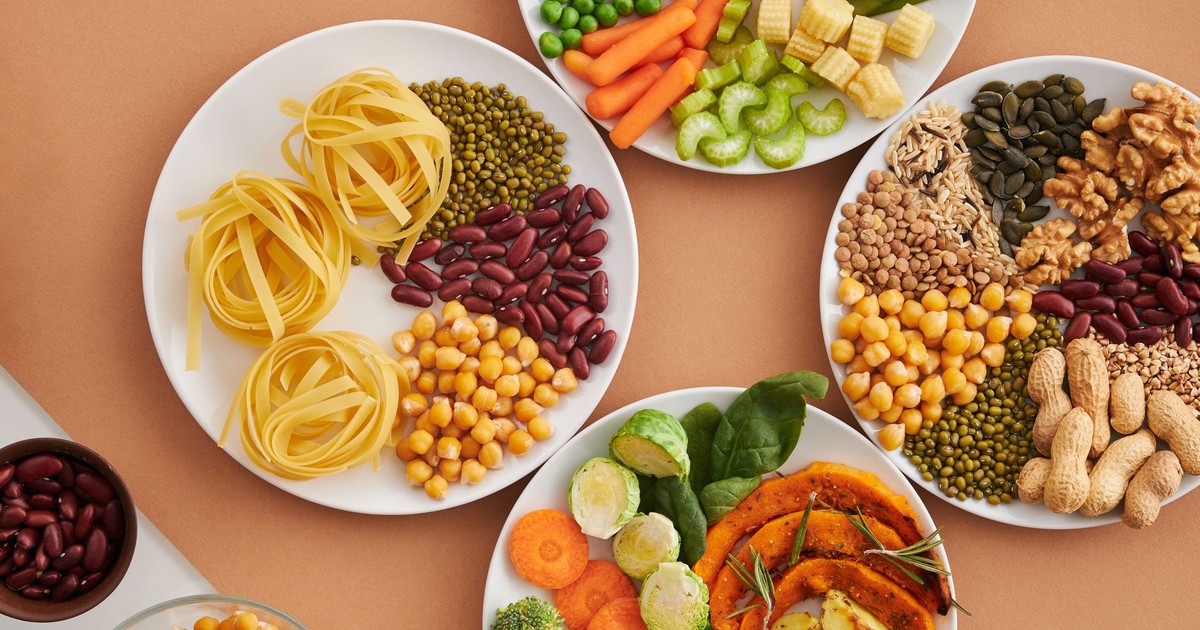
None of this means fiber is the enemy. The research in its favor is consistent and strong, and most people in the United States genuinely would benefit from eating more of it. The issue is not fiber itself – it is the way nutrition culture tends to take a good thing and push it past the point where it’s still good.
The USDA recommends that adults consume around 14 grams of fiber for every 1,000 calories of food they eat, which for someone eating around 2,000 calories a day means about 28 grams of fiber. That is a reasonable target that most people can reach through actual food – vegetables, legumes, whole grains, fruit – without needing a supplement at all.
Fiber side effects are almost entirely avoidable with two adjustments: go slowly, and drink more water. Add a few grams per week rather than overhauling your diet in a single Monday morning. Notice whether you are taking fiber supplements at the same time as medications you depend on. Pay attention to which specific fiber sources your body handles well and which ones leave you uncomfortable for hours. Your gut is not a machine you can upgrade by force of will – it is an ecosystem that responds better to gradual change than to sudden ambition.
Disclaimer: This information is not intended to be a substitute for professional medical advice, diagnosis, or treatment and is for information only. Always seek the advice of your physician or another qualified health provider with any questions about your medical condition and/or current medication. Do not disregard professional medical advice or delay seeking advice or treatment because of something you have read here.
AI Disclaimer: This article was created with the assistance of AI tools and reviewed by a human editor.