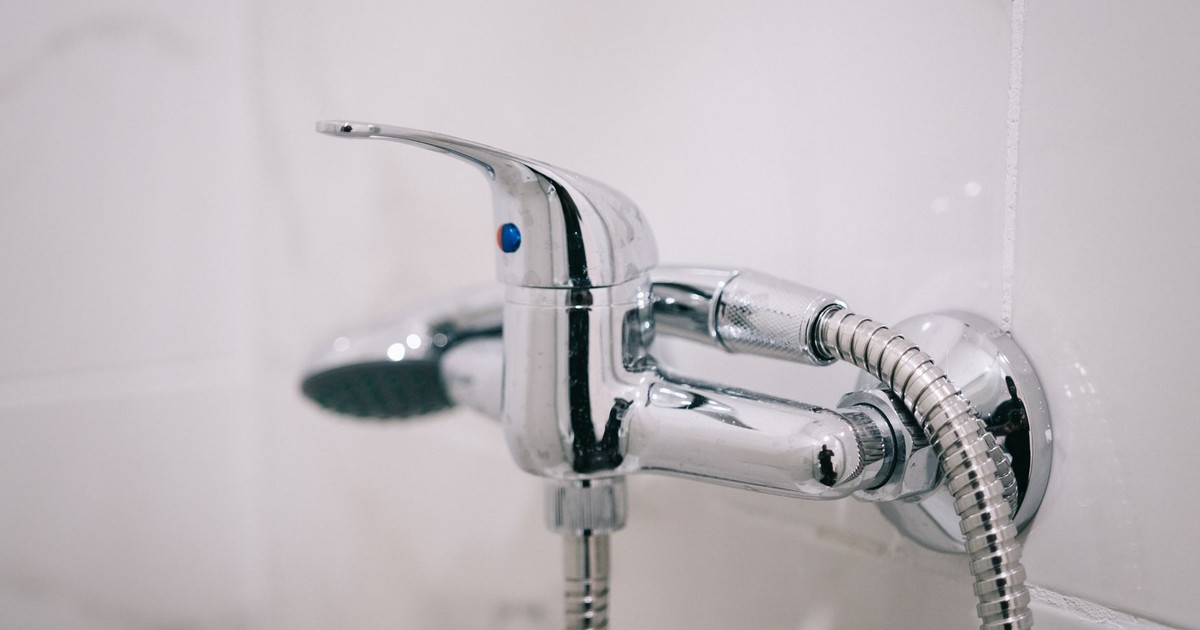

Your showerhead has been sending you a message for weeks. The spray that used to hit you in a clean, even arc is now doing something more like a scattered spit, with one jet shooting sideways and another barely trickling. You’ve been ignoring it because it still technically works, but it hasn’t been performing at its best for a while.
The fix is easier than you think, and you probably don’t even need to unscrew anything. You don’t need vinegar either. Whether you’re out of it, hate the smell, or have a chrome finish you’re not willing to risk, there are vinegar-free methods that work just as well, and in some cases, better, for serious buildup.
Why Showerheads Clog in the First Place
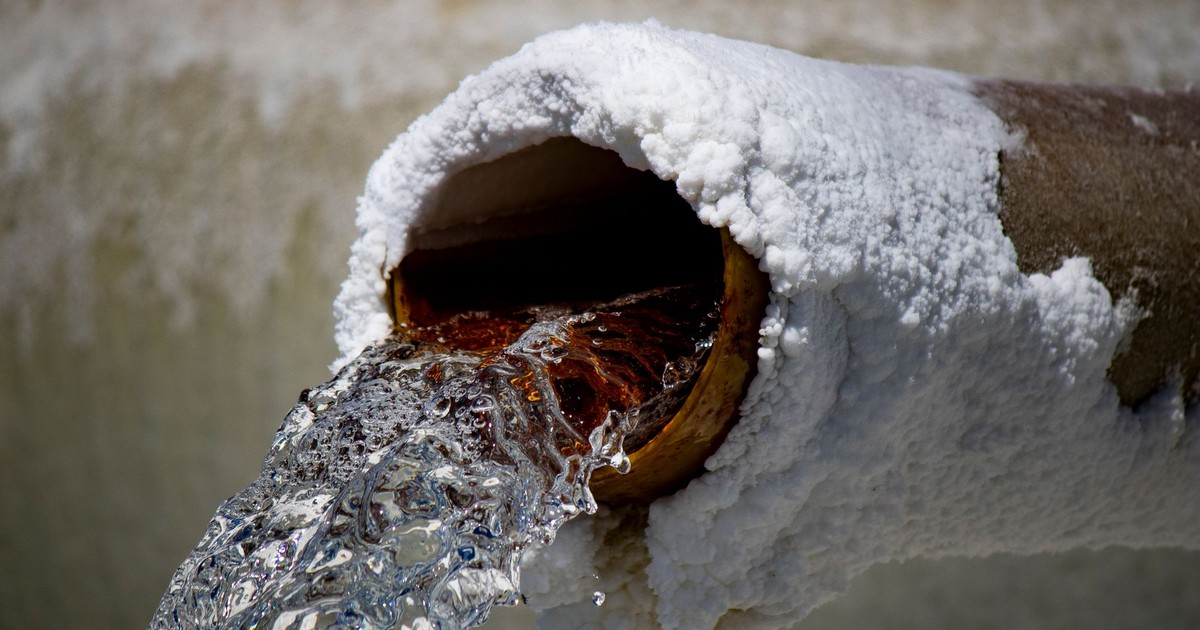
The white, chalky crust collecting around your showerhead nozzles is limescale, a buildup of calcium and magnesium deposits left behind when hard water dries on a surface. When water flows through the showerhead and comes into contact with air, the minerals precipitate out and accumulate on surfaces. Each shower you take deposits a microscopic layer. Those layers compound month after month into something genuinely obstructive.
About 85% of U.S. homes have some level of hard water, according to the U.S. Geological Survey. If you live in Phoenix, Indianapolis, Las Vegas, or anywhere across the Southwest and Midwest, your water is likely on the harder end of that scale. The harder the water, the faster the buildup returns after each clean, which is precisely why choosing the right method and sticking to a rhythm matters as much as the cleaning itself.
Deposits clog the spray nozzles, reducing water flow and making the fixture progressively less efficient, according to Bob Vila. In severe cases, mineral deposits can obstruct flow to the extent that they damage your plumbing fixtures, leading to leaks and costly repairs.
What You’ll Need (For Any of These Methods)
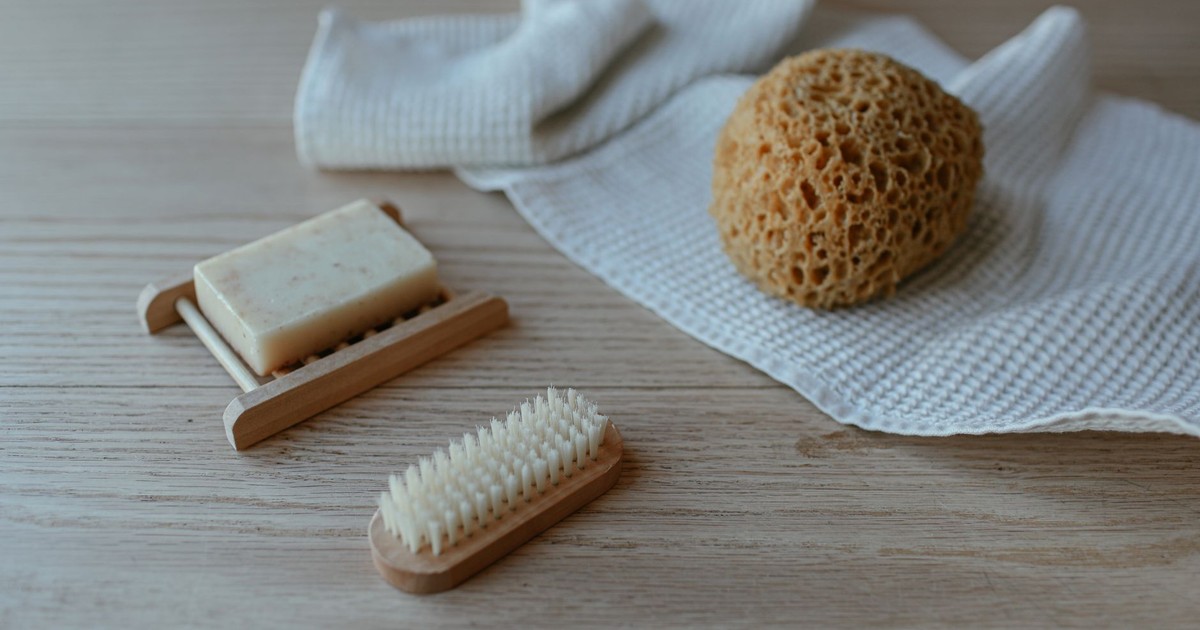
Before you start, gather a few things that will make every method easier. A large zip-lock bag or a sturdy plastic bag works for the soaking methods. Rubber bands or zip ties hold the bag in place around the showerhead arm. An old toothbrush is essential for scrubbing the nozzle face, and a toothpick or safety pin comes in handy for clearing individual holes that are fully blocked. Soft microfiber cloths finish the job without scratching. If your showerhead is chrome or a coated finish, test any solution on a small, less visible patch first before committing to a full soak.
Method One: Lemon Juice
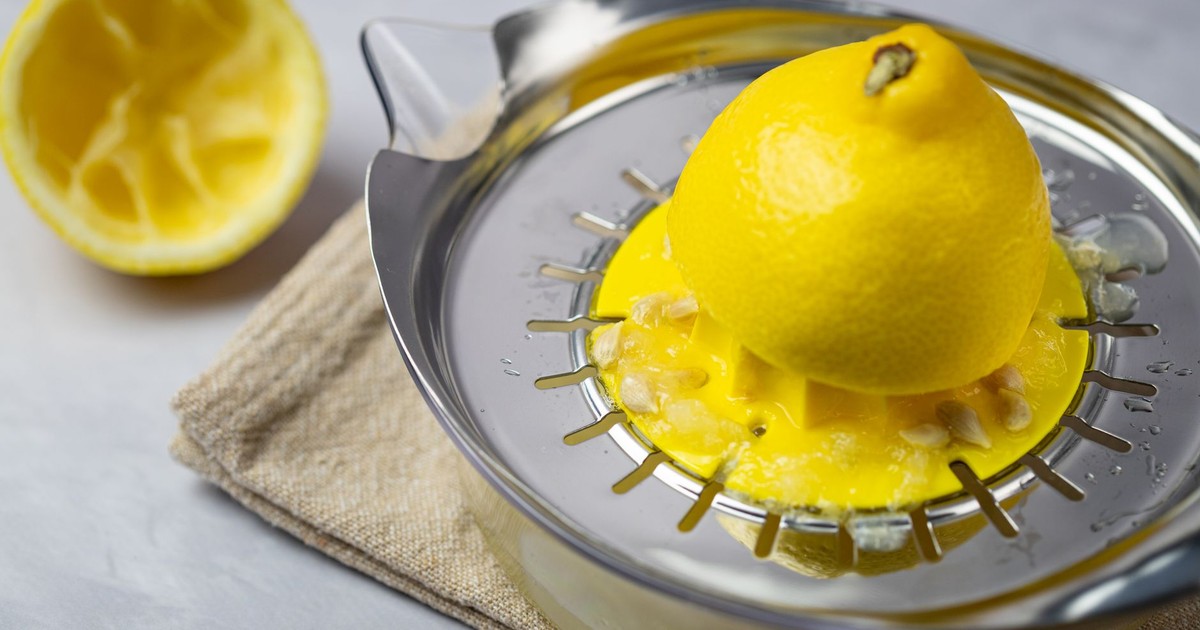
Lemon juice is the most accessible vinegar substitute in most kitchens. The citric acid in lemon juice reacts with the calcium carbonate in limescale and breaks it apart, the same basic chemistry that makes vinegar effective, without the pungency.
For an attached showerhead you don’t want to remove, the bag method works well. Fill a zip-lock or plastic bag with undiluted lemon juice, enough that when you hold the bag up against the showerhead, the nozzle face is fully submerged. Secure the bag around the shower arm with a rubber band or zip tie, angling the showerhead downward so the nozzles stay below the surface of the juice. Let it soak for 30 minutes, then remove the bag, turn on the water, and rinse for a full minute to flush any loosened deposits out through the nozzles.
For lighter surface buildup rather than a deep clog, you can skip the bag entirely. Cut a lemon in half and rub the cut side directly over the nozzle face, working the juice into the holes. Let it sit for ten minutes, then rinse with warm water. This won’t do much for stubborn internal buildup, but it handles the surface grime and mineral spotting efficiently. If the deposits are heavy, follow up with a toothbrush scrub after the juice has had time to act.
One practical note: bottled lemon juice works just as well as fresh squeezed for this purpose. You’re using it for its acid content, not its flavor, and the bottled version is concentrated enough to do the job.
Method Two: Baking Soda Paste
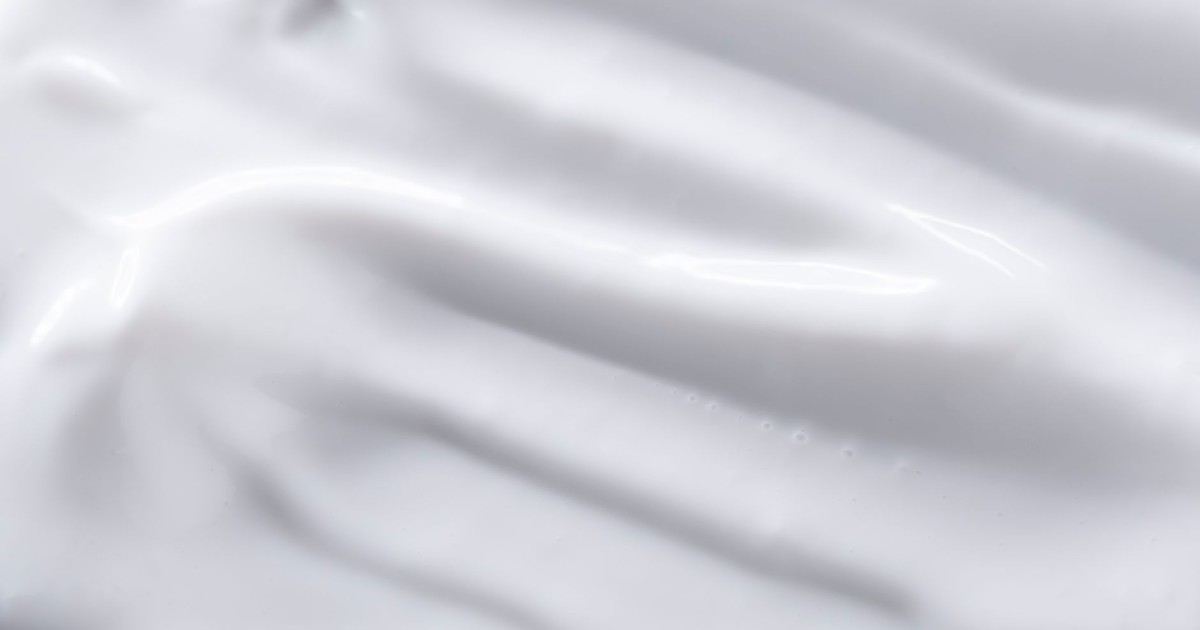
Baking soda works differently from lemon juice. Where lemon juice is acidic and dissolves mineral deposits chemically, baking soda is mildly alkaline and works primarily as a gentle abrasive, physically lifting and loosening buildup when scrubbed into the surface. It also has a useful secondary benefit: baking soda can help tackle rust staining that sometimes accompanies hard water deposits on older fixtures.
Mix two parts baking soda with one part water to make a paste. Apply it liberally to the showerhead, making sure to cover the nozzles and deposits completely, and let it sit for about 15 minutes. Then scrub with an old toothbrush.
Use a pin, needle, or toothpick to clear the individual holes of baking soda and debris. Rinse the showerhead thoroughly after scrubbing. Run the shower for a full minute to push any remaining paste out through the nozzles, otherwise you’ll end up with a baking soda clog in the same holes you just cleaned.
A quick upgrade to the paste: add a drop or two of dish soap to the baking soda mixture. The surfactant in dish soap helps lift soap scum and body oil residue alongside the mineral deposits, leaving the fixture cleaner overall without any additional scrubbing effort.
Method Three: Citric Acid Powder

Citric acid powder is the option most people haven’t tried, and it is arguably the most effective of the three for serious, long-standing buildup. You’ll find it in the canning aisle of most grocery stores, at hardware stores, and online. It’s inexpensive, odorless, and leaves no strong smell in the bathroom after use.
A citric acid cleaner works by lowering pH and dissolving alkaline mineral deposits, or limescale. Citric acid attacks that scale, breaks up residue bonds, and helps lift grime from surfaces, especially where water evaporates and leaves mineral film behind. Citric acid binds to calcium and lime ions through a process called chelation, converting mineral deposits into a water-soluble compound that rinses away. On very heavy or long-neglected buildup, multiple applications or extended soak times may be needed to work through thicker scale.
To use it, dissolve two to three tablespoons of citric acid powder in a bag filled with warm water, stirring until the crystals are fully dissolved. Secure the bag over the showerhead nozzles with a rubber band, ensuring the face is fully submerged, and leave it for 30 minutes to an hour. For a showerhead that hasn’t been cleaned in several months, leaving it for two to four hours produces noticeably better results. Once the showerhead has soaked, rinse it thoroughly with cold water. If any residue is still sticking to the nozzle face, a small brush will easily scrub it away at that point.
If you have a showerhead with a rubber or specialty finish, do a spot test on a less visible area first. Citric acid is gentle on most metals and plastics but can react with certain coated surfaces if left too long.
Method Four: The Toothpick and Brush Pass (No Soaking Required)
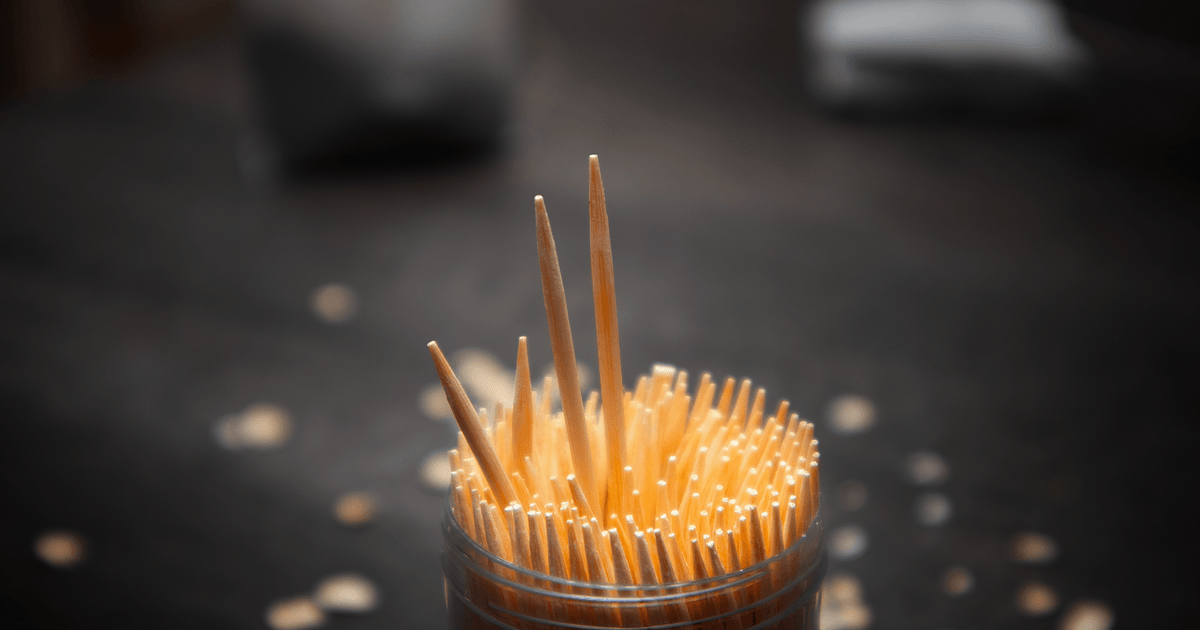
Sometimes the showerhead isn’t deeply clogged so much as spotty, with a few holes blocked while the rest spray normally. In that case, a soak is overkill. A targeted manual clean takes five minutes and restores the spray pattern without any solution at all.
Turn on the shower and let it run. Take a toothpick or the tip of a safety pin and work it into each nozzle hole individually, rotating it gently to break up any deposit sitting just inside the opening. You’ll often see a small jet of water correct itself immediately after clearing the hole. Follow the toothpick pass with a thorough scrub using a wet toothbrush, focusing on the edges around each nozzle where residue tends to collect.
This method works best as ongoing maintenance between deeper cleans rather than as a solution to severe buildup. If the deposits run deeper than the surface of the nozzle holes, a soaking method will be necessary.
Combining Methods for Stubborn Buildup
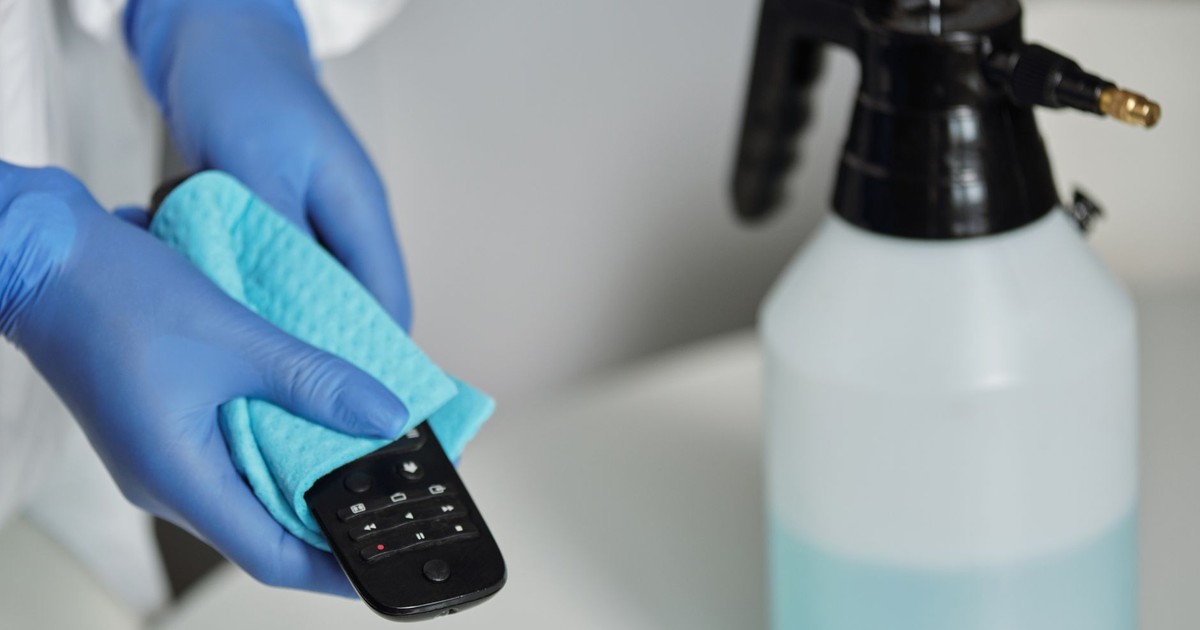
When the showerhead is genuinely far gone, one method alone may not be enough. Start with the citric acid soak for 30 to 60 minutes to dissolve the mineral structure of the deposits, then follow with the baking soda paste scrub while the surface is still damp, which lifts and polishes whatever the acid loosened. Finish with the toothpick pass on any individual nozzles still resisting, and then a full flush with warm running water.
If you’re tackling the shower surfaces at the same time, the baking soda paste from the showerhead clean works just as well on tile grout and the chrome arm.
How Often to Clean
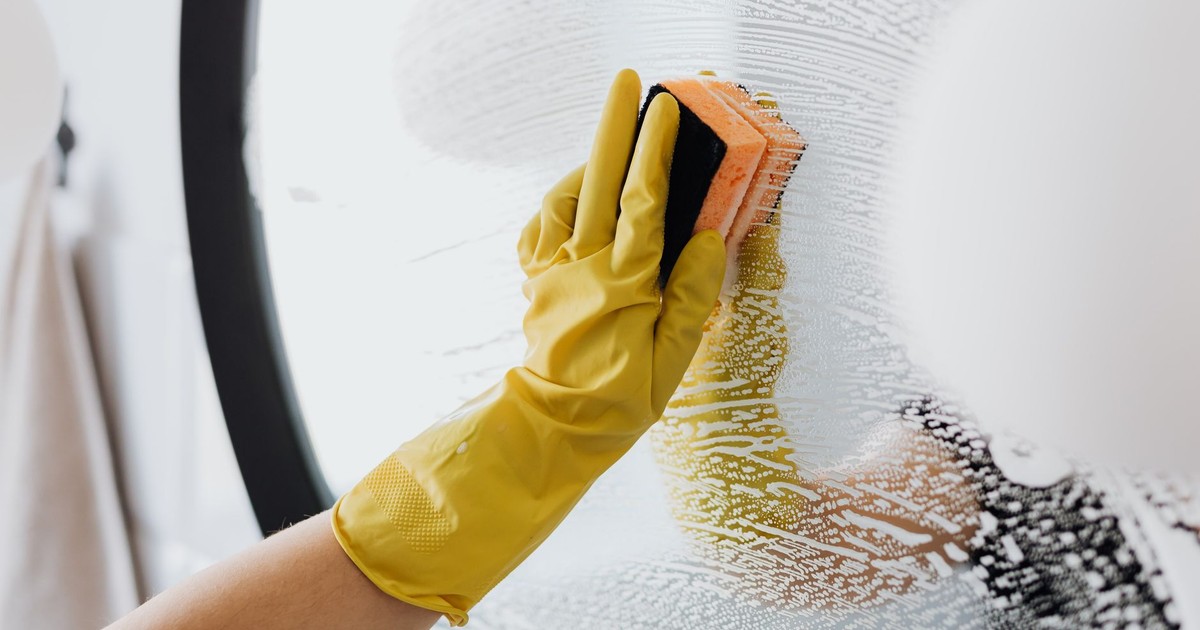
Monthly cleaning is the standard recommendation. For households with very hard water, every two to three weeks is more realistic if you want to stay ahead of the buildup before it hardens. Deposits that have been sitting for six months are significantly harder to shift than deposits that are three weeks old. The difference between a 20-minute light clean and a two-hour soaking project is almost entirely down to how long you wait between cleanings.
Wiping down and drying bathroom surfaces immediately after use helps prevent mineral spotting between proper cleans. A squeegee run over the nozzle face after each shower takes about ten seconds and keeps the surface buildup from hardening into a problem.
What If the Cleaning Doesn’t Work

If you’ve observed reduced water pressure, haven’t cleaned the showerhead in months, or know your home has very hard water, removing the showerhead for a deeper clean may be necessary. Removing the head is often the best approach for a severely clogged showerhead, since you can both soak and scrub it thoroughly, and inspect and clean the internal screen filter.
Most showerheads unscrew by hand once the water is off. Wrap the arm connection with a cloth before using any tool to avoid scratching the finish, and use an adjustable wrench just to break the initial resistance. Once it’s off, you can submerge the whole head in a bowl of citric acid solution, letting the interior passages soak as well as the face.
If cleaning the showerhead thoroughly doesn’t restore the pressure, the issue may lie upstream. Sediment in the supply line, a partially closed valve, or mineral buildup in the pipe itself can all reduce flow in ways no amount of showerhead cleaning will fix.
The Maintenance Habit That Changes Everything
The product you use matters less than how regularly you use it. Lemon juice, baking soda, citric acid powder: any of these will do the job if you use them consistently. The showerhead that never quite gets clean is almost always the one that only gets attention when the spray becomes genuinely unbearable.
A monthly clean with whichever method suits what you have on hand takes less than 20 minutes, requires nothing more than a zip-lock bag and pantry ingredients, and keeps the buildup from reaching the point where you’re staring at a nearly blocked fixture wondering how it got this bad.
Disclaimer: This information is not intended to be a substitute for professional medical advice, diagnosis, or treatment and is for information only. Always seek the advice of your physician or another qualified health provider with any questions about your medical condition and/or current medication. Do not disregard professional medical advice or delay seeking advice or treatment because of something you have read here.
AI Disclaimer: This article was created with the assistance of AI tools and reviewed by a human editor.