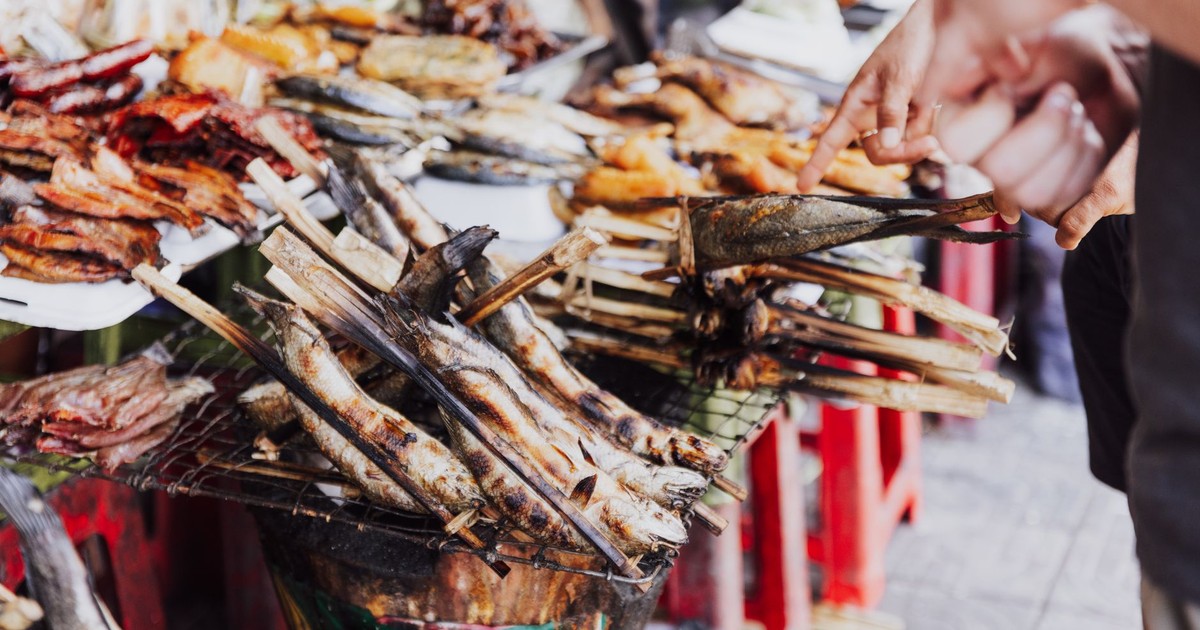

Anthony Bourdain traveled more countries in a single career than most people visit in a lifetime, and he spent a good portion of that time insisting the places nobody expected were the ones most worth going. He wasn’t interested in postcard views or hotel lobbies. He was interested in the plastic stool, the street-level bowl of noodles, the old man who’d been making the same dish for forty years and had never once thought to Instagram it. The Anthony Bourdain travel destinations that defined his legacy aren’t just places he visited. They’re places that changed him.
What made Bourdain’s relationship with a city different from a typical traveler’s was the depth of return. He went back. Not for a sequel episode or a follow-up segment, but because the place had gotten under his skin and refused to leave. Vietnam, Tokyo, Beirut – he filmed these cities multiple times across multiple shows, across decades, each visit layered over the last. By the end, some of these destinations felt less like locations and more like chapters of the same long story he was always telling about the world.
These are the seven places Bourdain kept coming back to, and the reasons that make each of them still worth going.
1. Hanoi, Vietnam
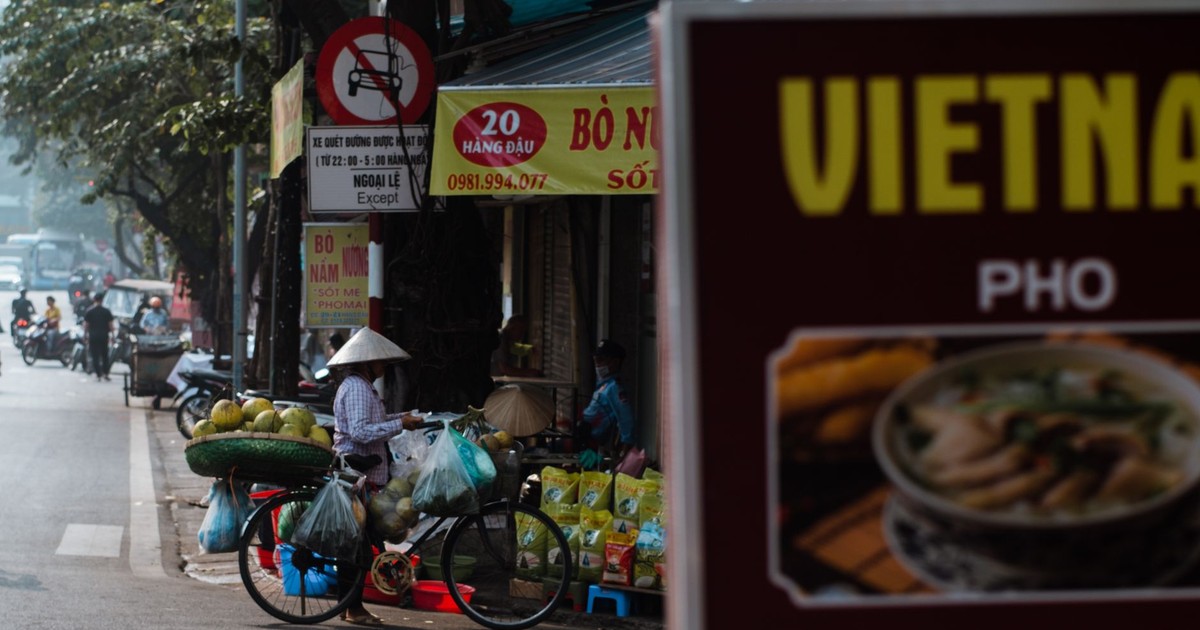
No list of Anthony Bourdain travel destinations begins anywhere else. Bourdain repeated, on more than one occasion, that Vietnam was his absolute favorite place on Earth. He had a long love affair with Hanoi specifically, filming across Vietnam throughout his television career, and his work there inspired a new generation of travelers to visit the country.
Perhaps no image is more associated with Bourdain’s legacy than the scene of him sitting with then-President Barack Obama, eating a $6 dish of bún chả on plastic stools at a Hanoi restaurant called Bún Chả Hương Liên. The restaurant is still open for visitors, though that particular table is now encased in glass — preserved with the original bowls, plates, and beer bottles from the meal. That detail alone tells you everything about how the world responded to his influence: the table became a monument, which is both exactly what Bourdain would have found funny and exactly what he would have hated.
Located in the north of the country, Hanoi is Vietnam’s capital – a city known for its storied architecture and mix of Vietnamese, French, and Chinese influences, with a thriving food and coffee scene alongside a number of historic sites. Bourdain’s Vietnam extended beyond Hanoi, too. One of his most formative food experiences was in Huế, once the seat of imperial power for the Nguyễn dynasty, and today a center of Vietnamese intellectual, cultural, religious, and culinary significance.
2. Tokyo, Japan
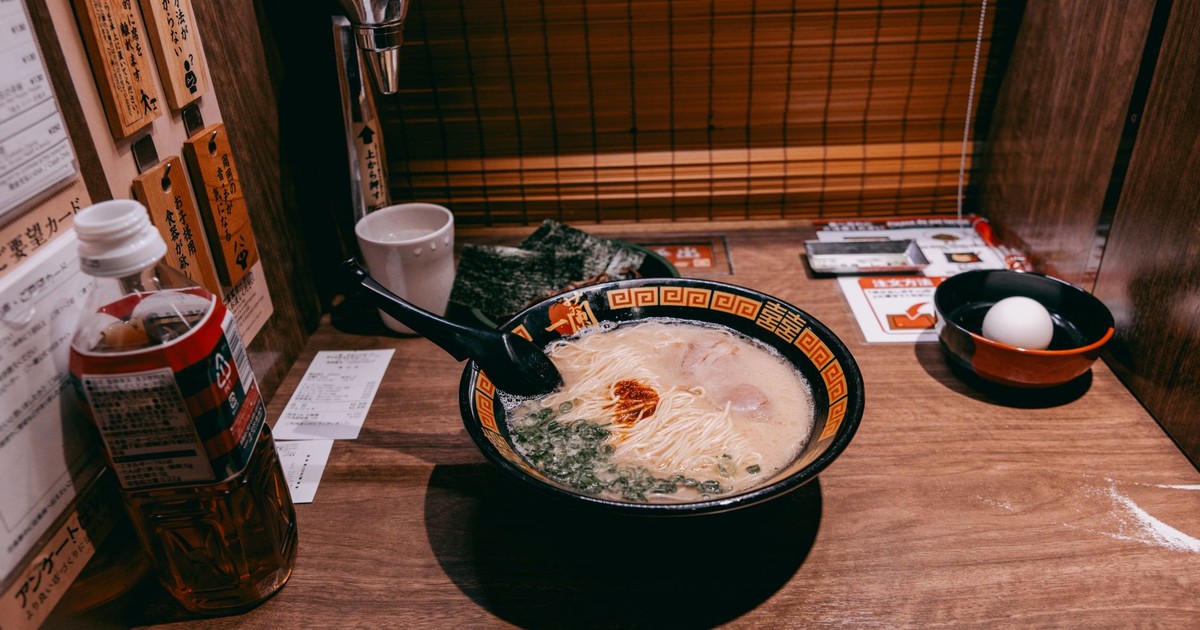
Tokyo was one of Bourdain’s three favorite food cities, and in the field notes for a Tokyo episode of “Parts Unknown,” he declared, “If I had to eat only in one city for the rest of my life, Tokyo would be it,” according to Chowhound. That is a man who had eaten in almost every country on Earth making a definitive statement, and he was not given to making them lightly.
Bourdain filmed seven episodes in Tokyo across his television career: for “A Cook’s Tour,” “No Reservations,” and “Parts Unknown.” Despite that extensive record and Tokyo being one of the most-filmed locations he visited, he almost certainly traveled there far more than he filmed. What made Tokyo so compelling for him was the overwhelming variety stemming from different culinary traditions; in interviews, he pointed repeatedly to soba noodles with duck dipping sauce, uni (sea urchin), and yakitori skewers as the staples he craved.
After his first visit, Bourdain was instantly captivated by everything about the city – he loved how different it was from everything he had previously known, and quickly became smitten with Japanese culture. He had a gift for balancing high culinary art with the city’s gritty, beloved izakayas, finding Tokyo’s true pulse over a skewer of grilled intestines and a cold beer at a place like Daitoryo – capturing a city that constantly reinvents itself while fiercely guarding ancient traditions.
3. New York City, New York
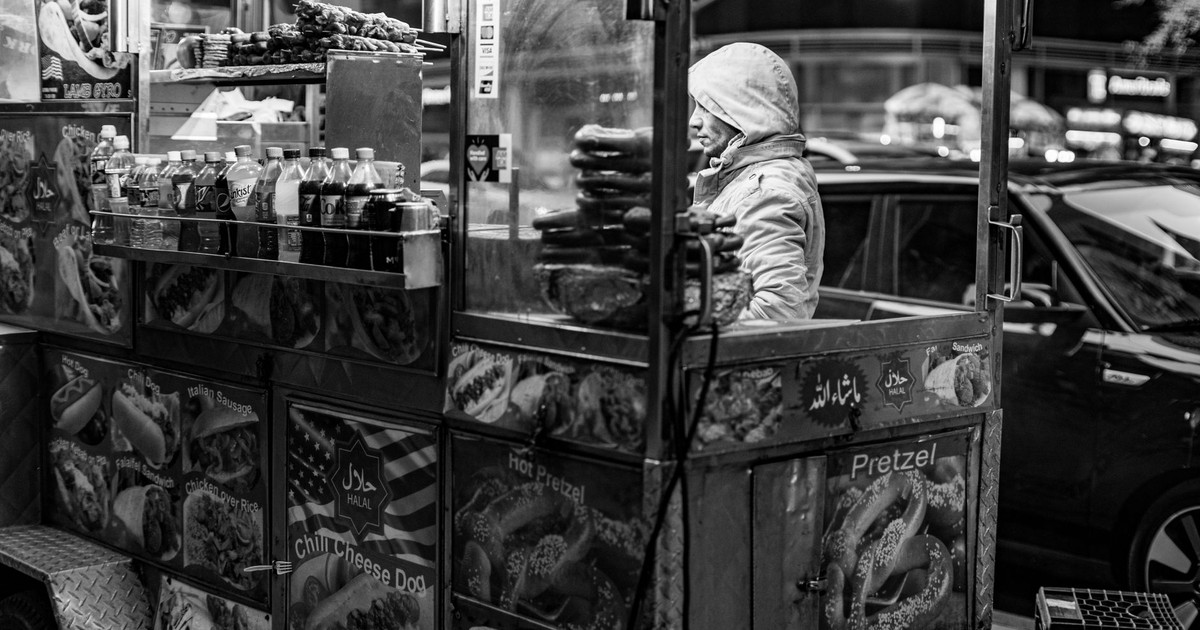
New York was never quite a “travel destination” for Bourdain in the conventional sense. It was home – or the closest thing to home a man who was perpetually elsewhere ever allowed himself. He grew up in New Jersey, spent his formative kitchen years in Manhattan, and kept returning to the city long after he could have lived anywhere else.
One of Bourdain’s main go-to NYC dishes was yakitori, Japanese chicken skewers. He also favored deli landmarks like Katz’s Delicatessen and Russ & Daughters, and sought out everything from local Italian spots in Sheepshead Bay to hot dogs from Papaya King. This is the Bourdain template applied to the city he knew best: always eating down, always eating specific, always with the certainty of someone who has tested the options and arrived at a conclusion.
New York City is the archetypal melting pot – every cuisine in the world present, so it’s less one culture than many woven into one. For a man whose career was built on using food as a way into people and places, New York was both origin story and perpetual homecoming. The city’s complexity mirrored his own, which is probably why he never quite left it, even when he was technically gone.
4. San Sebastián, Spain
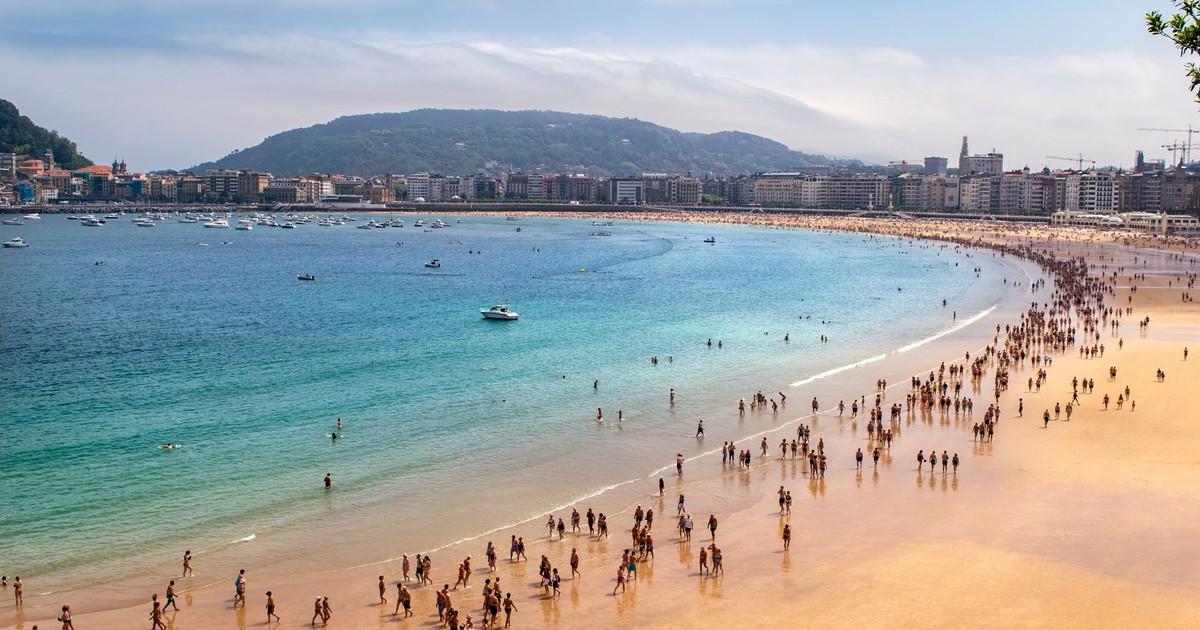
Few cities impressed Bourdain as much as San Sebastián, located on the shores of Spain’s mountainous Basque region, a coastal city home to some of the best restaurants in Europe. In “Parts Unknown,” Bourdain said plainly: “We could make the argument that there’s no better place to eat in Europe than the city of San Sebastián. But even the everyday joints are superb.”
The pintxos culture is what made San Sebastián feel essential rather than elite. When Bourdain visited, he dove into the city’s tradition of pintxos – pronounced “pinchos” – small bites served skewered on a cocktail stick or on a morsel of bread, ranging from Serrano ham and quail’s egg to potato croquettes or fried baby eels. This is a place where the highest concentration of culinary talent on the continent exists alongside the most democratic way of eating – bar-to-bar, one small bite at a time.
What Bourdain understood about San Sebastián was that the Michelin stars weren’t the point. The love of food had become structural to daily life there, not reserved for occasion or expense. It was the culture itself. A city where excellence runs from the three-star dining room all the way down to the counter at the corner bar was always going to draw him back.
5. Beirut, Lebanon
Bourdain’s relationship with Beirut is one of the most complicated in his entire body of work, and also one of the most revealing. In 2006, he was slated to film a show in Beirut when a violent conflict broke out in the city, halting production. He returned to film the city again across subsequent series, drawn back by a place whose turbulent history and extraordinary vitality he never stopped wanting to document.
As National Geographic recorded, Bourdain called Beirut “a very complex, uniquely incredible place – one of my favorite cities – and for all of its problems, and there are many, I think it’s a place that people should go and enjoy themselves.” That’s not tourist-board language. That’s a man making an argument on behalf of a place that had never stopped being complicated.
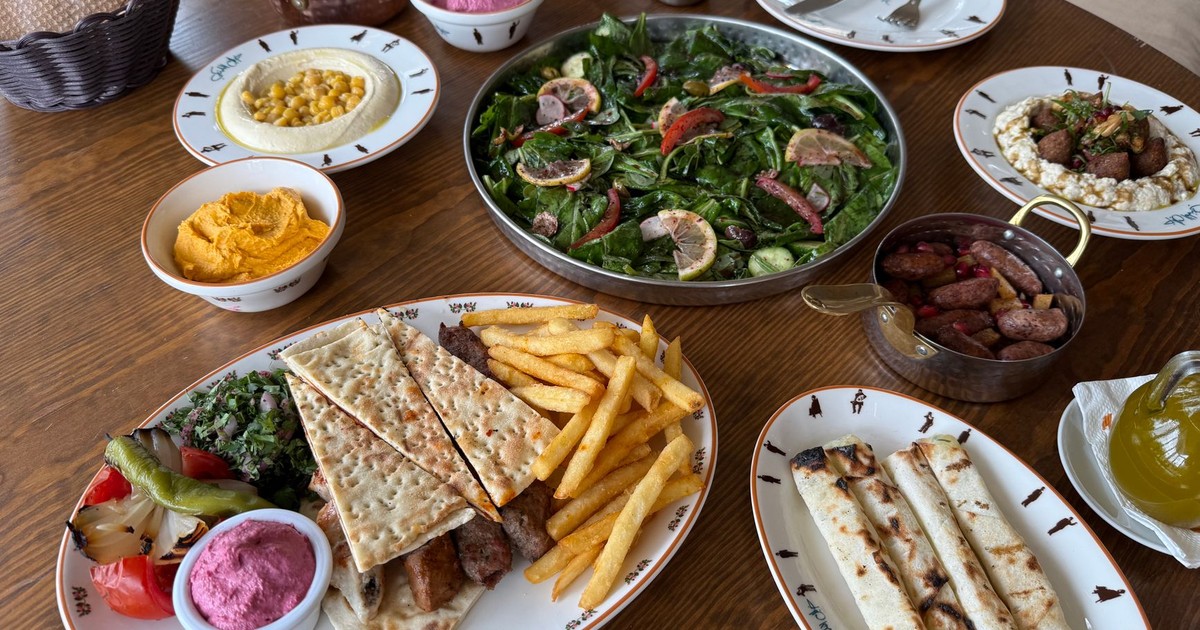
He felt a real draw to Lebanon’s eclectic, buzzy capital – a place that remains one of the finest cities in the world for food, where street food stalls sit on every corner alongside casual cafes, high-end dining rooms, and bustling markets. He filmed Beirut multiple times across multiple series and never once resolved his feelings about it into something simple. He didn’t want to. He thought the complexity was the thing worth showing.
6. New Orleans, Louisiana
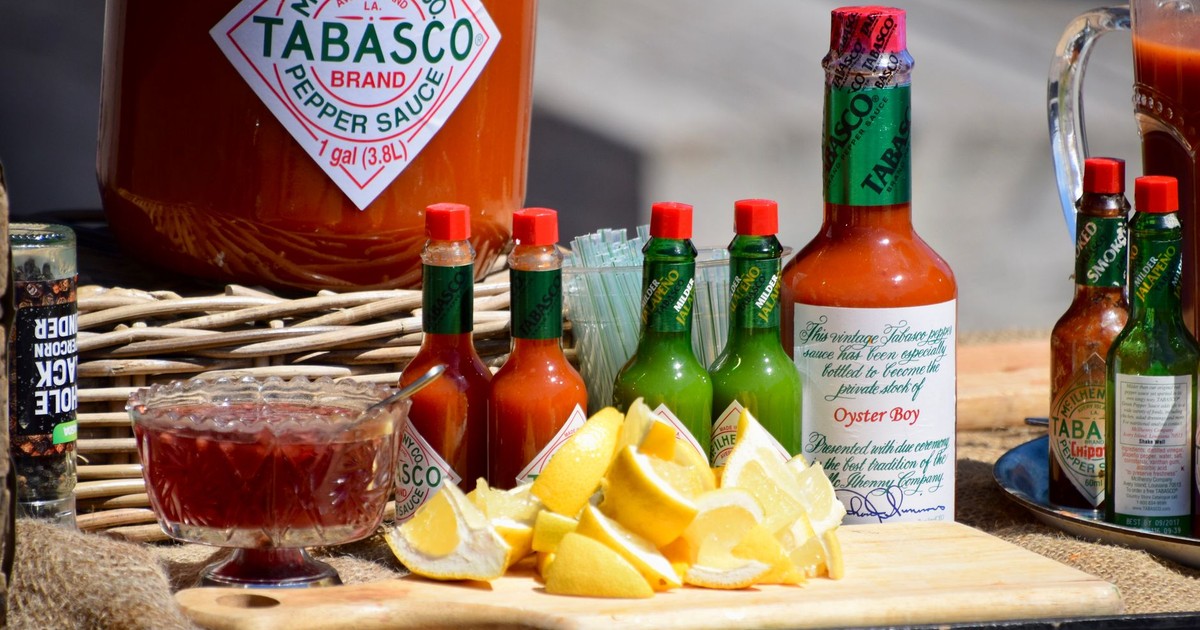
New Orleans was the American city that seemed to affect Bourdain the way foreign cities affected him – as a place with its own logic, its own food culture, its own history operating on completely different terms from the rest of the country. He filmed there multiple times, including after Hurricane Katrina, and made no attempt to look away from what the city had survived.
The food was foundational to why he kept returning. New Orleans operates on a culinary identity so distinct from the rest of American cooking that it barely registers as the same cuisine – Creole gumbo, po’ boys piled at lunch counters, red beans and rice on Monday, freshly fried beignets dusted with powdered sugar at Café Du Monde. Bourdain was drawn to places where food was not a trend but a tradition, and New Orleans had been making the same dishes the same way for generations. A city where cooks treated those traditions with the same seriousness as any Michelin-starred kitchen was, to him, exactly the point.
He was also drawn to the city’s particular relationship with joy and grief – a place that knew tragedy and still threw the best parties. Bourdain understood that register well. New Orleans was the American city that most matched his own emotional frequency, which is to say it was never quite comfortable and never quite let you go. If you’re looking for travel destinations that carry serious weight and genuine wonder, New Orleans belongs at the top of any list.
7. Montevideo, Uruguay
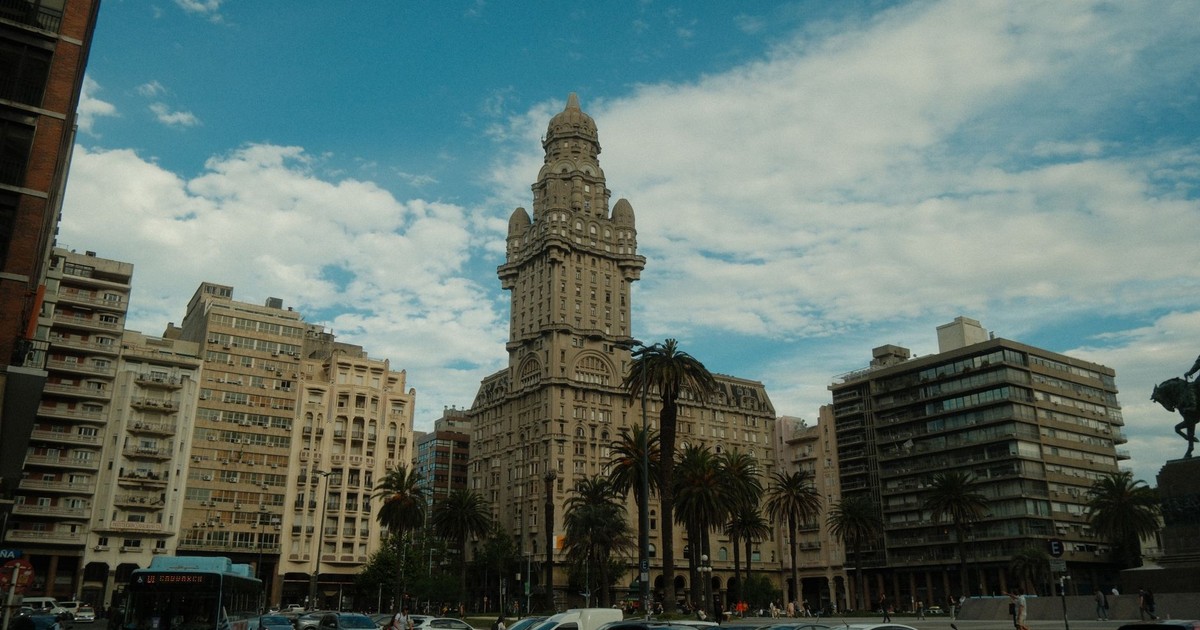
Bourdain called Uruguay “the tiny, overlooked but enchanted land,” and described it as one of his favorite places to visit. Uruguay had the exact profile of a Bourdain obsession: wildly underrated, rarely on the tourist circuit, and in possession of a food culture that was doing extraordinary things without needing anyone’s validation.
Of Montevideo specifically, Bourdain said: “Montevideo is beautiful and uncrowded. The coast – once you get away from the resort areas – is wild and magnificent. The food is generally superb, though not exactly vegetarian friendly. I recommend the excellent morcilla sausages cooked on a parilla.” The city’s grill-focused, meat-forward cuisine was something he returned to with genuine enthusiasm, not as novelty but as substance.
What made Uruguay significant in Bourdain’s geography was how loudly it contradicted the assumption that the best food destinations were the famous ones. He put it on his list of “underrated, douche-free destinations” – his term, not a paraphrase – alongside Beirut and Marseille. That list said more about his philosophy of travel than any formal manifesto could: the places worth your time are often the ones nobody bothered to write up, where the sausage is extraordinary and the restaurant is completely anonymous and the fire does all the talking.
What He Was Really Showing Us
The through-line across every Anthony Bourdain travel destination on this list isn’t geography or cuisine. It’s the conviction that a place reveals itself through its food – not the fancy food, not necessarily, but the food that people eat without thinking about it, the dish that’s been on the table for three generations, the thing a grandmother makes that no restaurant has ever successfully replicated. Bourdain kept going back to Vietnam, Tokyo, Beirut, and New Orleans because these were places that kept having more to show him. He’d leave, and the city would go on being itself, accumulating new layers, and he’d have to go back to catch up.
The places on this list are all still there. Bún Chả Hương Liên is still serving bún chả in Hanoi, though a certain table is roped off now. The pintxos bars of San Sebastián are still serving at the counter. Montevideo is still underrated. What Bourdain argued, episode after episode, was that the world is bigger and more interesting than the part most of us bother to see – and the entry point is almost always a meal. He never resolved that argument into a tidy conclusion. He just kept making it, one city at a time, and trusted that whoever was watching would eventually have to go and see for themselves.
Disclaimer: This information is not intended to be a substitute for professional medical advice, diagnosis, or treatment and is for information only. Always seek the advice of your physician or another qualified health provider with any questions about your medical condition and/or current medication. Do not disregard professional medical advice or delay seeking advice or treatment because of something you have read here.
AI Disclaimer: This article was created with the assistance of AI tools and reviewed by a human editor.