
Dinner is over. The dishes are done, or at least stacked. The kitchen smells like garlic and whatever that spice blend was that you threw in on instinct. And now comes the part of the evening that is, quietly, one of the most consequential decisions you make for your heart: what goes in the glass.
If you have high blood pressure, the after-dinner drink question is one worth taking seriously. Not in a white-knuckle, deprive-yourself way – but in the sense that the right choice can actually do something useful for your cardiovascular system while you’re just trying to unwind. There are specific drinks with a real, documented track record here. The evidence is a lot more interesting than “drink more water.”
What most people pour when the evening finally arrives and what actually supports healthy blood pressure are, in some cases, very different things. A glass of wine feels like a reasonable way to decompress. A sugary dessert cocktail is a celebration. Even an after-dinner espresso carries a certain romance. But if your numbers are running high and you’re already doing most of the right things – the exercise, the sodium awareness, maybe even the medication – what you drink in the evening can either work with all of that or quietly undercut it.
Hibiscus Tea: The One With the Most Evidence
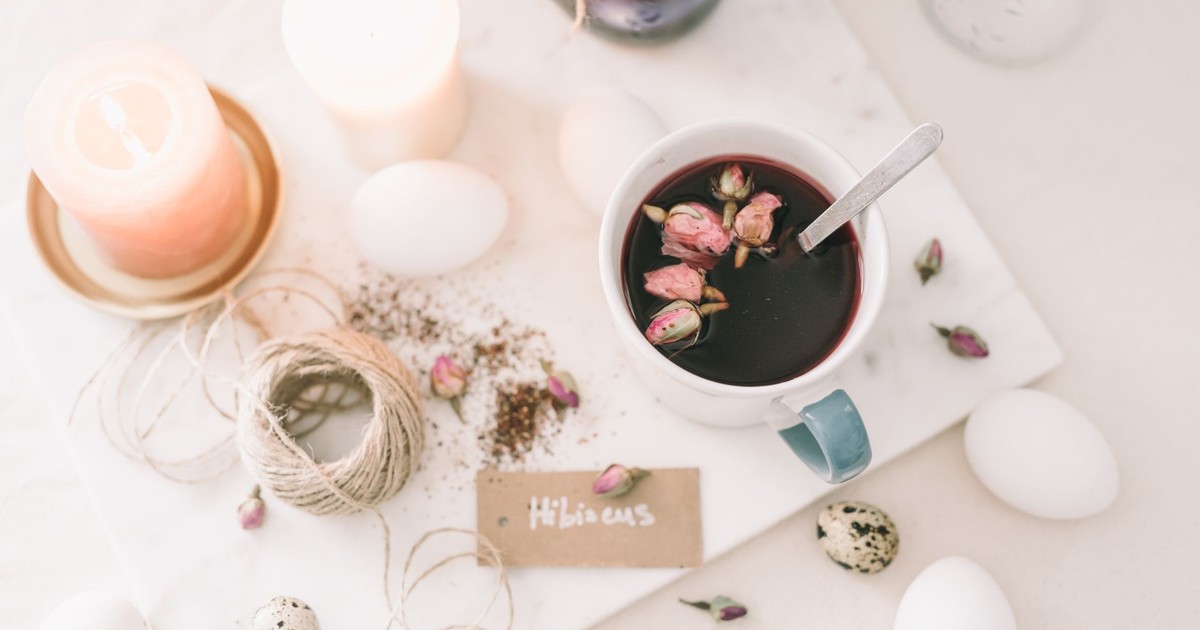
If there’s a single after-dinner drink high blood pressure research keeps returning to, it’s hibiscus tea. Not because it’s trendy or because some influencer put it in a pink glass. Because it has accumulated, over years of study, a genuinely impressive body of clinical evidence.
Data from 26 randomized controlled trials involving 1,797 participants found that hibiscus dose-dependently reduced both systolic and diastolic blood pressure compared to placebo and other teas. That is not a small sample. Twenty-six trials is the kind of evidence base that earns a drink a permanent spot on the list.
Hibiscus is rich in anthocyanins – the same pigments that make it that deep ruby red – and these compounds act as mild ACE inhibitors. ACE inhibitors are a class of drug that relaxes the blood vessel walls by blocking the enzyme that causes them to tighten. Hibiscus does a modest version of the same thing, without the prescription.
Clinical studies show average reductions of around 7 to 10 mmHg systolic and 3 to 5 mmHg diastolic. To put that in context: a 5 mmHg reduction in systolic pressure has been associated with meaningful decreases in stroke and cardiovascular event risk. A 7 to 10 mmHg reduction from a cup of tea is genuinely worth paying attention to.
The practical version: brew it strong, let it cool slightly, skip the added sugar, and drink it after dinner. It is naturally caffeine-free, which matters in the evening. It is also tart enough to feel like a real drink rather than a wellness ritual you’re enduring.
Beetroot Juice: Unglamorous, Effective, Backed by the Data
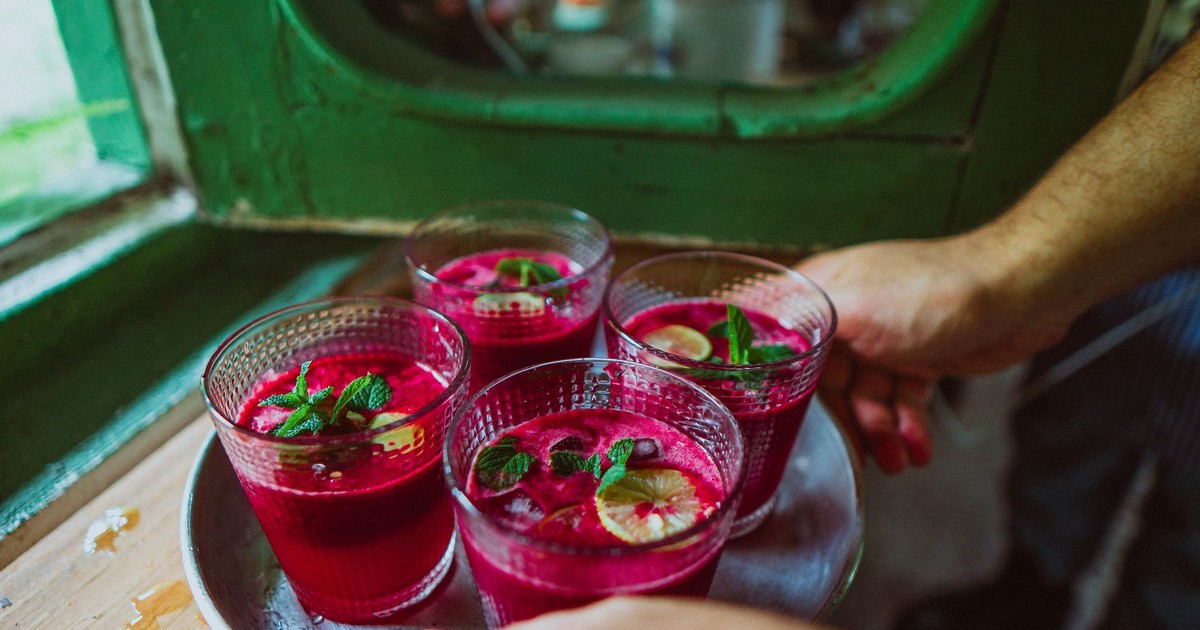
Beetroot juice will never win a beauty contest. It stains everything it touches, it tastes exactly like what it is, and the color it produces in the bathroom the next morning will alarm you the first time it happens. None of this changes the fact that it works.
A 2024 meta-analysis – the first to look specifically at beetroot juice and clinically defined hypertension – found a significant reduction in systolic blood pressure of 5.31 mmHg compared to placebo, with the effect holding for up to 90 days of daily use.
Beets are among the most nitrate-dense vegetables you can eat. When you consume them, the nitrates convert to nitric oxide in your body, and nitric oxide signals the smooth muscle in your blood vessel walls to relax and dilate. That relaxation is what brings the pressure down.
More recent research from the University of Exeter found that nitrate-rich beetroot juice lowered blood pressure in older adults by reshaping their oral microbiome, with beneficial bacteria increasing and harmful ones decreasing – leading to better conversion of dietary nitrates into nitric oxide. The bacterial angle is a newer and genuinely interesting finding. It suggests the effect isn’t purely chemical; the community of bacteria in your mouth actually participates in making beetroot juice useful for your heart.
One practical note: if you use a mouthwash that kills all oral bacteria before drinking beetroot juice, you may blunt the effect. The bacteria in your mouth are part of the conversion process.
If straight beetroot juice is too intense, small amounts mixed with apple juice or ginger can make it considerably more drinkable without stripping out the nitrates.
Pomegranate Juice: The Case for a Smaller Glass
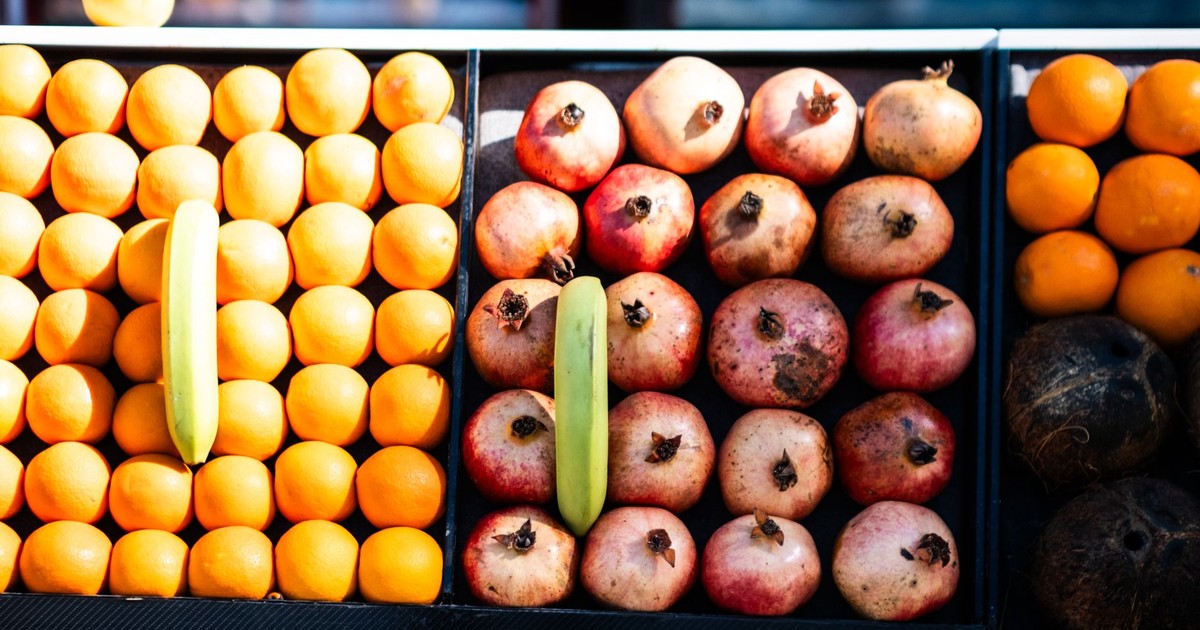
Pomegranate juice occupies a slightly more complicated position in the after-dinner drink conversation, because the evidence is real but the dosing matters more than people realize.
A meta-analysis of 14 clinical trials involving 573 individuals found a reduction in systolic blood pressure of around 5 mmHg with regular pomegranate juice consumption. The polyphenols in pomegranate – particularly punicalagins and punicic acid – appear to act as antioxidants that reduce arterial inflammation and improve endothelial function. The endothelium is the thin inner lining of your blood vessels; when it’s inflamed or damaged, blood vessels are stiffer and less responsive, which pushes pressure up.
Interestingly, the data shows that consuming 300 milliliters or less of pomegranate juice daily produced the most reliable reductions in systolic blood pressure. More is not better here. Pomegranate juice also carries natural sugars, and the portion matters both for the cardiovascular benefit and for overall sugar intake.
Pomegranate juice may interact with certain medications, and if you’re on statins or blood pressure drugs, checking with your prescriber before making it a nightly habit is a reasonable precaution.
A small glass, around a cup or slightly less, appears to be the sweet spot for the cardiovascular effect without excess sugar and without hitting the threshold where benefits seem to plateau.
Plain Water: The Underestimated Default

There is something slightly anticlimactic about including water in a list of drinks that support healthy blood pressure. And yet its absence from the after-dinner routine matters more than most people appreciate.
Mild dehydration – the kind you can accumulate through a normal busy day without ever feeling dramatically thirsty – causes the body to hold onto sodium as a compensatory response. Sodium retention, in turn, raises blood pressure. The kidneys also need adequate hydration to properly filter and excrete the sodium you’ve consumed through the day. An after-dinner glass of water is doing genuinely useful housekeeping.
The post-dinner hour is also when many people reach for alcohol as a first instinct. If you have high blood pressure, alcohol is worth approaching carefully: regular or heavy consumption is one of the more consistent contributors to elevated readings, and the calories in alcohol add up in ways that affect blood pressure indirectly through weight as well. Replacing an evening drink with water – even just some of the time – removes one variable that’s working against you.
What to Avoid After Dinner If Your Numbers Are High
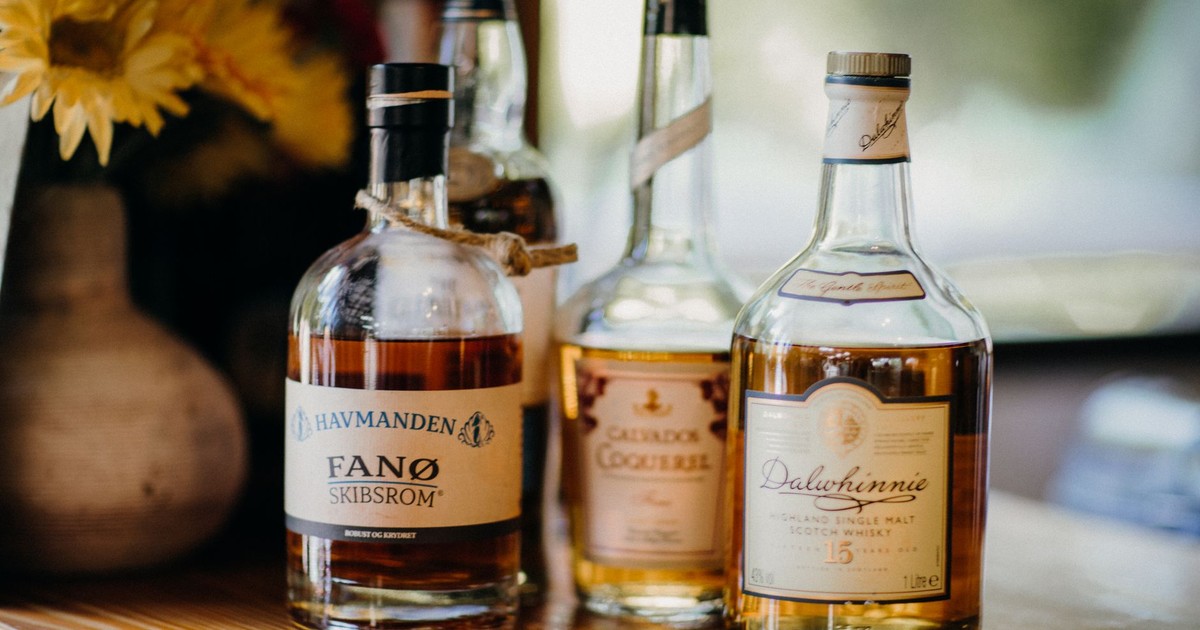
Understanding what works also means being honest about what doesn’t.
Alcohol in any meaningful amount is a complicated choice when blood pressure is already elevated. The evidence on light drinking and cardiovascular benefit has shifted considerably in recent years, with newer analyses suggesting the earlier optimism about wine was overstated. If you drink, the current picture suggests keeping it genuinely light – and being honest with yourself about what “light” actually means in practice.
Caffeinated drinks after dinner – a double espresso, an energy drink, even some sodas – cause an acute spike in blood pressure that can persist for several hours. That spike may not dramatically affect your average readings if you have it occasionally, but it can disrupt sleep, and disrupted sleep is independently linked to higher blood pressure across months of poor rest. It’s a compounding problem rather than a single-incident one.
Sugar-heavy drinks, including commercially bottled fruit juices with added sugar and sweetened teas, add their own complexity. The blood-pressure effects of high sugar intake are real and documented, and choosing a sweetened version of an otherwise helpful drink – hibiscus syrup in soda water rather than brewed hibiscus tea, for example – can tip the benefit toward neutral or worse.
What Actually Makes a Difference
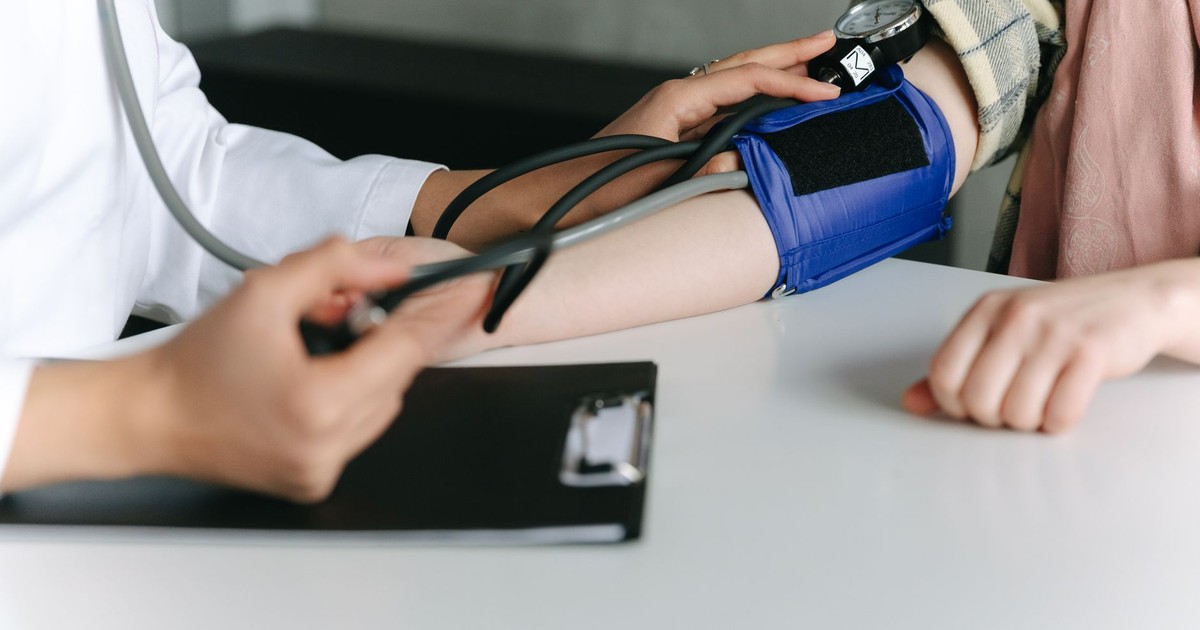
The drinks in this list are not magic. None of them will single-handedly bring elevated readings into a healthy range if diet, weight, exercise, or medication is working against you. What they do, consistently, is add something useful to an evening routine without adding anything harmful – which is a more meaningful bar than it sounds.
Hibiscus tea every evening is somewhere around 200 to 300 small beneficial acts over the course of a year. Beetroot juice three times a week is a few dozen meaningful nitrate doses. Pomegranate juice in the right amount is consistent antioxidant support across months. None of these are dramatic single interventions. All of them build, slowly and cumulatively, in ways that register on the scale of arterial health.
One Glass at a Time
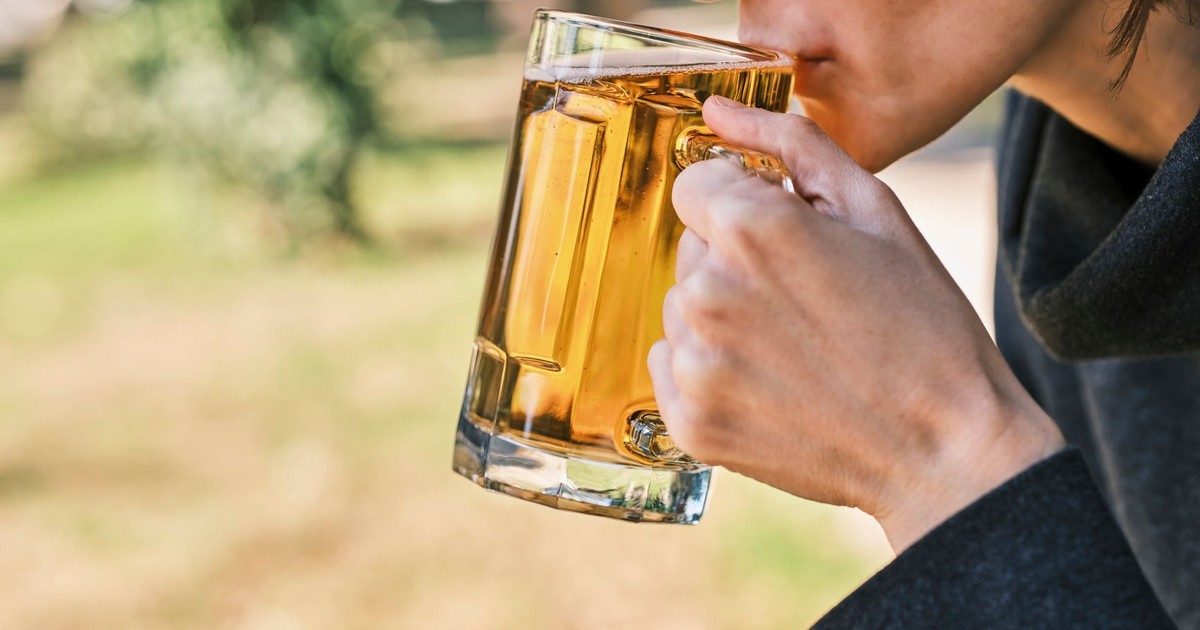
Evening is when a lot of people make choices they didn’t plan to make. Having a drink you actually look forward to – something cold, flavorful, and interesting – is its own defense against reaching for the things that don’t serve you. A glass of iced hibiscus tea with a slice of orange is genuinely pleasant. So is a small pour of pomegranate juice over ice. You’re not giving something up. You’re choosing something better, which is a different experience entirely.
Some of these choices will take a few weeks to make a noticeable difference, if they make one at all. Blood pressure is a long-form story, not a headline. But the evening routine is where that story gets written, one glass at a time.
Disclaimer: This information is not intended to be a substitute for professional medical advice, diagnosis, or treatment and is for information only. Always seek the advice of your physician or another qualified health provider with any questions about your medical condition and/or current medication. Do not disregard professional medical advice or delay seeking advice or treatment because of something you have read here.
AI Disclaimer: This article was created with the assistance of AI tools and reviewed by a human editor.