

Most of us spend time wondering which parent we can credit or blame for a particular feature. The nose, the metabolism that stalls after forty, the ability to fall asleep anywhere. The answer is almost never as simple as “that one came from Mom.” Genetics is a negotiation, not a clean handoff, and a single trait can be shaped by dozens of genes playing off each other across both family lines at once.
Some things trace back to one parent more directly than the other. Some traits travel almost exclusively through the maternal line, locked into a type of DNA that fathers cannot contribute. Others land more reliably from the paternal side, riding chromosomes that only fathers pass on. Then there’s a middle category where the same gene can have opposite effects depending on which parent handed it down.
What follows is a closer look at 20 traits and biological characteristics scientists have linked to either maternal or paternal inheritance.
1. Mitochondrial DNA and Everything That Comes With It

Every cell in your body runs on mitochondria. These are the tiny structures that convert food into usable energy, and they carry their own separate strand of DNA entirely distinct from the nuclear genome. Research from Oregon Health & Science University, published in Nature Genetics in 2023, found that sperm mitochondria are devoid of intact mtDNA, providing a mechanistic basis for why mitochondrial DNA is inherited almost exclusively through the mother in humans. Rare documented exceptions with paternal mtDNA transmission have been reported in a small number of families, but maternal inheritance is the overwhelming rule.
Every cell contains mitochondria responsible for converting food into usable energy, fueling everything from your heartbeat to brain activity. All of your mitochondria, along with the DNA inside them, come solely from your mother. The study confirmed that mtDNA comes exclusively from egg cells in humans, meaning only the mother contributes the genetic code carried by thousands of mitochondria in every cell.
Variations in mitochondrial DNA can influence energy metabolism, cellular aging, and susceptibility to certain diseases. When the mtDNA carries a mutation or dysfunction, the result can surface anywhere in the body because every organ depends on those mitochondria for power.
2. Cellular Energy and Stamina

Mitochondrial DNA controls how efficiently your cells produce energy. The version you inherited from your mother has real implications for how your body handles physical exertion. Variations in mtDNA can influence stamina, fatigue levels, and how your body handles physical stress. Two people can train identically and eat identically, and their mitochondria will still process energy with different efficiency.
Capacity for endurance exercise like long-distance running or cycling has a significant genetic component that can be inherited from the mother. Mitochondrial DNA contains genes responsible for producing energy in muscle cells, and variants in these mitochondrial genes can impact aerobic capacity and endurance potential. Elite endurance athletes tend to carry mitochondrial variants that favor efficient oxygen use in muscle cells, and those variants came from their mothers.
3. Muscle Fiber Composition

The ratio of slow-twitch to fast-twitch muscle fibers in your body is partly determined by maternal genetics. Genes that regulate the type and composition of muscle fibers tend to be inherited preferentially from the mother’s side. A higher ratio of slow-twitch muscle fibers increases endurance by allowing muscles to work for longer periods without fatiguing.
Fast-twitch fibers are better for explosive power: sprinting, jumping, heavy lifting. Slow-twitch fibers sustain prolonged effort without the rapid fatigue that fast-twitch fibers produce. Whether you are naturally built more for a marathon or a 100-meter dash has a genetic component, and that component runs through the maternal line in a more direct way than most people realize.
4. Brown Fat and Metabolism

There are two main types of fat in the human body. Brown fat is metabolically active: it burns energy and helps regulate body weight. White fat stores energy and, in excess, is associated with metabolic disease. How much of each type you carry is not purely a product of what you eat.
How much brown fat you have, and therefore how high your metabolism runs, may be inherited from your mom, according to research published in Nature Communications. Researchers found that a gene called H19 controls the expression of brown fat in a way that is linked to maternal inheritance. Children whose mothers carried certain variants of this gene tended to have more metabolically active brown fat. The person most responsible for your metabolism is likely the woman who made you.
5. White Fat Distribution Comes From Dad

The balance between the two fat types is not purely maternal. While your mom may be helping you out with the brown fat, the same Nature research found that how much fat you store, particularly around your organs, may be partly determined by genes passed down from your father. Visceral fat, the kind that accumulates around internal organs and carries the higher health risks, appears to have a stronger paternal inheritance link than brown fat does.
The same metabolic system is split between two parents, each contributing a different piece: maternal genes influencing thermogenic brown fat, paternal genes shaping how much fat the body stores around internal organs.
6. Intelligence and Cognitive Function

The link between maternal inheritance and intelligence has been debated for decades, and the science is complicated. Most cognitive traits involve hundreds of genes across multiple chromosomes. A child inherits their intelligence primarily through the X chromosome, and since women have two X chromosomes, mothers are twice as likely to pass down intelligence-related traits.
One longitudinal study conducted by the MRC in Glasgow followed participants between ages 14 and 22 every year and found that maternal IQ was among the strongest predictors of a child’s cognitive performance. This is correlational data and not a clean genetic proof, but it aligns with what we know about X-linked gene expression. Sons, who carry only the one X chromosome they inherited from their mother, have no paternal override for whatever cognitive variants that chromosome contains.
7. X-Linked Conditions and Carrier Status
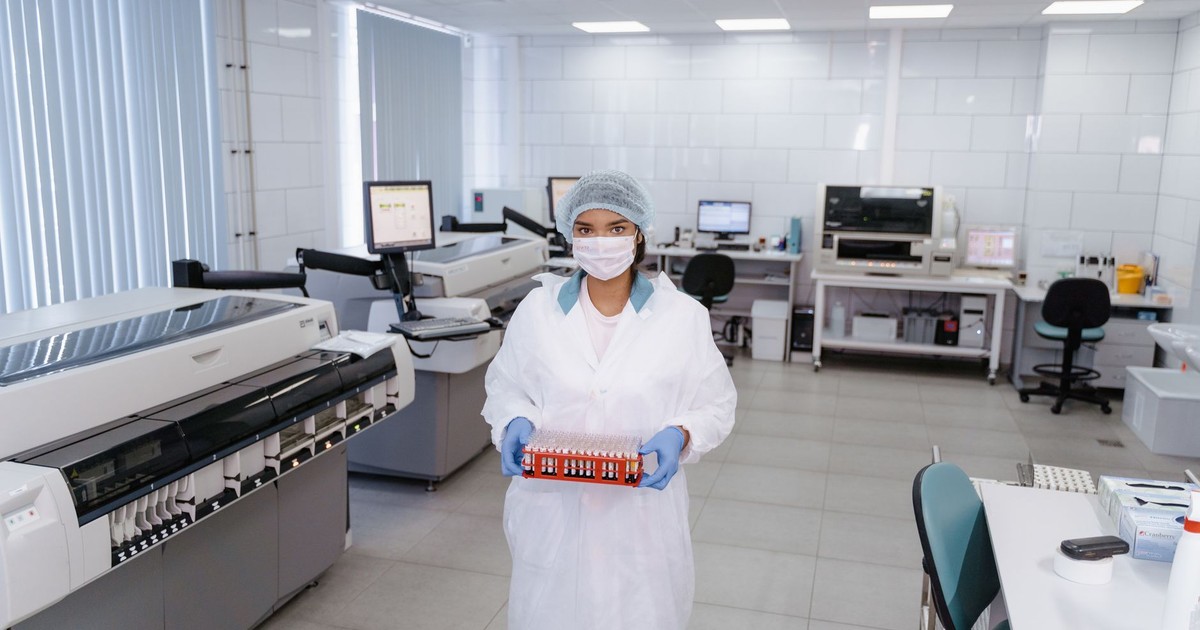
Sons inherit their single X chromosome entirely from their mother. Every X-linked trait or condition a son expresses came through her, even if she never showed a single symptom herself. Men have only one X chromosome, which they inherit from their mother. If a mother carries a mutation, there’s a 50% chance her son will express it, even if she has no symptoms herself.
Color blindness is one of the most common examples. Red-green color blindness is a recessive X-linked trait, which means a son whose mother carries the recessive allele has a 50% chance of expressing it. Red-green color blindness in girls is particularly rare because both parents would have to carry the recessive allele. Daughters have a second X chromosome from their father to potentially counterbalance the recessive variant. Sons do not.
8. ADHD Risk Through Maternal Pathways

Attention-deficit/hyperactivity disorder has a strong genetic component, and the maternal line contributes to it through more than one pathway. A 2025 review in Frontiers in Psychiatry has examined the interplay between genetic and epigenetic factors in ADHD, focusing on mitochondrial DNA haplotypes, X-linked inheritance, and factors including maternal prenatal stress, maternal gestational weight gain, and parenting environments, all of which shape ADHD symptom severity in the context of genetic predispositions.
The mitochondrial connection is particularly relevant. Because mtDNA comes exclusively from the mother, any mitochondrial DNA variants associated with ADHD-related neurological function trace directly back to the maternal line. Emerging evidence suggests a role for mitochondrial dysfunction in ADHD pathophysiology, beyond the genetic factors involving monoaminergic systems that have traditionally been studied.
9. Vision and Eye Health

Certain eye conditions follow maternal inheritance pathways more strongly than others. Pathological myopia, a severe form of nearsightedness that can lead to retinal damage and other complications, often has a genetic component with stronger links to the maternal line. This is separate from the common myopia that develops from screen time or extended close-focus work.
Mitochondrial inheritance also comes into play here because the retina is a highly energy-dependent tissue, packed with mitochondria. Mutations in mitochondrial DNA, inherited only from the mother, can impair retinal function and are associated with conditions like Leber’s hereditary optic neuropathy (LHON), which can cause sudden vision loss, particularly in young men. LHON is a rare but striking example of how mtDNA mutations affect a tissue that demands extraordinary amounts of cellular energy to function.
10. Hair Texture

Hair texture, whether yours runs straight, wavy, or fully curly, is polygenic, meaning it is shaped by multiple genes rather than a single dominant one. Both parents contribute. But the maternal side tends to play a disproportionately influential role in the outcome, particularly through genes carried on the X chromosome.
If your mother has curly hair, you may have it too. This is not absolute. A child can have straight hair despite a curly-haired mother if the paternal genes dominate the relevant loci. But the maternal contribution to hair texture is real, which is why looking at your mother’s hair is a more reliable predictor of your own than looking at your father’s.
11. Sleep Patterns
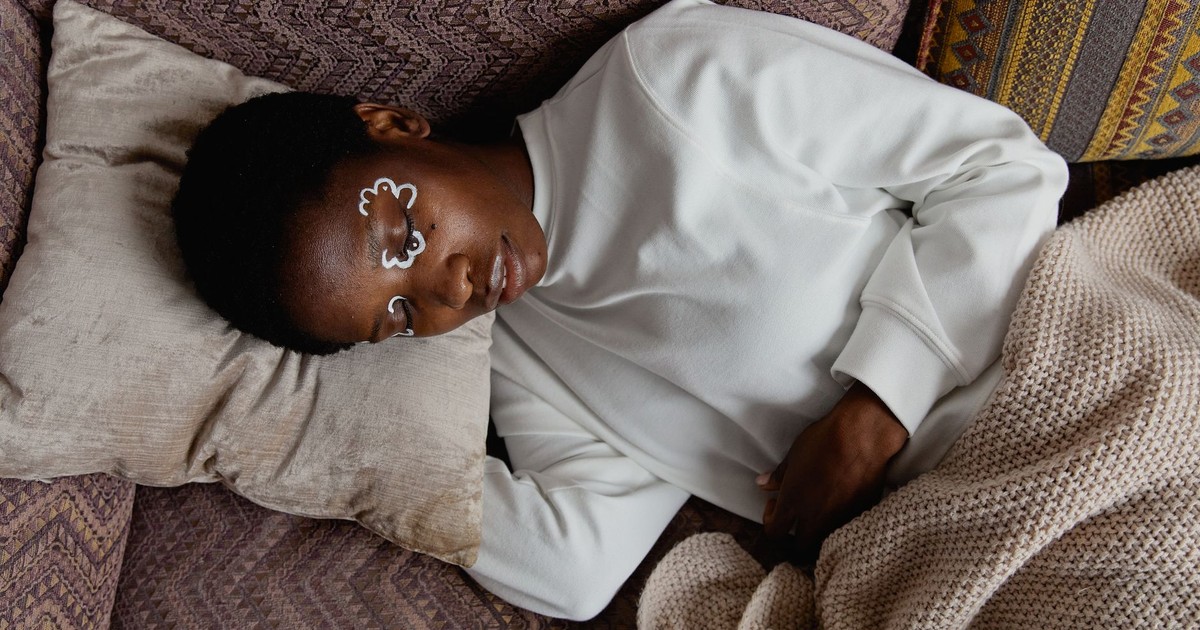
Whether you are a natural early riser, a committed night owl, or someone whose body refuses to regulate sleep the way the rest of the population’s does, some of that is genetic. The maternal link here is more direct than with most sleep-related traits. Research has found a distinct correlation between maternal insomnia and several sleep metrics in the child. The underlying cause, whether autosomal, mitochondrial, or X-linked, is still being studied, but the directional relationship from mother to child is consistent enough that poor maternal sleep is one of the better predictors of childhood sleep difficulty.
This is worth holding onto, particularly for anyone who has spent years assuming their insomnia is just a bad habit or a stress response. Some of it may well be structural, inherited from the woman on the other side of the family photo who always claimed she never slept properly either.
12. Mitochondrial Disease Risk

Mitochondrial diseases are chronic hereditary disorders that occur when mitochondrial DNA has defects or mutations. They can appear at any age, usually at birth, affecting nearly every organ of the body, including the brain, nerves, muscles, kidneys, heart, liver, eyes, ears, and pancreas. Because the entire mitochondrial genome is maternally derived, these diseases follow an exclusively maternal inheritance line. A father cannot pass a mitochondrial disease to his children; a mother always will, if the mutation is present in her egg cells.
The breadth of organs affected reflects how fundamental mitochondria are to cellular function. Unlike nuclear DNA mutations, which may affect only specific tissues or developmental pathways, mitochondrial mutations have the potential to disrupt energy production everywhere simultaneously.
13. Type 2 Diabetes Risk, Direction Matters
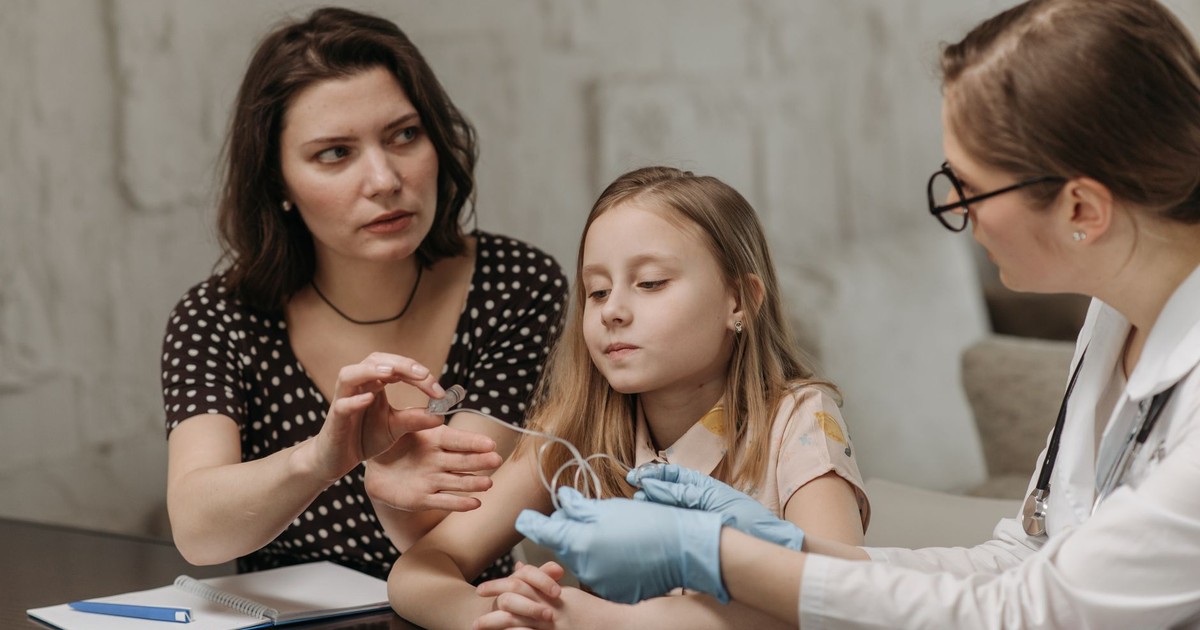
Diabetes risk is shaped by both parents, but recent research has revealed something more precise: the same genetic variant can have opposite effects on diabetes risk depending on which parent handed it down. The effect of a gene can vary greatly, and sometimes be the complete opposite, depending on whether it is inherited from the mother or the father. Some genetic variants increase a person’s risk of developing type 2 diabetes when inherited from the father, but lower it when inherited from the mother.
A 2025 study in Nature analyzed genetic data from over 100,000 individuals in the UK Biobank and identified more than 30 instances in which the effects of a genetic variant depended on whether it came from the mother or the father. These parent-of-origin effects were especially common for traits related to growth and metabolism, including height, fat distribution, and risk for type 2 diabetes.
14. Height Has a Paternal Lean

Height is one of the most studied polygenic traits in human genetics. Both parents contribute substantially, but the paternal contribution carries slightly more weight in the final outcome. Your father’s height can play a significant role in determining your own. There are hundreds of genetic variants involved in determining final adult height, distributed across both parents, but studies consistently find that paternal height is a marginally stronger predictor than maternal height in populations where both have been measured.
There are at least 700 sequences in your genetic code that can affect height. No single gene determines whether you are tall or short, which is why children of tall fathers and short mothers can land anywhere on the spectrum. But if you are trying to predict a child’s eventual height and you can only pick one parent’s measurement, the father’s is the more reliable input.
15. The Y Chromosome Runs Father to Son, Unbroken

The Y chromosome in males is the most well-known example of paternally inherited genetic material. Males inherit an X chromosome from their mother and a Y chromosome from their father, and this Y chromosome is entirely paternally derived.
The Y chromosome contains a segment known as the non-recombining region, and this segment is almost exclusively passed down from father to son without recombination or mixing with maternal DNA. This makes Y-chromosome analysis uniquely useful for tracing paternal ancestry across generations, since the sequence barely changes as it travels down the male line.
16. Eye Color Shows a Paternal Tendency

Eye color is one of the first traits people try to predict in a new baby, and it is genuinely complex, involving multiple genes, not just the dominant-brown/recessive-blue model most people remember from high school biology. That said, paternal genetics tend to have a disproportionate influence on the outcome. Genes like OCA2 and HERC2 are involved in eye color, influenced by paternal genetics.
This does not mean your eye color came purely from your father. But the paternal contribution to the specific genes that determine how much melanin your iris produces tends to be the stronger predictive factor. A dark-eyed father and a light-eyed mother more often produce dark-eyed children than the reverse pairing does, which reflects the paternal lean without making it an absolute rule.
17. Facial Structure and Bone Density

Facial structure, the shape of the jaw, the width of the cheekbones, the prominence of the brow, is shaped by contributions from both parents, but studies on bone density and skeletal architecture have found a paternal lean in certain populations. Multiple genes contributing to height, many of them inherited from fathers, and this same paternal tendency extends to skeletal development more broadly.
Looking at a father’s family photos can sometimes give a clearer preview of what a child’s face will eventually settle into, particularly for bone structure, which continues developing into the mid-twenties and is less subject to the environmental influences that reshape softer features as a child grows.
18. White Fat Storage and Visceral Fat Risk

Distinct from fat type distribution covered earlier, the tendency to accumulate fat around the abdominal organs, visceral fat, shows a clearer paternal inheritance pattern across multiple studies. The Nature research that identified brown fat as maternally influenced also found that paternal genes govern fat storage, with the specific accumulation around organs appearing to be the more paternally determined of the two fat phenotypes.
You can find a related discussion of physical traits from parents in our deep dive into what genetic science says about which parent shapes which features most reliably. The visceral fat finding matters clinically because abdominal fat accumulation is associated with cardiovascular risk, which means paternal family history of heart disease may carry metabolic information that goes beyond cholesterol numbers.
19. Parent-of-Origin Effects on Growth

Beyond specific traits, researchers have now identified a broad category of genetic effects where the parent of origin, not just the variant itself, determines what happens in the child. The phenomenon is rooted in the parental conflict theory, a longstanding hypothesis in evolutionary biology proposing that mothers and fathers may have different evolutionary incentives when it comes to how much biological investment is made in their offspring. Paternally inherited genes may favor greater offspring growth to enhance survival and reproductive success, while maternally inherited genes may promote different biological outcomes.
This is the basis of genomic imprinting, the process by which certain genes are silenced depending on which parent they came from. The growth-related traits that show parent-of-origin effects include birth weight, limb length, and head circumference. Paternally imprinted growth genes tend to push development toward larger size; maternally imprinted counterparts act as a regulatory check on that growth.
20. Personality Tendencies, Genes Alone Don’t Tell the Whole Story

Personality is the category where most people want a clean genetic answer and almost never get one. People only inherit half of their genes from any one parent, and as one researcher noted, “the genes that a parent passes on to their children are not sufficient to make most of their personality traits similar.” A 2024 study flagged that inherited personality traits are often overstated.
That said, certain tendencies, emotional reactivity, anxiety-adjacent responses, baseline sociability, do have heritable components, and some of those components travel through the X chromosome, giving the maternal line a degree of influence. What the research consistently shows, though, is that environment and gene expression interact so heavily in personality development that two siblings with identical maternal and paternal genomes can end up with noticeably different temperaments. The genome sets some of the conditions. The rest is life.
What This Actually Means for Your Family History

There is a tendency to treat genetic inheritance as a blame-and-credit game. You got your father’s stubbornness, your mother’s metabolism, your grandmother’s nose. The real picture is messier and more interesting. The same gene variant can be protective when it comes from one parent and a risk factor when it comes from the other. The same chromosome that gives a son his mother’s blue eyes also carries every X-linked variant she never expressed herself.
Knowing which direction a particular inherited trait flows through changes how you read your family medical history. A maternal grandfather’s mitochondrial diseases are irrelevant to your mtDNA; a maternal grandmother’s are directly relevant. A paternal history of visceral fat accumulation and cardiovascular disease means something different for your metabolic risk than the same history on the maternal side. The inherited traits from your mother are not the whole story of who you are biologically, but they are a distinct and often underappreciated chapter of it, and the chapter your doctors are least likely to read carefully unless you point them there.
Genetics is not destiny, but it is information. Some of those patterns go back further than any individual relationship does. Naming which parent a particular risk or tendency traveled through is usually where the more useful conversation starts, not the end of it.
Disclaimer: This information is not intended to be a substitute for professional medical advice, diagnosis, or treatment and is for information only. Always seek the advice of your physician or another qualified health provider with any questions about your medical condition and/or current medication. Do not disregard professional medical advice or delay seeking advice or treatment because of something you have read here.
AI Disclaimer: This article was created with the assistance of AI tools and reviewed by a human editor.