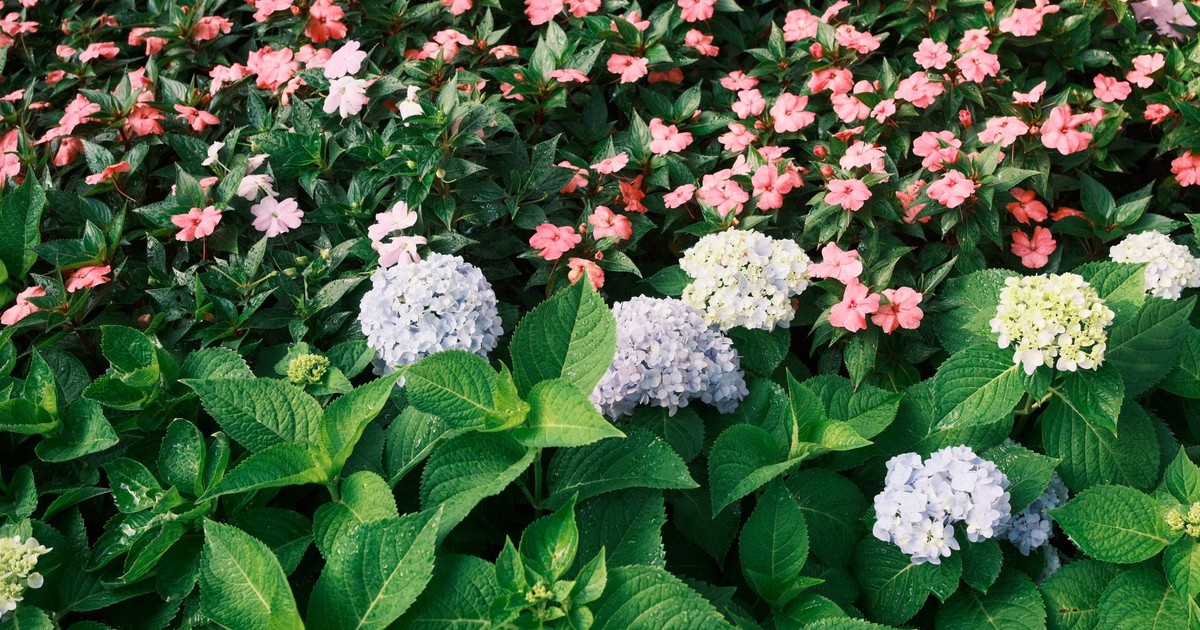

Every yard has a tell. It’s not the size of the lot or the freshness of the mulch, though those help. It’s whether the plants look chosen or just present – whether someone stood in that driveway and made actual decisions, or whether they filled a bed with whatever was on sale at the hardware store in a moment of optimism. You can always tell which one happened.
The plants professional garden designers reach for most reliably are not exotic or particularly expensive to buy. What makes them look elevated is what they do architecturally: they hold structure through multiple seasons, they create a sense of mass and intention rather than filler, and they tend to repeat well. Three of the same plant placed thoughtfully reads as designed, while nine different plants crammed together reads as a yard sale. The distinction between a yard that photographs like a magazine spread and one that just looks like a lot of effort is usually down to six or eight plant choices, not thirty.
These six plants are the ones designers come back to when a yard needs to look more expensive without a full renovation budget. They’re available at most nurseries, they establish without drama, and they carry the kind of visual weight that makes the rest of the yard fall into place around them.
1. Limelight Hydrangea
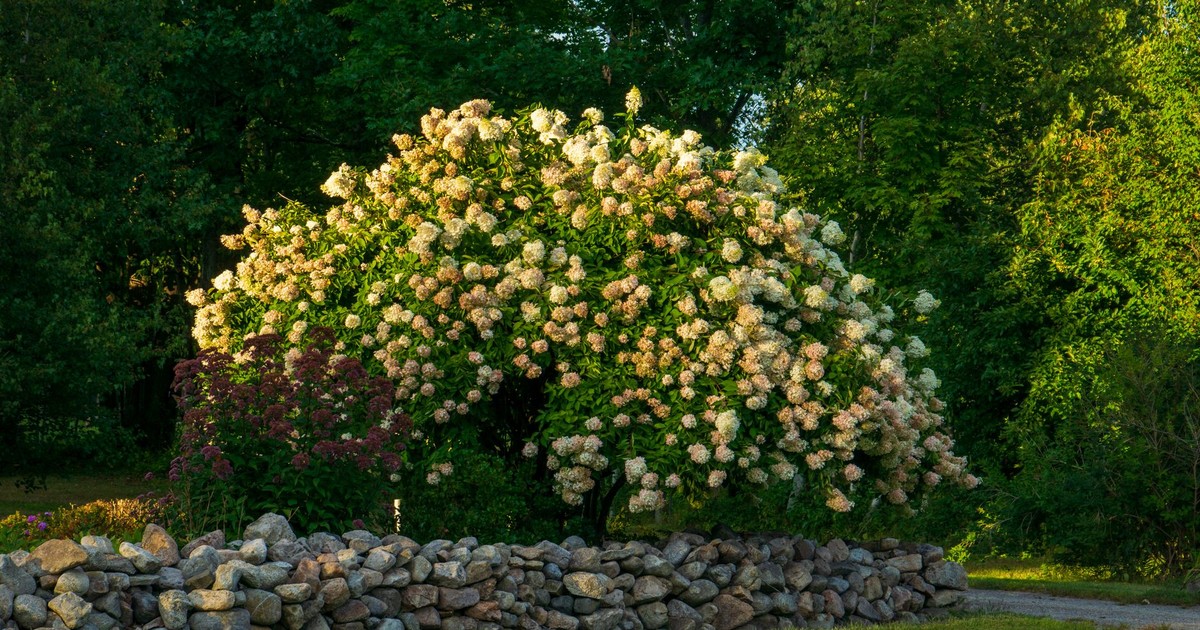
Landscape designers plant ‘Limelight’ hydrangeas by the row, and that repetition is half the luxury effect. The cone-shaped blooms open lime green in July, age to cream and rose, and hang on until frost. That four-month bloom window is what makes this particular hydrangea the designer’s choice over its showier cousins: it’s not one dramatic week and then nothing, it’s an entire season of something worth looking at from the curb.
Hydrangeas for the landscape work as hedges, border plantings, accent pieces, or container specimens. Limelight specifically works a color palette that reads as sophisticated rather than sweet. That initial lime green is unusual enough to invite a second look, while the fade to parchment and blush gives the plant a muted elegance that holds up even after the blooms dry. Many gardeners leave the dried heads standing through winter, where they turn a papery wheat color and hold their shape against the bare stems. Against snow, they look intentional. Against a dark fence, architectural.
It blooms on new wood, so there’s no pruning puzzle. Cut the whole shrub back by a third in late winter. Plenty of hydrangeas confuse even experienced gardeners about when and how to prune; get it wrong and you lose the year’s blooms. With Limelight, you cut it back in February or March and then forget about it until July, when it delivers exactly what you were hoping for.
2. Japanese Maple
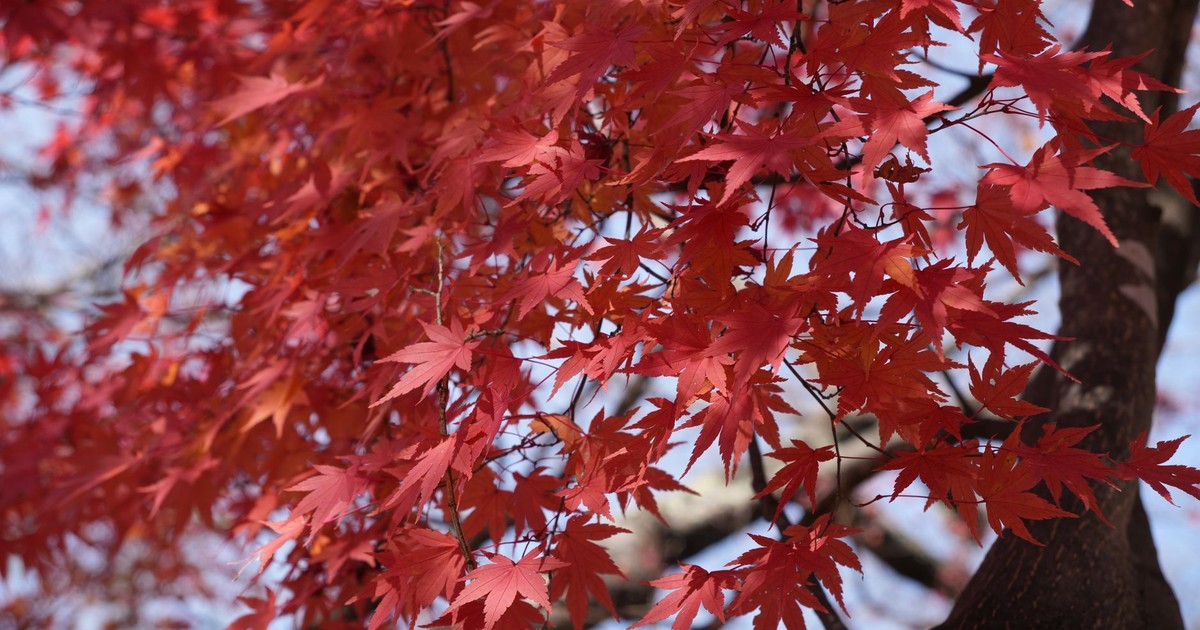
A well-placed Japanese maple – particularly a weeping or laceleaf variety with deeply dissected burgundy leaves – reads as a deliberate focal point, the kind of thing that suggests a gardener who has thought carefully about what they wanted the eye to do when it scanned the yard. It’s the difference between a bed that exists and a bed that has a reason.
In autumn, the Japanese maple steals the scene, its foliage transforming into a brilliant display of orange and red hues. But the seasonal interest starts much earlier than fall. In spring, the emerging leaves are a deep wine-red that catches light in a way that reads almost luminous against a light-colored house or a backdrop of green shrubs. Summer brings consistent foliage color and the delicate, fernlike texture of a laceleaf variety. Fall turns the whole plant into something that stops people on the street. And in winter, the branching structure itself – that characteristic layered, horizontal spread – is worth looking at without any leaves on it at all.
Japanese maples are slow-growing, which is actually a feature for these purposes: it means a five-gallon nursery pot will stay proportional in a bed for several years, and the plant will never suddenly lurch out of scale the way a fast grower can. Plant it where it has room to spread to its eventual size, give it afternoon shade in hot climates, and then simply let it do its work. It asks for almost nothing and delivers four seasons of something a designer could charge for.
3. Boxwood
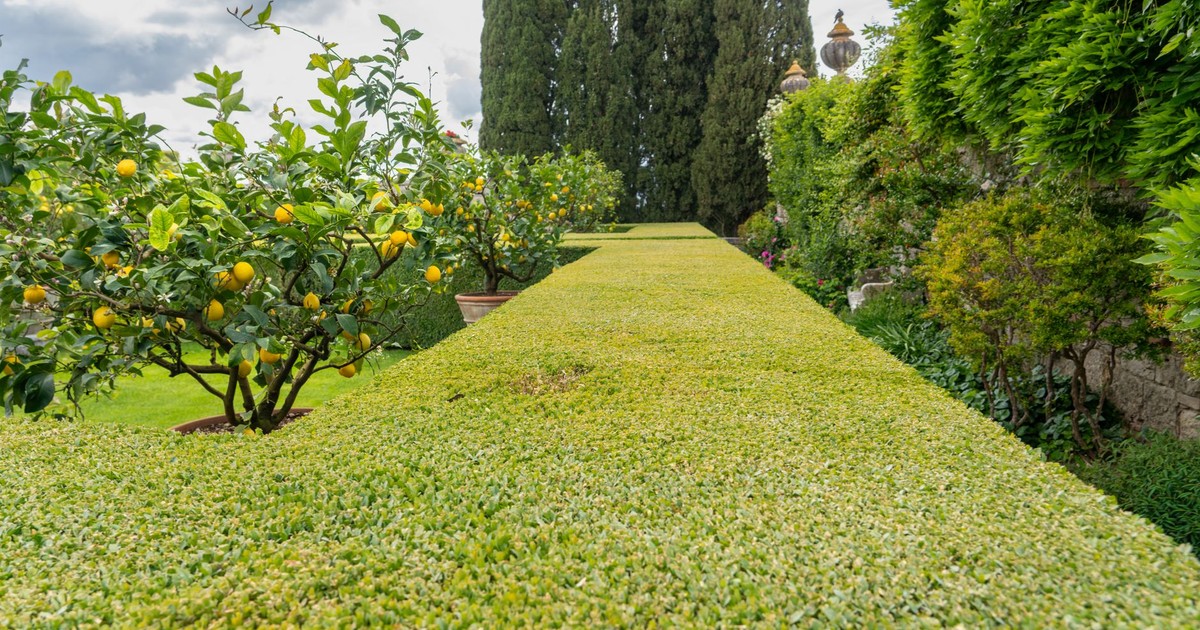
There is a reason boxwood appears in virtually every formal garden, every estate landscape, and every “before and after” yard transformation. Boxwoods can be trimmed into neat shapes, providing structure and elegance to your garden. They’re evergreen, offering year-round interest, and can be used as hedges, borders, or standalone plants. That evergreen quality is the key word: when everything else in the yard has died back for winter, a pair of clipped boxwood flanking a front door or a low boxwood border along a bed edge is what keeps the yard looking like someone lives there who cares.
Using evergreens in repeated groups rather than scattering one of everything across the yard creates rhythm and makes the design feel intentional. According to front yard design advice from Garden Goods Direct, a pair of upright evergreens can frame a front door, while rounded boxwoods or compact hollies can repeat along the foundation. That rhythm is what separates a designed yard from a collected one. When you drive past a house and feel something calm and ordered about the planting without being able to articulate exactly why, it’s usually because someone planted the same thing in three or four spots. Boxwood does that work quietly and reliably for decades.
Trim them once in late spring after the new growth hardens off – and avoid cutting in late summer, when pruning can trigger tender new growth that won’t have time to harden before frost – and they’ll maintain whatever shape you’ve given them without complaint. Left to grow more loosely in a naturalistic setting, they develop a gentle, mounding form that’s equally effective as a softer border. Boxwood tolerates most soils, most amounts of sun, and considerable neglect once established. It gets away with a lot, and it looks expensive the entire time.
4. Lavender
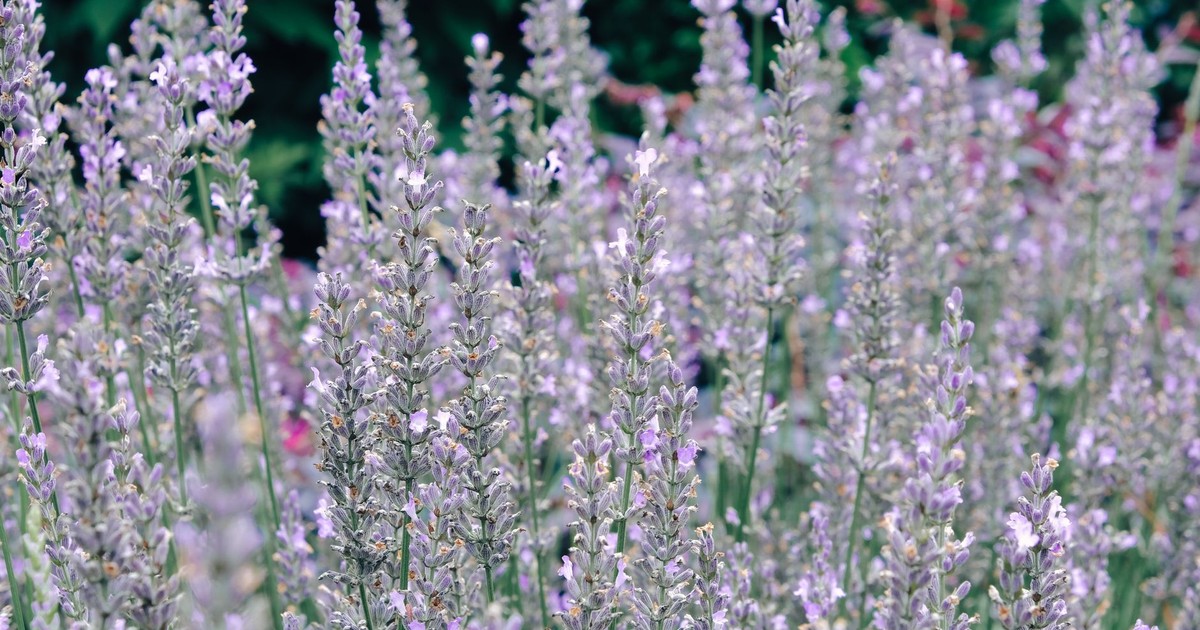
Lavender earns its place on this list not just because it’s beautiful, but because it performs exactly like a designer plant on a grocery-store-herbs budget. Lavender is often used in deer-resistant front yard designs, which is one of those practical advantages that feels like a bonus on top of the visual ones. But the real reason garden designers keep reaching for it is what it does to a bed’s perceived quality: a mass planting of lavender along a pathway or at the front edge of a border signals intention, fragrance, and a certain European calm that reads as expensive in the same way white linen does.
The plant thrives in well-drained soil and full sun, and it’s genuinely drought-tolerant once established. Depending on your climate, it can look after itself for most of the summer without you doing anything at all. The silvery foliage alone earns its place before the bloom spikes even appear: that grey-green color acts as a neutral that makes everything planted near it look more deliberate. Then July arrives and the spikes rise – purple, blue, or pink depending on the variety – and suddenly the whole border has a softness and fragrance that no manufactured hardscape can replicate. Lavender also happens to be one of the better plants for keeping mosquitoes out, which makes a border that smells good and actually does something.
Cut it back by about a third after the first bloom flush and you’ll often get a second flush in late summer. The key with lavender in a front yard is mass: three plants look sparse and accidental, nine plants look like a decision.
5. Feather Reed Grass
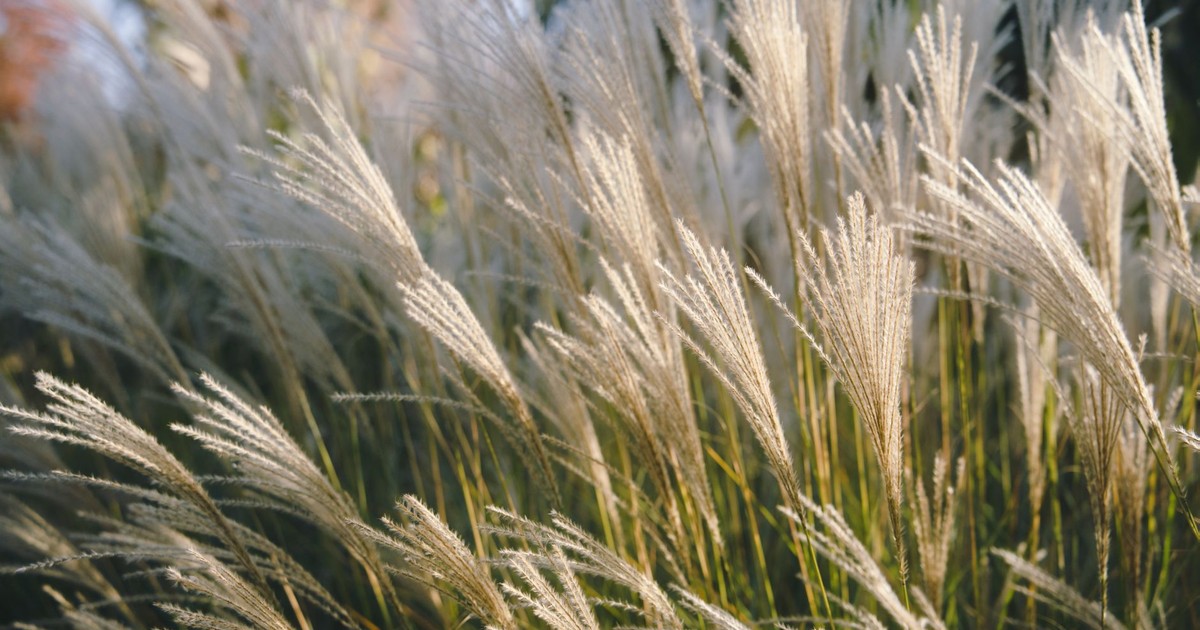
A straight row of feather reed grass is the cheapest architecture a garden can buy. Ornamental grasses as a category have become one of the most reliably designer-looking plant moves in residential landscaping, and feather reed grass – particularly the cultivar ‘Karl Foerster’ – is the one professionals reach for most often. It grows in tight, upright clumps that reach five or six feet, with feathery wheat-colored plumes that arrive in early summer and stay on the plant through winter. Unlike many ornamental grasses, it doesn’t flop or sprawl; it stays upright and vertical even in wind and rain, which makes it genuinely structural rather than just decorative.
The value it provides is architectural in the most literal sense: planted in a row along a fence, at the back of a border, or flanking either side of a front path, it creates vertical lines that the eye reads as deliberate and designed. As Livingetc reports, placement and styling techniques have a more profound effect on how expensive a yard looks than the plants themselves. Feather reed grass is one of the clearest examples of that principle in action. Front-yard installations now increasingly include dramatic displays of naturalistic hardscaping using winding flagstone pathways and gravel areas surrounded by drought-tolerant grasses, and feather reed grass fits naturally into this exact aesthetic. It bridges the gap between formal and naturalistic, looking equally at home in a clean contemporary yard and in a more relaxed cottage-style planting.
It asks very little. Cut it back to a few inches in late February before the new growth emerges, divide it every three or four years when the center starts to die out, and give it decent sun. That’s the annual maintenance requirement for a plant that earns its keep every month of the year.
6. Smoke Bush
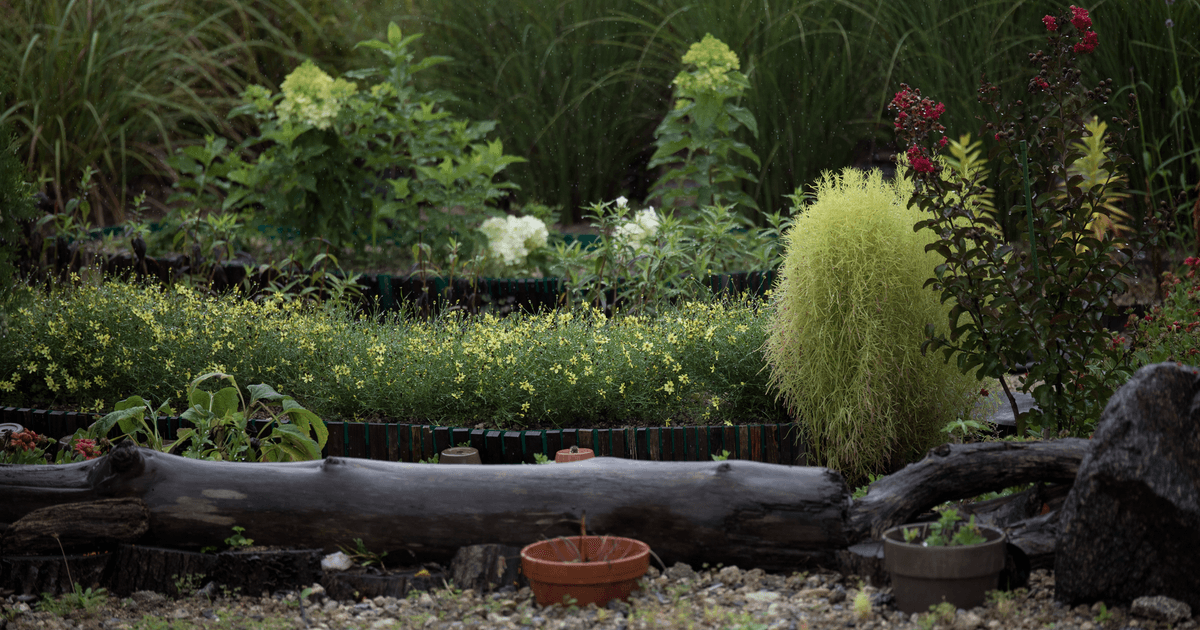
Every neighborhood has one plant that makes walkers stop, and smoke bush is a good bet for yours. ‘Royal Purple’ carries wine-dark leaves from spring to frost and blurs into pink smoke-like plumes in early summer. The plumes are the feature that gets the attention, but the foliage is what sustains the interest for the rest of the growing season. That deep burgundy-purple carries from the moment the leaves emerge in spring right through to the fall color change, making it one of the best year-round foliage plants available in USDA zones 5 through 9.
Left alone, smoke bush reaches 10 to 15 feet, or cut it hard each spring for a 6-foot fountain of extra-large leaves. That flexibility is genuinely useful: if you have the space and want a large, dramatic specimen, let it go. If you’re working with a smaller front yard, the coppicing method – cutting the whole shrub back to about a foot from the ground in early spring – results in vigorous new growth with leaves that are noticeably larger and richer in color than on an unpruned plant, at a manageable scale. The tradeoff of coppicing is that you sacrifice the smoke-like plumes, since those form on older wood. For most front yards, the dramatic foliage at a controlled size is the better deal.
The dark color is the secret weapon. A smoke bush at the back of a border gives everything planted in front of it – white hydrangeas, silver lavender, the lime-green feather grass plumes – a backdrop that makes those plants read as intentional and expensive. Layered planting design uses height and depth to create compositions that feel curated rather than accidental, and smoke bush performs exactly that backdrop function. It’s essentially a living piece of stage design, and once you understand that function, it’s hard to plan a front border without one.
The Real Logic Behind All of These
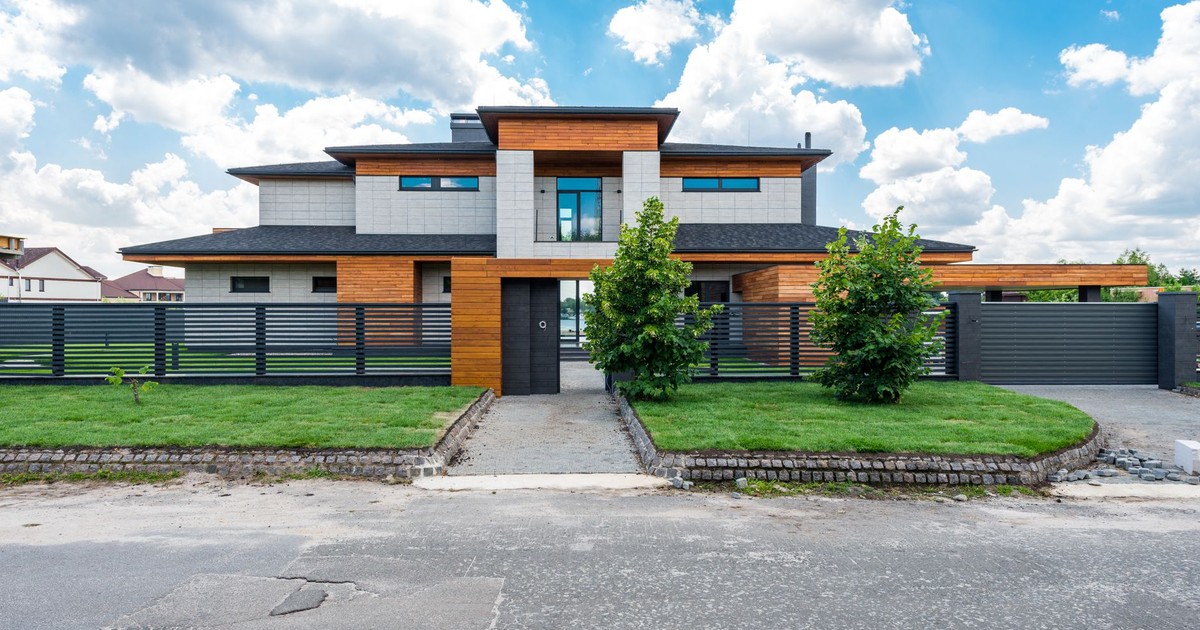
A well-designed garden can make even the most common plants look expensive. It’s not about using a particular type of plant but about how you arrange and present them. A thoughtful design adds a touch of exclusivity without a rare or costly plant list. The plants listed here are not rare or particularly costly. What makes them work is placement, repetition, and the willingness to commit to fewer things done well rather than more things done hopefully.
The yards that make people slow down as they drive past almost never got that way because of a single spectacular plant. They got that way because someone planted three of the same hydrangea in a row, gave the boxwood a consistent shape, let the smoke bush get big enough to anchor the whole composition, and resisted the urge to add seventeen other things on top of that. Plants for an expensive looking yard are not a mystery. They’re an exercise in restraint that happens to look like confidence.
What You’re Really Choosing
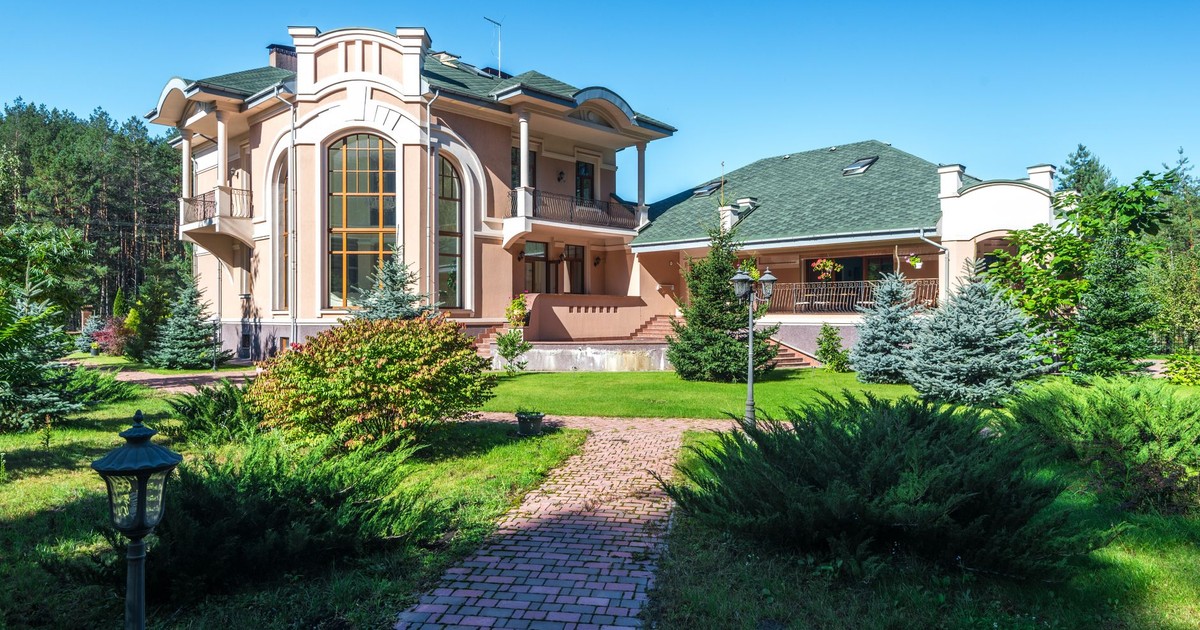
Hardware-store impulse buys are temporary by nature. You grab them because they’re cheap or pretty or on sale that particular Saturday, and three seasons later you’re digging them out. The plants on this list ask you to think slightly further ahead, to picture the yard in five years rather than just this coming July, and that shift in thinking is the actual design move.
None of these plants require you to become a serious gardener. The ‘Karl Foerster’ grass doesn’t know whether you have a master’s degree in horticulture or whether you found it on sale. The Limelight hydrangea will produce its four months of blooms regardless of how much you fuss. What they do require is the willingness to commit to a plant that earns its place year-round rather than one that wins a single season and disappears. Pick three of these, repeat them at least twice each, and step back. The yard will start to look like someone made decisions on purpose.
Disclaimer: This information is not intended to be a substitute for professional medical advice, diagnosis, or treatment and is for information only. Always seek the advice of your physician or another qualified health provider with any questions about your medical condition and/or current medication. Do not disregard professional medical advice or delay seeking advice or treatment because of something you have read here.
AI Disclaimer: This article was created with the assistance of AI tools and reviewed by a human editor.