
Most people walk into a hotel room and start claiming territory within thirty seconds. The bag goes on the nearest flat surface, the bathroom counter fills up, shoes come off somewhere near the door, and by the time you’ve figured out the Wi-Fi password the room is already yours in practice if not in inspection. The problem with this sequence is that it skips the part where you actually look at the room before you’re living inside it.
Bed type mismatches, non-working deadbolts, decorative pillows that haven’t seen a laundry machine since the previous administration, bacteria counts that would give a hospital hygienist pause – all of these are genuinely fixable problems if you catch them on arrival and genuinely irritating problems if you catch them on day three. A good hotel room checklist is not about being paranoid. Running through it before you unpack means spending five minutes now instead of spending the next three days dealing with something you could have caught immediately – or, in the case of bed bugs, the next three months dealing with something you carried home.
The eleven steps below cover safety, hygiene, security, and the kind of practical confirmation that saves you from waking up to a non-functioning toilet at midnight.
1. Confirm the Room Details Before You Touch Anything
Check the room number against your booking confirmation. Verify the bed type – king versus two queens matters enormously if you’re sharing the space with kids or a partner who has strong opinions about this. Check whether you’re on the floor you requested, whether the smoking or non-smoking designation is correct, and whether you can actually see anything from that “city view” you paid a premium for.
Hotel front desks do make clerical errors. A room that doesn’t match your booking is almost always fixable at check-in. It becomes significantly less fixable once you’ve distributed your belongings across every flat surface and fallen asleep face-down on the wrong bed type.
2. Put Your Luggage in the Bathroom – Not on the Floor or Bed
Before you do anything else with your suitcase, move it off the floor and out of the main room. The bathroom, specifically the tile floor or the bathtub, is the best temporary holding spot for luggage while you complete the rest of your checks.
The EPA recommends using luggage racks to hold your luggage when packing or unpacking rather than setting it on the bed or floor, keeping it away from the bed. The bathroom floor works just as well if no luggage rack is available, and it keeps your bag contained to a single hard surface while you run through the rest of your checks. Your suitcase travels with you – you’d rather it didn’t bring anything back.
3. Inspect the Mattress for Bed Bugs
The National Pest Management Association reports that 70 percent of pest control companies treated bed bugs in hotels and motels in recent years, and luxury hotels report infestations at similar rates to budget accommodations. Star rating is not a guarantee of anything here.
Pull the sheets back fully and examine the mattress along every seam and fold, checking the headboard and nearby furniture for signs of bed bugs – look for dark spots, stains, shed skins, or live bugs. Adult bed bugs are visible to the naked eye at around 5 millimeters in length, roughly the size of an apple seed, but nymphs and eggs are much smaller at 1 to 2 millimeters and require close examination with focused lighting to detect. Your phone flashlight is enough. The inspection itself, done properly, takes about three minutes.
If you find anything – and hopefully you won’t – do not unpack. Document what you found with photos, call the front desk immediately, and request a room change on a completely different floor of the building.
4. Remove the Decorative Bedding
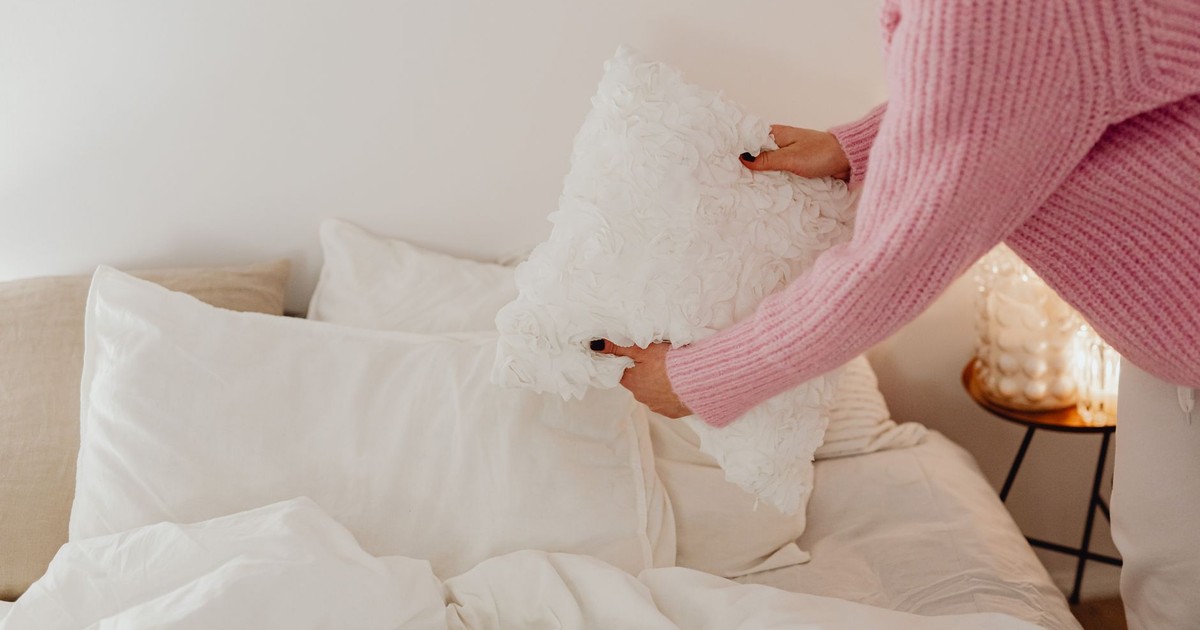
The duvet cover and fitted sheets get washed between guests at most hotels. The decorative throw at the foot of the bed, the extra blanket in the closet, the stack of ornamental pillows stacked against the headboard – these are a different story. While bed sheets are washed after each guest, this does not apply to decorative items such as bedspreads, decorative pillows, and throws. These textiles can go unnoticed for weeks or even months.
Take the decorative throw and the extra cushions, fold them neatly, and put them somewhere you will not use them – on a high shelf, on the desk chair, anywhere that isn’t the sleeping surface. This isn’t about being precious. It’s about knowing that the thing you’re about to pull up to your chin at 2 a.m. has been cleaned within the past calendar year, which for decorative throws is a genuinely open question at even well-run properties.
5. Test Every Lock on the Door
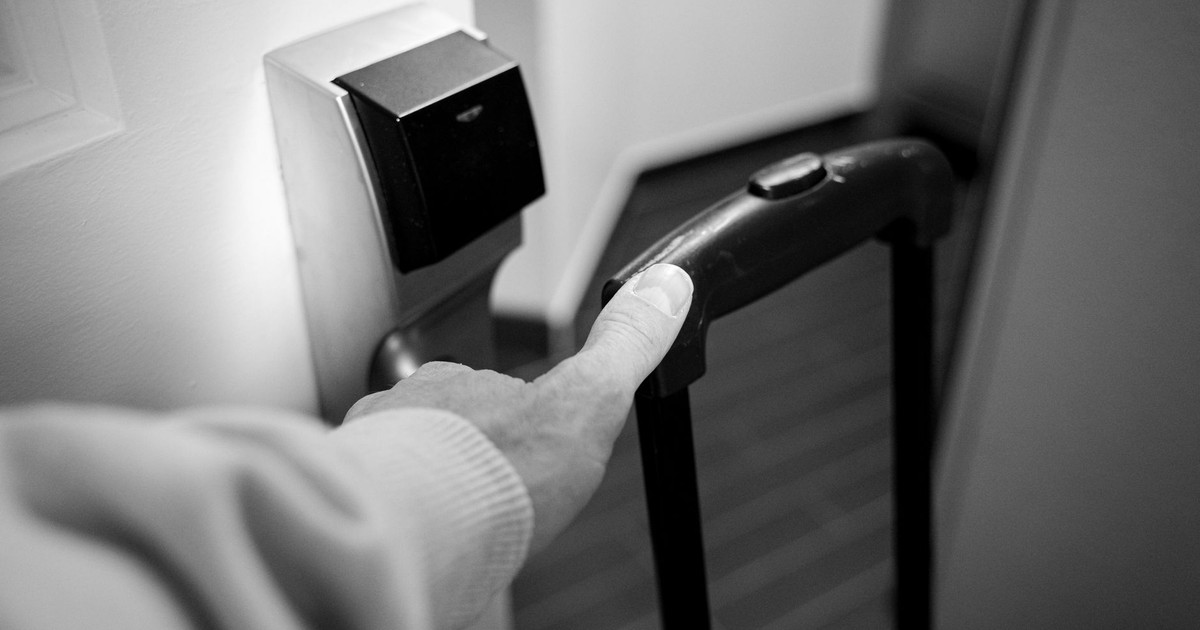
The main door gets the most attention, but the deadbolt and the security latch or swing bar are two separate parts of the same system, and both should function without sticking, jamming, or requiring you to body-check the door frame. Doors can sometimes get jammed and fail to shut properly, and the same applies to balcony doors and connecting doors if your room has one.
While you’re at it, test any connecting room door. A connecting door that can be opened from the other side without your knowledge is a real security issue, not a hypothetical one. It should be locked from your side with no give at all. Test the balcony sliding door, too, if you have one. If anything doesn’t work as it should, call the front desk before your bag is even open.
6. Check the Peephole – and Cover It
Most hotel doors have peepholes that work in one direction: you look out, no one looks in. Reverse peepholes and peephole viewers are commercially available devices that flip this entirely, allowing someone in the hallway to see into your room. Covering the peephole with a small piece of tape or a post-it note from the notepad on the desk costs you nothing and takes three seconds.
This ranks alongside locking the deadbolt as something experienced travelers do without thinking about it. The door is the boundary between your private space and a corridor full of strangers. It should work exactly as advertised, in every possible direction.
7. Scan for Hidden Cameras
Reports of hidden cameras found in hotel rooms have been increasing year on year, and while the probability is low, the consequence of missing one is serious enough that the check earns a place on any responsible hotel room checklist. The areas that matter most are those that point toward the bed or bathroom: smoke detectors, alarm clocks, air vents, lamp bases, and any electronic device you don’t recognize.
Close the curtains and dim the lights, then do a slow sweep with your phone flashlight. You’re looking for a small reflective glint that doesn’t move. Any USB charger or random electronic device that is plugged in and not part of the room’s standard fixtures deserves a second look – unplug it and put it in a drawer if something doesn’t add up. If you find anything that looks genuinely suspicious, photograph it, leave the room, and call the front desk and local law enforcement.
8. Disinfect the High-Touch Surfaces Before You Use Them
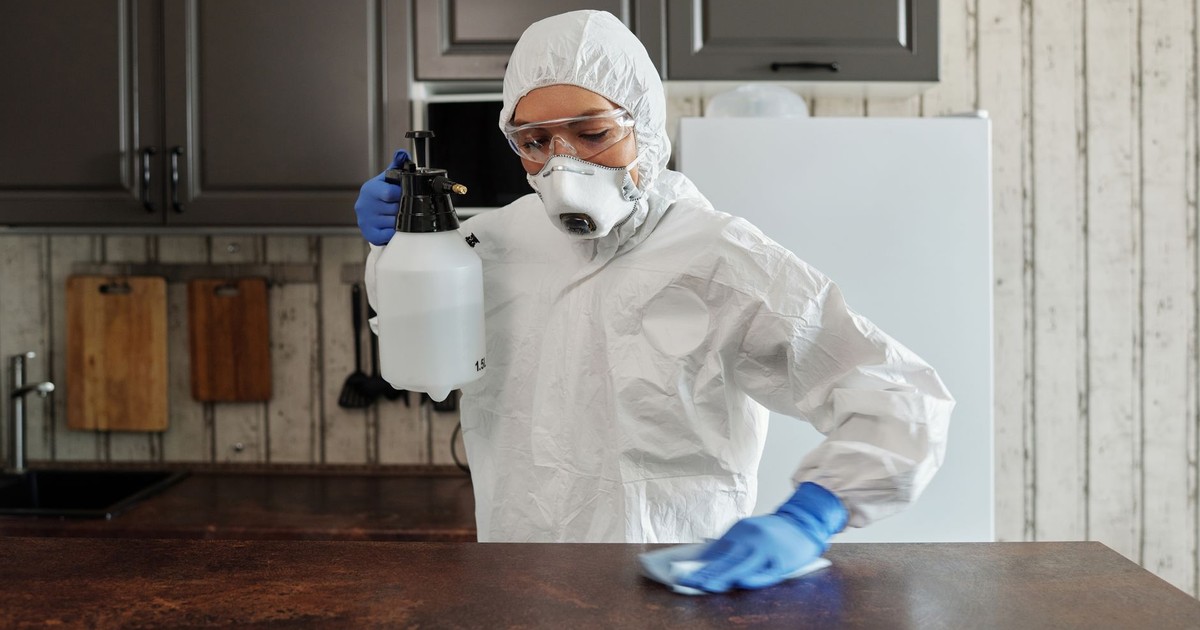
A study sampling 36 bacteria samples across nine hotels found the remote control to be among the germiest surfaces tested, measuring over 1.2 million colony-forming units per square inch, followed by the desk at over 614,000 CFU per square inch, according to this hotel hygiene study. A colony-forming unit is a measure of viable bacteria – the higher the count, the more live bacteria present. The remote control number is particularly notable given that it is one of the first things most guests pick up upon arrival.
A 2026 CleanLink report on hotel hygiene hotspots confirmed that the bathroom counter and remote control consistently rank as the germiest surfaces in hotel rooms, and noted that these high-touch items are among the most difficult for housekeeping teams to clean thoroughly. A small pack of disinfectant wipes in your carry-on weighs almost nothing. Run one across the remote, the phone handset, the light switches, the door handles, and the bathroom counter before you use any of them.
9. Check the Bathroom Before You Commit to It
A bathroom that looks clean is not necessarily a bathroom that is clean. Run the shower on the hottest setting for two to three minutes before stepping in. This flushes the line and brings the water temperature up to a point where most bacteria cannot survive. Check for any hair, staining, or mold around the grout and caulking that housekeeping may have missed. If the bathroom has a mildew smell, that’s a functioning mold problem, not a cosmetic one, and it’s reasonable to request a different room rather than breathe it in for the duration of your stay.
Read More: 27 Clever Plane Hacks To Make Life Easier
10. Locate the Emergency Exits
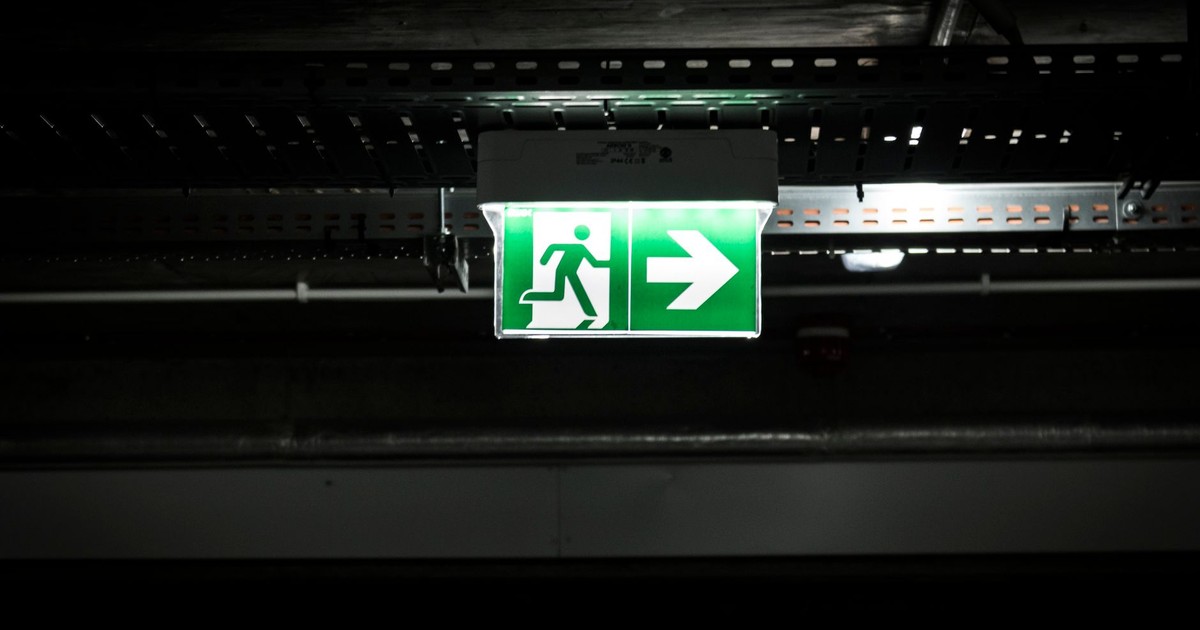
This is the check people consistently skip because it feels overly cautious, and then deeply wish they had done in the event that something goes wrong. Read the evacuation diagram on the back of the door. Walk the hallway and physically locate the nearest stairwell. Count the number of doors between your room and the exit. The reason to count doors is specific: in a smoke-filled corridor with low visibility, counting doors by feel is how you navigate when your eyes are useless.
This check takes ninety seconds. It is worth knowing where your room key is at night since many modern key card systems also control the room power – keeping it in a consistent spot means you are not searching for it in the dark.
11. Test the Basics: Lights, Climate Control, and Outlets
Before the bag is open and the chargers are distributed across the room, spend sixty seconds on the practical inventory. Turn on every light fixture to make sure it works. Test the air conditioning or heating – not just that it turns on, but that it actually changes the temperature in the room. Check that the outlets near the bed are functioning, particularly if you rely on a CPAP machine or any other device that needs to run overnight.
This is also the moment to check that the toilet flushes properly, the sink drains without backing up, and the shower pressure is functional. Minor plumbing issues are something hotels can usually fix quickly, but only if you call before 11 p.m. when every room around you is occupied and the maintenance staff has gone home. Catching a non-flushing toilet on arrival is a minor annoyance. Discovering it at midnight after a late dinner is a completely different situation.
Before You Even Think About Unpacking
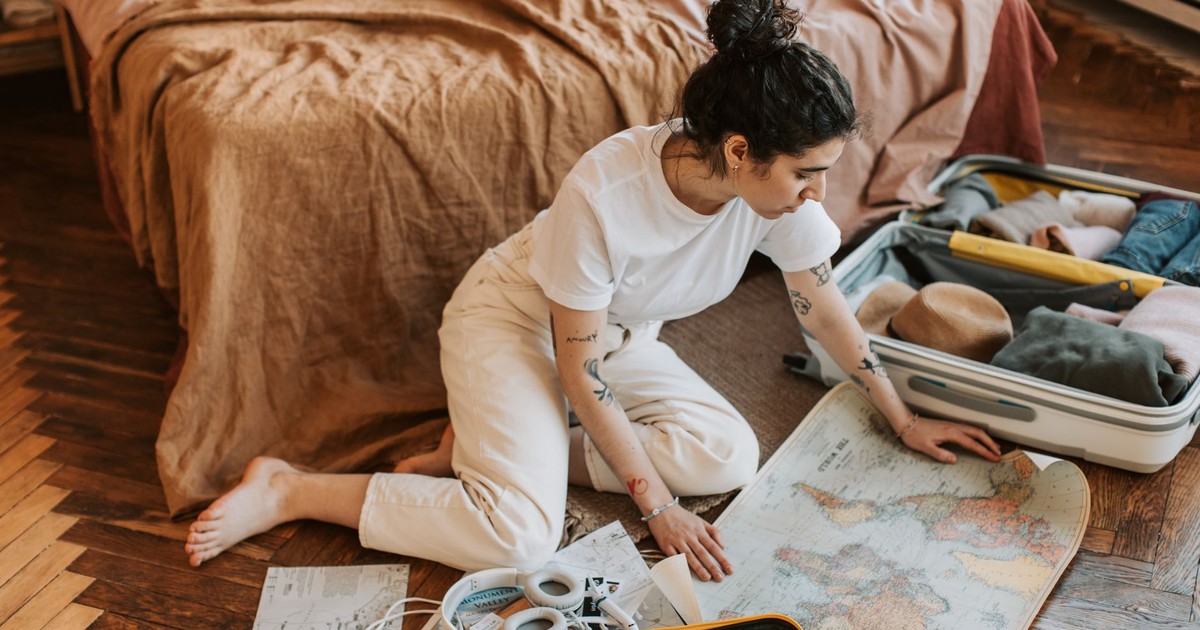
The full run-through above takes roughly ten to fifteen minutes, depending on how closely you look. It is not an unusual amount of vigilance for a stranger’s room you’re about to sleep in for several nights. The traveler who skips it almost always has a story about the one time they wish they hadn’t – whether that’s a deadbolt that didn’t catch, a charge on their card for a minibar they never opened because the sensor was faulty, or a decorative pillow they’d prefer not to think about.
A good hotel room should be exactly what it looks like: clean, secure, functional, and ready for you to actually rest in it. Running a quick hotel room checklist before you unpack is simply the act of confirming that it is. Most of the time, everything will be fine. When it isn’t, you will be very glad you checked before you were already six layers deep into comfortable.
Disclaimer: This information is not intended to be a substitute for professional medical advice, diagnosis, or treatment and is for information only. Always seek the advice of your physician or another qualified health provider with any questions about your medical condition and/or current medication. Do not disregard professional medical advice or delay seeking advice or treatment because of something you have read here.
AI Disclaimer: This article was created with the assistance of AI tools and reviewed by a human editor.