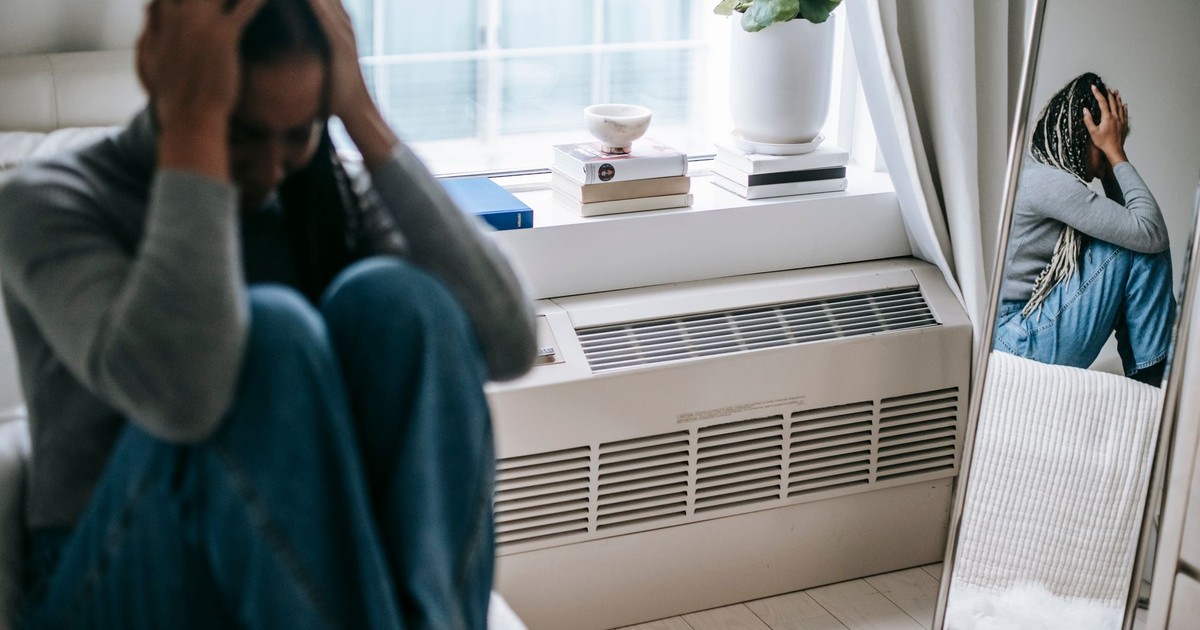

Most women can name the moment their relationship with their own face got complicated. Not dramatic, not sudden – just a morning when the mirror felt like it was running a different program than the one you remembered. The lines were new. The jaw had shifted. The body that had carried you through decades of real life rearranged itself without sending a memo, and the feeling that followed wasn’t vanity. It was something quieter and harder to name: a slow recalibration of how you feel about yourself at a fundamental level.
Aging self-esteem is a real and documented phenomenon, and the forces working against it are more layered than a few gray hairs or a changing dress size. The physical changes are just the opening act. What tends to follow – the loss of social roles, the accumulated weight of a lifetime spent absorbing messages about what women are worth and when – is where the real psychological work begins.
Self-esteem does not just keep climbing with age. It rises through much of adulthood, then for many people, particularly women, it starts a slow and complicated descent.
The Curve Nobody Talks About
Self-esteem research has long confirmed what most of us intuitively sense: adolescence is brutal, and things genuinely do get better. Confidence builds through your twenties and thirties. You get clearer on who you are. You stop apologizing for things that don’t require apology. By your forties, many women describe feeling more settled in their own skin than they ever did at twenty-five.
But the curve doesn’t just keep climbing. Studies have found that self-esteem typically increases after adolescence and rises throughout adulthood – but even healthy self-esteem can take a serious hit after age 65 or 70. The midlife years are often where the first cracks appear, long before that later-life dip. The forties and early fifties bring a particular cocktail of pressures: bodies changing faster than expectations can adjust, careers plateauing or pivoting involuntarily, children growing up and away, parents declining. The sense of competence and mastery that built through early adulthood starts to feel less certain.
Self-esteem acts as a protective factor against psychosocial difficulties, especially among older adults facing multiple losses: reduced autonomy, social isolation, the end of professional life, physical decline, or successive bereavements. Those losses don’t arrive all at once, which is part of what makes them so disorienting. They accumulate. The archive of changes gets larger every year, and most women are managing each one without naming what’s actually happening: that their sense of self-worth is being quietly renegotiated by forces they didn’t vote for.
Your Body Changed the Rules
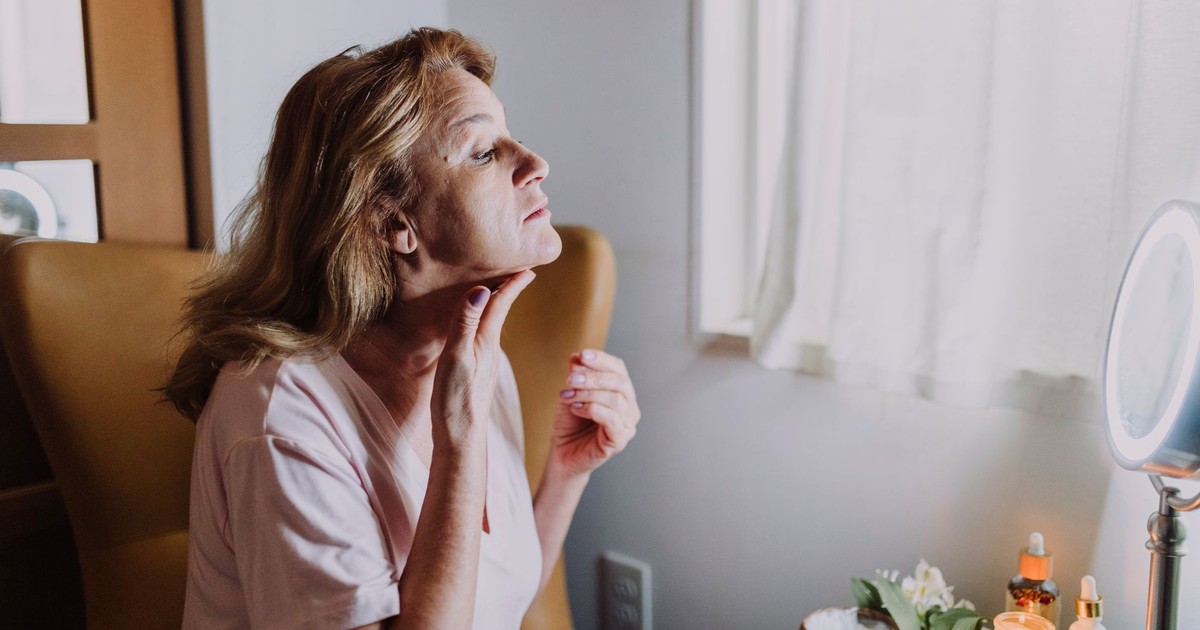
For many women, self-esteem and body image have been roommates their whole lives – sometimes uneasy ones, but inseparable. Which means that when the body changes significantly, the self-esteem conversation opens whether you wanted to have it or not.
Negative body image and low self-esteem also impact women as they age. There is pressure on women of all ages to be thin, even though their bodies naturally change as they get older. A 2025 qualitative study of Australian women aged 45 to 60 found that many women intellectually understood they should feel good about their bodies in midlife, yet found that understanding almost entirely disconnected from how they actually felt day to day. Knowing that the beauty standards are unreasonable does not make the mirror any easier. Logic rarely wins that argument.
Living with body dissatisfaction can have a strong negative effect on wellbeing, and this is especially relevant for women of midlife who feel pressure to maintain societal expectations of beauty and the thin ideal.
According to a Mental Health Foundation and YouGov survey, around one in five adults aged 55 and over felt anxious, and 23 percent felt depressed, specifically because of their body image – demonstrating that body image continues to affect mental health well into later life. That’s not a fringe experience. That’s a significant portion of women in the second half of their lives walking around carrying shame about a body that has functioned and endured and kept them here.
When Roles Disappear
Body image is the most visible piece of aging self-esteem, but it’s not the whole story – and for a lot of women, it’s not even the biggest one. Identity for many women is built on a web of roles: professional, mother, caregiver, partner. When those roles shift – retirement, an empty nest, a marriage ending, a parent dying – the sense of who you are can suddenly feel less certain than it has in years.
Through the intervening variable of role accumulation, older age is associated with decreases in self-esteem. This is a real and measurable effect. The more roles a person holds, the more anchors they have for their sense of worth. Lose those roles and the anchors come up. A woman who spent twenty years being needed by her children, her aging parents, and her employer can find herself at fifty-five suddenly less needed by all three simultaneously – and without a clear replacement sense of purpose, the psychological floor can drop faster than expected.
Research does suggest that wellbeing often climbs again after the midlife trough, but the transition years themselves – when old identities are dissolving and new ones haven’t yet solidified – are where happiness in the second half of life is most at risk and aging self-esteem takes the most damage.
What Ageism Actually Does to You From the Inside
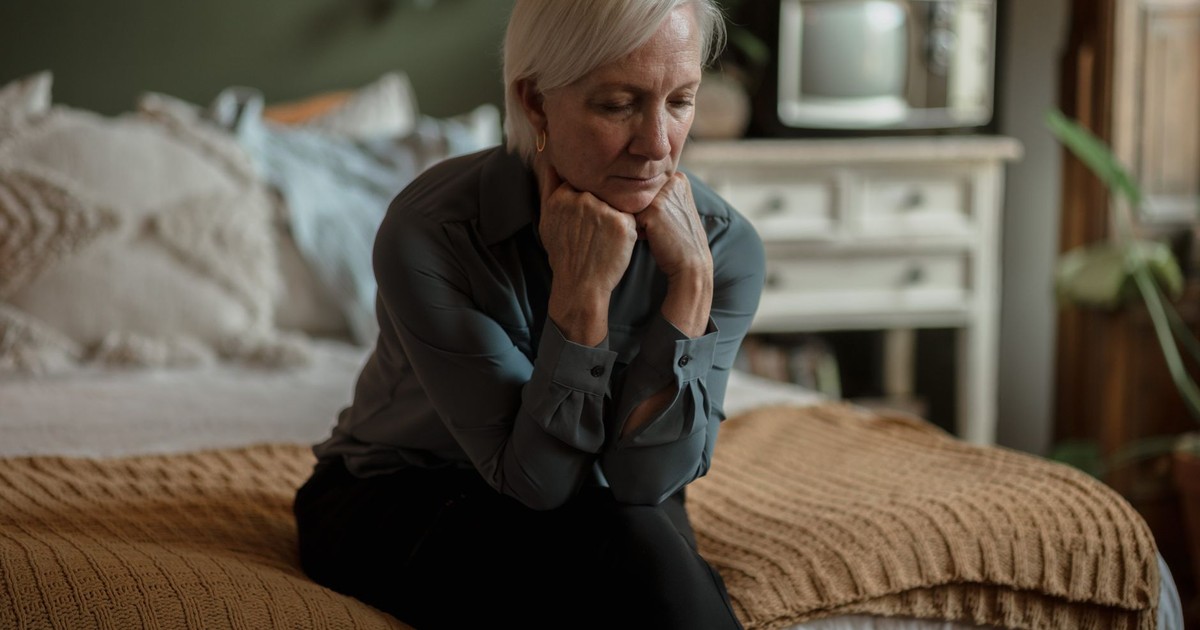
Most people think of ageism as something other people do to you – not getting called back for a job, being spoken to slowly, being made to feel invisible in a room. All of that is real. But some of the most significant damage ageism does is internal, and it starts long before you’re old.
Stereotype embodiment theory maintains that lifetime exposure to negative age stereotypes leads to the internalization of ageism as a form of negative attitudes toward one’s own aging, which adversely affects health and wellbeing in old age. Every joke about being “over the hill,” every anti-aging advertisement, every cultural message that frames older women as past their prime accumulates across a lifetime — and research shows that those internalized beliefs carry real consequences for health once a person reaches the age those messages described.
Among the three different manifestations of ageism – institutional, interpersonal, and self-directed – researchers found the health associations to be strongest for self-directed ageism, meaning when ageism is turned against oneself. Negative self-perceptions of aging have been shown to significantly reduce longevity and impede recovery from severe disability. The story you tell yourself about what getting older means has real downstream effects on your physical health.
It is estimated that one in two people in the world manifests ageist attitudes toward older adults, making this one of the most prevalent and least visible forms of exclusion in contemporary societies. Half the population holds negative views about older people. And a significant number of older people have already absorbed those views and turned them inward.
The Comparison Trap Gets Worse
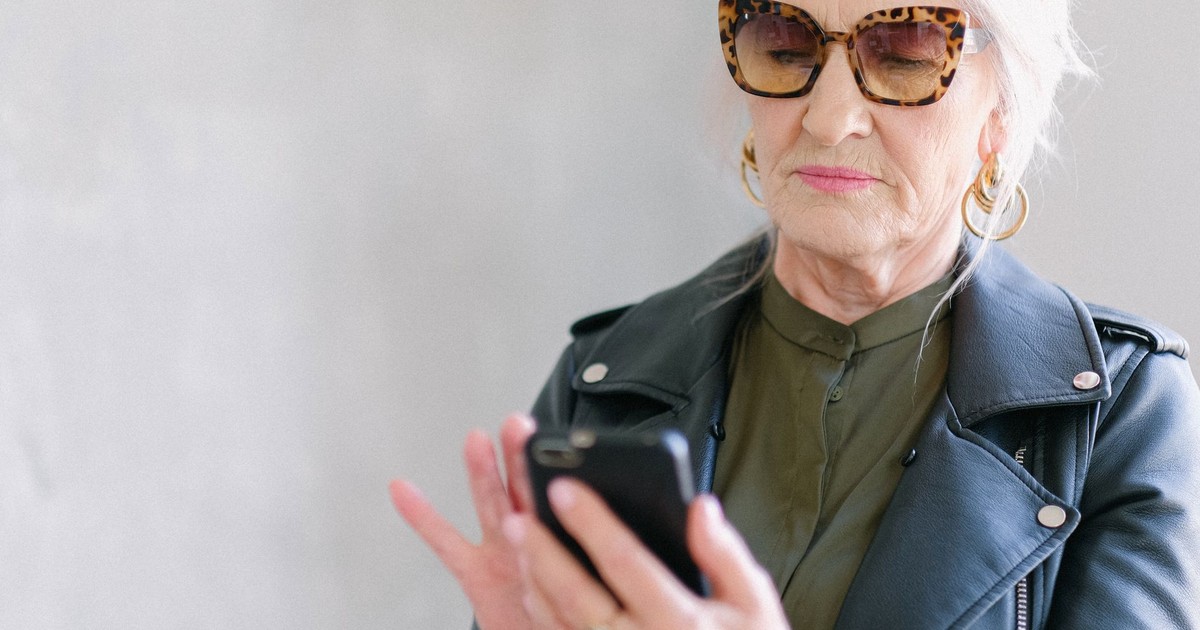
Social comparison has always been a self-esteem killer. In midlife and beyond, it gets structurally harder to avoid, because the comparisons you’re now making are often with younger versions of yourself. Looking at photos from ten years ago isn’t nostalgia – it’s a line in the sand. The body then, the face then, the energy then. The comparison runs one direction only, and it is never flattering.
Social media makes this worse in ways that deserve their own reckoning. Research published in 2024 found that social media has a negative impact on the body image of midlife and older women, though age can act as a moderating factor – meaning some women do develop a kind of earned immunity to comparison culture as they get older. The key word is “some.” For many women, scrolling through a feed full of filtered images, anti-aging product advertisements, and bodies that look twenty years younger than their owners claim to be does its quiet damage regardless.
When a teenager says social media makes her feel bad about herself, there are interventions, conversations, and awareness campaigns. When a fifty-year-old woman says the same thing, the response is usually to suggest she simply stop looking. The experience is treated as her problem to manage, not a structural pressure worth taking seriously.
What Actually Protects Self-Esteem as You Age
None of this is fixed. The psychological architecture of aging self-esteem responds to specific things, and some of those things are genuinely accessible.
Meaningful connection is the most robustly supported factor. Higher technological proficiency enhances self-esteem among older adults by boosting self-efficacy, fostering social participation, and promoting greater autonomy. A 2025 review in Behavioral Sciences found that this effect is particularly strong because it works on two levels: the practical confidence that comes from competence in digital tools, and the social contact that technology enables. For women whose self-esteem is caught in a contraction of roles, rebuilding a sense of usefulness and connection – even through platforms that feel new and slightly hostile – functions as genuine protection.
Physical activity is another anchor, and not primarily for the reasons the wellness industry tends to promote. The relationship between exercise and body esteem in midlife women has nothing to do with reaching a particular weight or shape. Body esteem in midlife women was predicted by optimism, self-esteem, and menopausal symptoms – and while BMI was the main predictor of body esteem, global self-esteem was more strongly related to feelings about appearance and physical condition than to feelings about body size. Movement that builds strength and produces competence does more for aging self-esteem than movement that simply burns calories.
Perhaps most importantly, the cultural stories women tell themselves about what aging means need direct examination. Internalized ageism – encompassing negative stereotypes, prejudice, and self-discriminatory practices based on age – can significantly impact an individual’s sense of self and wellbeing. Recognizing those internalized messages as external impositions, not personal truths, is not a small task. But it is a different kind of task than simply “loving yourself more,” which is the instruction that tends to arrive here, useless and unhelpful as a damp match.
The Unexpected Upside Nobody Leads With
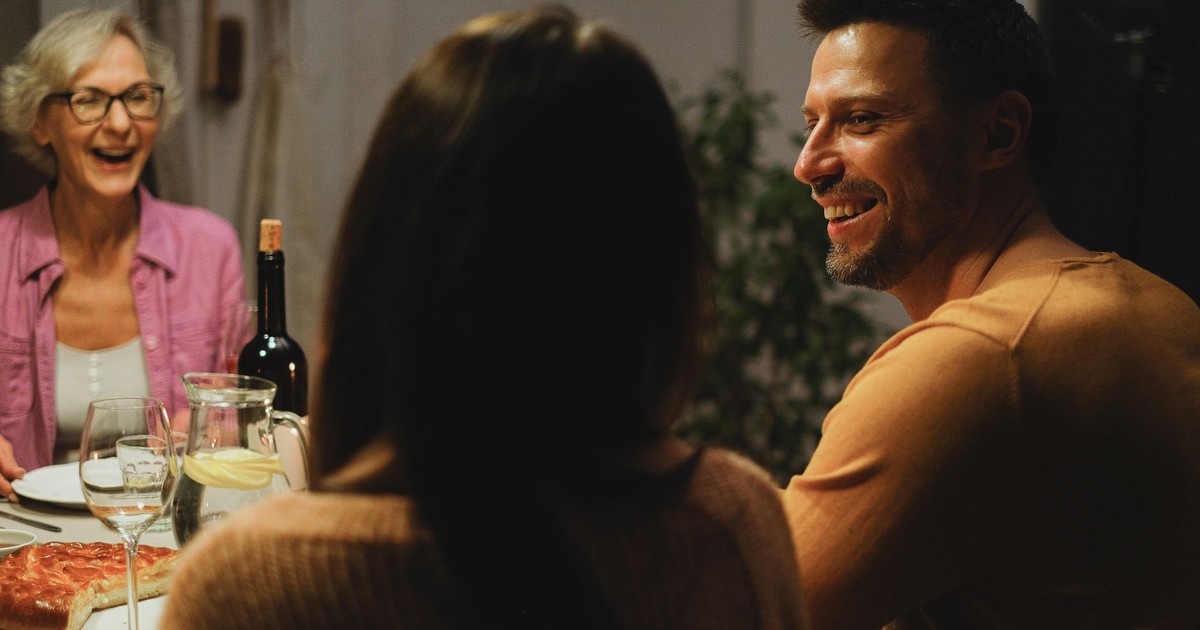
Self-esteem in later life does not follow a single trajectory. If older people score lower on self-esteem assessments, it may simply reflect greater psychological insight. They may have made peace with their faults and have less need for self-aggrandizement. Such a modest and balanced view of the self may appear as lower self-esteem scores – but it could very well represent a gain in self-acceptance.
Self-acceptance and self-esteem are not the same thing. Self-esteem, in its conventional measurement, is often tangled up with achievement, status, and external validation – all things that do decrease with age for many people. Self-acceptance is something different: a quieter reckoning with what’s real, a releasing of the performance. Women who reach it often describe it not as having fewer standards but as having better ones. Caring less about the things that were never worth caring about. Caring more about the things that were always true.
That shift doesn’t arrive on a schedule, and it certainly doesn’t arrive automatically. For some women it comes earlier than expected, and for others it’s still a long way off at seventy-five. The point is not that it’s inevitable. The point is that it’s available – not as a consolation prize for getting older, but as something that requires the same kind of deliberate attention you’d give anything else you care about deeply.
Read More: 40+ Women Share Unedited Photos to Celebrate Real Bodies
What Nobody Owes the Mirror
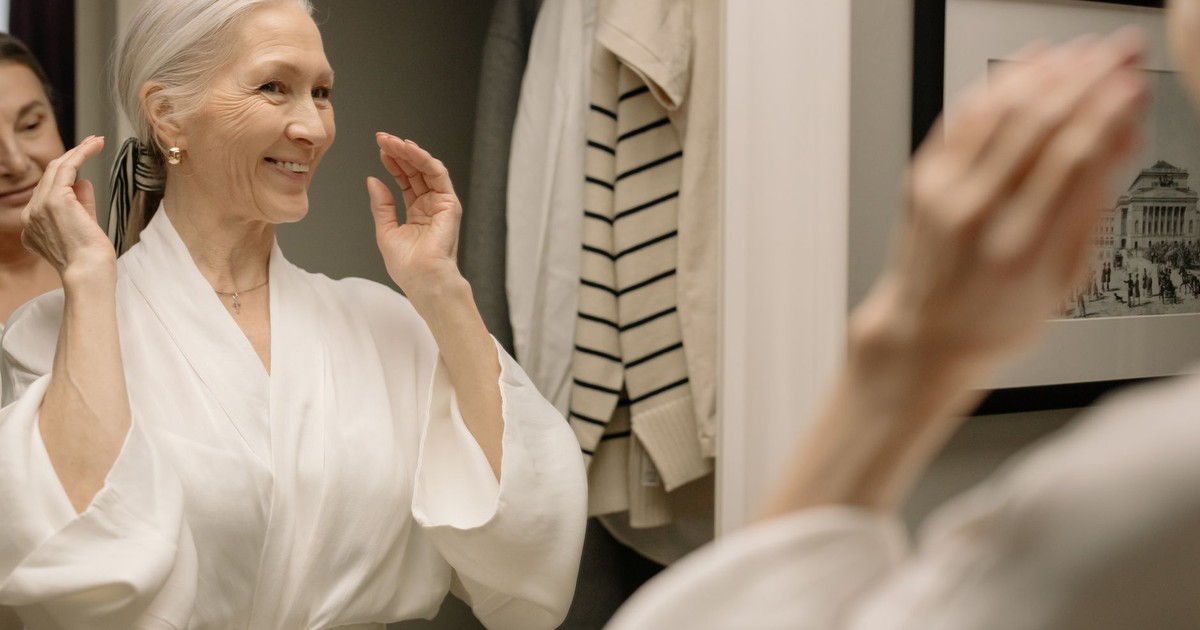
The most persistent lie in the aging conversation is that the goal is acceptance – that if you could just make peace with your body, your face, your age, you’d be fine. Acceptance is presented as the finish line. Get there and you’re done.
Aging self-esteem is not primarily a body image problem. It is a meaning problem. The physical changes are visible and therefore get the attention, but the deeper work is about who you are when the roles fall away, when the comparison has nowhere useful to point, when the cultural scripts about what women are worth at fifty, sixty, seventy have been absorbed so deeply they feel like your own thoughts.
None of those things resolve cleanly. Some of them don’t resolve at all. You don’t reach an age where the self-esteem question is answered for good and filed away. What you can do is notice which pressures are genuinely yours and which ones were handed to you decades ago by a culture that had no particular interest in your wellbeing. The ones that were handed to you – the ones that tell you your worth had an expiration date – those you’re allowed to put down. Not in a single empowering moment, and not because someone told you it was time to love yourself. Just gradually, as you get clearer on what the mirror was never equipped to measure in the first place.
Disclaimer: This information is not intended to be a substitute for professional medical advice, diagnosis, or treatment and is for information only. Always seek the advice of your physician or another qualified health provider with any questions about your medical condition and/or current medication. Do not disregard professional medical advice or delay seeking advice or treatment because of something you have read here.
AI Disclaimer: This article was created with the assistance of AI tools and reviewed by a human editor.