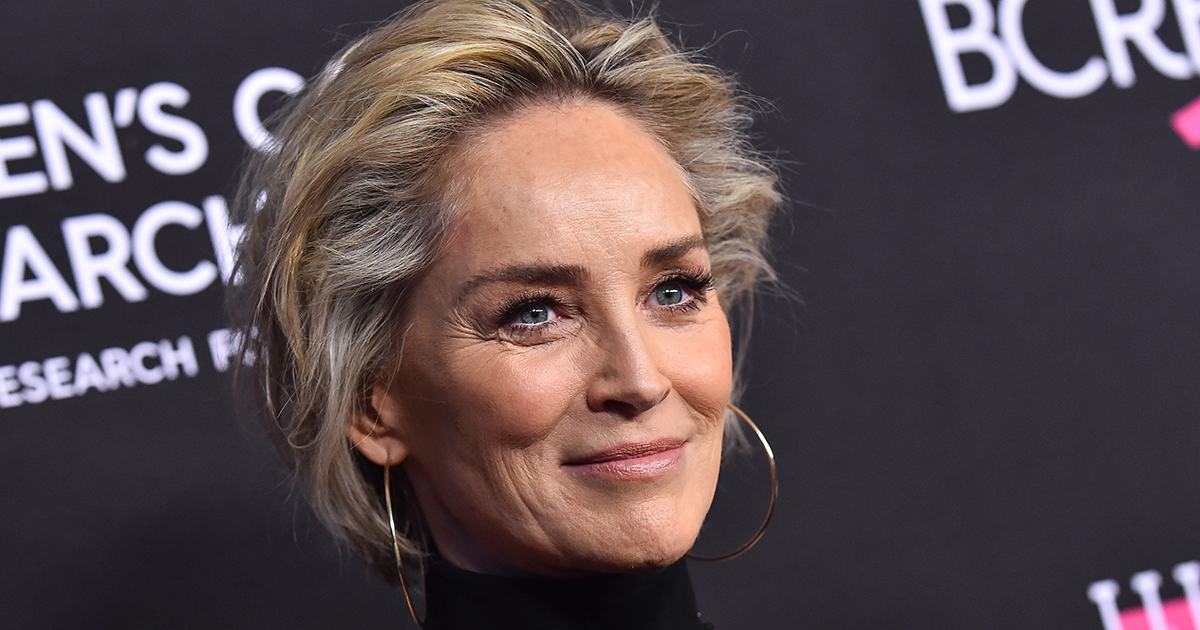

Sharon Stone says she became sick for about a month after quitting weed as part of her effort to pursue a drug-free life. That sentence, delivered matter-of-factly in a Variety interview, landed differently than the usual celebrity wellness announcement. Stone isn’t talking about swapping out her juice cleanse or adding a meditation app. She’s talking about a physical reckoning, one that came after years of using marijuana to manage the neurological fallout from a near-fatal brain event, followed by an equally brutal effort to stop taking the stroke medication her doctors told her she couldn’t live without.
The Basic Instinct actress suffered a near-fatal subarachnoid hemorrhage in September 2001. She recounted in a Variety interview published in July 2026 how she decided to stop taking one of the stroke medications last September against medical advice. She compared the experience to “going off of f – ing heroin” and said she felt sick for four and a half months. That was just the medication. Then she quit the weed too.
Stone, who is 68, said that because of what she believes is being added to cannabis today, when she stopped smoking pot, she also got sick. “It’s not like you’re pulling it out of the ground anymore,” she said. “It’s not like when we were kids. I got pretty sick for a month.” She went to her neurologist. The doctor persuaded her to quit marijuana entirely, telling her: “Sharon, I’ve had people dying in the emergency room from marijuana.” Stone’s account is personal and anecdotal, she named neither the neurologist nor the specific products she used. But marijuana withdrawal as a real and sometimes brutal physical experience is something the clinical world has spent years trying to get people to take seriously.
What Marijuana Withdrawal Actually Is
For a long time, the prevailing cultural wisdom held that you couldn’t get physically dependent on weed. That it was the “soft” drug, the one that didn’t come with the shakes or the cold sweats or the misery that opioids and alcohol delivered when you tried to stop. That view has been steadily revised.
Marijuana withdrawal is the collection of symptoms you may feel if you stop using marijuana after regular use. Aggression, anxiety, and sleep issues are common. The full clinical picture, which the Cleveland Clinic describes as including mental, emotional, and physical symptoms, is formally known in the DSM-5 as cannabis withdrawal syndrome.
According to a 2022 review in Addiction, cannabis withdrawal occurs in approximately half of regular and dependent cannabis users after abrupt cessation or significant reductions in cannabis products containing THC. Symptom onset typically occurs 24 to 48 hours after cessation, most symptoms peak at days two through six, with some lasting up to three weeks or more in heavy users. The most common features are anxiety, irritability, anger or aggression, disturbed sleep, depressed mood, and loss of appetite, with less common physical symptoms including chills, headaches, physical tension, sweating, and stomach pain.
That list is worth reading twice, because it’s not the benign inconvenience of a mild caffeine headache. If you are sleeping badly, feeling depressed, snapping at everyone around you, and can’t eat, that is a significant disruption to your daily life, regardless of whether the medical establishment considers it “dangerous” in the way alcohol withdrawal can be dangerous.
The Potency Problem Stone Put Her Finger On
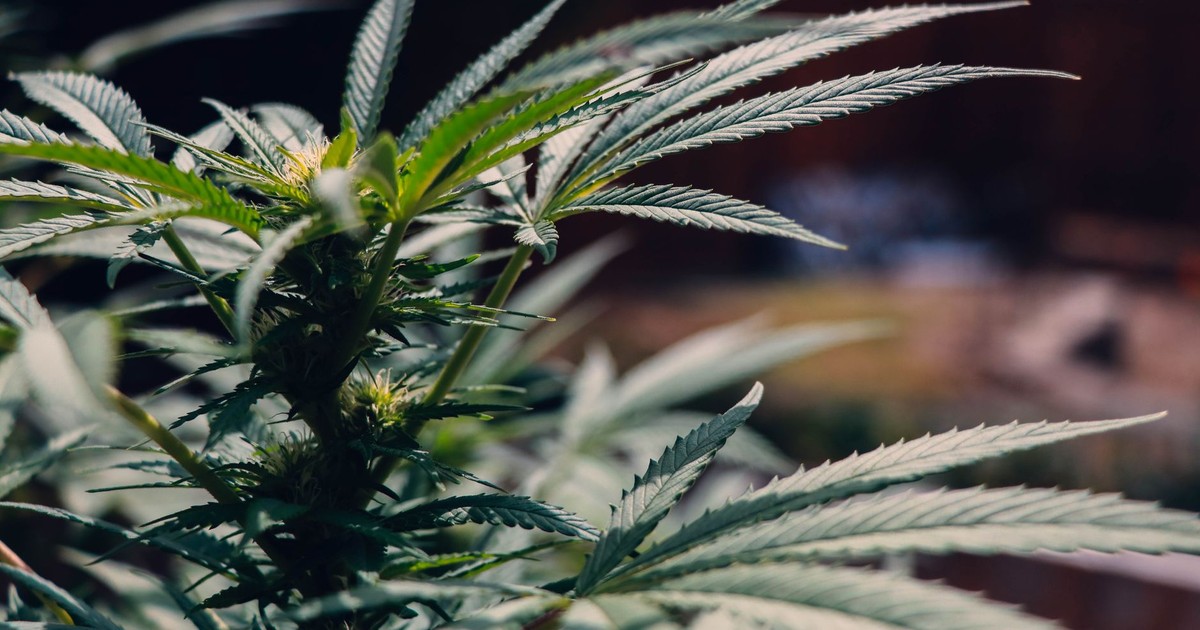
Stone’s instinct that modern marijuana is not the same substance people were using decades ago is backed up by data.
According to NIDA’s Potency Monitoring Program, average THC content in cannabis rose from 3.96 percent in 1995 to 16.14 percent in 2022, a fourfold increase. Today’s cannabis flower averages 15 to 25 percent THC, compared to roughly 4 percent in 1995. Concentrates such as dabs, wax, and shatter can reach 60 to 90 percent THC.
A person who used cannabis regularly in the 1990s or early 2000s and has continued using it since, or who returns to it after a gap, is dealing with a meaningfully different compound than they think they are. The body that built tolerance to the old product has not necessarily built tolerance to this one. For someone like Stone, who used marijuana over many years to manage neurological symptoms, the accumulated dependency and then the withdrawal would be shaped by whatever she was actually consuming, not whatever she remembers weed being.
Who Gets Withdrawal and How Bad Does It Get

Research indicates that roughly 3 in 10 people who use cannabis develop cannabis use disorder, the clinical category that includes withdrawal as a defining criterion.
The intensity and duration of withdrawal symptoms vary among individuals and are influenced by factors like usage frequency, amount, and individual health. Withdrawal symptoms typically begin within the first 24 hours, peak around the third day, and can last from 4 to 14 days, with psychological symptoms potentially persisting longer.
For some people, it is genuinely miserable for two weeks and then it passes. For others, particularly those who have used heavily for many years, the psychological symptoms, the sleep disruption, the anxiety, the low mood, can drag on considerably longer. Stone’s account of being sick for a month is on the longer end of what the research would predict, but not outside the range. And she was not quitting marijuana in isolation: she had just spent four and a half months coming off a stroke medication while her nervous system was still registering that upheaval. The body does not neatly separate one withdrawal from another.
The fact that she went to her neurologist is worth noting, not because the symptoms were necessarily neurologically dangerous, but because Stone’s medical history is genuinely complicated. Anyone managing a condition with medication who is also using cannabis regularly is likely working within a system where multiple substances are interacting. Stopping all of them within a compressed timeframe is not the same as a healthy person in their thirties deciding to take a month off weed.
The Experience Nobody Prepares You For
Stone did not expect this. She said so. For many people who use cannabis regularly, for sleep, for anxiety, for pain, for the particular kind of mental quiet it can provide, the idea that stopping it could make them feel genuinely, physically unwell for weeks is something they have not been told to prepare for. The cultural framing of marijuana as the benign one, the natural one, the one that doesn’t do that, still lingers even as the clinical picture has shifted.
Stone’s neurologist’s comment about seeing people in the emergency room is the kind of statement that generates headlines precisely because it sounds alarming, and the medical record is more measured. Cleveland Clinic notes that typical withdrawal symptoms “aren’t dangerous and typically don’t require medical care,” though they are a sign of cannabis use disorder, which does require professional attention. The question of whether people are ending up in emergency rooms because of withdrawal itself, or because of underlying conditions complicated by cessation, or because of something else entirely, is one that Stone’s account alone cannot answer.
What it can do is start a conversation that many regular users have not yet had with themselves, or with their doctors, about what stopping would actually feel like.
The Bigger Picture on Her Decision to Go Drug-Free
According to Stone, her doctor encouraged her to stay away from marijuana. She now wants to maintain what she described as a “drug-free life,” a goal that carries added weight because she survived a brain hemorrhage and stroke in 2001. For years, the actress had described using marijuana as a way to cope with the neurological aftereffects of that life-changing event. So this is not a casual lifestyle choice. It is the end of a long and complicated medical relationship with a substance she used, at least in part, as medicine.
Despite the difficult withdrawal experiences, Stone said the past year helped her reclaim her life, and she continues acting, painting, and spending time with her three sons.
What This Means If You’re Thinking About It Too

Stone’s story will reach a lot of people who use cannabis regularly, for sleep, for anxiety, for the particular frazzled exhaustion of daily life, and who have never really considered that stopping might involve a withdrawal period worth planning for.
If you use cannabis daily or near-daily and you’re thinking about quitting, the honest version of what you might encounter is a week to two weeks of disrupted sleep, increased irritability, possible mood dips, appetite changes, and physical symptoms ranging from headaches to stomach trouble. Most people come through it without medical intervention. For those with existing health conditions, or for whom the symptoms become severe or prolonged, talking to a doctor before stopping abruptly is the move, not an overreaction.
The Cost and the Reason It Was Worth It

Sharon Stone spent four and a half months coming off a stroke medication, then another month getting through marijuana withdrawal symptoms, and she describes the last year as the one where she got her life back. That is a sentence that holds a lot of weight at once: the cost of it, and the reason she decided it was worth paying.
What Stone’s account offers is not a cautionary tale or a prescription for anyone else. It is a specific, honest account of what the body can demand when you ask it to stop depending on something it came to rely on. For anyone who uses cannabis regularly, especially over years, especially for a real reason, the withdrawal piece of the quitting conversation is the one that tends to get skipped entirely. It gets skipped in doctor’s offices, skipped in the cultural narrative around marijuana being the gentle option, and skipped in the head of the person who just decides one day to stop.
Disclaimer: This information is not intended to be a substitute for professional medical advice, diagnosis, or treatment and is for information only. Always seek the advice of your physician or another qualified health provider with any questions about your medical condition and/or current medication. Do not disregard professional medical advice or delay seeking advice or treatment because of something you have read here.
AI Disclaimer: This article was created with the assistance of AI tools and reviewed by a human editor.