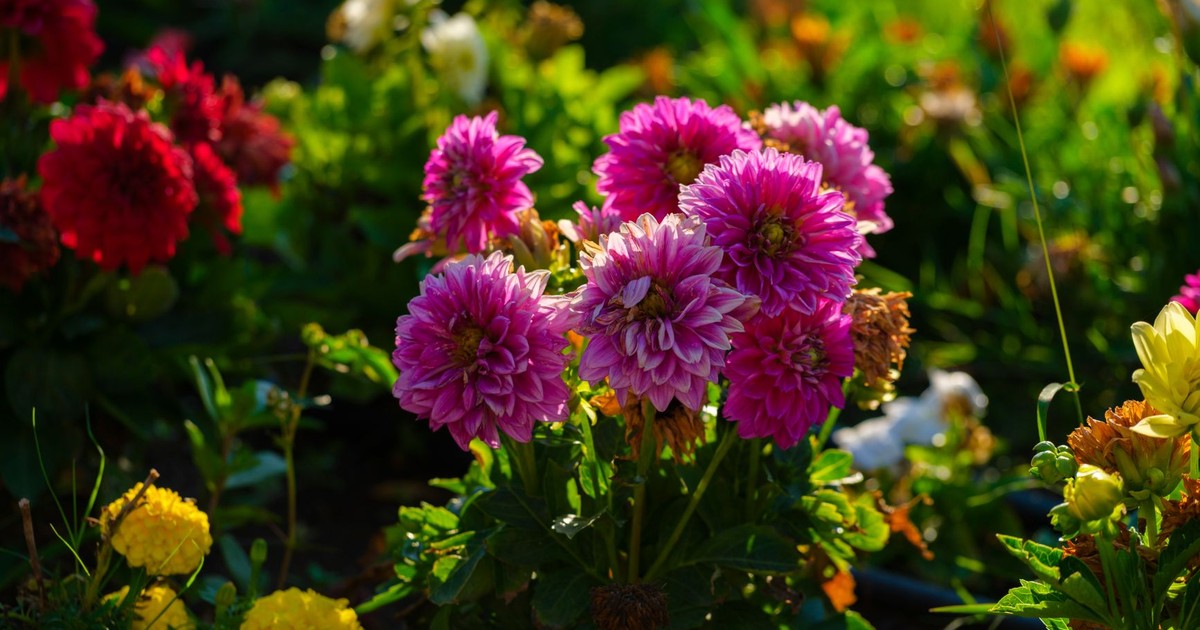

Somewhere around mid-July, a garden that looked extraordinary a month ago starts to look like it’s running out of ideas. The blooms that opened with such confidence in June are browning at the edges, the stems are getting leggy, and the whole bed has the energy of someone who stayed at the party too long. Most gardeners assume this is just what summer does – that the heat wears plants down and there’s nothing to do but water them and wait for fall. That assumption costs you weeks of color.
The fix is one of the most unglamorous tasks in gardening: deadheading. Deadheading simply means removing spent flower heads. It takes no special skill, no expensive equipment, and about fifteen minutes of your week. What it gives back is a garden that keeps blooming long after a neglected one has gone quiet. Removing spent blooms before seeds form forces plants to resume flower production rather than redirecting energy toward seed development. Deny them the finish line, and they keep running.
Some plants produce a single magnificent flush and that’s the deal – deadhead them all you want and you’ll get tidier foliage but no new flowers. The ones worth your time are the ones that will genuinely push out more blooms in response. Removing flowers that have begun to die keeps the plant from looking disheveled, stops it from self-seeding, and encourages new blooms. The flowering plants below are the ones where a few minutes of weekly effort pays back most visibly.
1. Roses
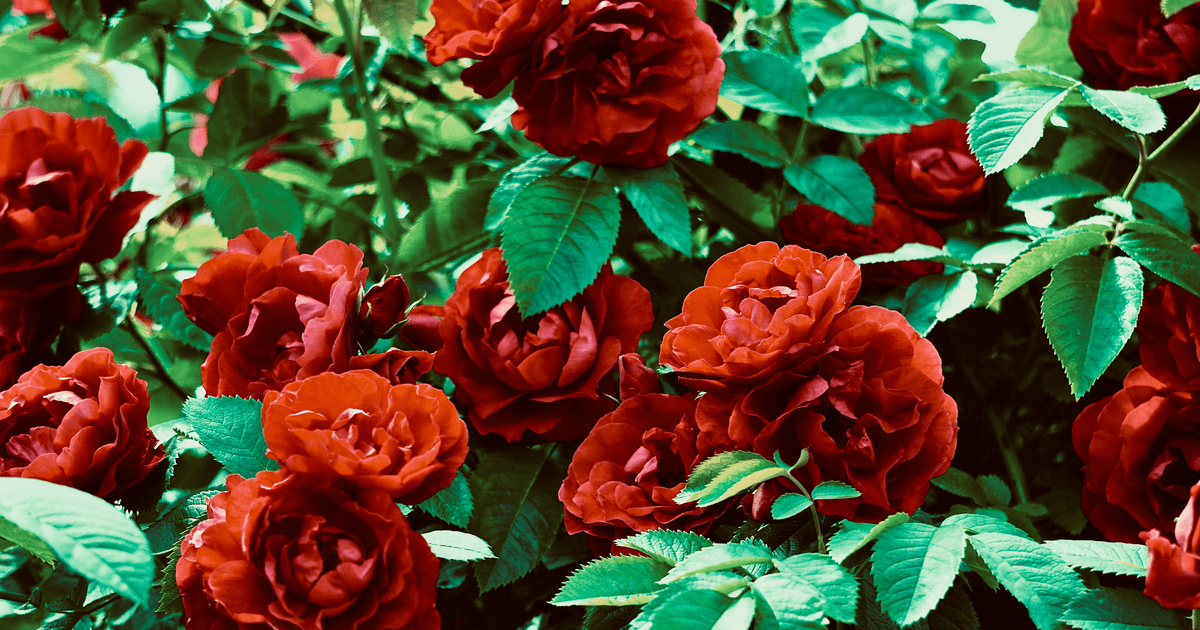
Not deadheading is one of the leading gardening mistakes when it comes to roses, especially hybrid teas, floribundas, and grandifloras. Faded blooms cue the shrub into growing seeds or rose hips, putting a full stop to new flushes. Roses are repeat-bloomers by design, but they won’t bother repeating if you leave the spent flowers in place. The plant reads a finished bloom as mission accomplished and redirects its energy toward seed development rather than producing what you actually planted it for.
As you move down the spent stalk, you’ll notice it has three-leaflet and five-leaflet leaves. For newly planted roses, cut just above the highest three-leaflet leaf to avoid compromising their growth. For established specimens, snip above five-leaflet leaves. The difference in where you cut isn’t a fussy preference – it’s about where the plant actually has the energy reserves to push new growth from. For flower clusters with dead blooms, pinch them to help the rest bloom. Clean, sharp bypass pruners rather than anvil-style ones make the cut cleaner and reduce the risk of stem damage or disease entry.
2. Zinnias
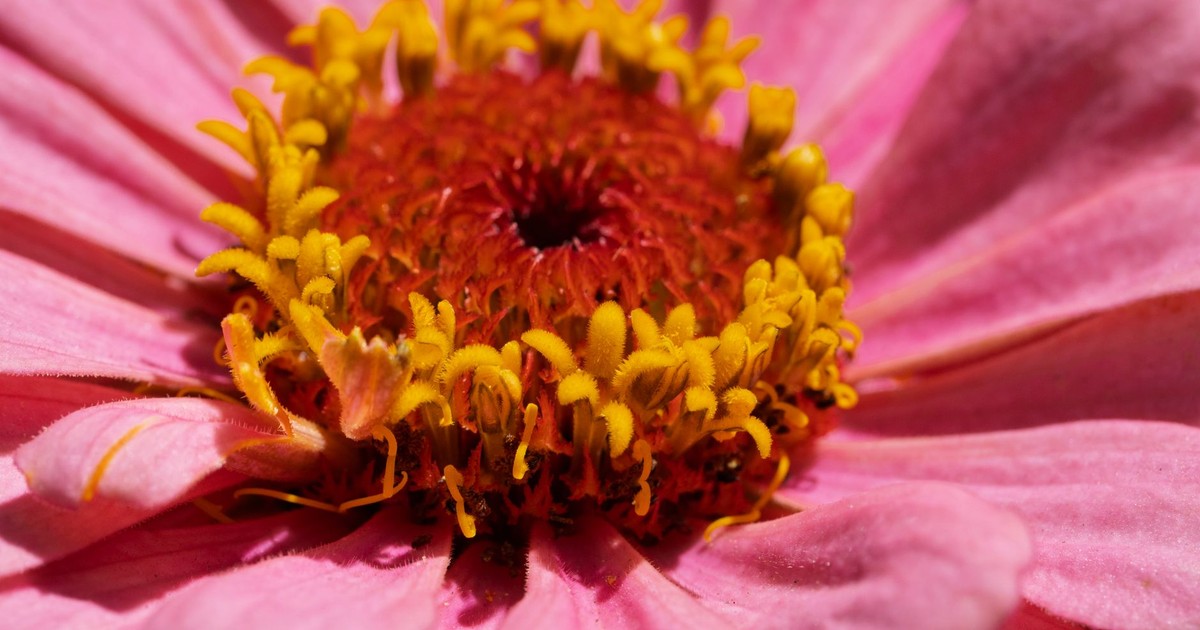
If you haven’t been cutting zinnias for indoor arrangements, try deadheading them. You can snap off dead blooms as you go about your day, or take floral scissors to the wilting bloom and follow the stem down to the nearest leaves. At the cut, new shoots will pop out, extending the flowering season.
Plants that respond to deadheading by producing more flowers are called “cut-and-come-again,” and the more you snip, the more they bloom. Zinnias are the gold standard of this category. They can take a garden from mid-summer tired to legitimately spectacular if you keep up with them weekly. Homestead and Chill notes that zinnias tend to grow new side shoots from the second or third set of leaves below the flower head rather than the first, so cutting a little further down gives better results. Toward fall, allow the last batch to make seeds for birds and self-sowing. You don’t have to deadhead newer varieties like the Preciosa or Profusion series, as their new flowers cover old ones. But for most standard zinnias, consistent removal of spent heads is the difference between a six-week season and a four-month one.
3. Marigolds
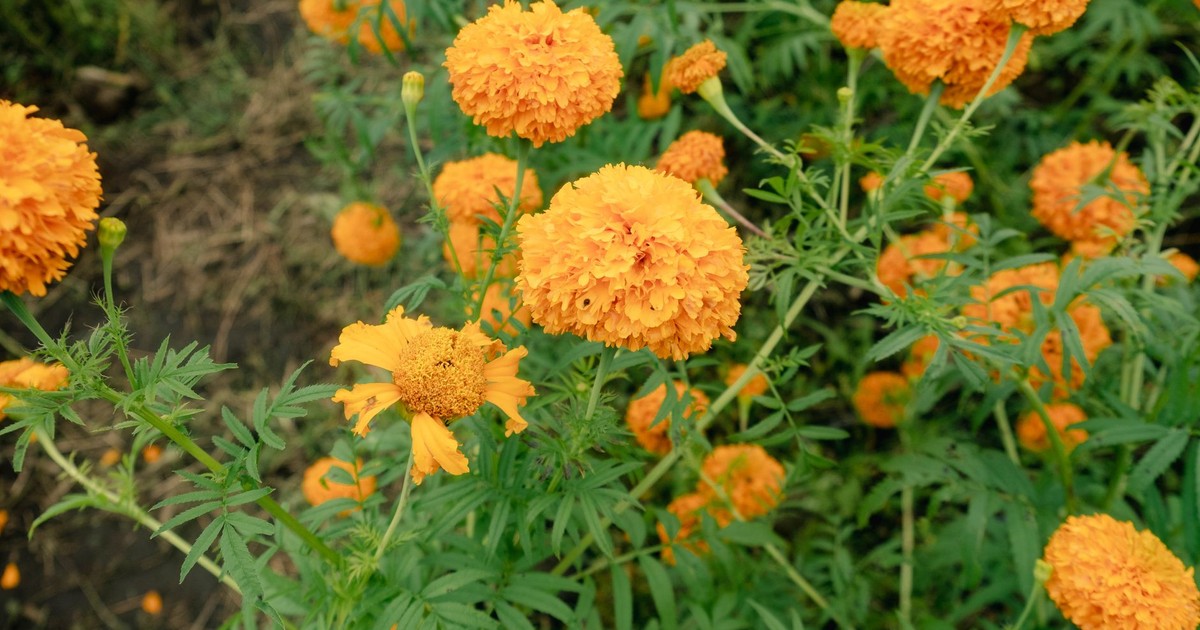
While deadheading isn’t required for marigolds to rebloom, it keeps the plant from becoming leggy and going to seed sooner. To help blooms continue all season and to promote fuller, bushier growth, remove spent blooms by pinching or cutting them. Removing the flower above a set of leaves or a new bud helps encourage branching.
Marigolds also earn their keep as companion plants. Homestead and Chill notes that marigolds contain compounds that deter common garden pests, making keeping them actively blooming serve more than one purpose. A spent marigold is doing less work than a live one in every sense. Soft-stemmed enough to pinch with your fingers, they’re a good starting point if you’re new to the practice and not yet comfortable with pruners. Letting them set seed too early slows production and leaves you with fewer blooms when you want them most. A pair of sharp scissors and a few minutes a week is all it takes to keep them glowing. With consistent deadheading, marigolds can easily carry their sunny charm deep into autumn.
4. Petunias
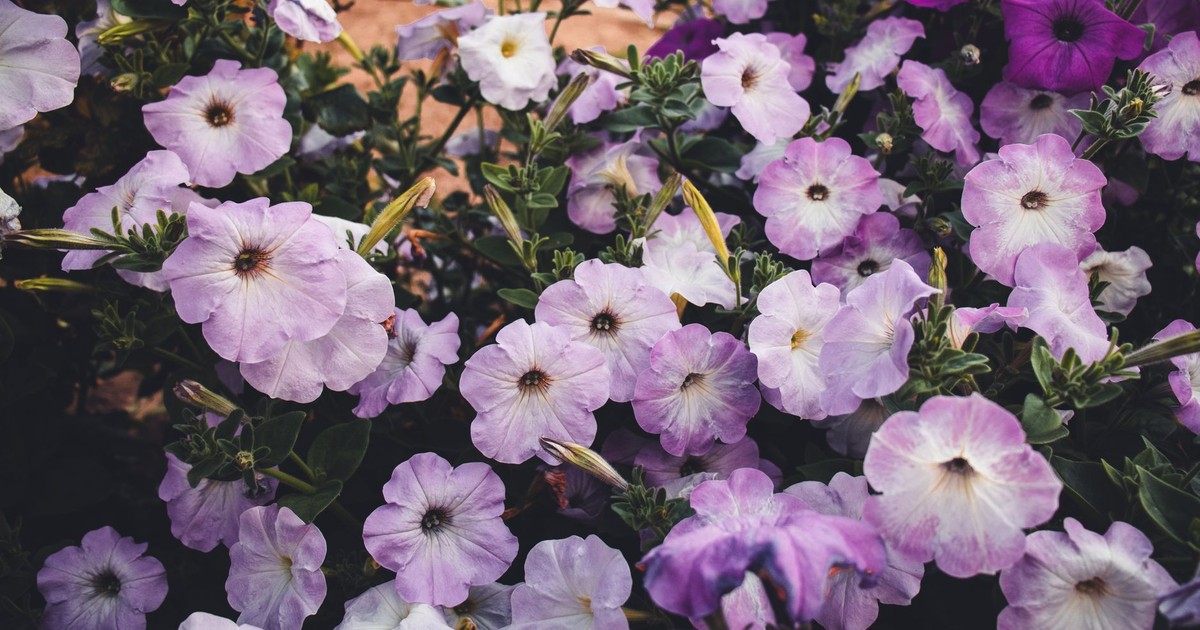
Petunias have a tendency to get leggy and sullen if you leave them alone, and by August, an un-deadheaded petunia in a container looks like it’s given up on summer entirely. Most petunia varieties will decrease flower production if they are not deadheaded regularly. The plants shift energy into developing seeds rather than producing flowers. The good news is that petunias respond almost immediately to attention – remove the spent heads and you’ll see new buds forming within days.
Some varieties, such as Wave petunias and Supertunias, are self-cleaning and do not require deadheading to keep plants blooming, though they can still benefit from regular pruning. For standard varieties, work down the stem and remove not just the flower but the small seed capsule that forms at the base of the bloom – that’s the part that signals the plant to slow down. Hand snips work well for thin, soft-stemmed foliage like petunias. Do it twice a week during peak summer and you’ll have a container that looks like it was just planted well into September.
5. Dahlias
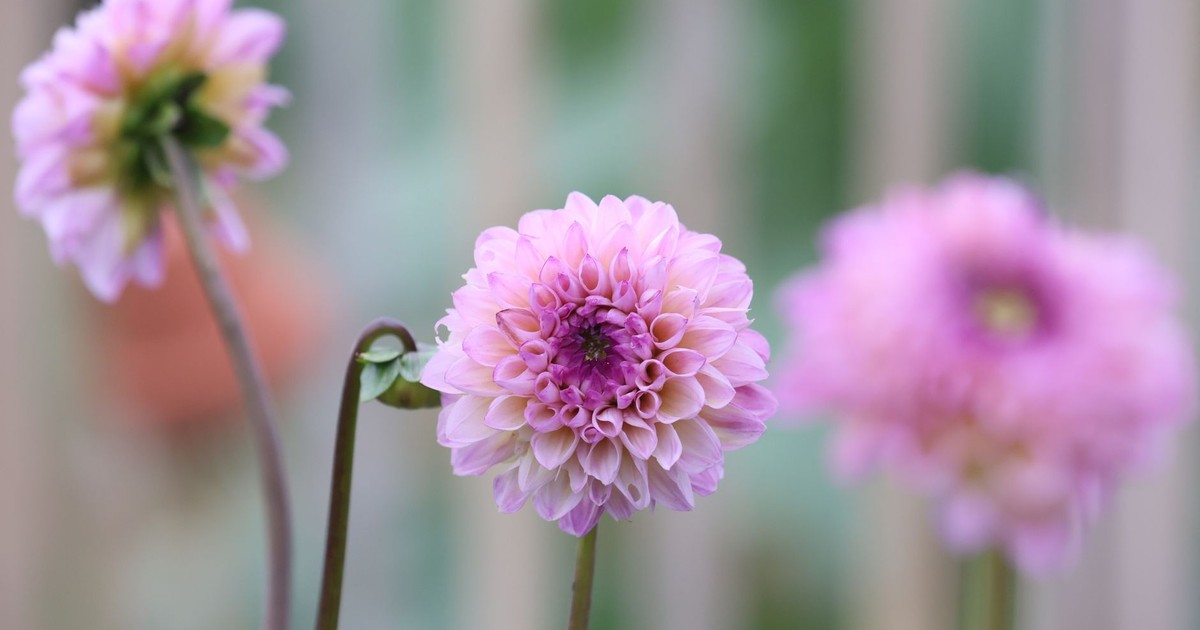
Dahlias are glamorous and they know it, and they reward careful tending in a way that feels genuinely proportionate to the effort. Each plant is capable of producing dozens of blooms across a season, but only if you keep removing the finished ones. Bypass pruners are best for thicker stems and larger blooms like dahlias. A clean cut matters. Unlike some of the softer-stemmed annuals you can pinch with your fingers, dahlias need a proper cut – ideally traced back to a leaf node or a visible side shoot.
Keep your tools clean and sharp. Dull blades can bruise stems and make it easier for disease to get in, which is especially important when working on dahlias or roses. Dahlias are susceptible to fungal issues, and a ragged cut on a thick stem is an open invitation. The payoff for doing it right is extraordinary: a well-deadheaded dahlia planted in May can still be producing fresh blooms well into October in most climates.
6. Coneflowers (Echinacea)
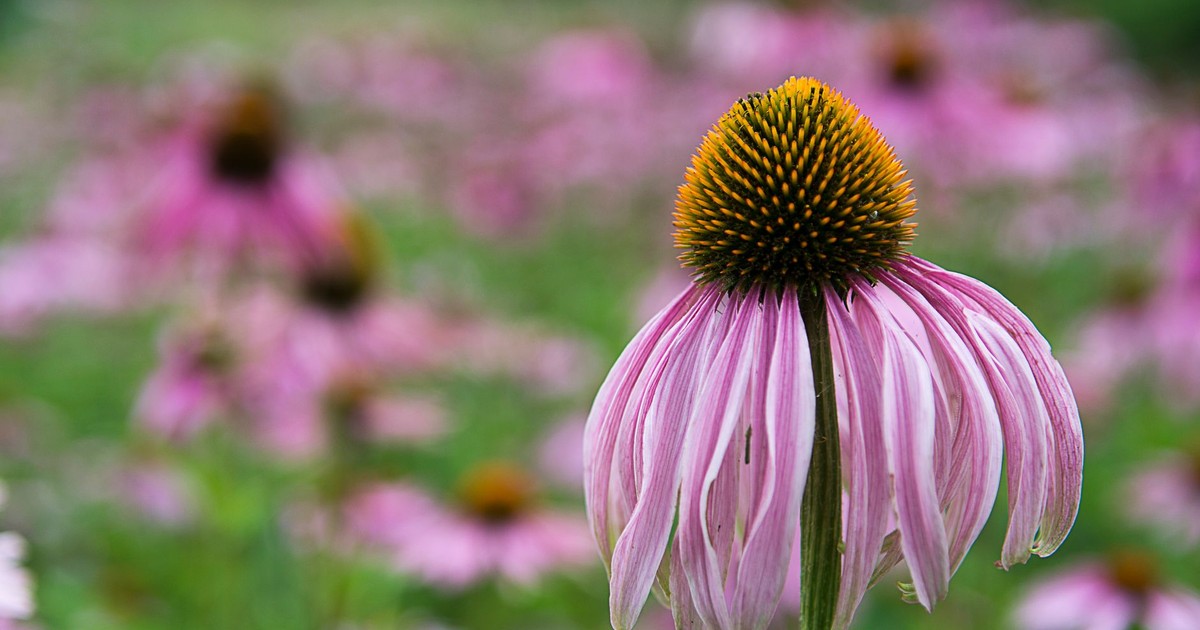
Coneflowers occupy a complicated spot on this list because they genuinely do something beautiful when left to go to seed – the dried seedheads feed goldfinches through autumn and winter, and they look architectural in a frosty garden. But if blooms through summer are what you want, deadheading is non-negotiable. To extend purple coneflower’s flowering season right up to frost, you must deadhead them. This will also keep the plant tidy while keeping your summer gardens bright. It also prevents the coneflowers from taking over your garden completely, as they produce countless seeds.
If you’d still like to make your own birdseed by retaining dead blooms, consider allowing a small patch to go to seed while the rest is deadheaded. Or stop deadheading completely when fall approaches. Deadhead the bulk of the plant through summer for continued color, then let the back corner do its thing for the birds once you’ve had your season’s worth of flowers.
7. Salvia
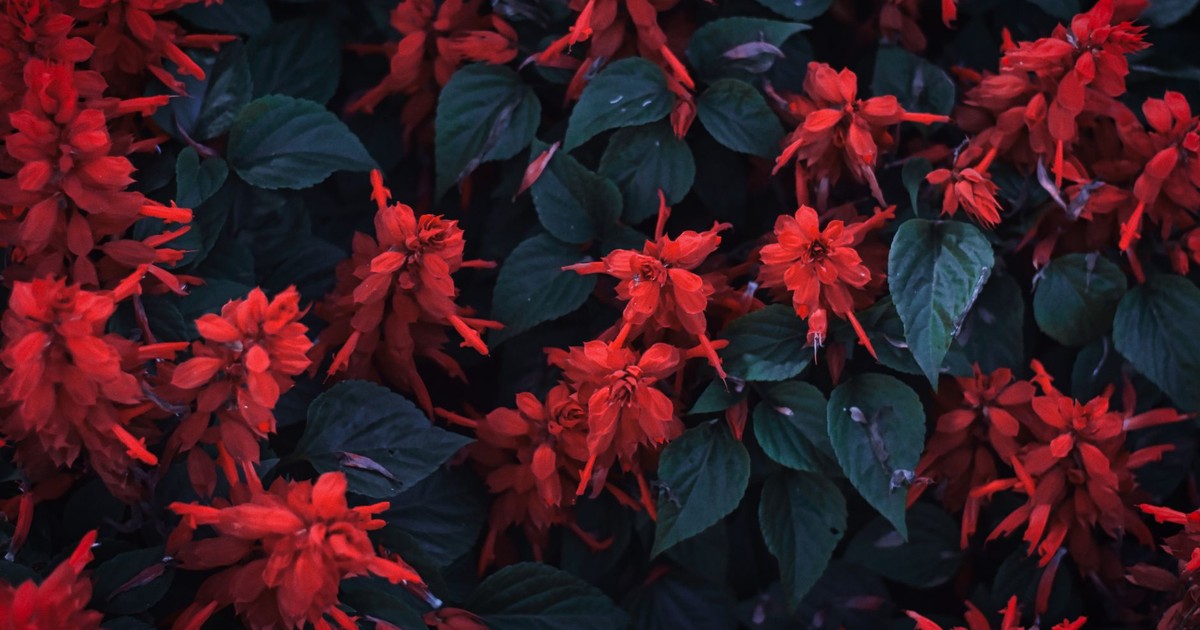
Pollinators love salvia, so keeping the blooms going all season will keep the bees, hummingbirds, and butterflies coming back to your yard. Deadheading will keep blossoms in full supply, while also promoting bushier growth, giving them a neat and tidy appearance, and preventing seed formation that leads to reseeding.
Look for flower spikes that are beginning to decline, and cut the stem just above a set of leaves or side shoots. Salvia is one of those plants where the deadheading cut matters more than just the removal – if you cut too high, you get a stub; too low and you lose the side shoots that will become your next wave of flowers. Pruning plants like salvias right after their first bloom can trigger a second flush. In a hot summer, that second flush can be just as impressive as the first if you catch the timing right, typically within a week or two of the initial bloom declining.
8. Geraniums (Pelargonium)
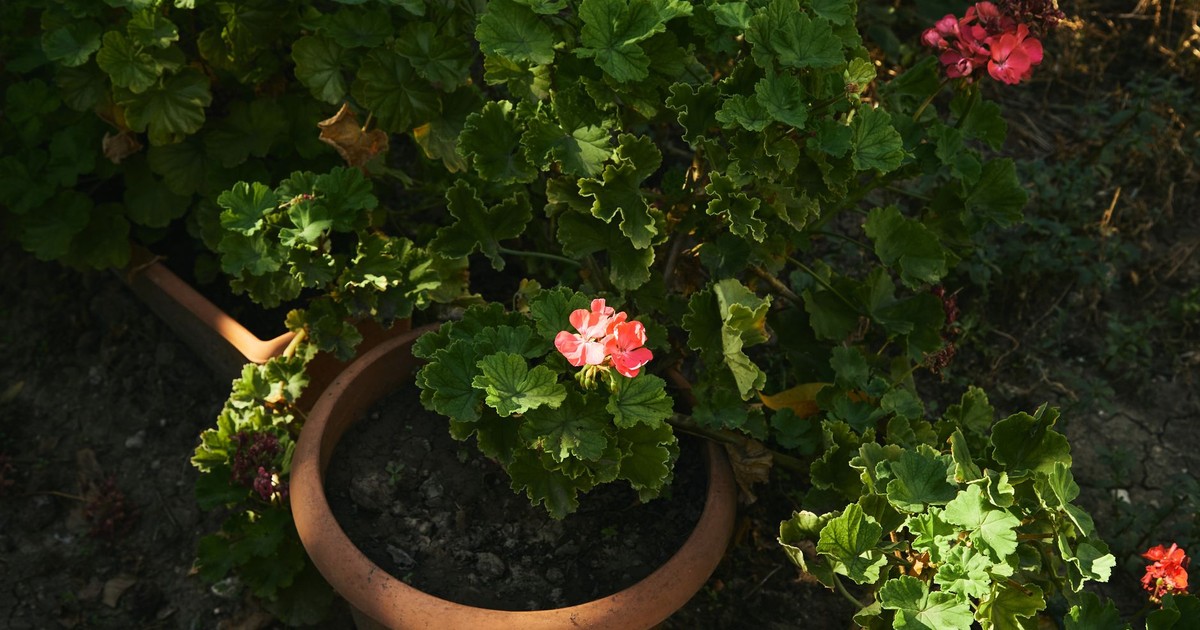
Most annual geranium varieties, including zonal and hardy geraniums, benefit when their dead blooms are consistently removed. This releases the resources planned for seed setting, directing them to create more blooms. Left to their own devices, geraniums will do a round of blooms and then spend several weeks on seed production while you wait impatiently for color to return.
The removal process for geraniums is slightly more involved than a simple pinch. Each bloom is actually a cluster – a group of small flowers sitting on a single stem. When the whole cluster is finished, remove the entire stem back to the main stalk rather than leaving a bare stub. You can encourage fresh flowers by removing the faded blossoms. Snip off the spent blooms, give the plant a boost with a liquid fertilizer following the label instructions, and keep it well-watered. This helps redirect energy back into growth and flowering instead of seed production.
9. Cosmos

Cosmos are easy-going and will rebloom without a lot of interference, but consistent deadheading pulls dramatically more production out of them. They’re feathery and tall and covered in cheerful daisy-like flowers, and when you keep removing the finished heads, they branch and bush out instead of going tall and sparse. The stems are thin enough that you can pinch them with your fingers, and the whole process takes almost no time even on a large planting.
Cosmos benefit greatly from removing fading blooms. The main reason lies in seed production, which tells the plant it has done its job and it can now stop blooming. Removing blooms before seeds form encourages the plant to produce more flowers and promotes growth in general. Like zinnias, cosmos are also spectacular as cut flowers, so deadheading and cutting for the house are essentially the same task. A handful of cosmos in a glass of water on a Tuesday morning is a very reasonable reward for garden maintenance.
10. Reblooming Hydrangeas
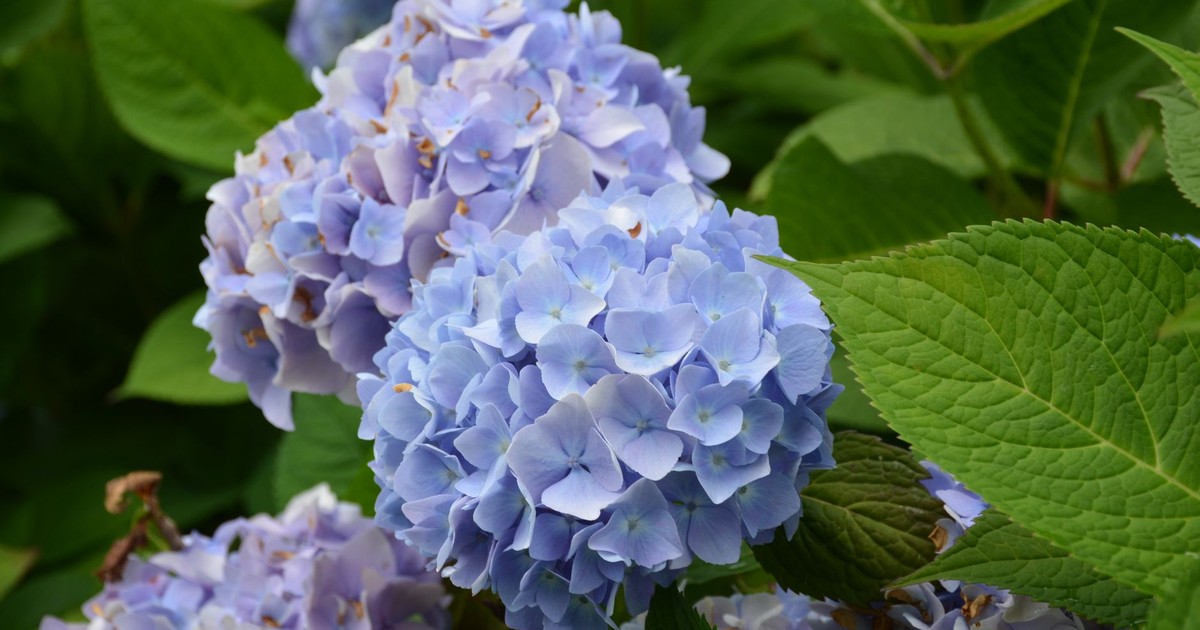
Most hydrangeas don’t belong on this list – a single-flush variety will not produce new flowers no matter how diligently you remove the spent ones, and you’ll also sacrifice the dried blooms that look beautiful through fall and winter. But the remontant, or reblooming, varieties are a different story entirely. If you’ve planted reblooming hydrangeas – think series like Endless Summer, Let’s Dance, or White Wedding – you should deadhead the faded blooms right after they finish their first cycle. That way, you can expect another flower flush late into the growth season.
To deadhead, simply cut down the spent stalk to the newest bud or the biggest pair of leaves if you can’t spot the buds yet. Avoid removing the dead blooms after the repeat cycle, as they add winter interest with their aging colors and double as winter habitat for beneficial insects. The timing matters enormously here: deadhead too late in the season and you won’t give the plant enough time to set new buds before temperatures drop. As soon as the first flush starts to fade, act.
The One Rule That Covers All of Them

Deadheading should be done in spring to early summer. Waiting until late summer or fall to begin is usually too late, and the shortening days and cooler temperatures will work against the growth of new flowers. Deadheading is proactive, not remedial. By the time a plant looks fully exhausted and has set seed throughout, you’ve already lost several weeks of bloom potential. The gardeners with color through August started removing spent heads in June.
Deadheading flowering plants is not an all-or-nothing commitment. You don’t have to do every plant on every pass, and you don’t have to be precise to the point of anxiety. Deadheading can be done one or two times a week. A walk through the garden with a small pair of hand snips, pulling and snipping as you go, is all it takes. Some people find it meditative. Some find it satisfying in a way that’s hard to explain to anyone who doesn’t garden. Either way, the garden doesn’t care about your frame of mind while you’re doing it – only that you get out there and do it.
What This Is Really About
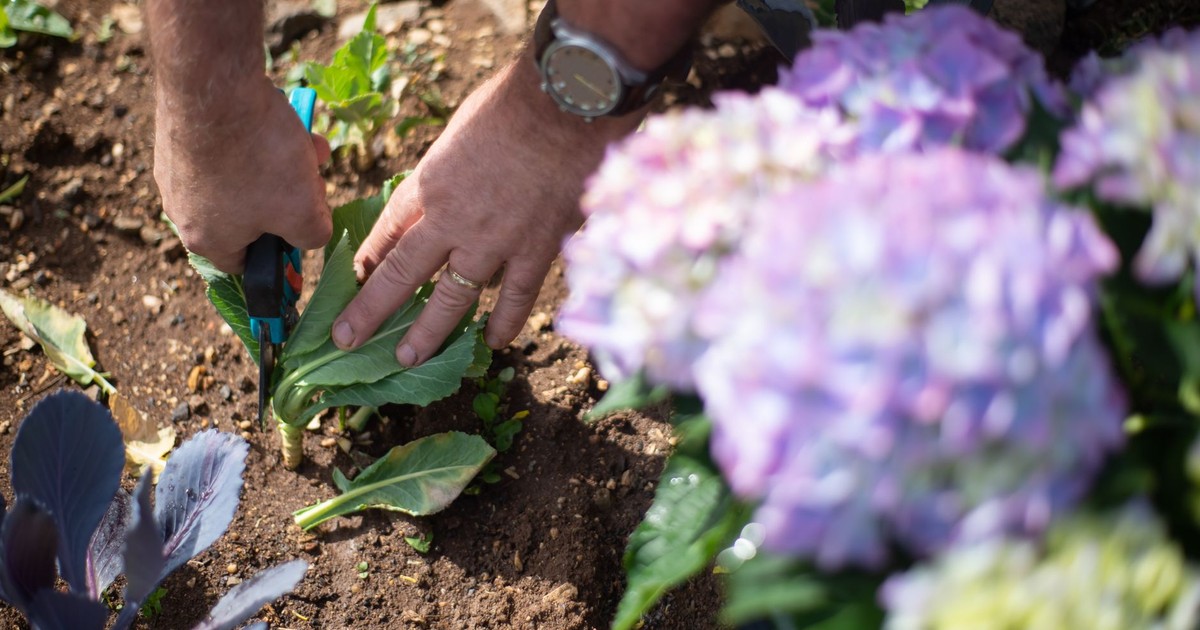
Removing what’s finished makes room for what’s next. A garden left to its own logic will produce one spectacular flush and call it done. A tended one keeps going – not because it has more resources, but because someone kept redirecting them.
The plants on this list aren’t the only ones that respond to deadheading, but they’re the ones where the return on a few minutes of weekly effort is most visible and most satisfying. You don’t need to be a devoted gardener with coordinated tools and a maintenance schedule. You just need to walk through what you planted, notice what’s finished, and take it off. The bed will tell you the rest.
Disclaimer: This information is not intended to be a substitute for professional medical advice, diagnosis, or treatment and is for information only. Always seek the advice of your physician or another qualified health provider with any questions about your medical condition and/or current medication. Do not disregard professional medical advice or delay seeking advice or treatment because of something you have read here.
AI Disclaimer: This article was created with the assistance of AI tools and reviewed by a human editor.