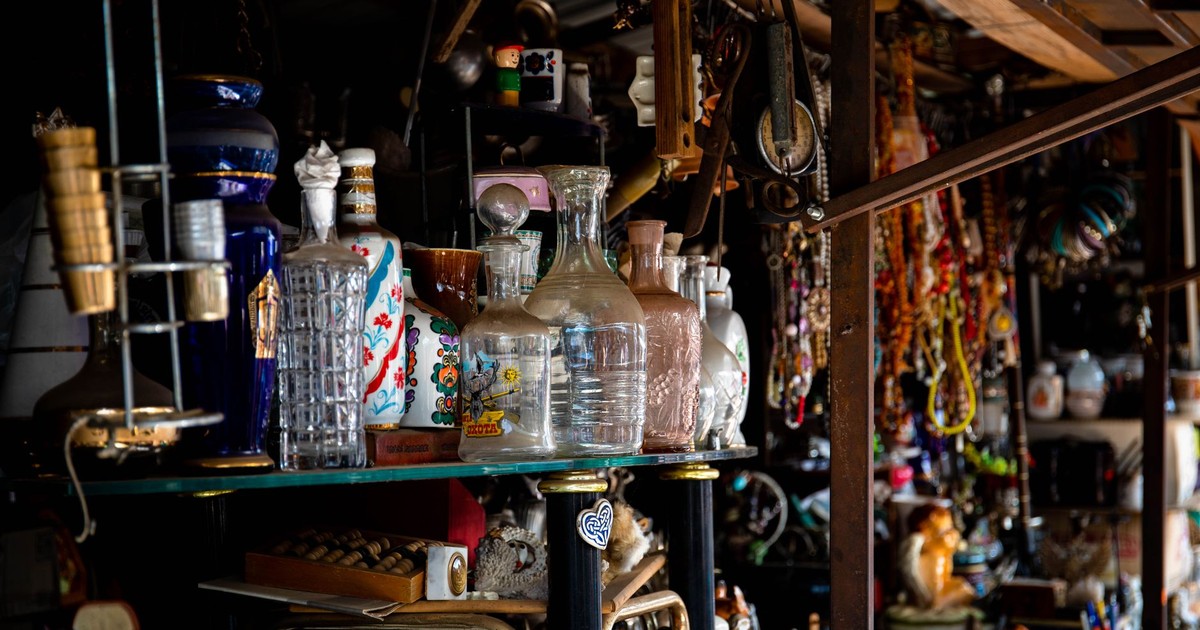

The best finds at a flea market rarely go to the most dedicated shoppers. They go to the prepared ones. You can arrive at the crack of dawn with a tote bag and a good eye and still walk away empty-handed if you don’t know how the ecosystem actually works – who the real dealers are, how vendors price, when to hold your ground, and when to put something down and walk away. The people who score the extraordinary pieces, the $8 oil painting that turns out to be worth something, the Victorian dresser priced like a piece from IKEA, have a system. It just isn’t always obvious from the outside.
Flea markets are their own economy, with their own unwritten rules and rhythms. Prices are not what they appear. The relationships matter more than most shoppers realize. And the difference between a great day and a frustrating one often comes down to a few decisions made before you even pull out of the driveway.
Whether you’re hunting for furniture, vintage jewelry, art, or just that one specific thing you’ll know when you see it, the five principles below will change how you approach every market you walk into from here on out.
1. Arrive Early – and Know Why It Actually Matters

Early morning at larger markets gives you access to the best pieces before other buyers see them, even if the seller isn’t yet flexible on price. The best pieces tend to fly out of booths in the very first stretch of the morning. Often, they get bought by other flea market dealers, who then resell from their own booth. Pieces can travel the market on that same day, carrying a price increase each time they land somewhere new. That chair you spotted mid-morning for $180 may have been $90 at 7 a.m., bought by another vendor and repriced before you ever arrived. The market feeds on itself in those early hours.
What “early” means depends on the market. Larger outdoor events like the Brimfield Antique Flea Market in Massachusetts or the Round Top Antiques Fair in Texas draw thousands of vendors and run across multiple fields – arriving at opening time is table stakes, not an advantage. For smaller monthly markets, getting there thirty minutes before the official start, while dealers are still setting up, is where the real finds happen. Vendors at that stage are often more relaxed, still arranging stock, and occasionally willing to sell something before it’s even fully displayed. Introduce yourself, be genuinely pleasant, and ask. The worst answer is no, and at that hour, you’re the only one asking.
2. Do Your Research Before You Go, Not While You’re Standing There
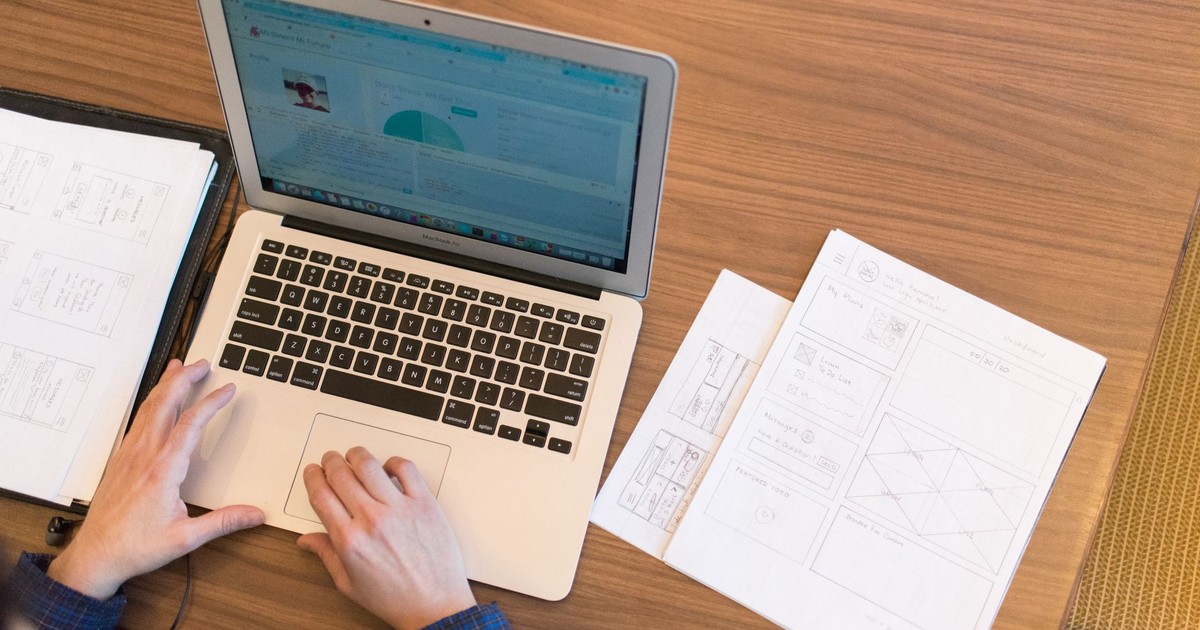
One of the most reliable ways to overpay at a flea market is to rely entirely on your gut in the moment. The vendor across the table has priced that piece based on what they know about it. If you know less than they do, the negotiation is already tilted before you open your mouth. Doing even basic homework the night before – looking up comparable pieces on resale platforms, checking recent completed sales, familiarizing yourself with makers’ marks or period characteristics – changes that dynamic entirely.
Familiarizing yourself with different styles and periods of vintage decor and their value helps you recognize good deals and avoid paying too much for items. This doesn’t require becoming an expert in everything. It requires becoming conversant in whatever category you care about. If you love mid-century ceramics, spend an hour a week on completed eBay sales. If you’re hunting vintage textiles, learn the difference between machine-made and handwoven construction. That knowledge will surface at exactly the right moment, in front of exactly the right booth, and it will save you money or stop you from walking past something extraordinary thinking it’s ordinary.
Vendors who specialize in something – vintage cameras, art pottery, Georgian silver – genuinely love talking about their inventory with someone who knows enough to ask real questions. Arriving with genuine knowledge of what something is, its maker, its period, or a comparable recent sale shifts the dynamic: you’re not just a buyer, you’re a peer. That conversation often leads to “I’ve got something in the back I haven’t put out yet.” Research isn’t just a financial tool. It’s a social one.
3. Bring Cash, Keep It Organized, and Understand What It Signals
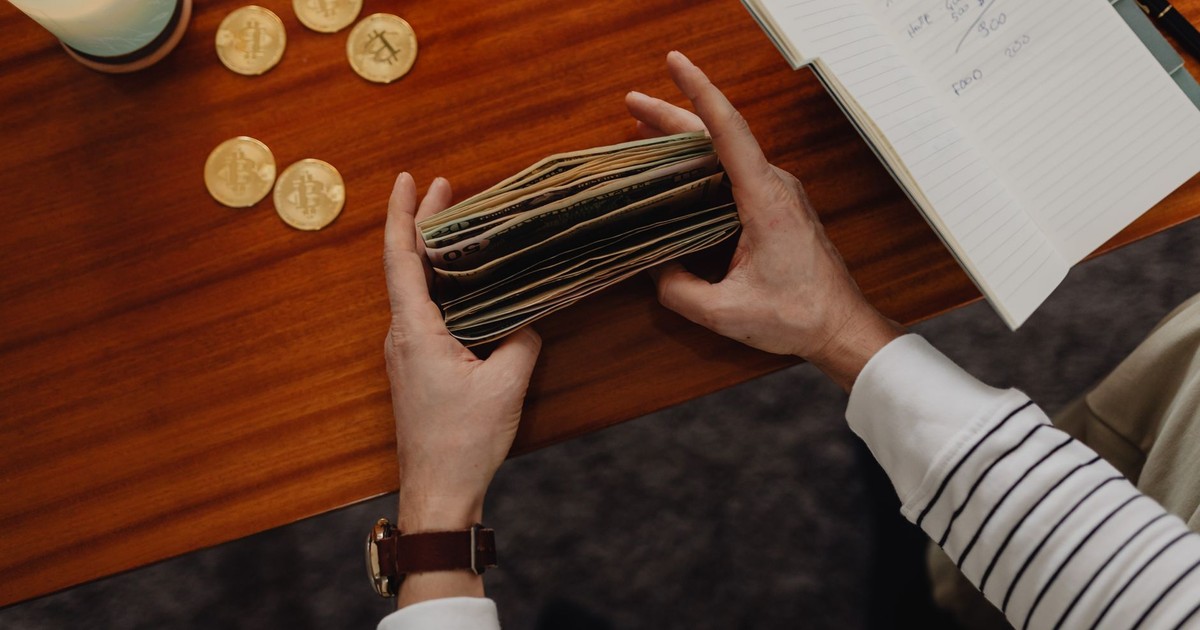
Cash is king at flea markets, and small bills matter. Keep small bills in different locations – jeans pockets, wallet, bag – and don’t pull out a large stack of twenties in front of the vendor. Cash does something that a credit card tap cannot: it makes the transaction feel final, immediate, and real for both parties. Vendors who might hesitate on a card payment will often agree to a cash price they wouldn’t extend otherwise.
That awkward moment when you’ve bargained your way to a number and then can’t produce it cleanly is avoidable. Flashing a thick wallet before a negotiation tells the vendor you have room to spend. You want them to believe the number you’re offering is the number you have.
A reasonable cash budget for a dedicated flea market day varies wildly depending on what you’re hunting, but the principle of dividing it into smaller denominations applies regardless. Twenties for larger purchases, fives and tens for smaller pieces you want to bundle. If you’re planning to negotiate multiple items from the same vendor – which is one of the better strategies at a market, since bundling almost always results in a better per-item price – having the right bills ready makes the whole exchange feel easier and less fraught for everyone involved.
4. Learn How to Negotiate Without Making It Uncomfortable

Negotiation at a flea market is not a confrontation. It’s a conversation, and the vendors you’re talking to have had this conversation hundreds of times. They are not offended by a reasonable counter-offer. At most antiques fairs and flea markets, negotiating is expected rather than exceptional, and dealers typically price their stock with room to move – many are genuinely surprised when buyers pay the asking price without question.
A small number of dealers do operate on fixed prices, often indicated by signage or a firm early response, and those signals are worth reading. But in the absence of any such cue, asking politely whether there’s any flexibility is entirely normal. The simplest version of this – “Is there any flexibility on the price?” – is so easy and so universally effective that there’s almost no reason not to say it every single time. The answer will either be yes, no, or something in between. None of those outcomes is a disaster.
A reduction of ten to twenty percent is a reasonable starting point in most situations, and end-of-day buying, bundling multiple pieces, or demonstrating genuine knowledge of an object can sometimes move that further. Vendors consistently offer better per-item pricing when you commit to multiple purchases, since moving three items in one transaction beats haggling over three separate small discounts. The end-of-day angle is particularly worth knowing: late in the day tends to work in a buyer’s favor at general markets and car-boot sales, when vendors are weighing up whether to haul unsold stock home. A vendor who would have held firm at noon will sometimes take $40 on a $60 piece at 4 p.m. rather than pack it back into the truck. Time pressure is real on both sides of the table.
5. Build Relationships With Vendors – It Pays Off Long-Term
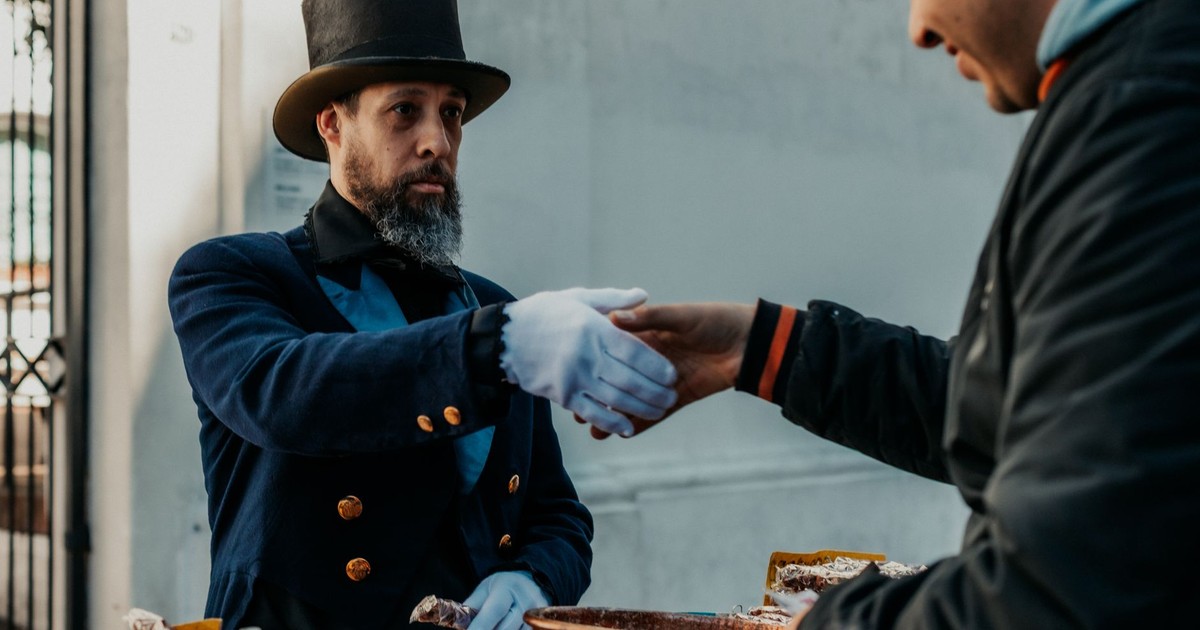
The shoppers who consistently find the best pieces at flea markets are not always the sharpest hagglers or the most knowledgeable about antiques. They are often simply the most recognized faces. Vendors remember kind customers, and regulars who build rapport get better deals than newcomers who lowball aggressively without conversation.
A vendor who knows you collects Depression glass will put a piece aside for you before it reaches the table. One who remembers you from last month’s market will mention that they have a box of ceramics in the car they haven’t unpacked yet. They’ll call you when something comes in that matches what you’ve told them you’re looking for. The vintage items that never make it to the general browsing floor are the ones that go to the people the vendor already trusts, as Secret Life of Mom notes.
Building these relationships doesn’t require anything elaborate. It requires consistent attendance, genuine interest in the things vendors are selling, remembering details from previous conversations, and basic decency even when a price doesn’t work for you. The flea market world is smaller than it looks. The same vendors rotate through the same circuits – regional shows, monthly markets, seasonal fairs. Being known as someone who’s pleasant to deal with is a competitive advantage that compounds across years of shopping.
The Best Flea Market Tips Are the Ones You Use Every Time
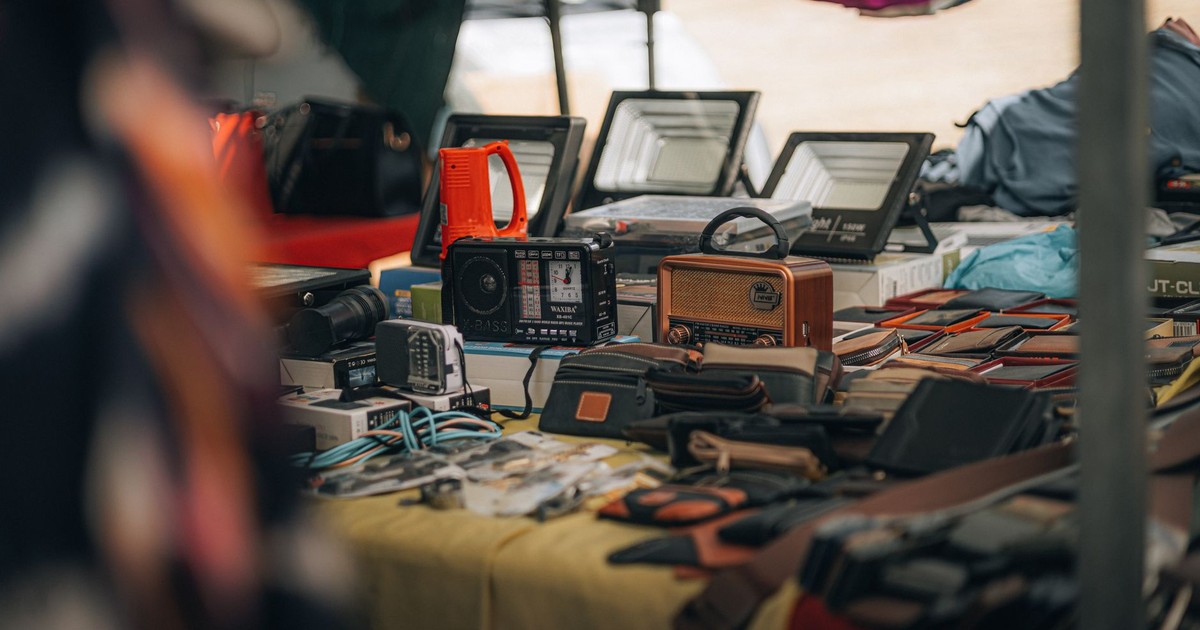
None of these strategies are complicated, and none of them require expertise you don’t already have access to. What they require is a shift in how you think about the market before you walk through it – as a place with its own logic, its own timing, and its own social fabric, rather than simply a field full of stuff with price tags on it.
The people who leave with the best pieces are not necessarily the ones who arrived with the most money or the most knowledge, though both help. They’re the ones who came prepared, moved with intention, negotiated without aggression, and treated the whole thing as a long game rather than a one-day transaction. You will not score something extraordinary every time you go. But the days you do will start to look less like luck and more like a pattern – because they will be.
Disclaimer: This information is not intended to be a substitute for professional medical advice, diagnosis, or treatment and is for information only. Always seek the advice of your physician or another qualified health provider with any questions about your medical condition and/or current medication. Do not disregard professional medical advice or delay seeking advice or treatment because of something you have read here.
AI Disclaimer: This article was created with the assistance of AI tools and reviewed by a human editor.