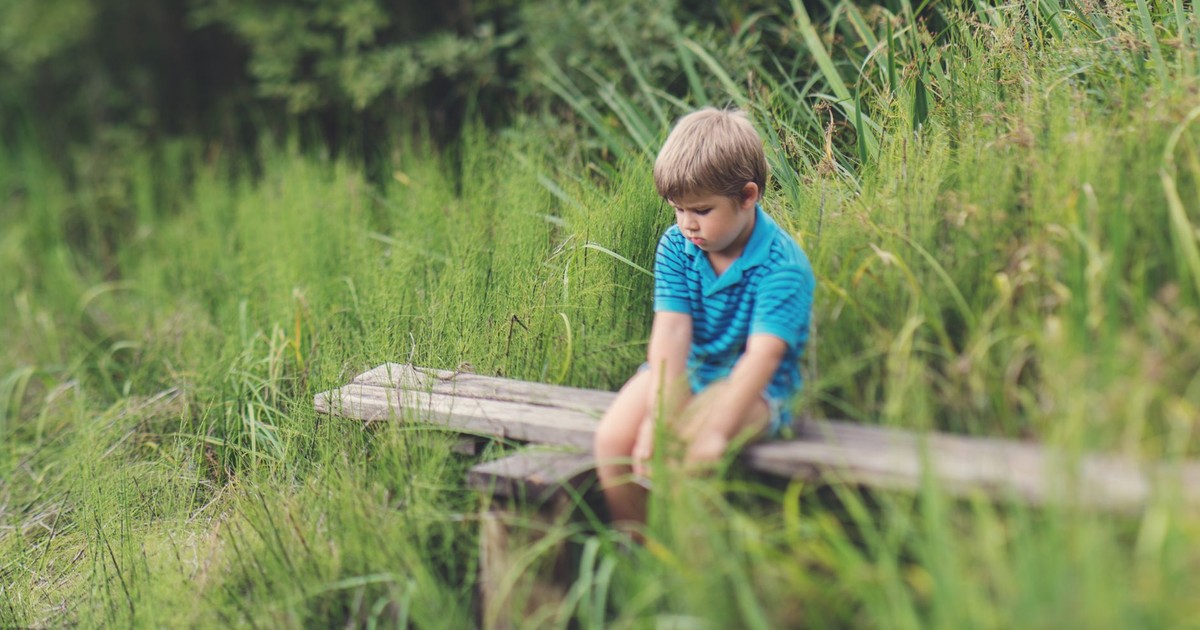

Every debate about family size eventually arrives at the only child. Parents quietly wonder if one is enough. Adult singletons roll their eyes at the “aren’t you lonely?” questions they’ve fielded since the third grade. And somewhere in between all of that, there’s a real, complicated experience that gets flattened the moment anyone tries to summarize it in a sentence.
The only child pros and cons conversation has been running for over a century, and for most of that time it has been dominated by a stereotype that modern research has largely dismantled. In the late nineteenth century, psychologist E.W. Bohannon surveyed people about “the peculiarities of only children,” and the overwhelming majority described only children as excessively spoiled. His colleagues agreed, and the idea never really left. Decades of parenting culture absorbed that verdict without question. The spoiled, lonely, socially stunted singleton became received wisdom.
Of households with children in European Union countries, 49% now have just one child, which means a lot of families are living inside an experience that is still being mischaracterized. What follows is an honest accounting: ten things that genuinely are hard about growing up without siblings, and ten ways it is quietly one of the best possible configurations a childhood can take. Both lists are real. You don’t have to choose.
1. You Are the Entire Audience for Your Parents’ Hopes
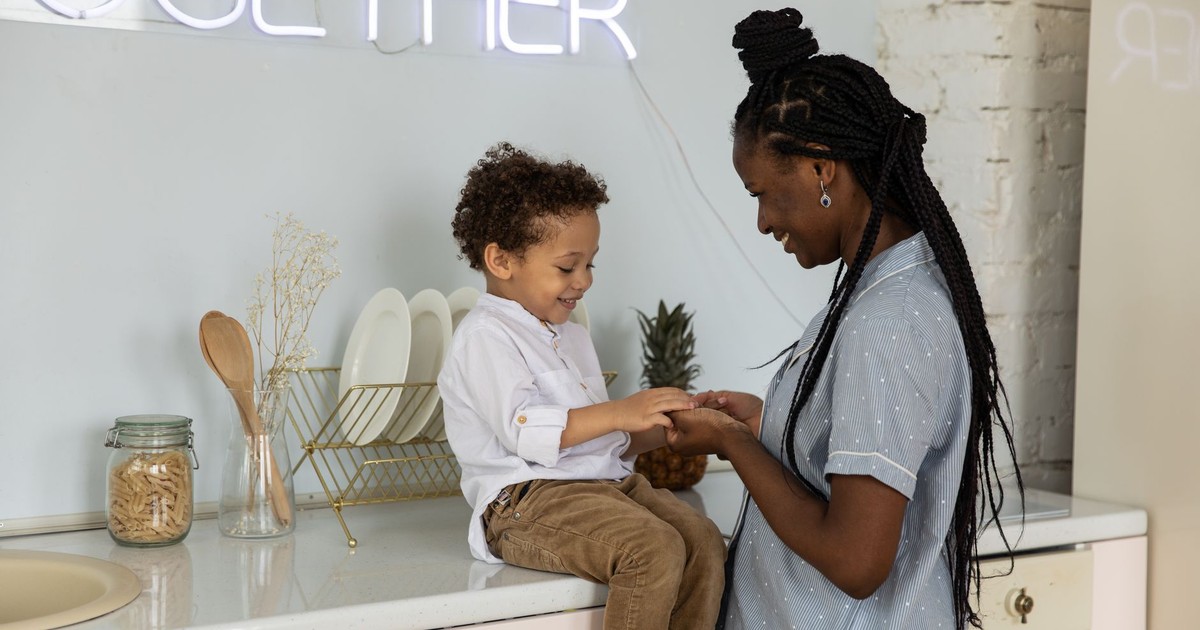
When there is only one child in a family, every parental aspiration, every unspoken ambition, every fear about legacy rests squarely on one set of shoulders. Every parental hope for academic success, social achievement, career accomplishment, grandchildren, and family legacy concentrates on one person. There’s no backup child if this one doesn’t meet expectations, and no sibling to take pressure off by being “the successful one” or “the problem child.”
This isn’t about parents being unreasonable (most of them aren’t, consciously) but the math is unforgiving. The only child can’t diffuse a disappointed parent’s attention by pointing at a sibling who just failed an exam. Only children also report higher perfectionism and anxiety about disappointing parents. Achievement and anxiety often arrive as a package deal.
The weight of this tends to intensify around major life milestones. Graduating, choosing a career, deciding whether to marry or have children of your own, each decision arrives carrying the full attention of two people who have been watching only you since the beginning. That’s love, but it’s a particular kind of pressure too.
2. Every Holiday Disagreement Has Only One Child to Blame
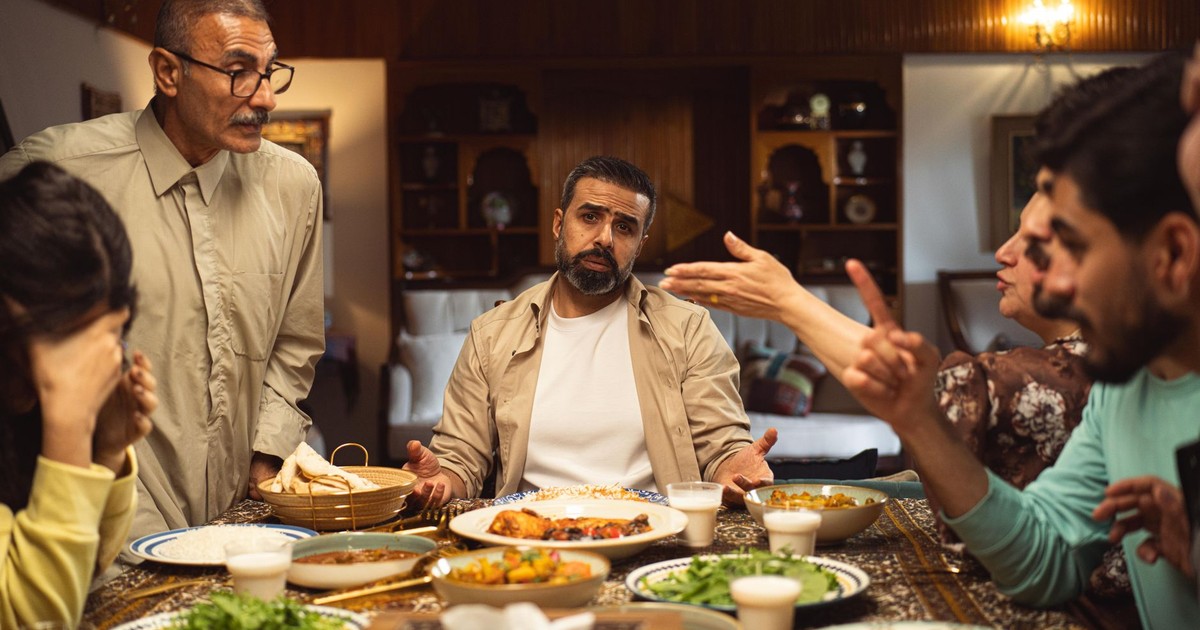
In a multi-child family, parental disappointment about Christmas plans, Thanksgiving attendance, or who called last week gets spread across several people. With an only child, there is no distribution of fault. If you can’t make it home for the holiday, you’re not the child who couldn’t make it, you’re the only child who didn’t come home.
The guilt trips are mathematically more concentrated. Other adult children can sometimes take turns absorbing family guilt; only children absorb it at full strength, every time. It’s the phone call that starts with “I don’t want to make you feel bad, but..” and ends thirty-five minutes later with you feeling extraordinarily bad.
Anyone who grew up without siblings knows exactly what this feels like in their body: the particular combination of love and obligation that only children carry into adulthood, undiluted.
3. Conflict Resolution Was Never Really Taught

Growing up with siblings is, among other things, an unscheduled daily class in negotiation. You fight over the remote, you argue about who ate the last of the cereal, you learn through experience that sometimes you lose and the world doesn’t end. Only children grow up without that repeated low-stakes practice.
The absence of sibling interaction at home may influence conflict resolution skills and resilience to peer challenges. This doesn’t mean only children can’t handle conflict (many handle it exceptionally well) but the skill often has to be learned later, in more consequential settings like workplaces and romantic relationships, rather than in the low-stakes arena of childhood squabbles.
The flip side that no one mentions: only children also miss years of being on the receiving end of petty cruelty from someone who knows exactly which buttons to press. The sibling experience is not universally enriching in that regard.
4. Carrying Your Parents’ Old Age Alone

This one isn’t a quirk or a personality trait. Research from the Gerontological Society of America (2025) suggests that adult only children may be at elevated risk of financial difficulties and the emotional consequences of parental care provision, and informal support may be less protective for their well-being.
A study of only child cohorts in the United Kingdom, cited in the APA Monitor (2024), found that only children were more likely to provide care to their aging parents in middle adulthood, including the combined responsibilities of power of attorney, tax preparation, and physical caregiving. As demographer Alice Goisis at University College London put it, “what in earlier life was a resource can potentially become a disadvantage later in life.”
There’s no one to call and say: “I think Mom needs more help than she’s letting on. Can you go check on her?” There’s no sibling to split the overnight caregiving duties, share the financial decisions, or simply sit with you afterward. You make every call. You carry every bill. You are the committee of one.
5. The “Spoiled” Label Follows You Everywhere

The stereotype became cultural common knowledge: only children are selfish, can’t share, have poor social skills, are lonely, and struggle with relationships. Except research shows it’s basically all wrong. That doesn’t stop people from raising their eyebrows the moment they find out you’re an only child. You’ve watched the calculation happen in real time, the small recalibration in how someone looks at you after you mention it.
The “spoiled” assumption sticks because it feels intuitive. More resources, undivided attention, no competition for toys, it sounds like indulgence. What it actually produces, according to the current body of research, is something quite different. But you’ll still spend a portion of your adult life gently correcting people who think they know you before they do.
What’s particularly frustrating is that the same circumstances get read differently depending on the audience. A child who grew up with an engaged, attentive parent is “coddled.” A child who grew up learning to entertain herself for hours is “only-child weird.” There’s almost no way to win the framing.
6. Silence Gets Loud in a Way That’s Hard to Explain

A house with siblings is rarely quiet in the evenings. There’s always someone around, to fight with, to watch TV next to, to absorb the ambient noise of another person existing. Only children grow up in a different register entirely, and that particular silence can follow them into adulthood.
It’s not loneliness, exactly (most only children are good at being alone in a way that people with siblings genuinely envy). But there’s a specific kind of quiet that can descend on a childhood bedroom when both parents are working late, and you’re eight years old, and there is simply nobody. Many only children describe learning early to be their own company, which is genuinely a skill. It’s also, occasionally, exhausting.
Research shows only children are more likely to develop imaginary friends in preschool years, and this is adaptive rather than concerning. Creative play with imaginary companions actually promotes social development and communication skills. Which is true. It’s also a remarkably poignant image.
7. You Never Had a Built-In Witness
Siblings share a specific archive. They remember the same Christmas mornings, the same version of a parent’s laugh, the same wallpaper in the hallway. They can confirm that the strange thing that happened at Easter actually happened the way you remember it. Only children have no one to call when they need someone to say: yes, that was real, I was there too.
This becomes more acute as parents age and memories become less reliable. The only child is often the sole custodian of her own childhood, with no one to cross-reference against. Family stories live or die with a single narrator, and that narrator has no backup.
It’s a strange and specific kind of aloneness, not the every-Tuesday kind, but the 2 a.m. “what actually happened in that house” kind. Anyone who has tried to piece together a difficult childhood without a sibling to compare notes with will recognize this immediately.
8. You Get Every Question at the Family Table
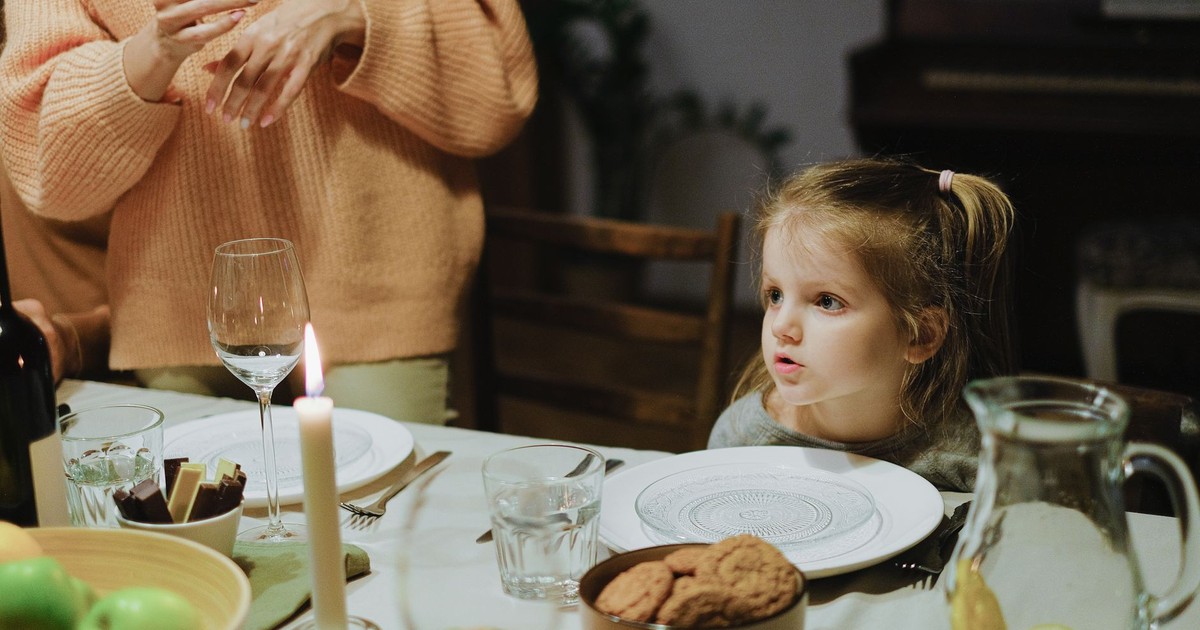
When adults want to know why a generation is making the choices it’s making, who eats organic, who voted how, who decided not to have children, they ask the only child, because she is the only child. There is no redirecting the question to a sibling. The interrogation is yours.
This applies to smaller moments too. The annual phone call from the aunt who wants to know your salary. The grandfather who asks about your love life at every single meal. When you’re the only child at the table, you’re also the only possible answer to every question that gets raised. There is no cousin over there doing something more interesting to redirect the conversation.
Most only children develop a practiced repertoire of deflections. This is, arguably, an elite social skill, but it would be nice to have learned it under slightly less personal duress.
9. The Comparison You Can’t Win
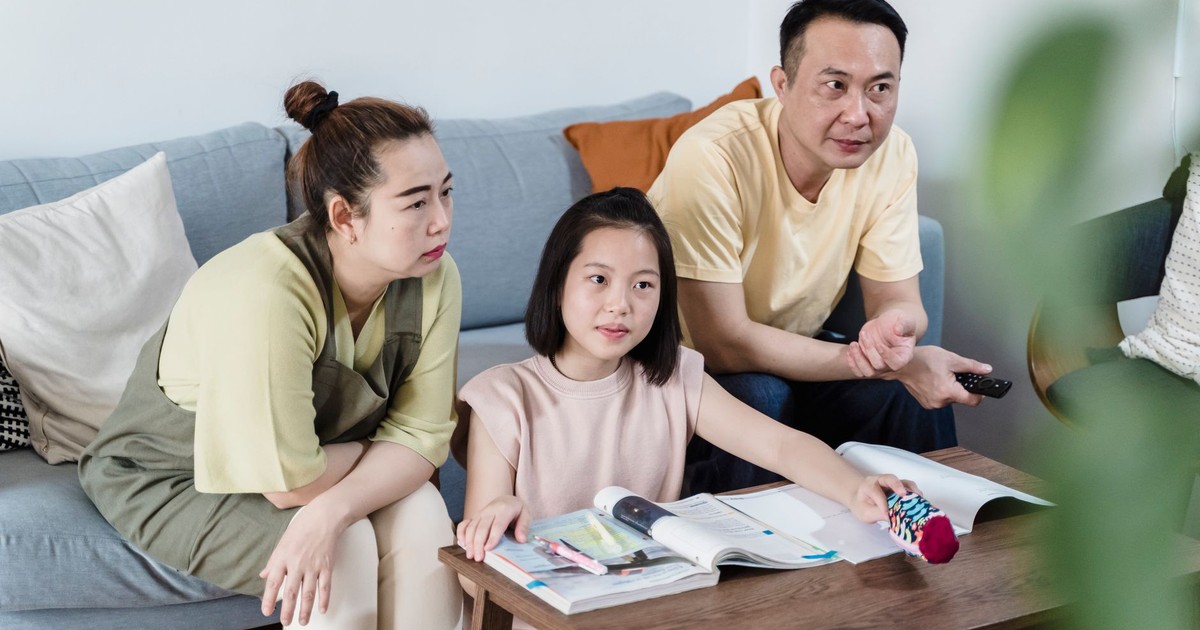
Only children are compared, constantly, not to a sibling but to an imaginary ideal. Without a real brother or sister to demonstrate that children are chaotic and variable, parents sometimes measure their only child against an abstraction: what a child that age should be doing, what a child with these opportunities should be achieving, what a child in this family is expected to become.
In contemporary society, only children might feel heightened pressure to excel, as their achievements are often viewed as a direct reflection of their parents’ investment. A mediocre report card in a family of four gets distributed across multiple children. In a family of one, it is the report card. The family’s entire parenting project, in one grade.
This can produce extraordinary high-achievers. It can also produce adults who are very, very good at appearing competent while quietly running on fumes, because the habit of performing for an audience of two starts early and runs deep.
10. Adult Holidays Require a Lot of Choreography

Every major holiday, every family event, every parents’ anniversary falls to the only child to organize, attend, and navigate, with no one to coordinate with, no one to split driving duties with, and no one to blame afterward when the seating arrangement causes a scene. It is one of the most underappreciated logistical realities of the only child life in adulthood.
If you’re in a relationship, you also have to square your mandatory attendance at every family event with a partner who has their own family, their own holidays, their own obligations. Only children don’t get to say “my sister is handling Christmas this year.” Christmas is your year. Every year.
This is the kind of practical consequence of the only child life that rarely makes it into the discourse, but anyone managing it in real time knows exactly how much invisible labor it involves. And if you’re doing all of this without siblings to share the load, you already know the calculation never comes out even.
Now for the other side of the ledger.
11. You Got the Full Financial Investment
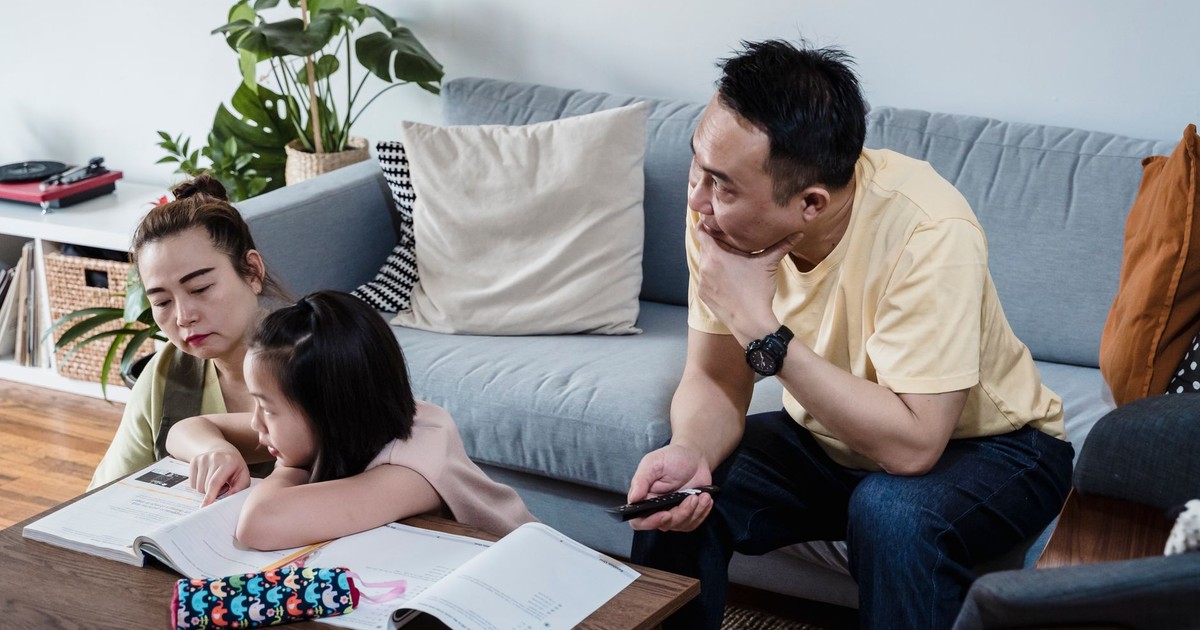
The economics of one-child families are not subtle. When parents aren’t dividing resources across multiple children, what exists goes further: music lessons that actually continue past the beginner recital, the sports team with the travel schedule, the college fund that didn’t have to be split three ways. Early research demonstrated that only children often reap the benefits of concentrated parental investment, leading to strengths in academic self-efficacy, language development, and confidence in social contexts.
This isn’t about wealth. It applies at every income level: the family that can afford one set of after-school activities instead of three, the parent who has time to attend every school play because there’s only one child’s school play to attend. The investment doesn’t have to be financial to be real. Time is also a resource, and only children receive an outsize share of it.
The gains from that investment are measurable across education, language development, and self-confidence, which is not to say children with siblings are disadvantaged. They gain plenty that only children don’t. But the resource concentration is real, and pretending otherwise is just politeness.
12. You Learned to Be Alone Without Being Lonely

There is a skill (and it genuinely is a skill) of being comfortable in your own company. Not just tolerating solitude, but being capable of filling it. Only children, by circumstance, develop this early. When there is no sibling to entertain or be entertained by, you find your own resources. You learn what you actually like, separate from what someone else wants to do.
This transfers directly into adulthood in ways that are hard to overstate. Only children tend to be comfortable reading alone at a restaurant, spending a weekend without social plans, working independently without needing constant input. They have a relationship with solitude that people with siblings sometimes have to work decades to build.
In a culture that often confuses being alone with being lonely, this is not a small thing. The capacity to be genuinely okay in your own company, not white-knuckling through it, but actually at ease, is an underrated life advantage.
13. Your Relationship With Your Parents Is Genuinely Close
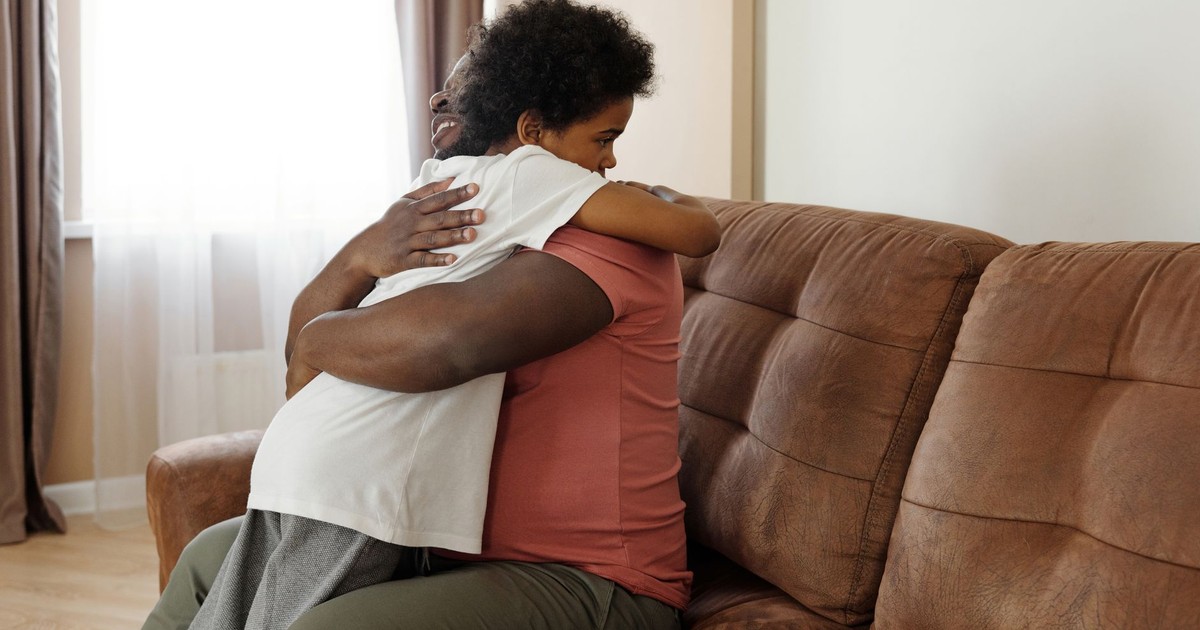
The intensity of the only-child-parent relationship has a downside (see items one through ten), but it also produces something that is hard to replicate in larger families: a real, adult relationship with your parents built early. Only children show no significant personality differences from children with siblings except one: they have stronger bonds with their parents.
That bond is built partly because only children spend more time in adult conversation. They’re at the dinner table when the grown-up topics come up. They travel with their parents as something closer to a companion than a passenger. They are treated, often from a surprisingly young age, as someone whose opinion in the room matters.
The adult friendships that some only children describe with their parents (being able to call a parent and talk about something real, not just checking the duty-call box) are a direct product of that early investment in treating a child like a full person. It doesn’t happen in every only-child family, but when it does, it’s genuinely worth having.
14. No One Has Your Dirt
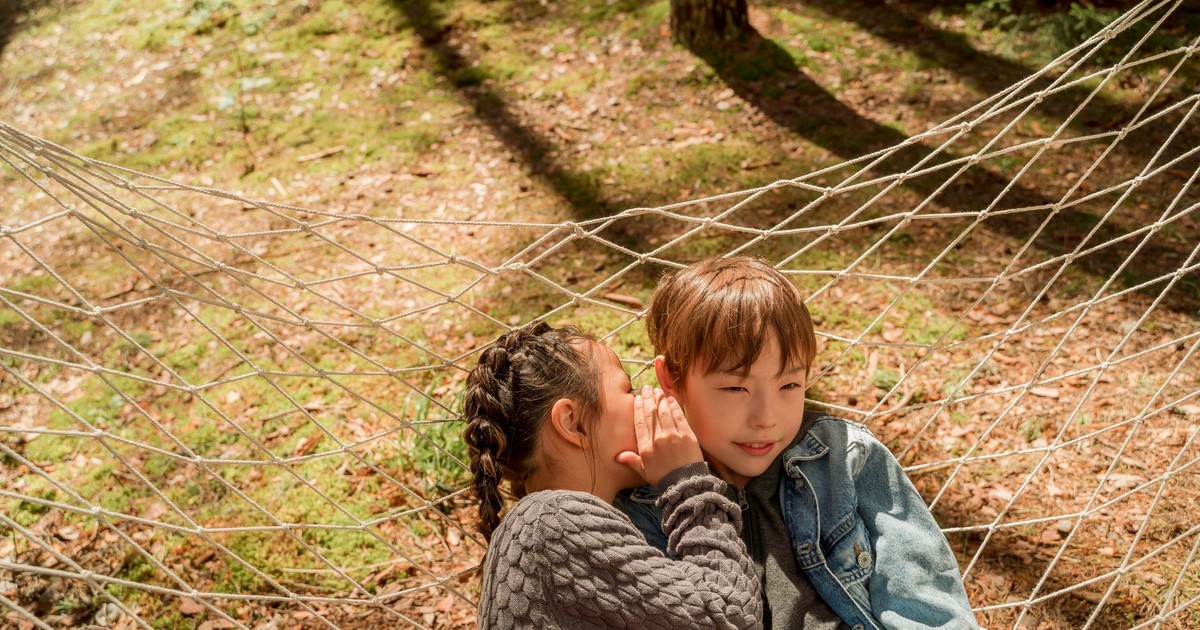
Every adult who grew up with siblings has a version of this: the sibling who brings up something embarrassing at Christmas, the brother who knows about the terrible boyfriend from 2007 and occasionally references him, the sister who watched you fail your driving test three times and has never forgotten. The family archive of your worst moments is shared.
Only children escape this entirely. Nobody at the table watched you go through your difficult phase. Nobody knows about the experiment you ran in middle school or the year you were briefly obsessed with something deeply uncool. Your parents know, but parents file that information differently. They tend to remember it as charming rather than weaponizable.
This is a freedom that is difficult to communicate to someone who has spent forty years as the younger sibling of a person with an excellent memory and no impulse control.
15. Creativity Gets Room to Develop
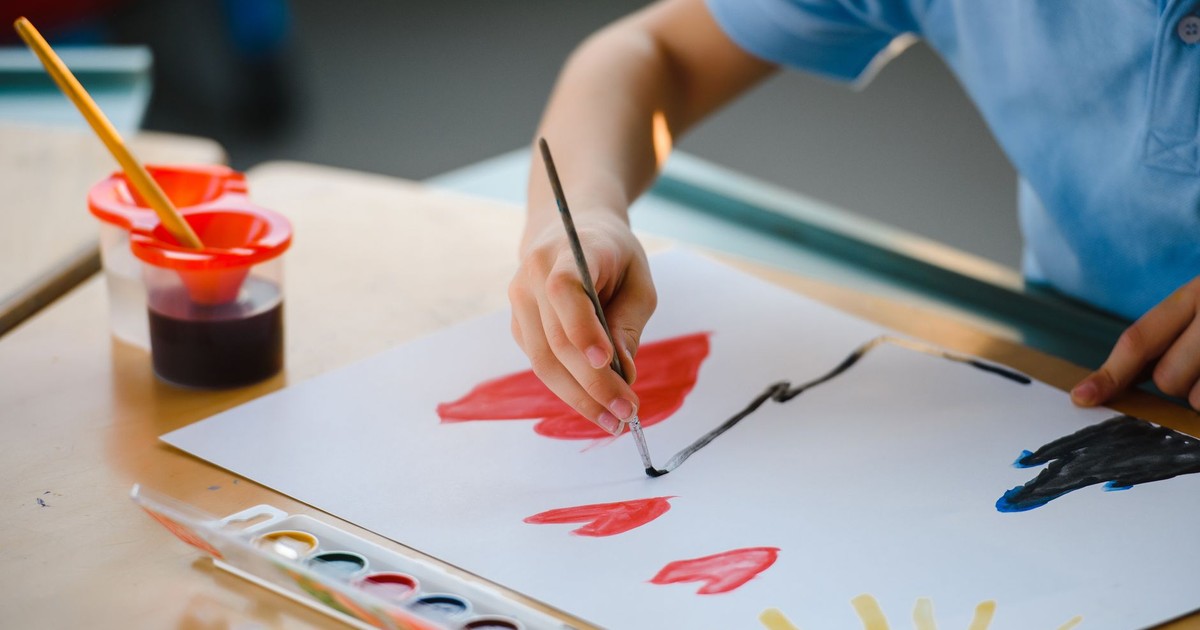
Growing up without siblings means growing up without a predetermined playmate. You have to build the games yourself. You fill your own time. You develop internal resources that are, it turns out, genuinely associated with creative flexibility. A 2016 study that examined differences in creativity between only children and those with siblings found few differences overall, but only children did have a higher flexibility score, one of the key markers of creativity.
This makes intuitive sense. Boredom that can’t be resolved by recruiting a sibling has to be resolved through imagination. Only children develop that muscle early, and it tends to remain strong. The kid who spent years inventing elaborate solo games is often the adult who can walk into an unfamiliar project and find a way through it without needing a group to validate the direction.
None of this means children with siblings aren’t creative. Sibling play produces its own forms of creative collaboration. But the particular kind of creativity that comes from having to entertain yourself is a specific and durable thing.
16. The “Spoiled” Stereotype Is Actually Wrong

This one is worth saying outright, because the research is consistent and the cultural assumption keeps running ahead of it. A 2024 study published in Humanities and Social Sciences Communications using data from the National Children’s Study of China found that only children tend to show more prosocial tendencies than their counterparts with siblings, particularly in altruistic behavior. The findings suggest that only children perceive more positive parenting styles, challenging the stereotype that only children are more selfish.
Being the recipient of undivided parental attention doesn’t produce self-centeredness at the rates the stereotype predicts. What it more often produces is a child who has internalized their parents’ values deeply, because there was no sibling dynamic to dilute or redirect that transmission. That can go wrong in various ways, but selfishness isn’t the primary risk.
The assumption is so entrenched that it barely registers as an assumption anymore, it just feels like a fact. It isn’t. Only children spend a significant portion of their lives disproving it in real time, which is its own peculiar tax.
17. Your Space Is Actually Your Space
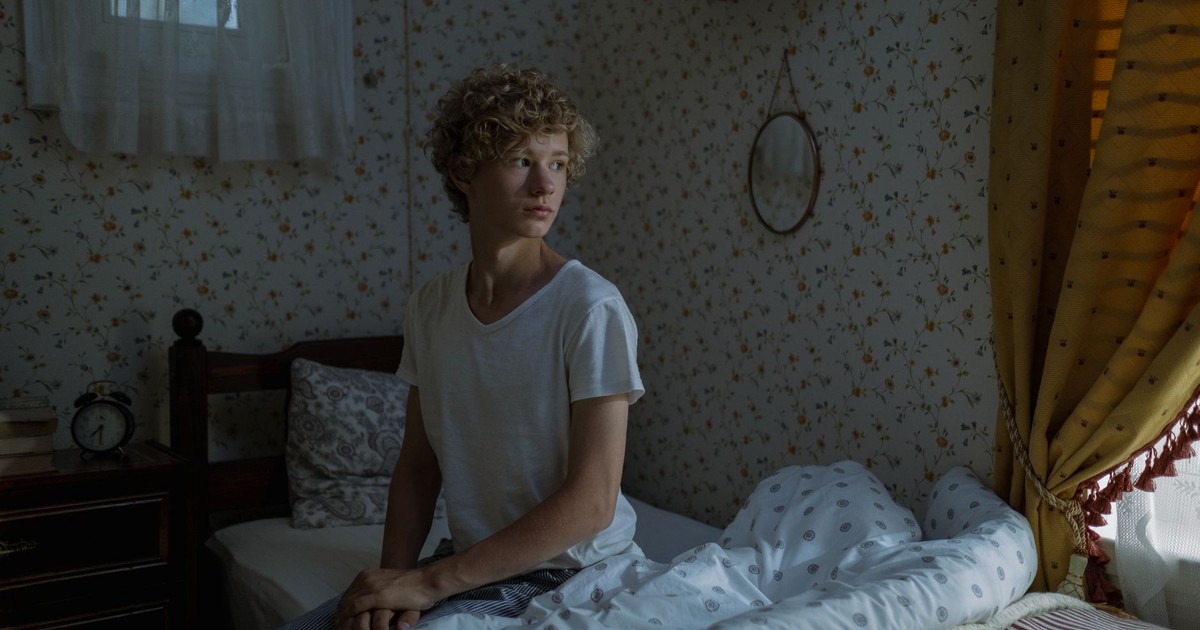
You had a bedroom. Not a bedroom you shared. Not a bedroom where someone borrowed your things without asking and left them somewhere inexplicable. A room that was arranged how you wanted it, where your belongings stayed where you put them, where you could close the door and have it still be closed when you came back.
This sounds minor. It is not minor. The ability to have physical space that you control, a place where your things are yours and your privacy is uncontested, shapes a person’s relationship with privacy and autonomy in ways that persist into adulthood. Only children tend to be clear about what belongs to them and what belongs to others, in the best possible interpretation of that sentence.
They also, generally, make excellent roommates, because they chose to have another person in their space, rather than having the choice made for them. The decision was voluntary, which changes everything.
18. You Speak Adult Fluently
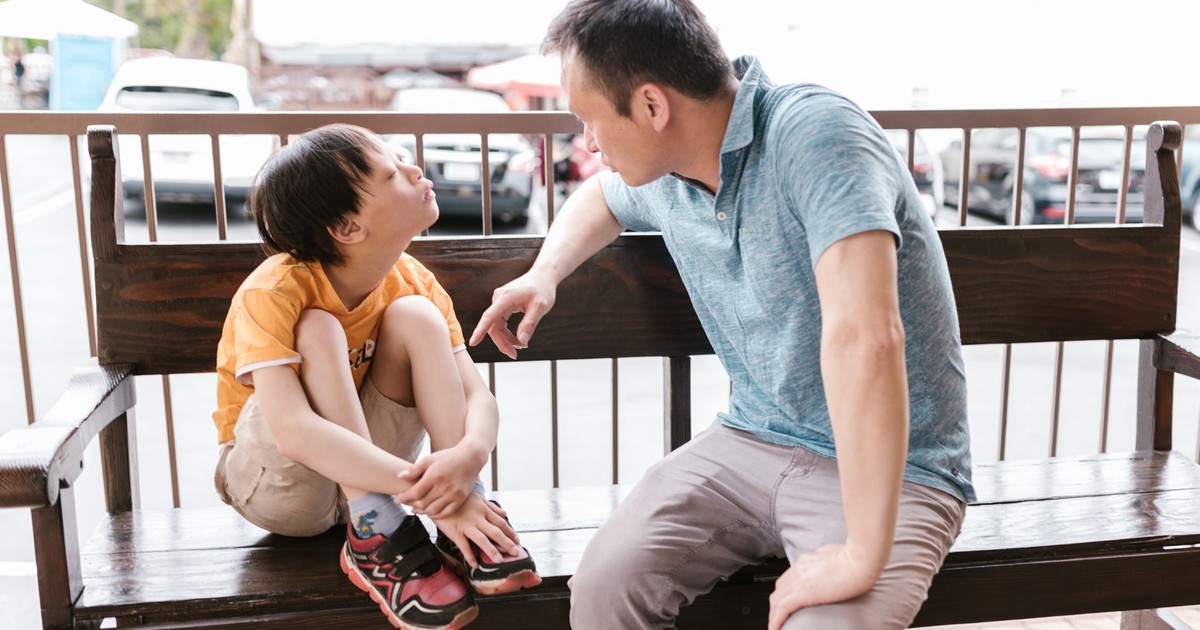
Research shows only children often develop what psychologists call “precocious interests”: adult-oriented hobbies, conversations, and perspectives that develop from spending more time with adults than peers. This is sometimes framed as a drawback (the child who is too serious, too comfortable with grown-up topics), but the asset it produces in adulthood is significant.
Only children are typically comfortable in professional settings that other people find intimidating. They can talk to their boss’s boss without scripting it first. They navigate generational differences in conversation without freezing. They were, quite literally, practicing this their whole lives, not because they were trying to grow up fast, but because the adults around them were their primary social environment, and they adapted.
The kid who sat at the adult table at Thanksgiving, following the conversation without blinking, is often the professional who reads the room faster than anyone else in the meeting.
19. The Family Narrative Is Yours to Shape

In multi-sibling families, the story of the family is contested terrain. One sibling experienced it one way, another remembers it completely differently, a third has built an identity around a version that no one else recognizes. The family mythology gets argued over, revised, and litigated at every reunion.
Only children inherit the family story without that negotiation. There’s no one to dispute how you remember a childhood vacation or what your parents were like in the years before you could fully articulate it. You are, for better or worse, the archivist. The family’s story is yours to interpret, hold, and pass on. That’s a responsibility, but it’s also a kind of custody that has real value.
Having cousins can be especially welcome for an only child. They get the joys of sibling-adjacent connection with the benefit of fewer fights. But the core family story still belongs to one narrator, and that narrator has significant latitude about how it gets told.
20. You Know Yourself Unusually Well
Ask most only children what they actually enjoy (not what they’d do to accommodate someone else, not what they picked because it was the only option left, but what they genuinely want) and they usually know the answer quickly. Growing up without siblings means growing up without constantly negotiating your preferences against someone else’s. You find out early what you like, because there’s no one to override it.
Research has found that, after balancing for demographic variables, only children exhibited superior linguistic performance, more positive peer relationships, and stronger emotional regulation. The internal life developed in solitude (working through things alone, understanding your own responses, knowing your own patterns) produces a self-awareness that is documented in research and visible in practice.
That self-knowledge doesn’t mean only children are always right about themselves. Nobody is. But the groundwork for understanding your own wants, limits, and instincts tends to be laid early, and it tends to hold.
Both Things, All at Once

The only child pros and cons debate tends to get flattened into two camps: people who think one child is ideal and people who find it vaguely sad. Neither camp is spending much time with the actual experience. The reality is that growing up without siblings produces specific and durable qualities, some of them genuinely difficult, some genuinely enviable, most of them both at once depending on the day.
Most Americans still think the ideal family has more than one child, and in a series of Gallup polls conducted in 2023, 44% of U.S. adults said two children is best while 45% said three or more is ideal. Only children are aware of this cultural consensus. They’ve heard it at school, at family gatherings, from strangers who ask if they’re lonely. The question itself tells them what the asker already assumes.
What those polls don’t capture is the adult who knows exactly what she wants out of a Saturday because she spent years figuring it out alone. Or the person who answers her parents’ medical calls without flinching because there’s no one else to do it, and she’s known that since she was a teenager. Or the one who will never have someone to text after the funeral who actually knew the person the same way she did. The only child experience holds all of that simultaneously: the strength, the weight, and the long stretches of quiet that shaped both.
AI Disclaimer: This article was created with the assistance of AI tools and reviewed by a human editor.