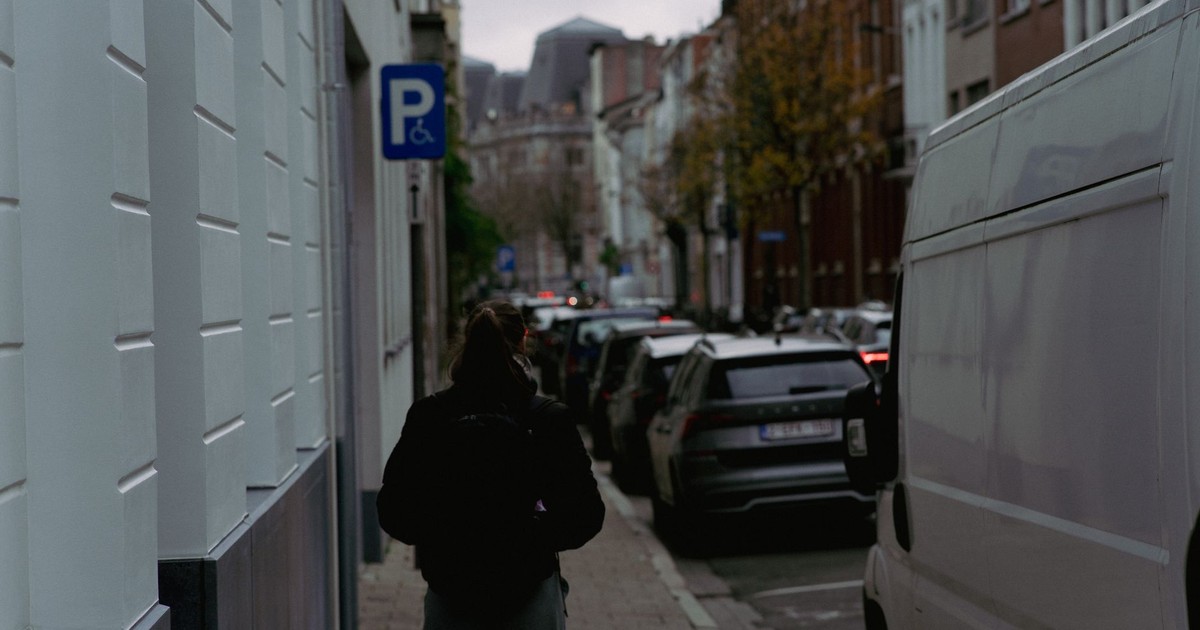

Every time you pull nose-first into a parking space, you are setting yourself up for the more dangerous half of the maneuver and leaving it for later, when the lot is busier, your attention is split between groceries and a kid in the backseat, and you have almost no idea what is rolling past behind you. Backing into parking spots is one of the simplest, most underused safety decisions a driver can make, and the evidence for it is far stronger than the mild inconvenience it costs you on the way in.
This is the position of traffic safety professionals, major safety organizations, and a retired Secret Service agent whose Instagram video on the subject went viral this year. When someone who spent a career protecting other humans from unpredictable threats tells you he always backs into parking spots, that’s probably worth a minute of your time.
The argument is straightforward, but the data behind it is striking.
The Numbers That Should Make You Reconsider Your Parking Habits

One in five car crashes occurs in parking lots and garages, according to data from the National Safety Council. A significant portion of every fender bender, every injured pedestrian, every insurance claim you’ve ever filed or heard about happened somewhere between a Target and a Chipotle, at speeds that felt totally manageable at the time.
The National Safety Council reports that approximately 60,000 people are injured in parking lot accidents each year, and more than 500 people die in them annually. Five hundred deaths. In parking lots. The places where we are moving at 5 to 10 miles per hour and arguably paying the least attention because nothing about the situation reads as dangerous.
According to the American Automobile Association, backing up is a leading cause of parking lot incidents. And yet, most of us park in a way that guarantees we will be the one reversing blind when we leave. If you’ve been brushing up on your dashboard alerts lately, the dashboard warning symbols guide is a useful companion to this.
NSC analysis of government data indicates that 9% of pedestrian deaths in parking lots result from backup incidents. That figure might sound small until you remember that we’re talking about preventable deaths in places where nobody expects to die.
The Visibility Problem Nobody Talks About
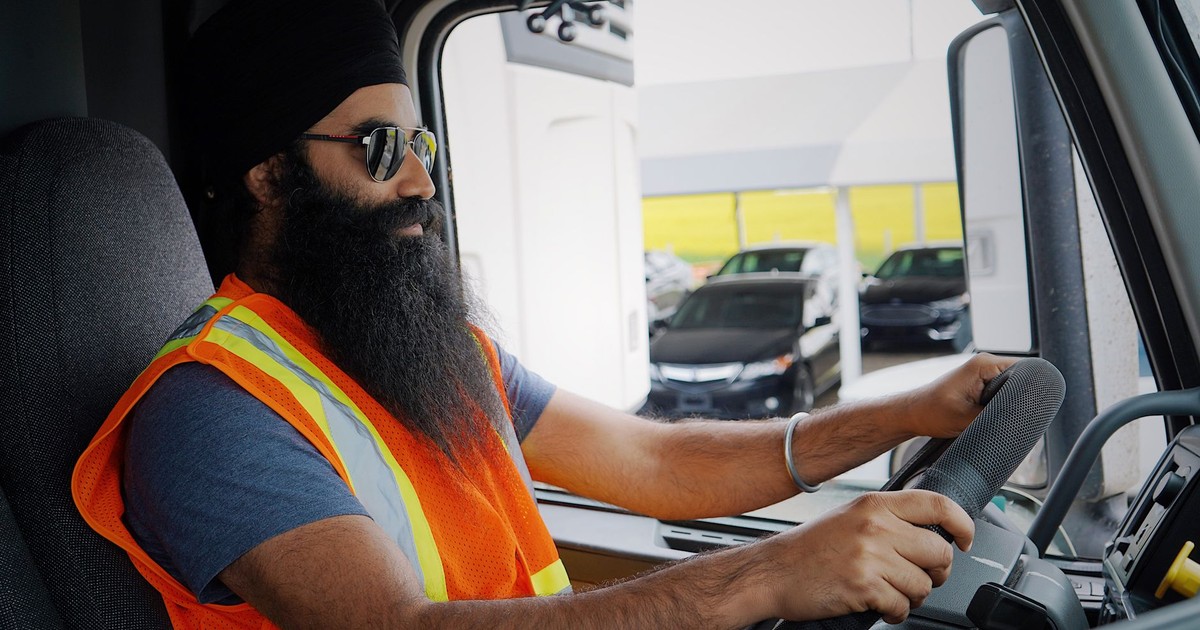
When you are reversing out of a forward-parked space, the cars on either side of you are sitting exactly where your mirrors can’t help you. The rear of your vehicle swings out into the traffic lane before your eyes have any meaningful view of what’s there. When backing out, multiple blind spots limit your vision and make it harder to see drivers waiting for your spot or coming down the aisle.
The geometry of it is not complicated. When a vehicle is parked nose-out, the driver pulls directly forward into the lane of travel, providing a vastly superior field of vision, and can see down the parking aisle sooner, giving more reaction time to cross-traffic, cyclists, or pedestrians.
When you back into parking spots instead, you do the harder maneuver first, under low-pressure conditions, and then leave facing forward with full visibility of everything in front of you. You have already done the blind part. What remains is the easy part.
Backing into a parking spot eliminates the blind-spot problem on departure, which is exactly why the practice is standard in security and law enforcement. Retired Secret Service agent Scott Bryson, who spent 25 years protecting five U.S. presidents before taking to social media to share everyday safety habits, frames it as a readiness posture: backing in means you can pull straight out when you need to leave quickly and cleanly, without having to navigate blind. Most of us are not in positions where a fast exit is a life-or-death matter. But the visibility advantage applies equally when you’re just trying not to back into a toddler in a cart corral.
The Backup Camera Isn’t Enough
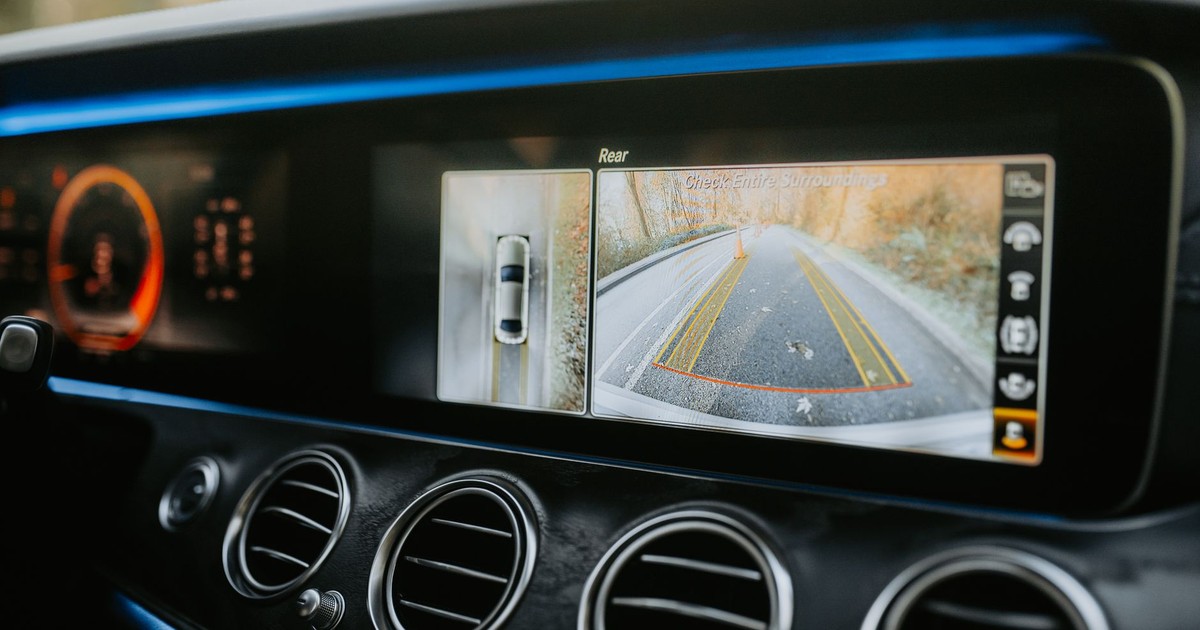
A lot of drivers reading this are already thinking: I have a backup camera. Problem solved.
Not quite. Many vehicles today are equipped with backup cameras, but that view may not be clear if the camera lens becomes obstructed. Rain, mud, a sticker from a car wash, a splash from a puddle – any of these can impair the view. Beyond that, backup cameras have a fixed angle. They show you what’s directly behind you at the moment you start reversing, not what’s approaching from the sides as your car swings out into the aisle.
The National Safety Council recommends conducting a 360-degree walk-around before backing up, looking over your shoulder, and using mirrors while reversing, rather than relying solely on technology. When you back into a space on arrival, you’re doing the blind maneuver in a relatively empty, slower-moving situation – not at departure time, when the lot is fuller, drivers are circling, and your attention has already moved on to whatever comes next.
The backup camera makes backing safer. It does not make backing out as safe as pulling out forward. Those are meaningfully different things.
The Objections, Addressed Honestly
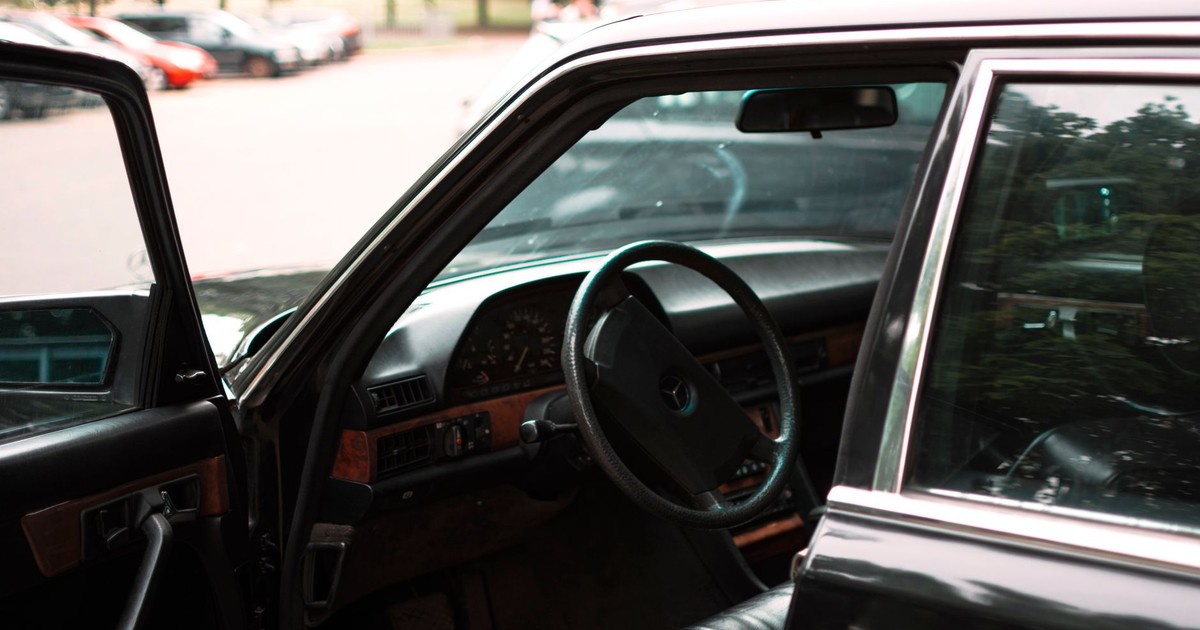
The most common pushback is that backing in takes longer. This is true in the narrowest sense. You will spend an extra 15 to 30 seconds on your initial maneuver. In exchange, you get a significantly safer and faster exit, and you contribute to a parking lot where other drivers can see your intentions more clearly because your front end – with its more prominent lighting – faces the aisle.
A traffic safety specialist at AAA Michigan acknowledged that backing in isn’t popular with every driver, likely because comfort level matters. Drivers who don’t practice a maneuver regularly find it uncomfortable. The first few times feel awkward. After a month, it’s automatic.
The second objection is that backing in can itself cause an accident during entry. This is theoretically possible. When it comes to backing into or out of a parking spot, backing up inherently carries increased risk. The real question is which direction is less dangerous. The answer, supported by the data, is that backing in on arrival – when you have time, lower-stakes conditions, and a relatively clear space – is the safer bet compared to backing out on departure into an active traffic lane.
Some lots genuinely don’t allow backing in, or the geometry makes it impractical. This is real. Do what the layout permits. But when you have a choice, the direction of your first maneuver determines the safety of your second.
What Fleet Managers Already Know
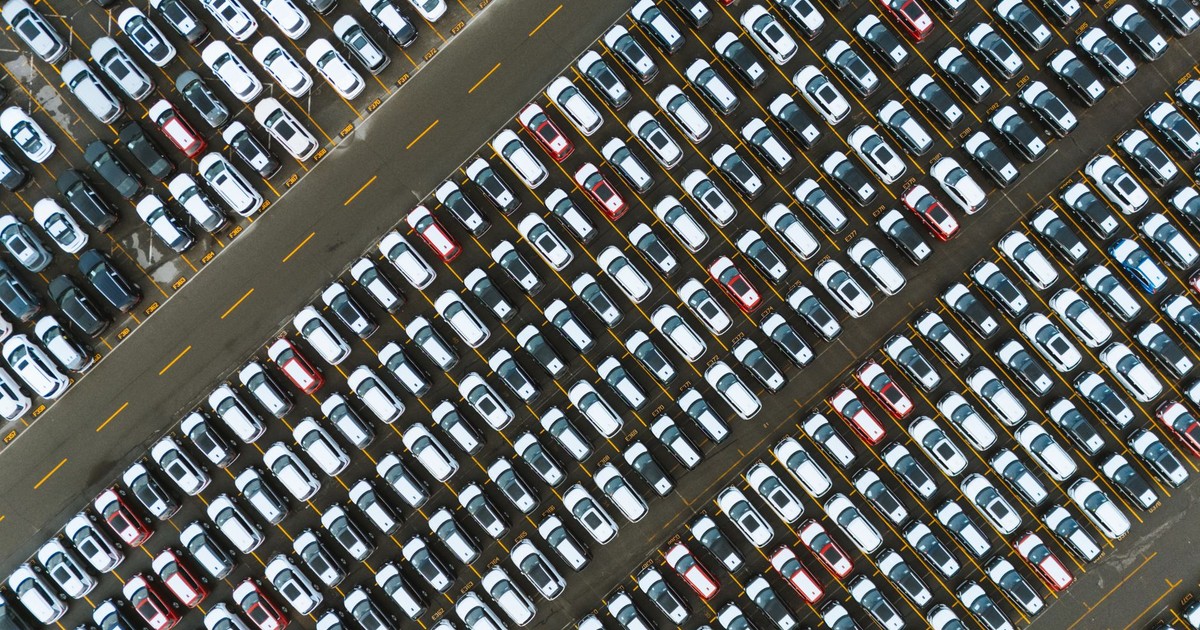
This is not a new idea. Industry data and fleet safety policies consistently favor backing into a spot to maximize driver awareness during the most hazardous part of the parking process. Companies that manage large vehicle fleets, from delivery services to government agencies, have required reverse parking for years. They do it because accidents cost money and because the data told them to. The Secret Service has followed similar protocols for obvious reasons.
The rest of us are just catching up, one viral Instagram video at a time.
The Habit That Costs You Thirty Seconds
Pull-forward parking feels intuitive because it’s what most drivers around you are doing, and the consequences are invisible right up until they aren’t. The statistics don’t make themselves felt in any individual moment – no alarm goes off when you reverse blind into a busy aisle, no dashboard light signals that you chose the riskier direction. The cost is probabilistic and distributed across thousands of parking lot exits, most of which go fine, until one doesn’t.
The decision to back into parking spots doesn’t require better technology, a safer car, or a different route home. It requires doing the less comfortable thing first, when there’s room for it, so that leaving is clean and visible and fast. Thirty seconds of mild awkwardness on arrival for a meaningfully clearer exit every single time.
Some safety advice is complicated. This one isn’t. Back in, drive out, see where you’re going. The data has been making this case for years.
Disclaimer: This information is not intended to be a substitute for professional medical advice, diagnosis, or treatment and is for information only. Always seek the advice of your physician or another qualified health provider with any questions about your medical condition and/or current medication. Do not disregard professional medical advice or delay seeking advice or treatment because of something you have read here.
AI Disclaimer: This article was created with the assistance of AI tools and reviewed by a human editor.