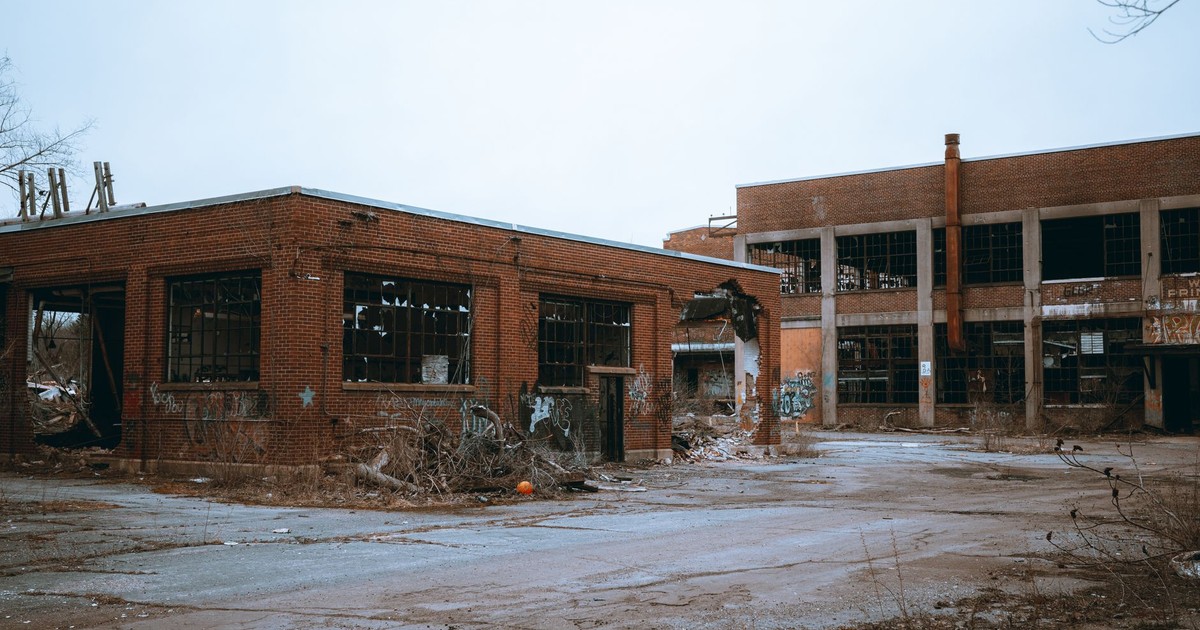

America has nearly 20,000 incorporated cities. Every year, surveys ask Americans which cities they’d least like to live in, crime researchers rank the most dangerous ones, and cost-of-living analysts tally the places where paychecks evaporate fastest. Certain cities appear on almost every one of those lists, year after year, regardless of the metric used to build them.
“Disliked” doesn’t always mean dangerous, and dangerous doesn’t always mean beyond saving. Perception is sticky, and the data explaining why these places have earned their reputations is real – but so is the genuine progress several cities on this list have made in recent years.
1. Memphis, Tennessee

According to USAFacts, Memphis had the highest violent crime rate of any American city with a population over 100,000 in 2024, recording 2,501 violent crimes per 100,000 residents. The national violent crime rate in 2024 was 359.1 per 100,000 residents, the lowest since 1969. Memphis is roughly seven times that figure, which is why it has spent years at the top of every most-dangerous-city ranking.
Young professionals considering a move south don’t place Memphis on their shortlist the way they might Nashville or Charlotte, and that brain drain compounds the city’s existing challenges. Memphis ranked among the top large cities for both violent and property crimes, leading in aggravated assault, larceny-theft, and motor vehicle theft.
The Memphis Police Department’s year-end 2025 report documented a 26% drop in murders, a 22% reduction in aggravated assaults, a 31% decline in robberies, and a 48% drop in carjackings compared to 2024. Those declines are the sharpest the department has recorded across those categories in a single year.
2. Oakland, California
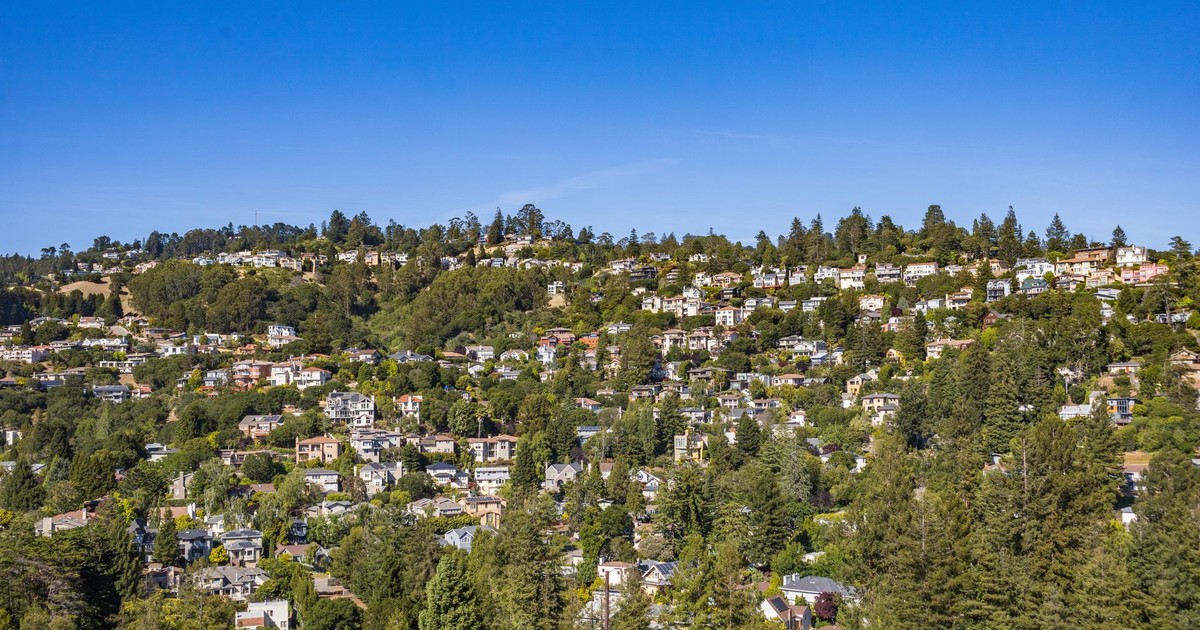
Oakland followed Memphis in the FBI’s 2024 crime data, with 1,925 violent crimes per 100,000 residents. But the violent crime rate is only part of the picture. Oakland led all cities in property crime rates in 2024, meaning that even residents who never encounter violent crime have a statistically elevated chance of having their car broken into, their home burglarized, or their business targeted.
Businesses that once anchored neighborhoods have closed after repeated break-ins, leaving stretches of boarded-up storefronts that reinforce the city’s reputation even as the people who live there push back against it. Oakland has a genuine culture – arts, music, food, history – that its residents are rightly proud of.
Oakland also carries the additional burden of existing in the shadow of San Francisco, a city with its own serious problems but a vastly higher profile and a far larger tax base with which to address them. The comparison is unfair and inevitable, and it rarely works in Oakland’s favor.
3. Detroit, Michigan

Detroit’s population has decreased by over 30% since the 1980s, and the number of vacant downtown buildings has increased substantially. The physical evidence is visible to anyone who drives through certain neighborhoods: wide streets designed for a denser city, houses surrounded by empty lots where neighbors used to live, infrastructure built for a population that no longer exists in those numbers.
Detroit’s violent crime rate is more than triple the U.S. average. The auto industry that once made Detroit the engine of the American middle class contracted dramatically over decades, and the social and economic consequences of that contraction have never fully resolved. Poverty, unemployment, and crime reinforce each other in ways that are difficult for any single policy to interrupt.
Detroit achieved its lowest homicide count in more than 50 years in 2025. A city that recorded its lowest murder total in half a century has done something real, even if rebuilding the population and economic base that left will take far longer.
4. Baltimore, Maryland
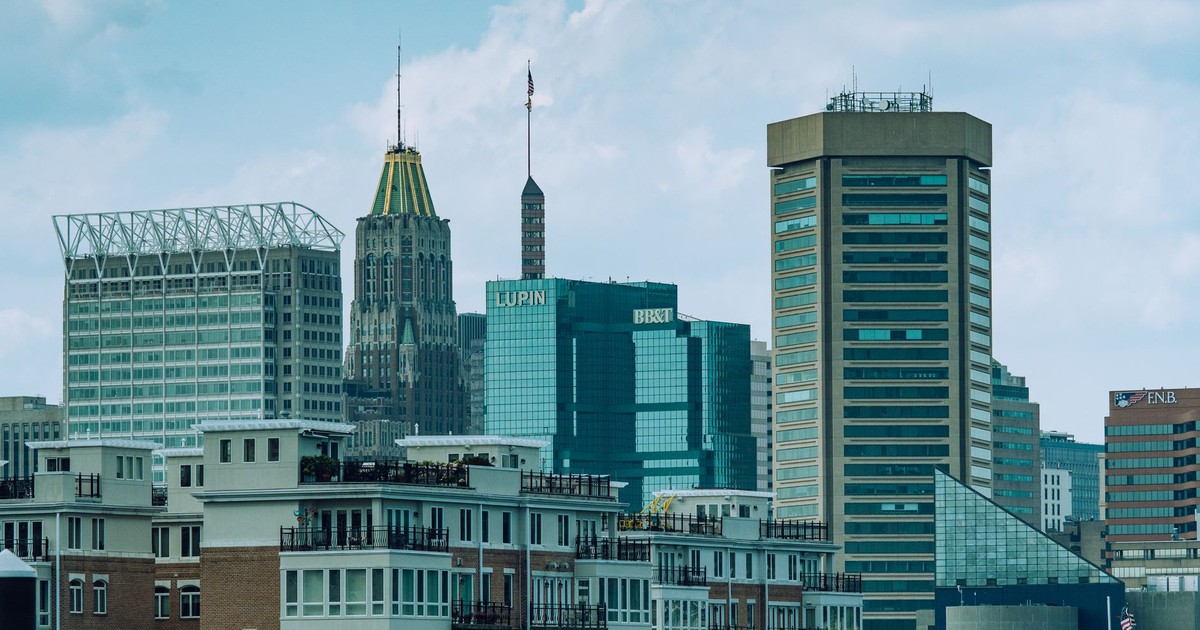
Baltimore holds a particular position in the national imagination – not just as a city with high crime, but as a symbol of what happens when urban disinvestment compounds over generations. HBO’s The Wire ran for five seasons specifically because the situation was complicated enough to sustain that much drama.
Baltimore has consistently ranked among the nation’s highest cities for robbery rates in recent years. As of mid-2025, robberies and auto thefts were down compared to the previous year, while the homicide clearance rate jumped from 40.3% in 2020 to 68.2% in 2024. A police department solving nearly seven out of ten murders is doing something right, even if the overall crime rate remains above where anyone wants it.
Roughly one in five Baltimore residents lives below the federal poverty line, a figure that feeds directly into property crime rates and keeps the city on lists of places people hesitate to move to. The poverty and the crime are not separate problems – they’re the same problem looked at from different angles.
5. St. Louis, Missouri
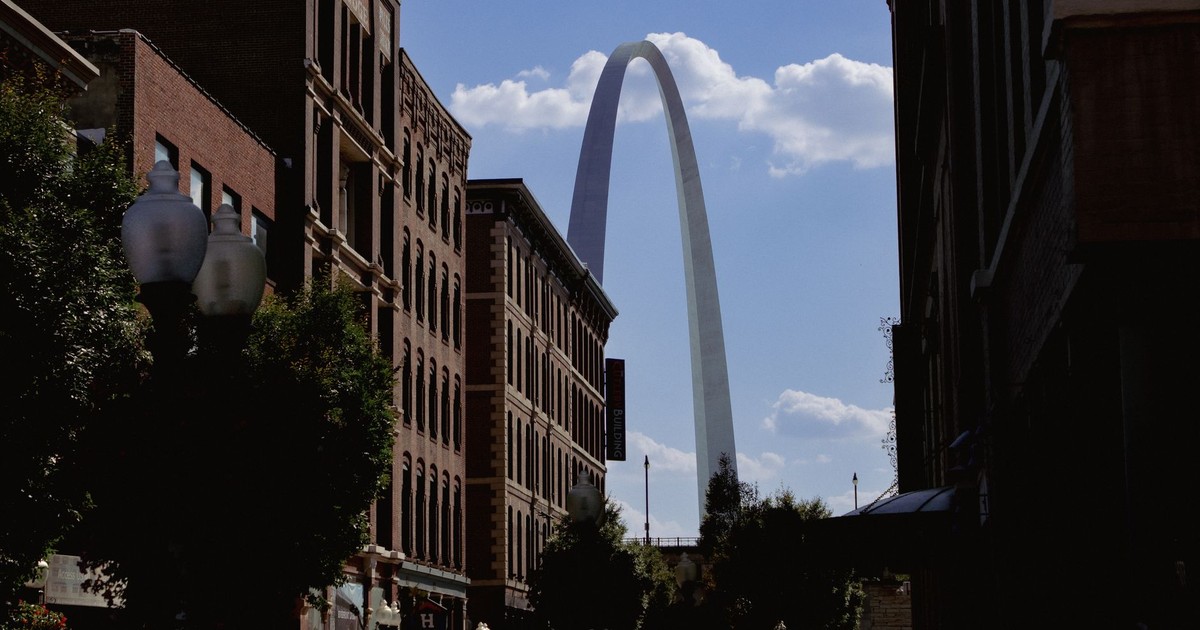
St. Louis is one of those cities where the reputation has outpaced the current reality – but the reputation was built on real data, and it hasn’t been forgotten. For years, the city ranked near or at the top of national dangerous-city lists. Crime issues have helped push people out and deterred newcomers from settling in the area.
The most recent numbers tell a different story. According to STLPR, overall crime in St. Louis decreased by 16% in 2025, with homicides falling to their lowest total in 12 years. Shooting incidents dropped 28%, and juvenile shooting incidents declined 17% compared to the prior year.
Reputation moves slowly. The vacancy rate downtown, the visual weight of abandoned buildings, and decades of headlines about crime don’t disappear because the numbers improved for a few years. St. Louis has earned the right to tell a different story – getting people to believe it is the longer project.
6. Chicago, Illinois
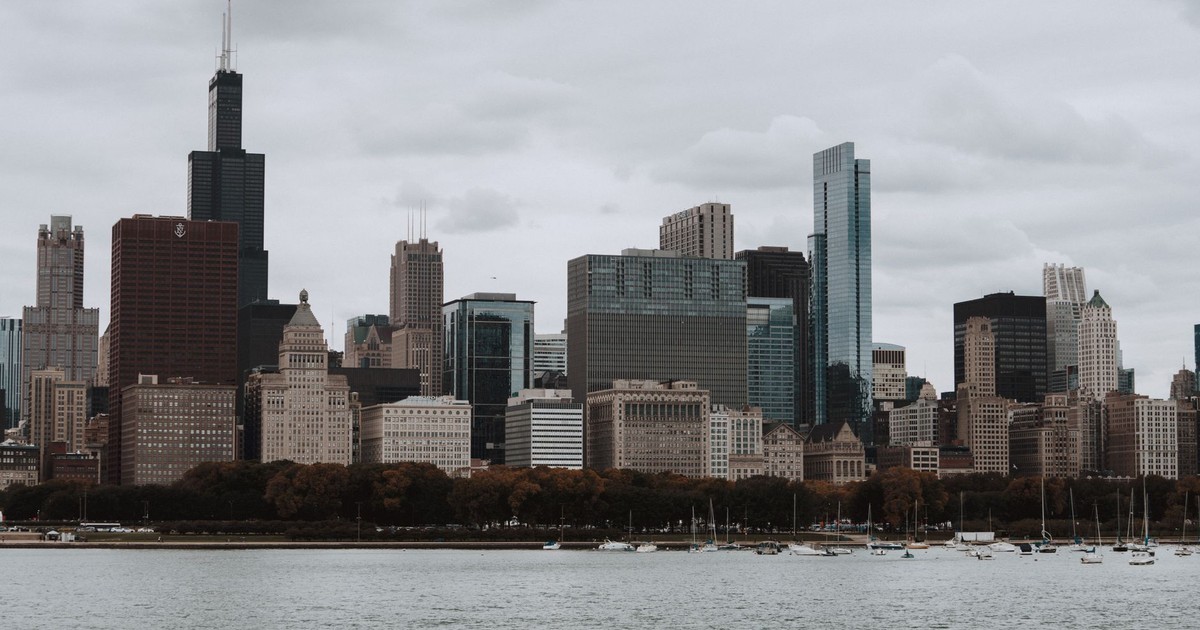
Chicago is the one city on this list where the distance between reputation and reality is most contested. A 2024 survey by Clever Real Estate found that San Francisco and Los Angeles are considered two of the worst cities to live in, according to Americans – and Chicago sits alongside them in that perception, powered by years of national coverage of its violence. The Windy City became a political shorthand for urban failure in ways that its own residents find deeply reductive.
The data is genuinely mixed. Chicago recorded increases in rape, aggravated assault, burglary, and larceny-theft between 2023 and 2024, though the overall violent crime rate was lower in 2024 than 2023, and the homicide rate declined modestly from 18 to 17 per 100,000 residents. More recently, as of October 12, 2025, overall reported crime was down 13% from the same period in the prior year, and murders were down 28%.
Chicago also carries the burden of being expensive, politically polarizing, and cold for approximately five months of the year. Property taxes among Illinois homeowners are consistently among the highest effective rates in the country. None of that is fatal to a city – New York has all of the above and more – but together, these factors make Chicago a frequent target of relocation research that concludes: “beautiful city, not sure I could afford to live there.”
7. Washington, D.C.
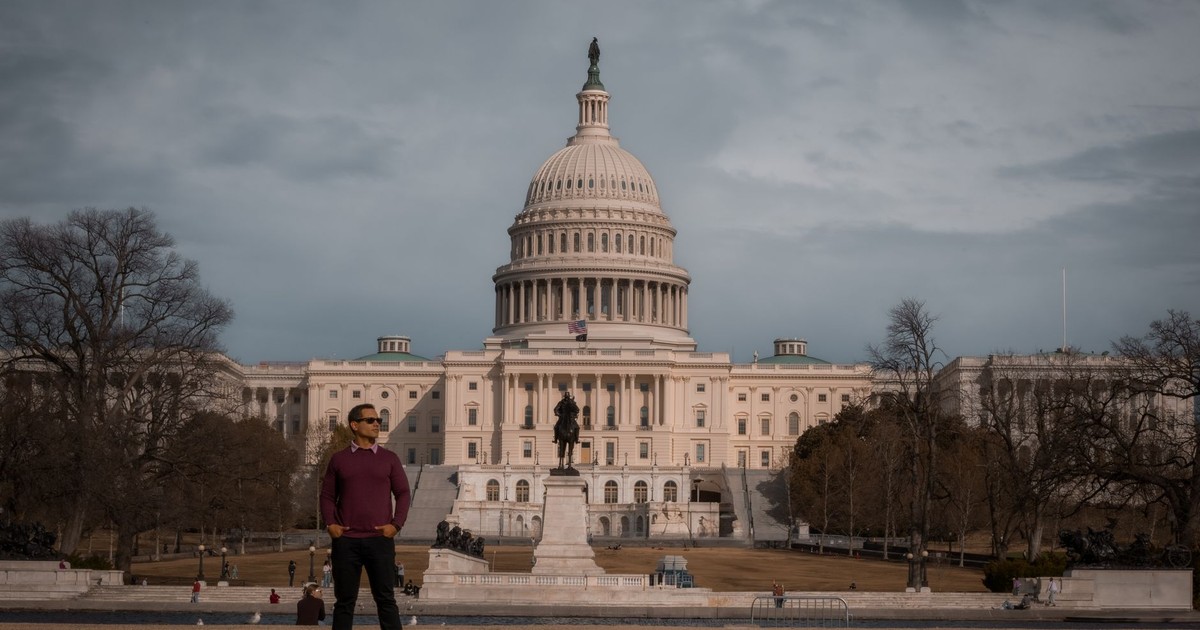
Washington, D.C. has been named the least desirable city in America for the second consecutive year, with 33% of survey respondents ranking it among the top five worst cities. The capital has a remarkably polarizing effect on the national imagination. People either want to be there or want nothing to do with it, and the latter group has been vocal in recent years.
Washington, D.C. ranked seventh among the largest cities for violent crime, though rates have decreased in recent years. The cost of living is the other major complaint. The average home price in D.C. hovers around $650,000, which narrows the market considerably for anyone who doesn’t work for a federal agency, a lobbying firm, or a think tank.
Politically, D.C. has become a lightning rod in ways that go beyond its actual conditions. The capital city’s crime rates recently came into the national spotlight as President Donald Trump declared a public safety emergency to crack down on crime. That declaration added another layer to the city’s reputation as a place beset by problems – real and perceived.
8. Los Angeles, California
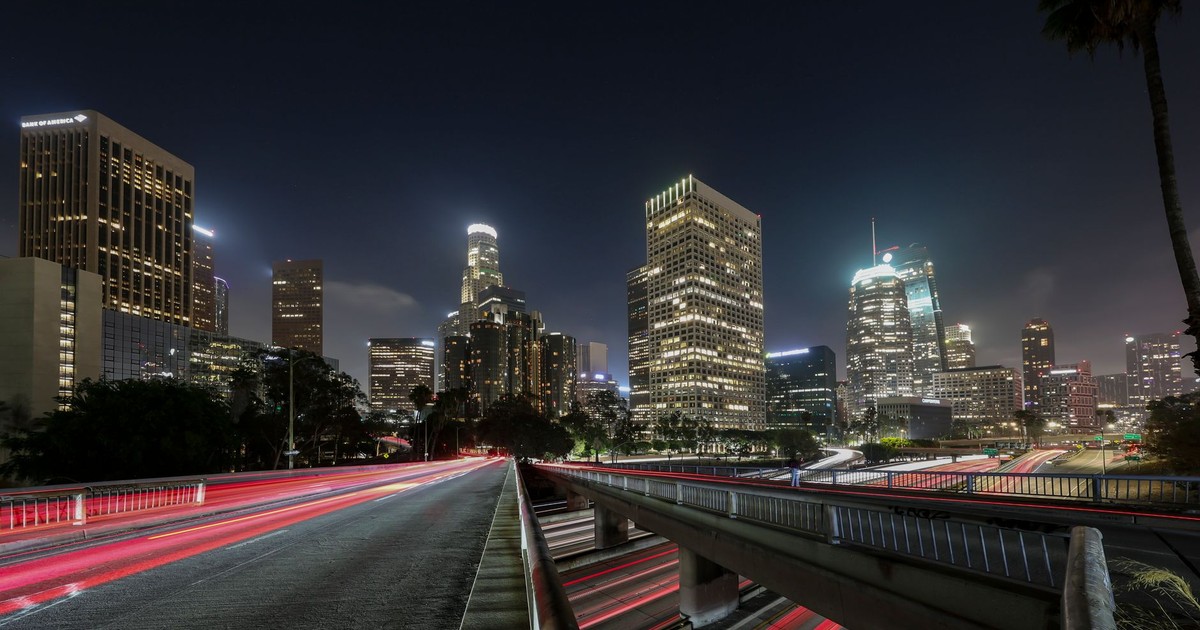
Los Angeles recorded declines between 2023 and 2024 across nearly all crime types, with overall violent and property crime falling and the homicide rate dropping slightly from 8 per 100,000 residents in 2023 to 7 in 2024. By the standards of this list, those are relatively low numbers. But crime data is only one part of why Los Angeles earns its place among the most disliked cities in America.
Traffic, cost of living, housing affordability, and the persistent sense that the city rewards a very specific type of person while ignoring everyone else all feed into the frustration. LA consistently appears on surveys as one of the cities Americans would least like to live in, and the reasons cited are almost never exclusively about crime. They’re about the experience of being a regular person in a city built around a mythology.
Los Angeles has a long history of contributing to lists of the scariest places in America beyond just crime statistics, which reflects how deep the city’s reputation for danger and dysfunction runs in the national imagination.
9. San Francisco, California
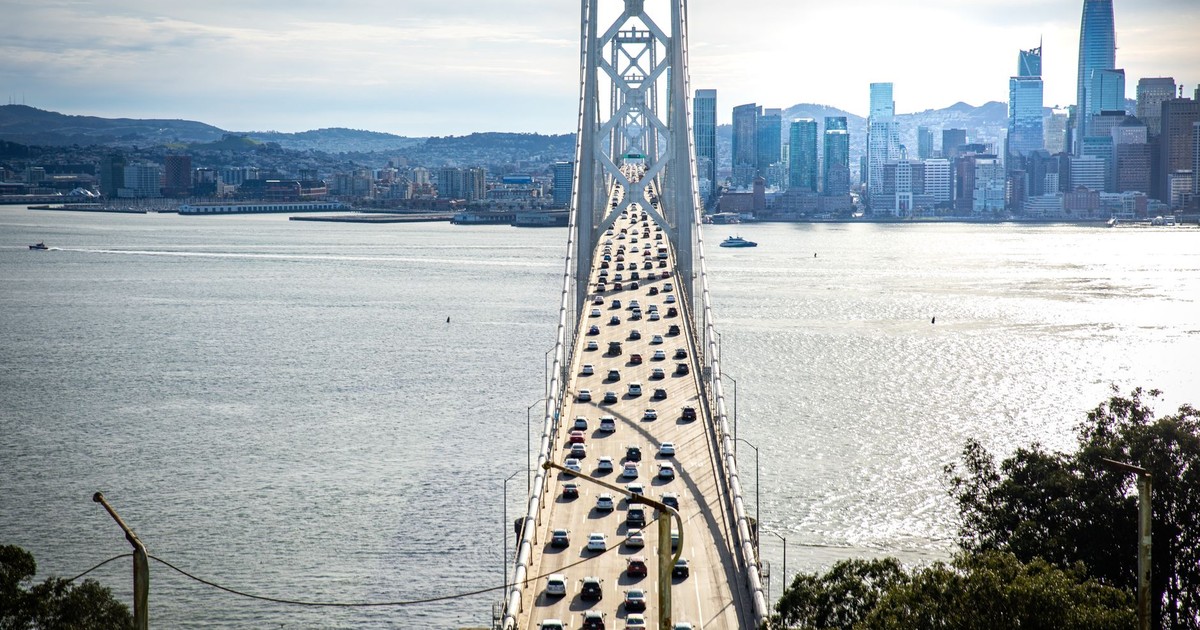
San Francisco has been notorious for surges in property crime – in 2022, the city led the nation in larceny-theft rates. The open-air drug markets in the Tenderloin, the visible homelessness crisis on Market Street, and the exodus of major retailers and tech companies from downtown have all generated national coverage that has permanently altered how many Americans picture the city.
The irony is that San Francisco remains extraordinarily expensive to live in – the median home price is among the highest in the country – which means that the people who have the choice to leave often do, and the people who stay are either wealthy enough not to care or too rooted to go. That combination produces a city that feels simultaneously unaffordable and struggling, which is a difficult contradiction to explain to someone who’s never seen it firsthand.
San Francisco’s homelessness crisis shapes how visitors and potential residents perceive the city, regardless of what the official statistics say about crime rates in any given year.
10. Philadelphia, Pennsylvania
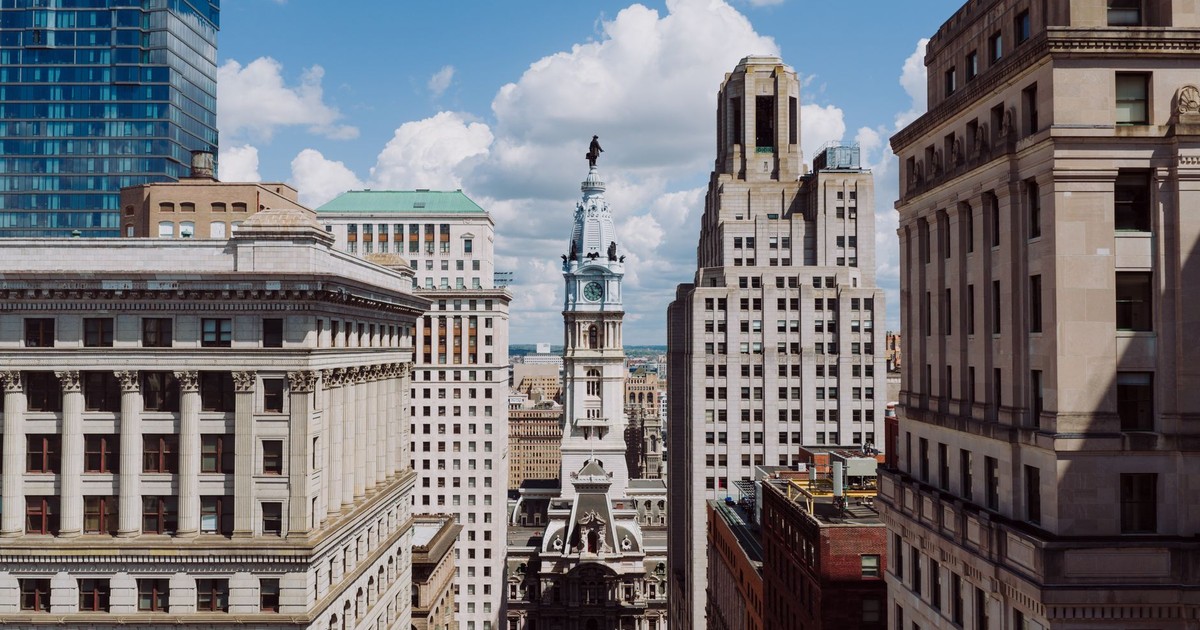
Philadelphia earns its spot on the most disliked cities list through a combination of factors that stretch beyond crime into identity. The city has a reputation for aggressive civic culture – sports fans who famously threw snowballs at Santa Claus, a directness that visitors sometimes read as hostility – that precedes any data about crime rates. That reputation is baked in at this point, and the city’s residents have largely accepted it as part of the brand.
Major cities like Memphis, Seattle, Portland, and Baltimore still struggle with high crime even as national rates drop – and Philadelphia, while not at the top of those rankings, carries an outsized reputation relative to its actual numbers. The city has real problems with poverty concentration, gun violence in specific neighborhoods, and an infrastructure that hasn’t kept pace with the needs of a modern city. But it also has an extraordinary food scene, a genuine arts community, and housing prices that look reasonable compared to New York or D.C.
The persistent knock on Philadelphia is that it feels like a city that is always about to turn a corner without quite getting there. That perception is unfair in some ways and earned in others, which is the honest description of most cities on this list.
11. Cleveland, Ohio
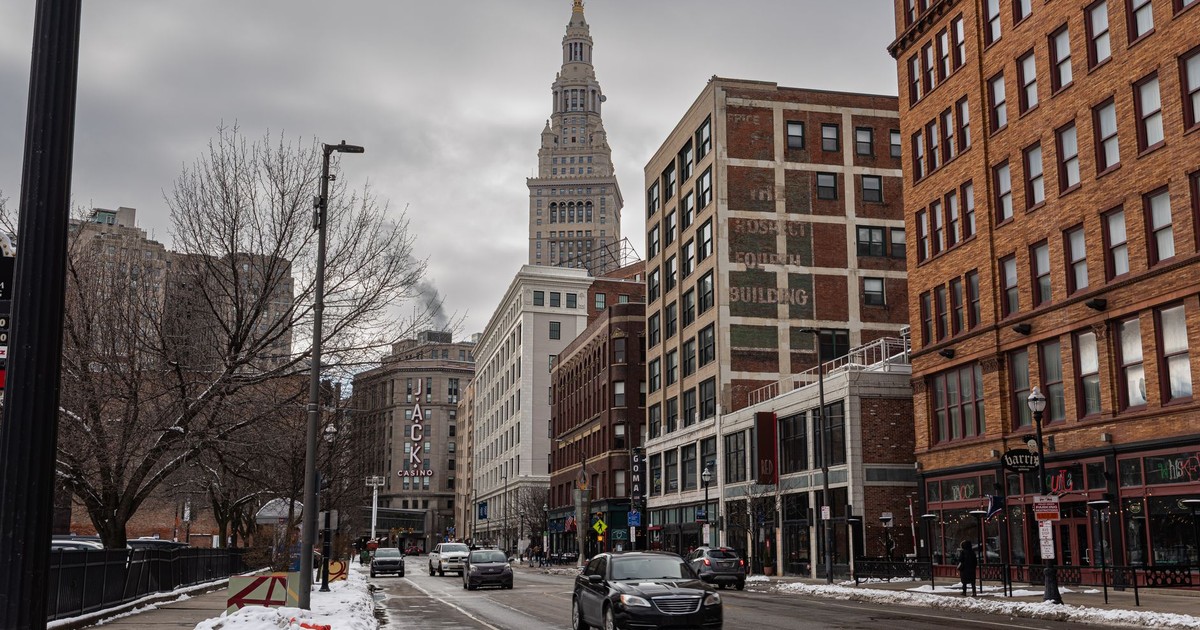
A Stateline analysis of FBI data ranked the cities with populations of 250,000 or more with the highest violent crime rates as Memphis, Oakland, Detroit, Baltimore, Cleveland, Kansas City, Milwaukee, St. Louis, Albuquerque, and Minneapolis – and Cleveland’s presence near the top of that list tells you most of what you need to know about why it appears here.
Cleveland’s challenges are structural in nature. The manufacturing economy that built the city has contracted dramatically, leaving behind a tax base that can’t fully fund the public services a city of Cleveland’s size requires. Population has declined steadily for decades, which means fewer people sharing the cost of infrastructure built for a larger city. The schools, the roads, and the public transit all bear the marks of that math.
The city has genuine assets – a remarkable art museum, a vibrant food scene that punches above its weight, and a fiercely loyal fan base that has been through more sporting heartbreak than any city deserves – but those assets don’t register in the crime rankings or the survey data that shape national perception. Cleveland keeps trying to tell a better story, and it keeps getting drowned out by the numbers.
12. Milwaukee, Wisconsin
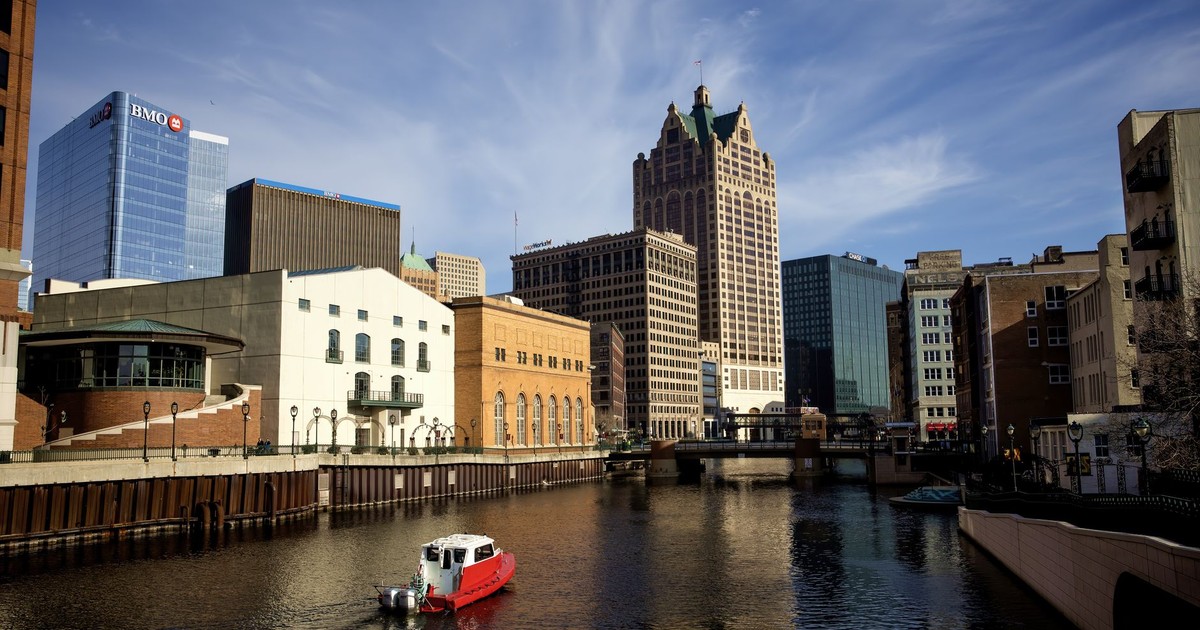
Milwaukee completes this list as the twelfth entry in Stateline’s ranking of the highest violent-crime cities with populations over 250,000, which makes its inclusion here grounded in the same FBI data that drives perception across the board. Like Cleveland, Milwaukee is a post-industrial city carrying the weight of an economy that restructured itself around something other than the industries that made it.
The city has deep segregation patterns that date back to mid-century housing policy, and those patterns correlate directly with concentrated poverty and elevated crime in specific neighborhoods. The overall city-level crime statistics mask a reality where geography determines safety in ways that make generalizations difficult. Some neighborhoods in Milwaukee are genuinely dangerous. Others are not. The headline number flattens all of that.
Milwaukee also has the second-highest African American poverty rate of any major American city, a distinction that reflects decades of structural disadvantage rather than any failure of the people living there. That context doesn’t change the perception problem, but it’s the context that anyone trying to understand the city – rather than simply rank it – needs to have.
What Lists Like This Get Wrong – and Right
Compiling a ranking of the most disliked cities in America is an uncomfortable exercise: every city on this list is home to millions of people who love where they live, who are raising children there, who are building something. Their city is not a data point to them. It’s a street, a restaurant, a neighbor, a school.
The data that drives these rankings reflects real conditions – crime rates, poverty levels, desirability surveys – but it captures only what can be measured and averaged. What it misses is the specific texture of a city’s life: the block that is completely safe, the neighborhood association that is fighting back, the restaurant that just opened and is already worth a two-hour drive. Rankings flatten cities the same way headlines flatten people: efficiently, inaccurately, and in ways that are very difficult to correct once the impression has set.
The underlying data is real. Crime, poverty, and population decline have genuine consequences for the people who live through them, and pretending otherwise doesn’t help anyone. Several cities on this list have made documented, measurable progress – Detroit’s lowest homicide count in half a century, St. Louis down 16% in a single year, Memphis posting its sharpest decline in carjackings on record. None of that erases a reputation built over decades. But it is progress, happening in real time, in places that most people have already written off. Every city on this list is both the statistic and the exception to it, often at the same time, often on the same block.
AI Disclaimer: This article was created with the assistance of AI tools and reviewed by a human editor.