
Everyday life is full of small tricks most people never notice. From the kitchen to your car, many objects are designed with details that serve a purpose beyond what you might expect. Some of these features have existed for decades, quietly making life simpler, safer, and more efficient. Most of us just never learned how to use them properly. This list uncovers the surprising things you’re using wrong, and once you see how they were meant to work, ordinary objects start to look a lot more clever.
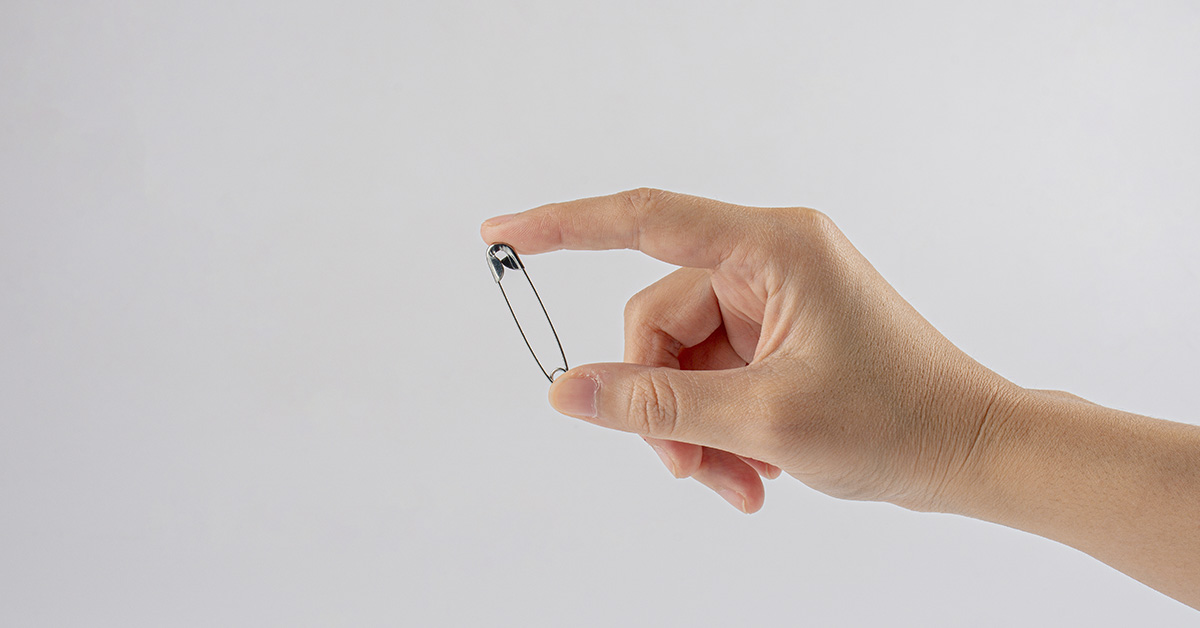
Safety Pin The Tiny Hole
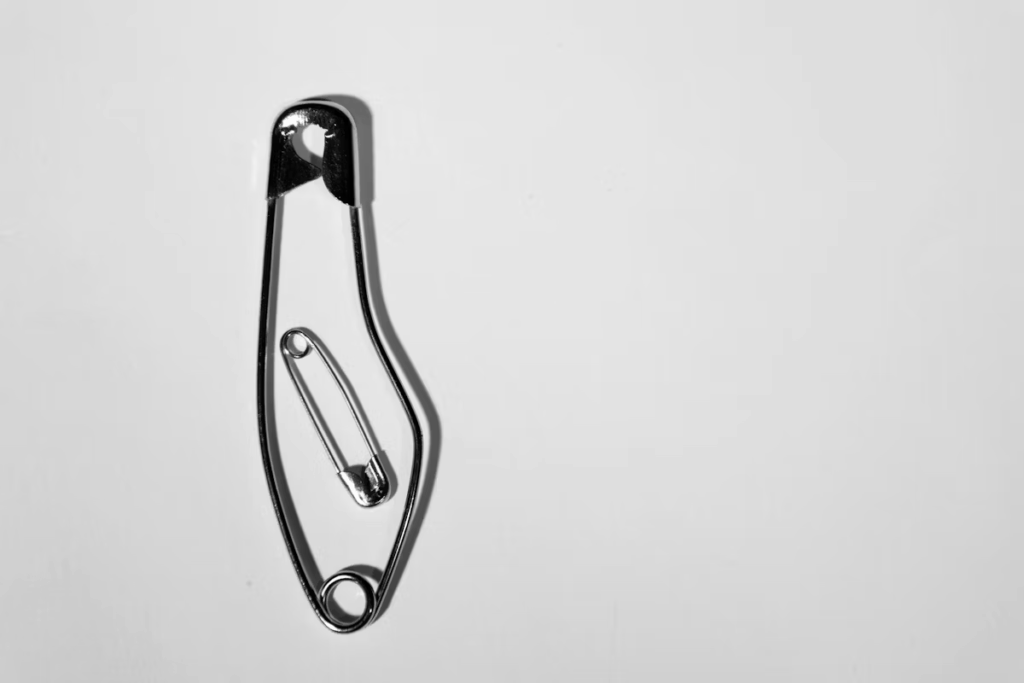
That tiny hole near the tip of a safety pin is more than decoration. You can thread a piece of string or thin cord through it to help guide elastic or ribbon through a waistband or casing. The hole keeps the cord in place so the pin does not slip inside the fabric, giving you better control. It also serves another purpose by reducing tension in the metal, which prevents the pin from snapping open. Once you know this, it becomes one of those small but brilliant design details. What looks simple is actually clever problem-solving in disguise.
Jeans Rivets
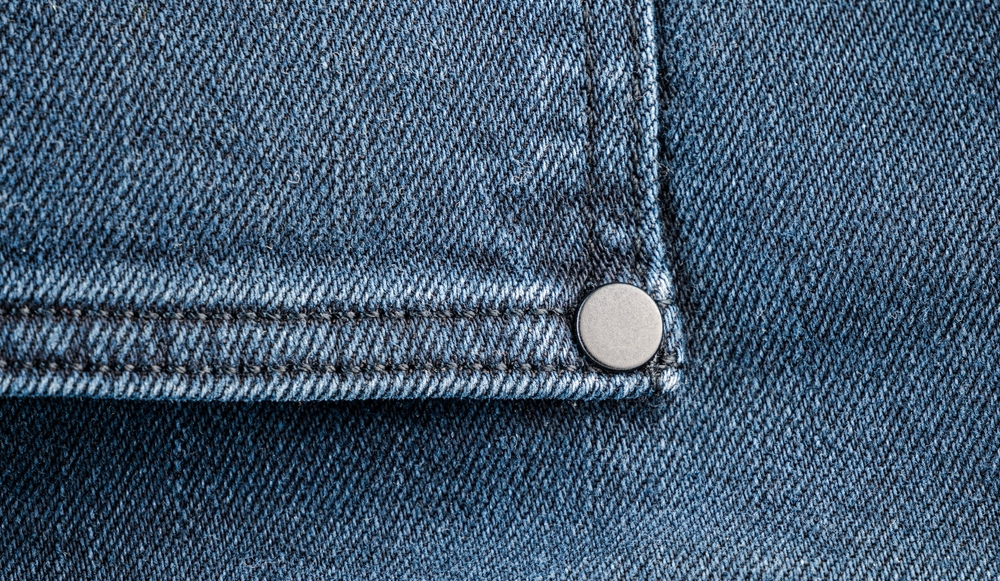
Image credit: Shutterstock
Those little metal studs on your jeans are not just there for looks. They strengthen the fabric at points that take the most stress, such as pocket corners. When Levi Strauss first added them in the 1800s, they helped miners keep their jeans from tearing under heavy use. That same idea still works today, keeping denim tough enough to handle years of wear. Without those rivets, your favorite pair would not last nearly as long. What seems decorative is actually one of the most practical clothing inventions in history.
Pasta Spoon Center Hole
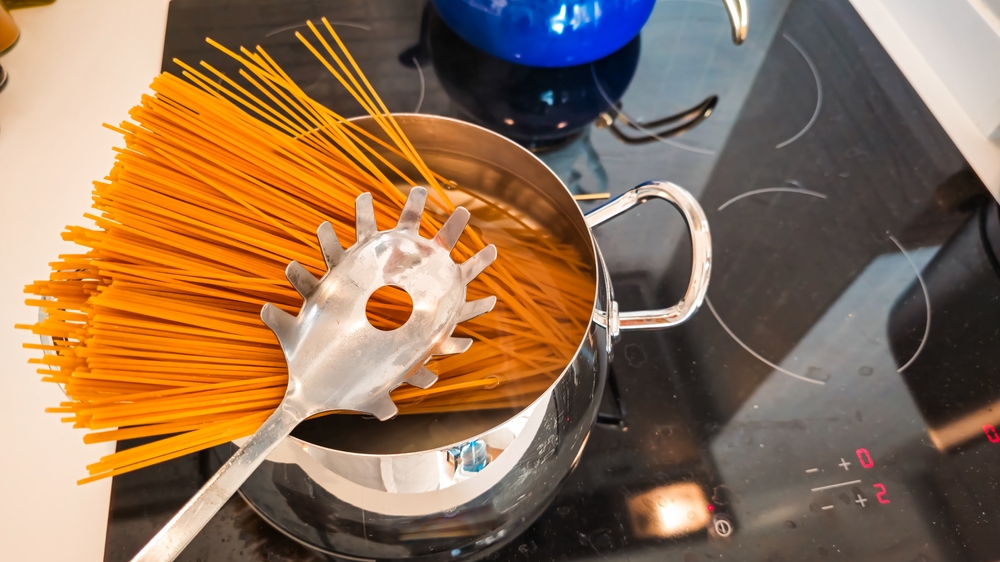
The hole in the middle of a pasta spoon does more than drain water. It measures one serving of dry spaghetti before cooking. Just slide the uncooked noodles through the opening, and you have the perfect amount for one person. This design saves time and prevents overcooking or waste. It is an elegant solution to a daily cooking problem most people never think about. Once you start using it that way, dinner becomes easier to plan and portion.
Tape Measure Metal Tab and Slot
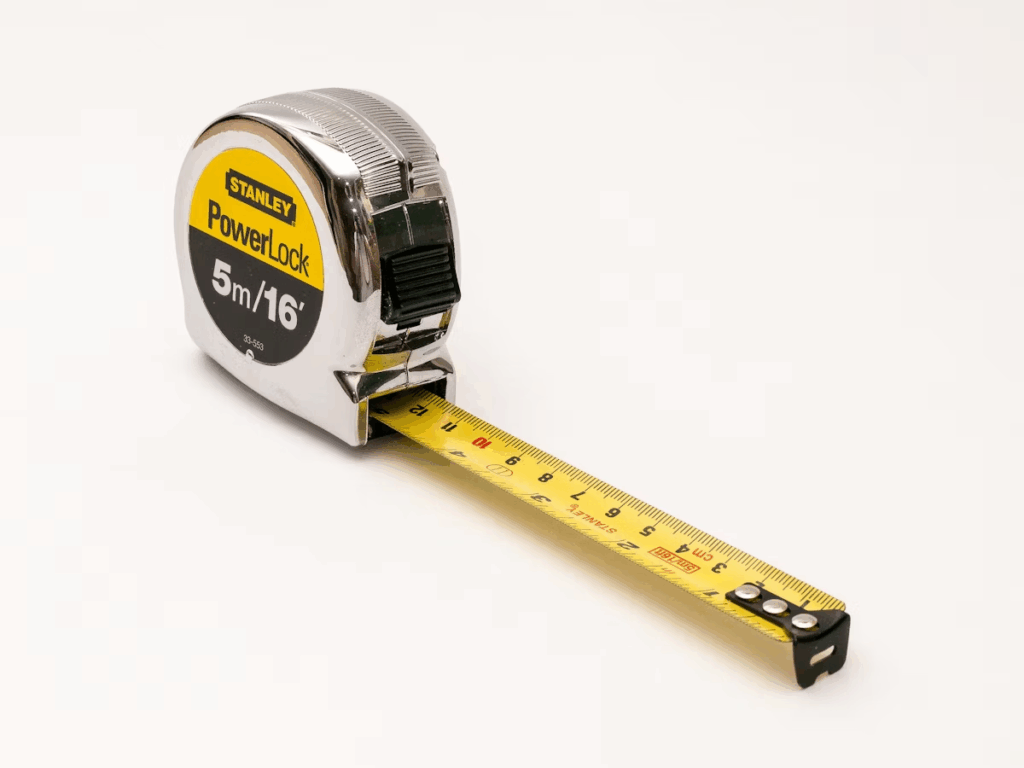
The metal tab on the end of a tape measure has several hidden uses. The small slot hooks onto nails or screws so you can measure without holding the tape in place. The rough edge can also scratch a small mark onto surfaces. The tab itself moves slightly on purpose, allowing accurate readings for both inside and outside measurements. Many people think it is loose or broken, but that flexibility is what makes it precise. This is one of those things you’re using wrong that was designed smarter than you realized.
Microwave Popcorn Button
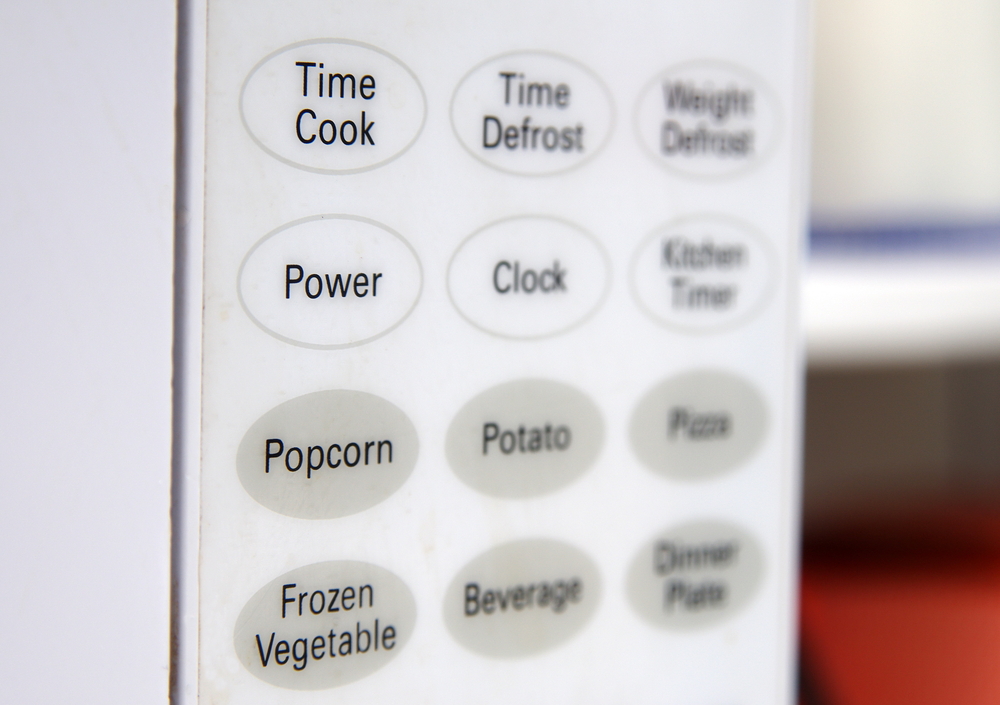
The popcorn button on most microwaves is one of the least reliable settings ever made. Each microwave has a different wattage, and every popcorn brand cooks at a different rate. That preset timer often burns some kernels while leaving others unpopped. The best way to cook popcorn is to listen. When the popping slows to about two seconds between each pop, it is ready. Paying attention beats any button, saving both your snack and your kitchen from that burnt smell.
Car Headrests Removable for a Reason

Image credit: Unsplash
Headrests are not just for comfort. They can be pulled out and used to break car windows in an emergency. The metal rods are strong enough to shatter glass if doors jam after an accident. This feature was intentionally built into most vehicles as a safety measure. It is a small but powerful example of how thoughtful design can save lives. The next time you notice it, remember it might be more useful than you think.
Jeans Tiny Front Pocket
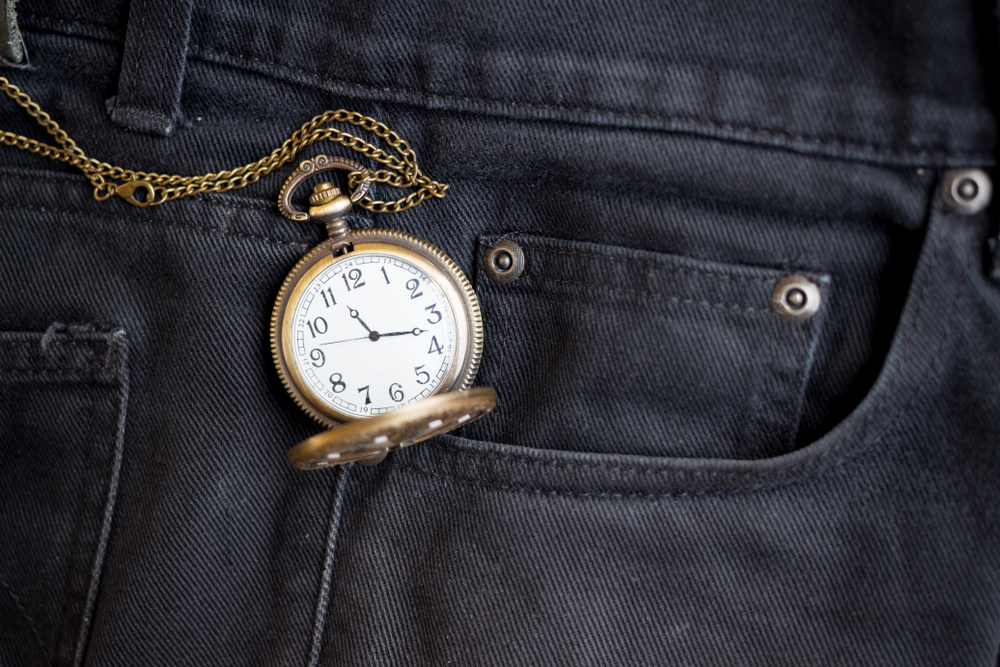
Image credit: Shutterstock
That tiny pocket inside the main pocket of your jeans has been around for more than a century. It was originally made to hold a pocket watch, keeping it safe and secure for workers in the 1800s. Over time, people started using it for coins, keys, or small keepsakes. The design stayed even after pocket watches disappeared. It remains one of those small, nostalgic details that remind us how fashion often evolves from function.
Backpack Diamond Patch (Lash Tab)
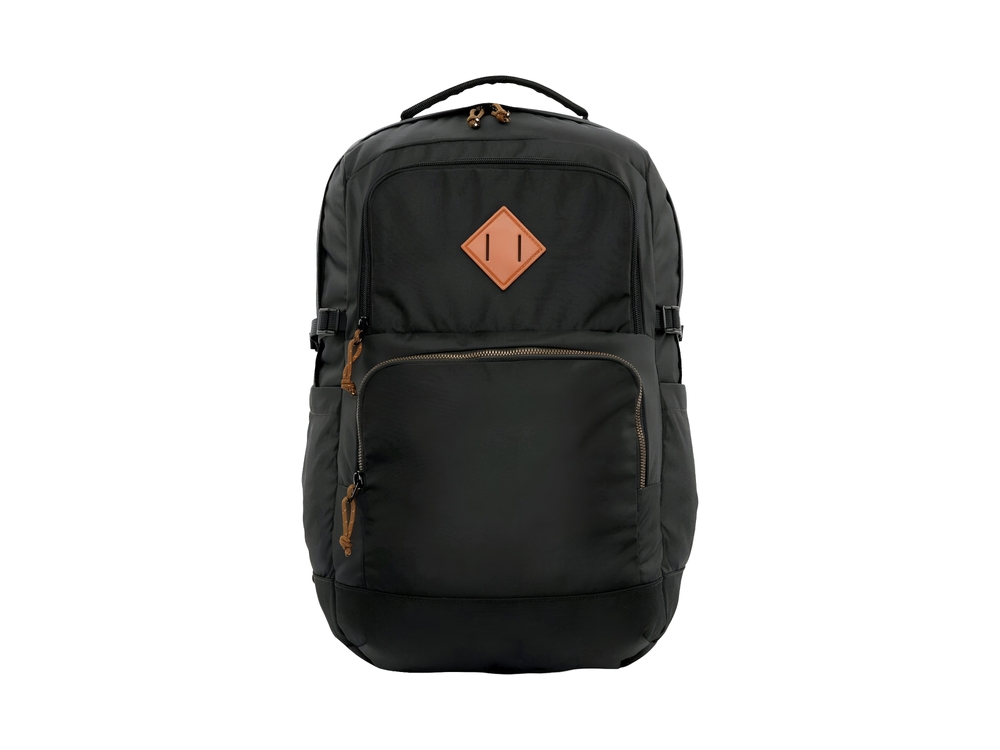
The small diamond-shaped patch on your backpack is called a lash tab. It is designed for threading cords or straps through so you can attach items like shoes, flashlights, or water bottles. This idea comes from old mountaineering and military packs where efficiency mattered most. Most people assume it is only for decoration, but it still serves a practical purpose. It is another example of things you’re using wrong, hidden in plain sight on something you carry every day.
Bobby Pins Wavy Side Down
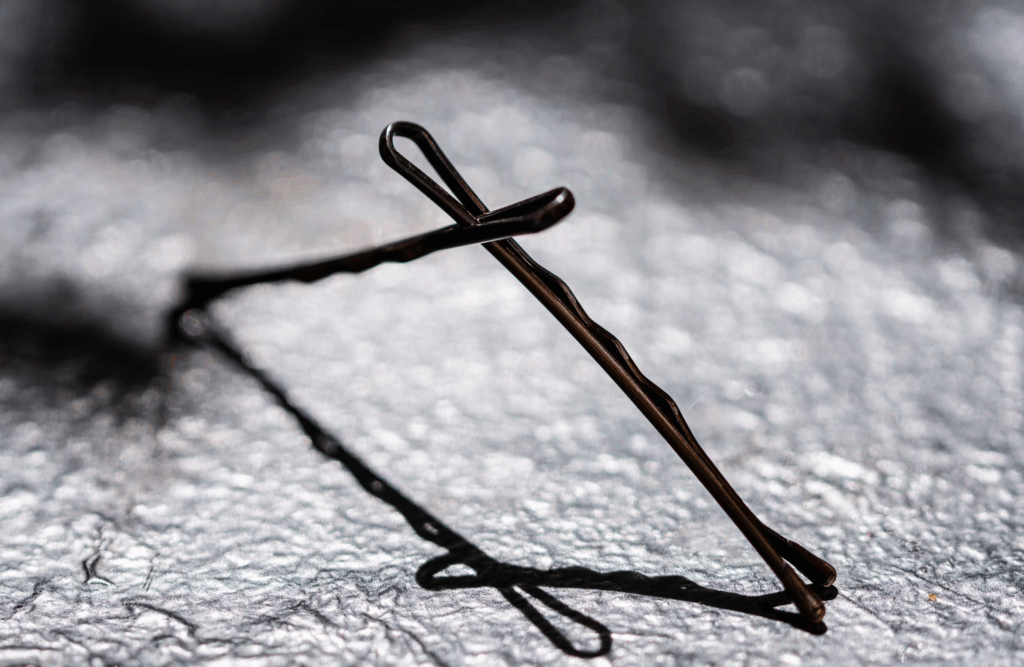
Image credit: Unsplash
If your bobby pins keep sliding out, the problem is not your hair, it is how you wear them. The wavy side is supposed to face your scalp. The ridges grip your hair better, while the smooth side keeps it looking neat. This small correction can change how well they stay in place. Hairstylists have always used them this way for a reason. A tiny flip makes a big difference.
Takeout Boxes They Unfold

Those paper takeout boxes from Chinese restaurants are more than just containers. They are designed to unfold into a flat plate. The folds open outward, creating an easy surface for eating without needing extra dishes. The box is made from one piece of coated paper, which makes cleanup fast and simple. Most people never realize how convenient this feature is. Once you try it, you will wonder how you ever managed without it.
Elevator Close Door Button

That close door button in most elevators is more of a psychological trick than a functional one. In many buildings, the button is disabled or delayed to comply with accessibility laws that give people extra time to enter. It lights up, but it does not actually make the doors close faster. Only maintenance staff or emergency responders can override it. For everyone else, pressing it is just something to pass the time. The real key to using an elevator well is patience.
Foil or Plastic Wrap Side Tabs
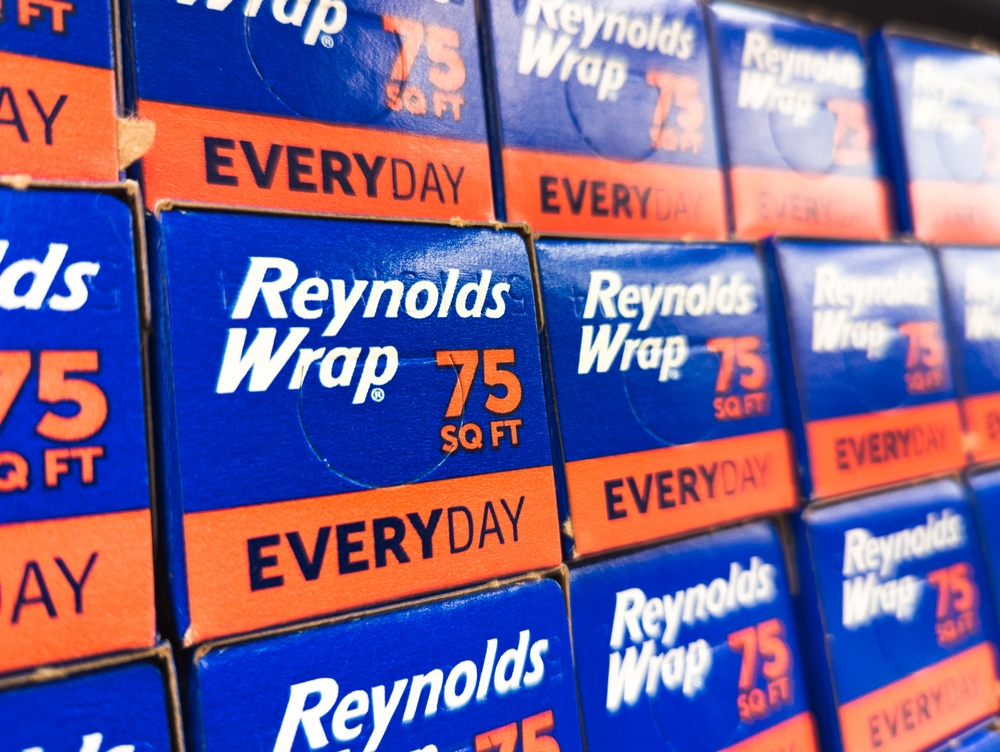
Image credit: Shutterstock
If your foil or plastic wrap roll always slips out of the box, look closer. On both ends of the box, there are small perforated circles that can be pushed inward. They lock the roll in place, preventing it from sliding while you pull the wrap. This feature was added after customers complained about messy, tangled rolls. If you never noticed it before, this is one of the things you’re using wrong that is easily fixed in seconds.
Car Gas Gauge Pump Icon Arrow

Image credit: Shutterstock
That tiny arrow next to the gas pump icon on your car’s dashboard is there for a reason. It tells you which side of the car the fuel cap is on. This small detail helps drivers avoid parking on the wrong side at the gas station, especially when driving a rental or a new vehicle. Once you notice it, refueling becomes faster and easier. It is one of the smallest design features with the biggest convenience impact.
Notebook Margins Not Just for Notes
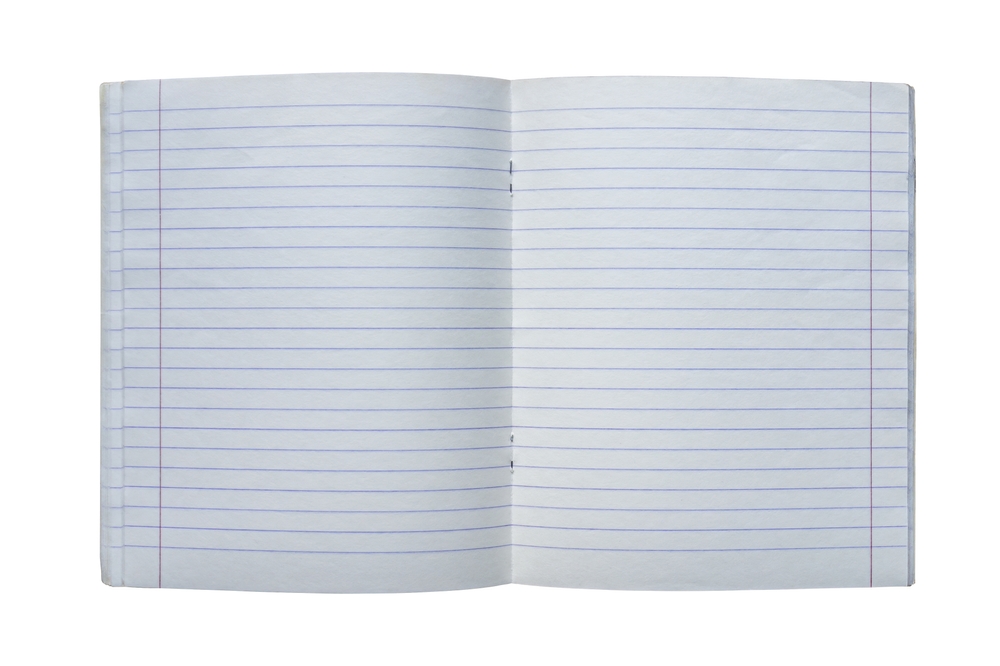
Image credit: Shutterstock
Margins on notebook paper were not originally created for writing space. They were designed to protect the main text from rats and insects that chewed the edges of stored paper. By leaving a blank border, important information stayed intact. Later, margins became useful for editing, labeling, and organization. The idea stuck, shaping how we write and structure pages today. It is another quiet example of things you’re using wrong, born from practical history.
Coffee Cup Lids The Extra Hole
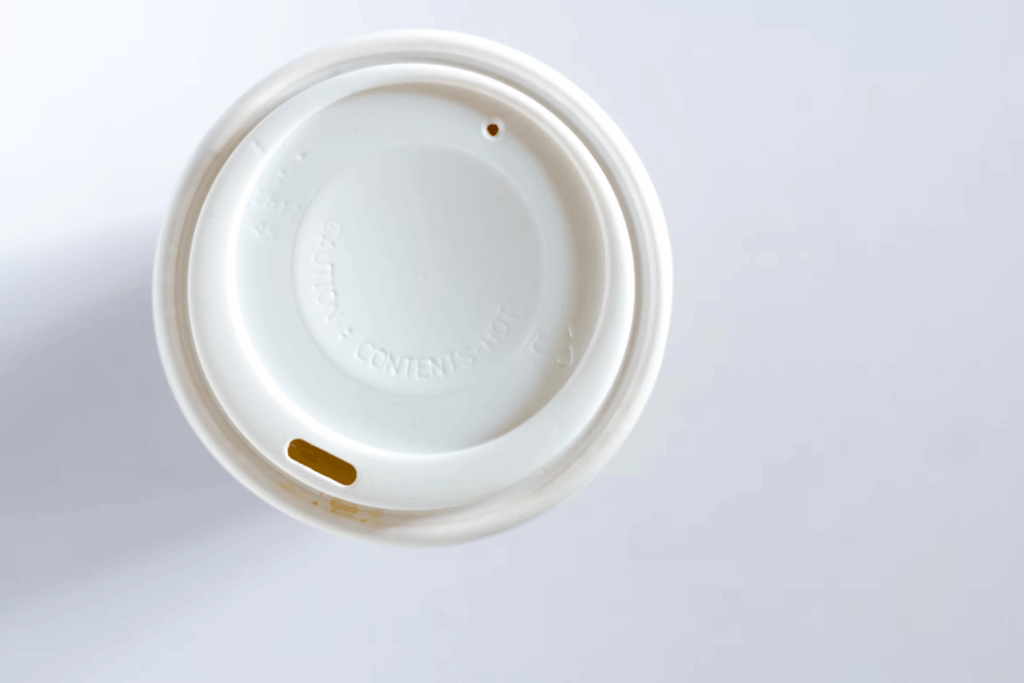
That small hole on your coffee cup lid is there to control airflow. It lets air enter the cup so your drink flows out smoothly, preventing sudden splashes or spills. Without it, the liquid would surge unpredictably. The hole also reduces pressure and helps keep the temperature consistent while sipping. Some lids are even designed to flip into makeshift coasters. Every detail serves a purpose, even in something as simple as a coffee lid.
Toothpaste Stripes Not for Ingredients
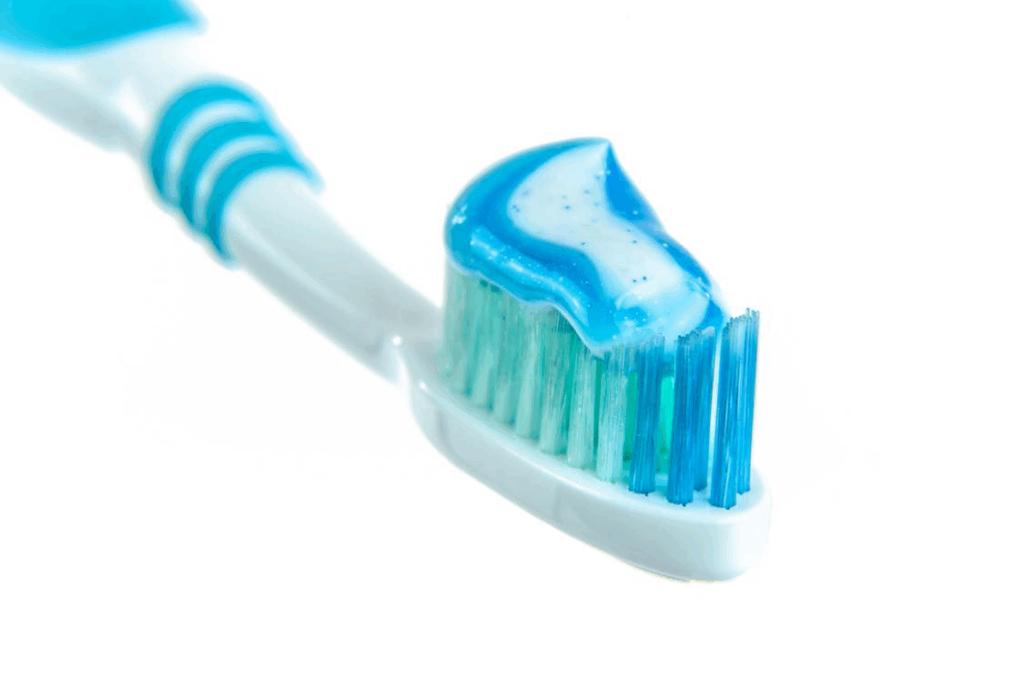
The colored stripes on toothpaste tubes do not indicate what is inside. They are color markers used by factory sensors to tell machines where to cut and seal the packaging. The color itself means nothing to consumers. It is simply a manufacturing code for alignment during production. This small fact ends one of the most common internet myths about toothpaste design.
Plastic Bottle Caps Hidden Rings

Image credit: Pexels
That ring of plastic under a bottle cap has a specific role. It helps keep the seal airtight, preserving freshness and carbonation. When the cap twists off, the ring separates slightly to show the bottle has been opened. Without it, drinks would go flat quickly. This simple mechanism ensures safety, freshness, and tamper protection all at once. A small detail that makes modern packaging reliable.
Toothpick Grooved End
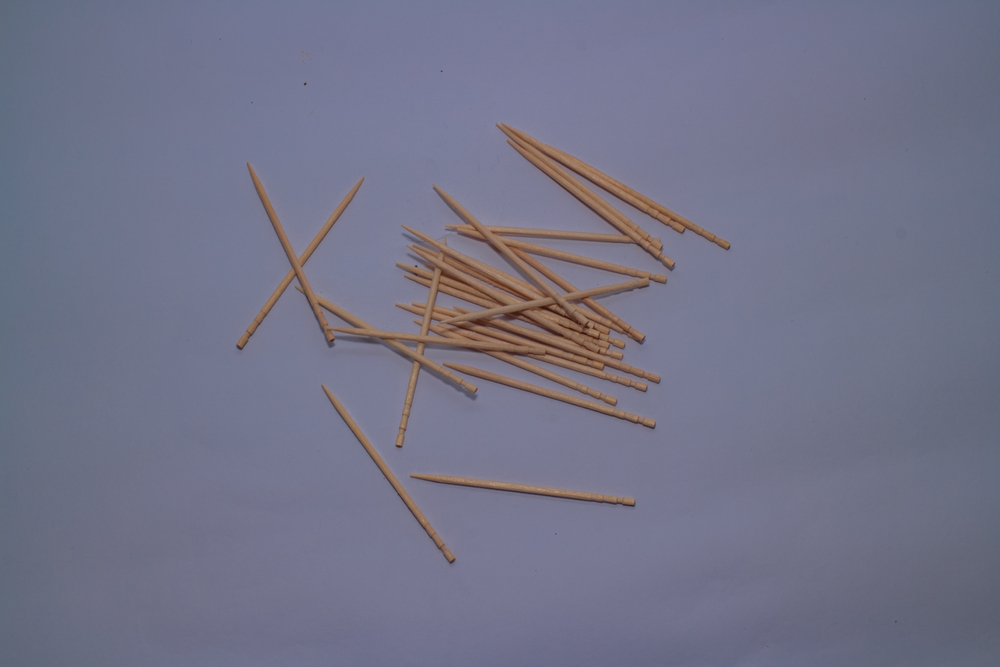
Image credit: Shutterstock
The groove near the top of a toothpick is not just a design choice. It marks where the stick can be snapped to create a small holder that keeps the used end from touching the table. This makes it more hygienic and practical. The groove also prevents splinters when you break it. Even something as simple as a toothpick has more thought behind it than most people realize.
Look Closer Next Time

Image credit: Pexels
Design hides in plain sight, waiting to be noticed. Most of these features were created to solve small but real problems. Once you start recognizing them, it changes how you see everyday life. The smallest parts of ordinary things often hold the smartest ideas. Keep paying attention to things you’re using wrong, because curiosity always leads to better understanding.
Share and Surprise Someone

Share these discoveries with someone who loves learning small but useful facts. Think about how often small details slip past you. The hole in a pasta spoon, the metal studs on your jeans, even the ring under a bottle cap – all quietly doing their job without attention. Once you understand what they’re for, the world feels more deliberate. It’s like realizing everything around you was designed with care, just never explained. These discoveries don’t change everything, but they make ordinary life feel a little sharper, a little more interesting. Sometimes knowing how things work makes the day move with less friction.
Read More: That Small Hole in Your Sink? It Has a Surprising Purpose
Disclaimer: This article was written by the author with the assistance of AI and reviewed by an editor for accuracy and clarity.